
Discover the best antihistamine options for reducing foot swelling, including causes, effectiveness, and safety tips for managing allergic reactions and inflammation.

#1 Online Allergy Clinic


Trusted by 50,000+ Users

1
2
3
Ready to get your long-term relief?
Try Quickie
Dr. Neeta Ogden, MD

Curex is poised to revolutionize the way allergies are treated in America, expanding access to clinical care and treatments that can meaningfully improve patients quality of life.

Dr. Ravi Patel, VP Telemedicine
At Curex, our mission is to help people improve their health and quality of life by understanding their allergies and treating them at their source.We provide more than individualized prescription treatments; we provide individualized care.

Jill Hamburg, PA - C
Immunotherapy made simple. We enable patients to receive personalized allergy care on their own time. No more waiting rooms.

Dr. Chet Tharpe, Medical Director
Curex has set the standard for the virtual allergy experience. From the comfort of their home, patients nationwide are able to receive a personalized treatment plan from an experienced clinician, aimed at treating the source of their allergies, not just the symptoms.

Kayla Mardaga, NP
Curex offers convenient at-home allergy testing options. Our goal is to determine if a patient would benefit from immunotherapy and then customize a treatment plan that can reduce both the symptoms and the reliance on allergy medications.




When you stay in one position for too long, fluid can collect in your feet, causing swelling.
Sprains, strains, or broken bones in the foot or ankle can lead to swelling as the body responds to the injury.
These organs help control fluid balance. If they are not working well, fluid can build up in the feet.
Certain medicines, like those for blood pressure or diabetes, can cause fluid retention and swelling.
Hormonal changes and extra pressure on blood vessels during pregnancy often cause feet to swell.
Infections in the feet or legs can cause swelling, redness, and pain.
When veins have trouble sending blood back to the heart, fluid can pool in the feet and ankles.
Simple rule: If swelling is sudden, painful, or comes with other symptoms, or if you are worried, see a doctor right away.
If you notice sudden, severe, or painful swelling, or if it comes with other symptoms like chest pain or shortness of breath, seek medical help right away.
Have questions left?
Take our quiz and get a personalized consultation!
This prompt helps an AI assistant understand your situation and guide you step by step through allergy treatment options
Backed by published clinical studies on Quickie’s active ingredients

Immediate Relief. Improvement within Days.
91% of patients using a steroid + antihistamine combo reported significant symptom improvement within 7 days.

Breathe 45% easier with decongestant + steroid combo. Less rebound, more relief!

Quick Relief.
Real Results.
Faster relief: Patients reported feeling improvement within 10–30 minutes of use.

5-in-1 formulation improves adherence and convenience, helping patients stay consistent and feel better faster.

60–80% reduction in rhinorrhea with ipratropium bromide, including in nonallergic and cold-related cases.

Hyaluronic acid keeps nasal passages moistured and supports healing of the nasal lining in 90% of patients.


It’s a physician-prescribed, custom-compounded formula designed to target all your nasal symptoms at once — congestion, runny nose, post-nasal drip, sneezing, and more.

Formulated by doctors and pharmacologists and backed by clinical research, Quickie combines five powerful ingredients into one easy spray.

Typical prescription may include the following ingredients: Azelastine HCL 0.15%, Mometasone Furoate 0.05%, Oxymetazoline HCL 0.0125%, Ipratroprium 0.06%, Sodium Hyaluronate 0.04%.
Straight to the source. That’s Curex



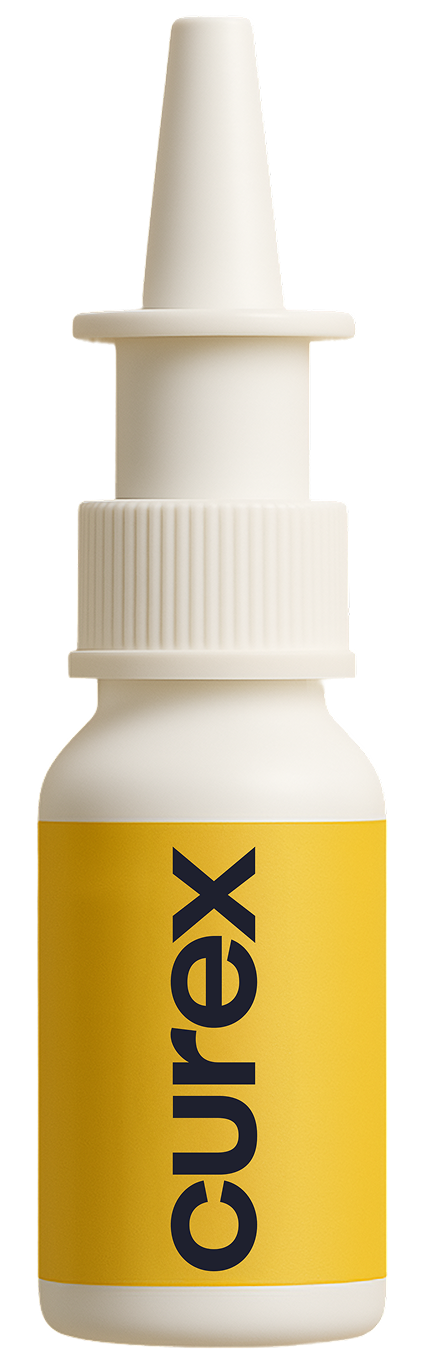
Quickie is a compounded prescription medication, prepared by a licensed pharmacy. It is not reviewed or approved by the FDA. It is prepared based on your provider’s evaluation of your symptoms and needs. Individual results may vary.

Lauren S.
No longer having to go the doctor's office a few times a week for painful shots.

Tony P.
I have done allergy shots in the past but found it pretty inconvenient to go every week. I really like the ease as compared with physically going to the doctors office.
Robert S.
The treatment is much less expensive than a course of allergy shots at a doctor's office and eliminates numerous trips to the doctor's and all the waiting time.
Janie L.
My seasonal allergies were much less severe than years prior. Most importantly, the convenience of taking drops in my own home is unbeatable.

Lauren S.
No longer having to go the doctor's office a few times a week for painful shots.
Tony P.
I have done allergy shots in the past but found it pretty inconvenient to go every week. I really like the ease as compared with physically going to the doctors office.
Robert S.
The treatment is much less expensive than a course of allergy shots at a doctor's office and eliminates numerous trips to the doctor's and all the waiting time.
Janie L.
My seasonal allergies were much less severe than years prior. Most importantly, the convenience of taking drops in my own home is unbeatable.
Most patients feel relief within 15 minutes. We have both short-term relief ingredients as well as longer-term relief to keep you feeling better, longer. Some say it’s like turning off their allergies.
Sneezing runny nose, nasal congestion, post-nasal drip, sinus pressure, itchy nose. Great for outdoor allergies, indoor dust, or when pollen spikes unexpectedly.
No, this formula uses a microdose of oxymetazoline, balanced with anti-inflammatory and moisturizing ingredients to reduce the risk of rebound congestion. Clinical studies over the last decade show that when oxymetazoline is combined with a corticosteroid, it can be used safely over the long term without causing rebound symptoms.
Quickie Spray combines up to five prescription-strength ingredients into a single, personalized formula — targeting multiple symptoms like congestion, post-nasal drip, and inflammation. OTC sprays typically address just one symptom and lack the synergy of a customized blend.
Some ingredients like azelastine may cause a slight taste, but many patients find it milder than traditional OTC sprays. Proper spray technique (head forward, not tilted back) helps minimize drip.We also offer an alternative formulation with olopatadine, which has a gentler taste profile and may be preferred by taste-sensitive patients.
Quickie is designed to replace most other allergy medications. But it is designed to compliment allergy immunotherapy for long-term relief. If you’re currently taking other antihistamines or nasal sprays, tell your Curex provider, so we can adjust your formula to avoid overlap or interactions.
No, Quickie is a personalized compounded prescription prepared by licensed U.S. pharmacies based on your doctor’s evaluation. Compounded medications are not FDA-approved as commercial products, but they are regulated under federal and state pharmacy laws.
Possible side effects include nasal dryness, mild irritation, or occasional nosebleeds. These are typically mild and manageable. Let your Curex provider know about any bothersome or serious effects, so we can fine-tune your prescription if needed.
Quickie is safe for daily use, especially during the first 3–6 months of allergy immunotherapy, when symptoms are still active. Your Curex provider may adjust your dose or frequency as your immune system builds tolerance.
Quickie is designed to be non-sedating, so you can use it before work, school, or exercise without feeling groggy or foggy. In rare cases where drowsiness is reported, let your Curex provider know—we can easily adjust the formula to better suit your needs.
Yes, Quickie Spray can be prescribed for children aged 6 and up, based on your provider’s clinical evaluation.
Follow the instructions from your Curex provider.Most patients are advised to use one spray per nostril, twice daily — morning and evening — for consistent relief.
