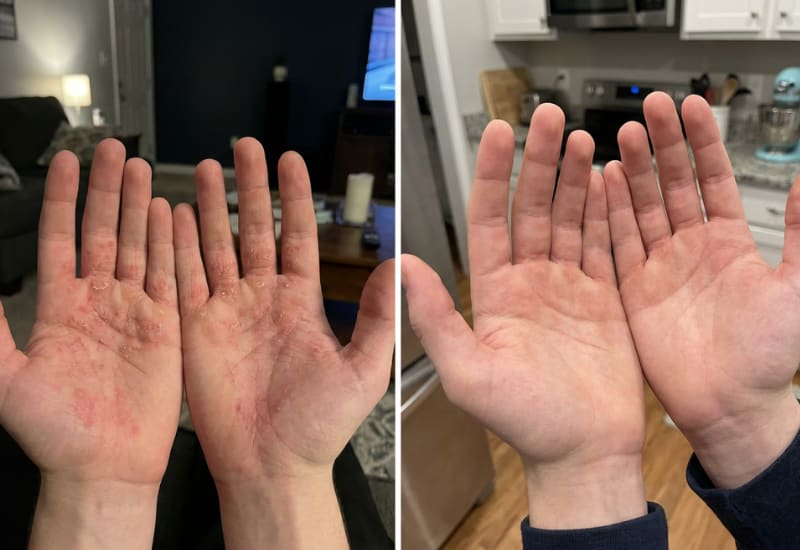
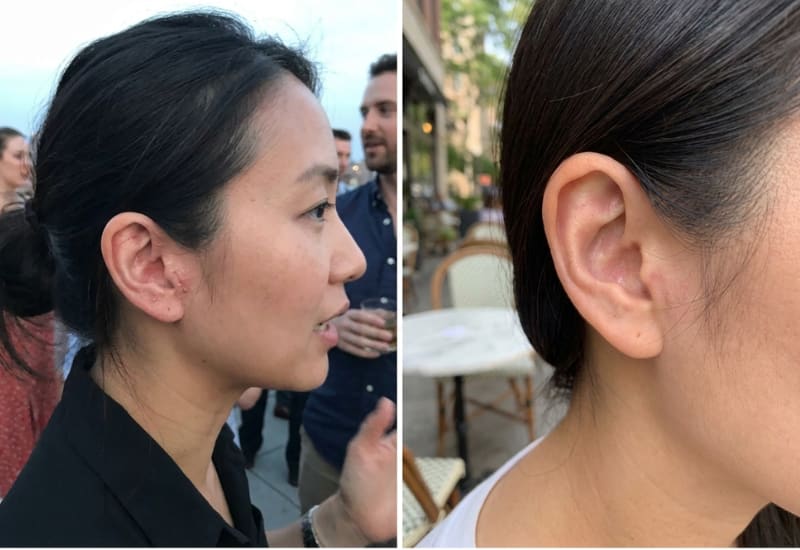
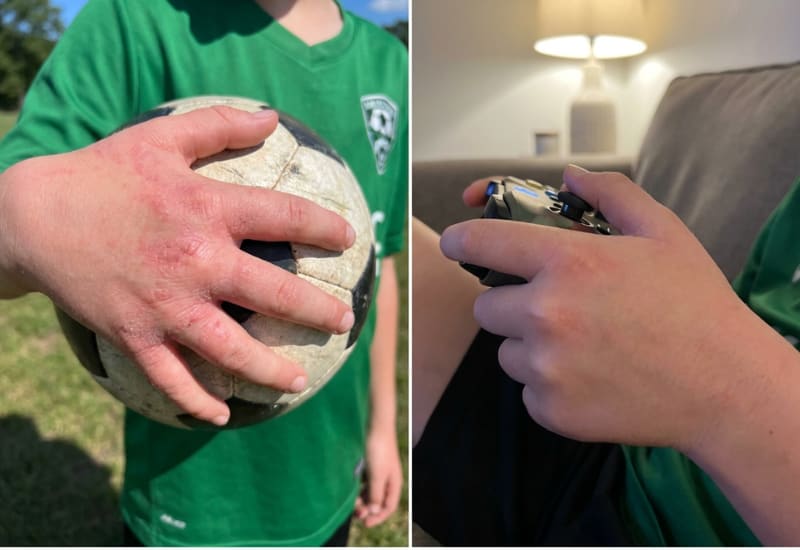
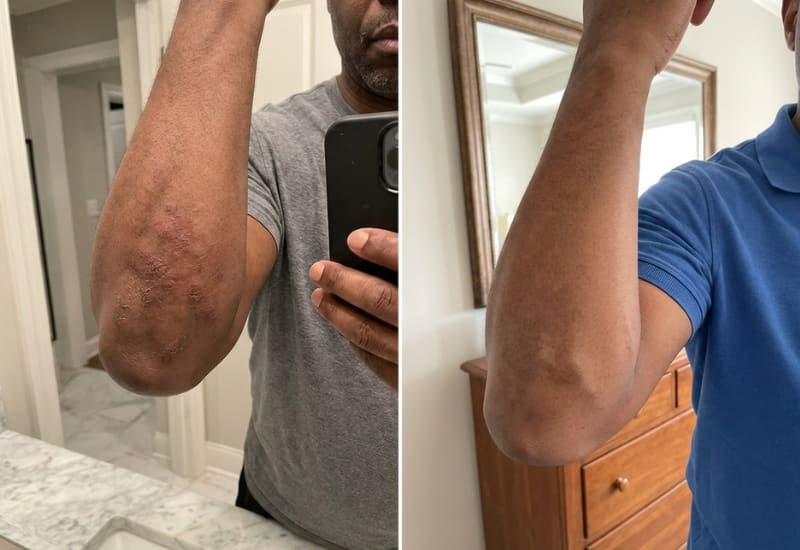
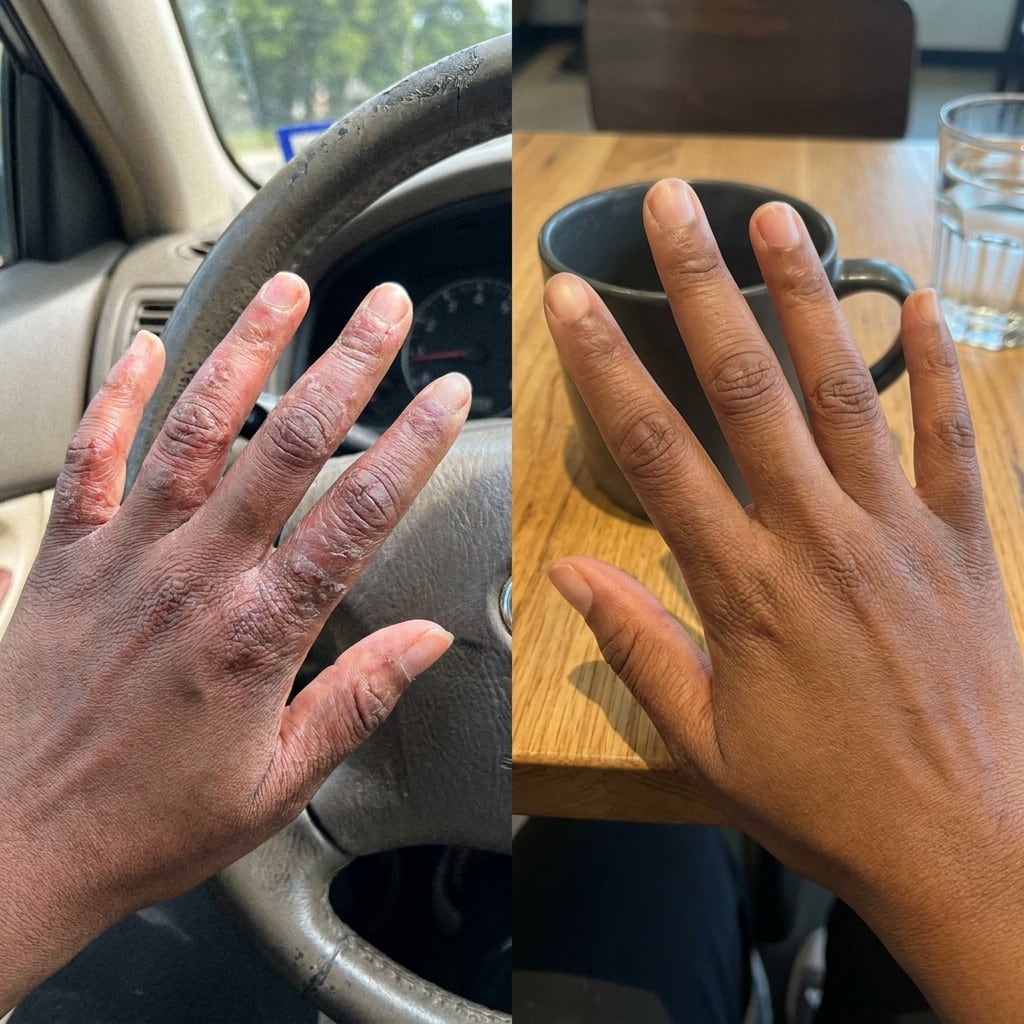
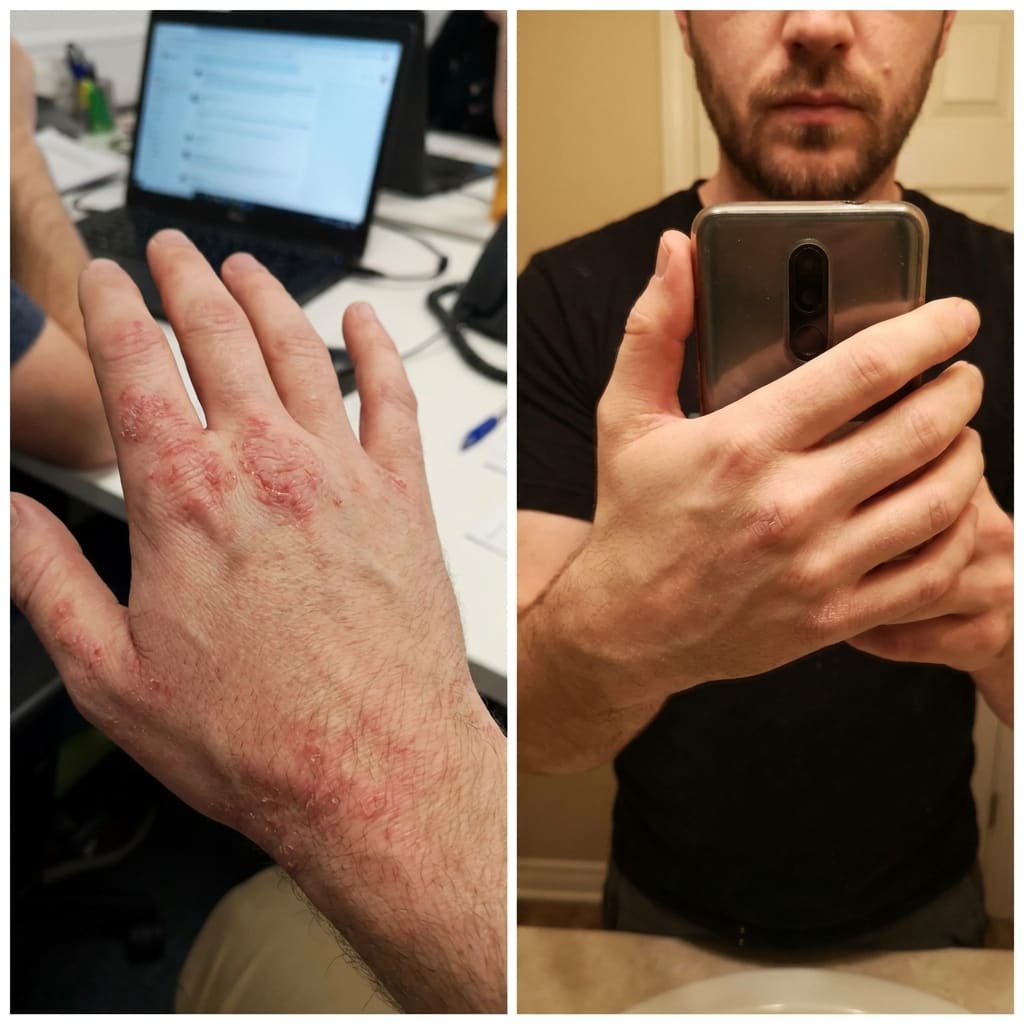
Your exact prescription is decided by your clinician after medical review. For hands and wrists, formulas are commonly built from:
Steroid-based, for active flares
TriamcinoloneClobetasolCeramide Barrier Cream
Non-steroid, for flares and sensitive skin
TofacitinibTacrolimusCeramide Barrier Cream
Maintenance, to keep flares from returning
TacrolimusCeramide Barrier Cream
How your clinician chooses
Steroids and non-steroidals both have a place, and neither is automatically the right answer. Well-chosen steroids can calm an angry flare quickly. Non-steroidals are often better suited to thin or sensitive skin and to long-term maintenance. Your clinician picks based on your skin, the specific spots affected, and how you respond.
- Your clinician selects the lowest effective potency for the area being treated.
- Palms tolerate stronger formulations than the thin skin on the backs of hands and wrists. Your formula accounts for that.
- Most patients move to a maintenance formula once the flare is under control, which keeps results going with less medication.
- Have a preference either way? Tell your clinician during intake and they'll work with it where it's clinically appropriate.
- You have 24/7 clinician oversight. If something stings, spreads, or doesn't settle, message your specialist and the formula gets adjusted.
- Mention any pregnancy, breastfeeding, current medications, or prior reactions during intake.
Final treatment, medication, formulation, and instructions are determined by a licensed clinician after medical review. Compounded medications have not been approved by the FDA and the FDA has not evaluated their safety or efficacy.

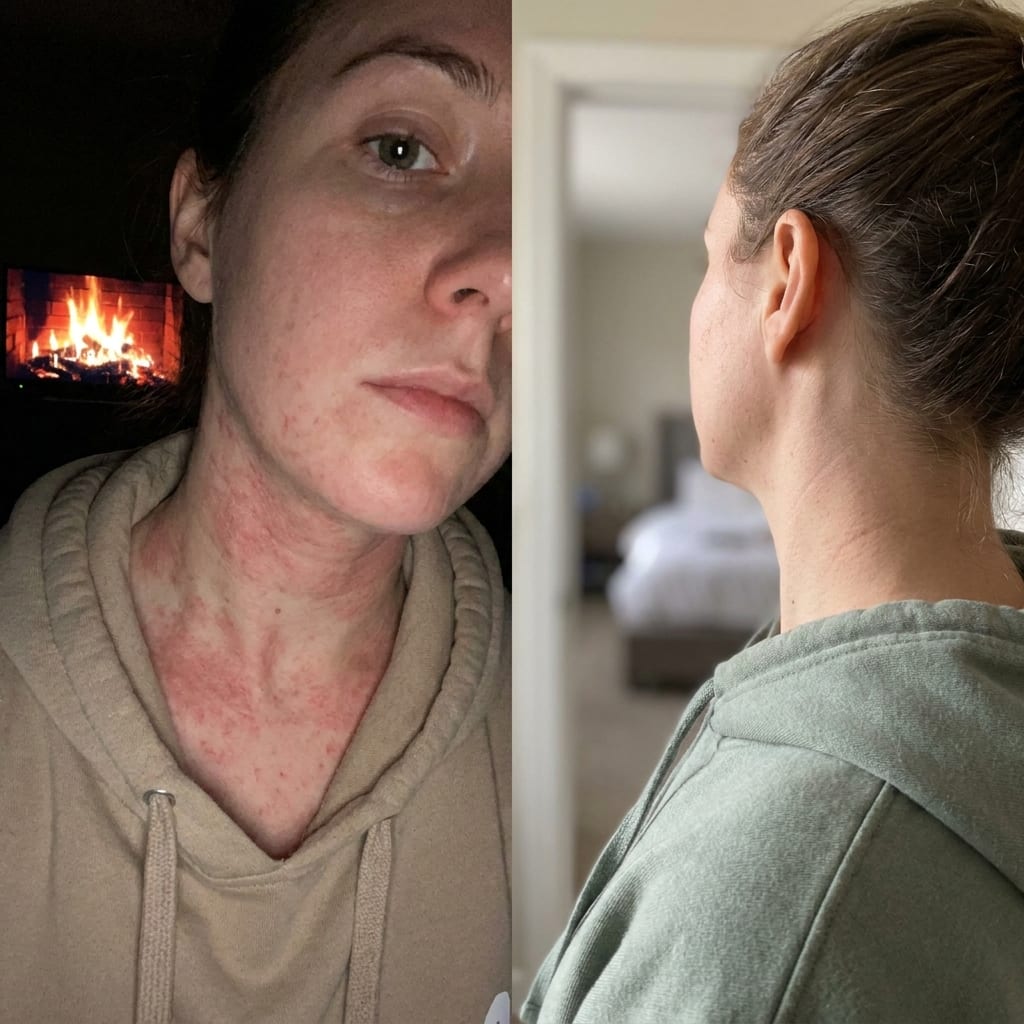
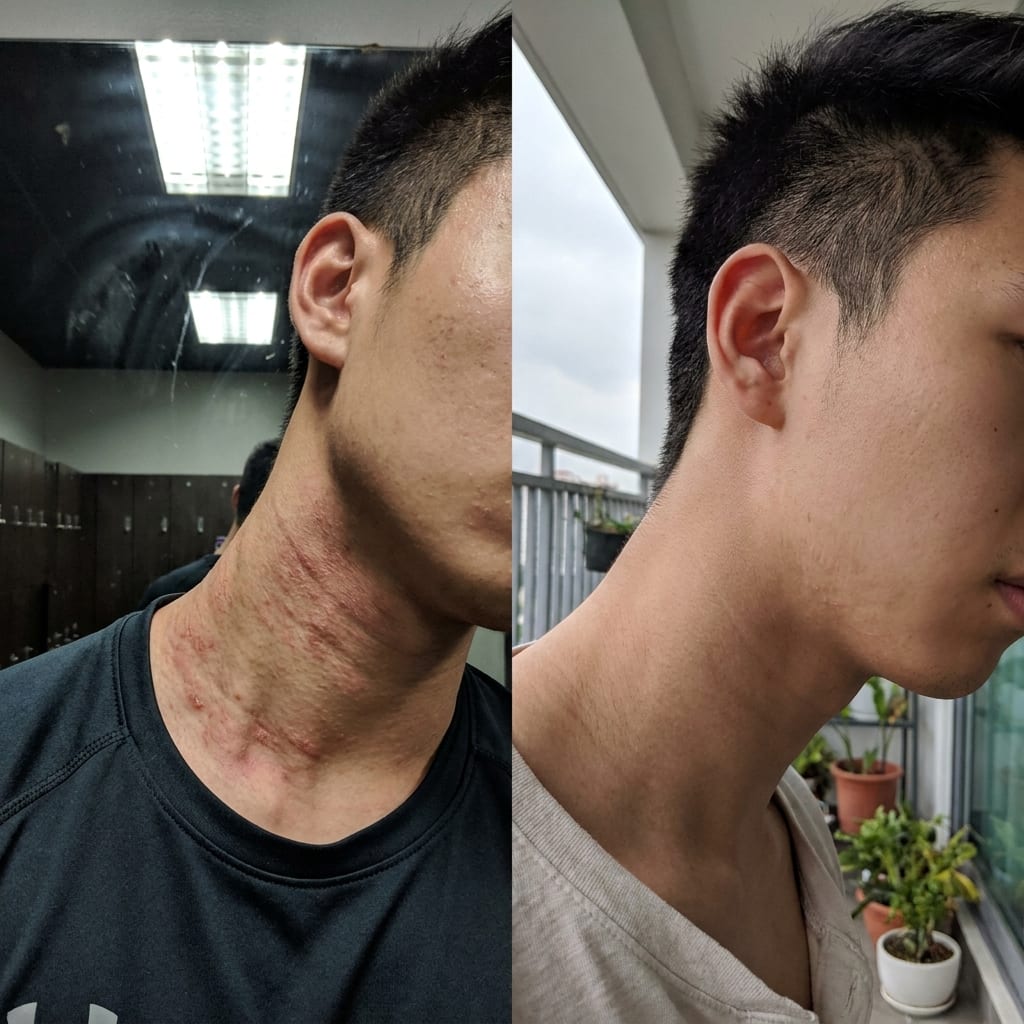
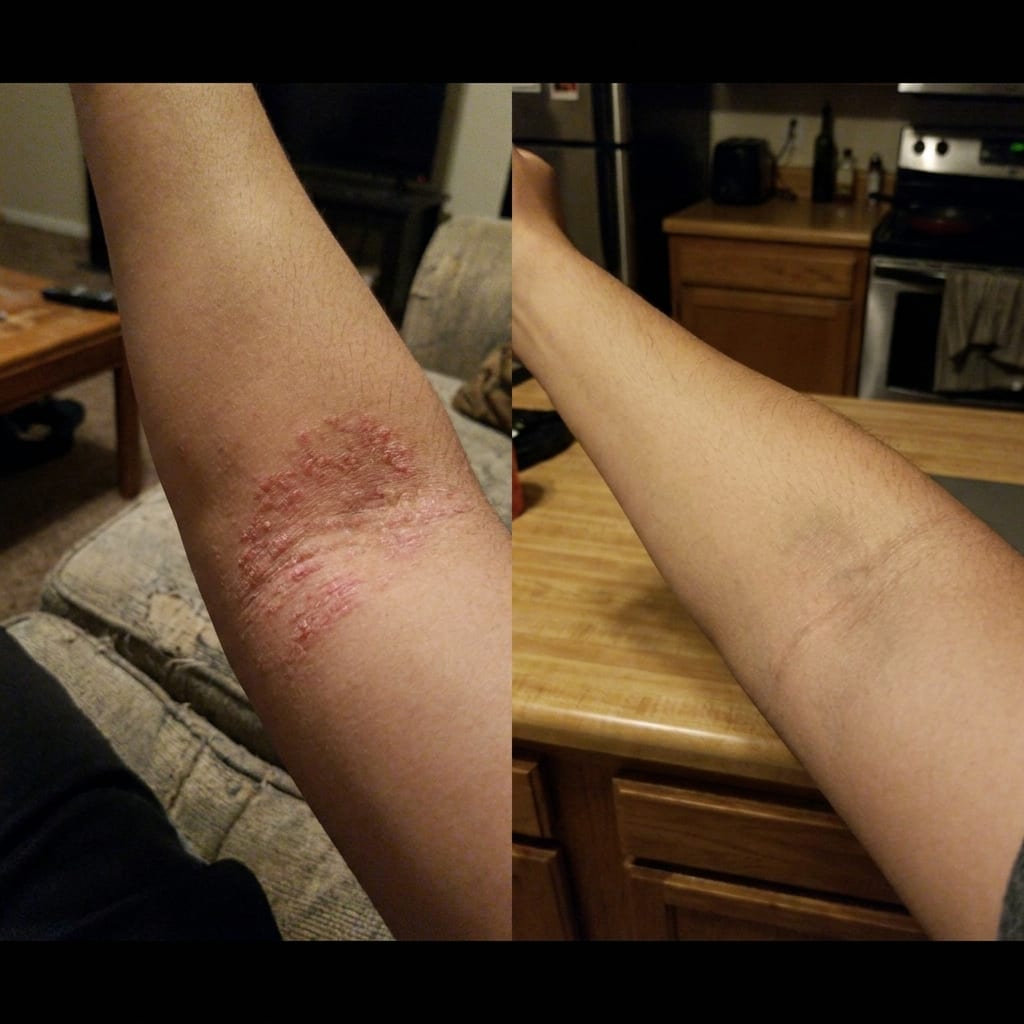
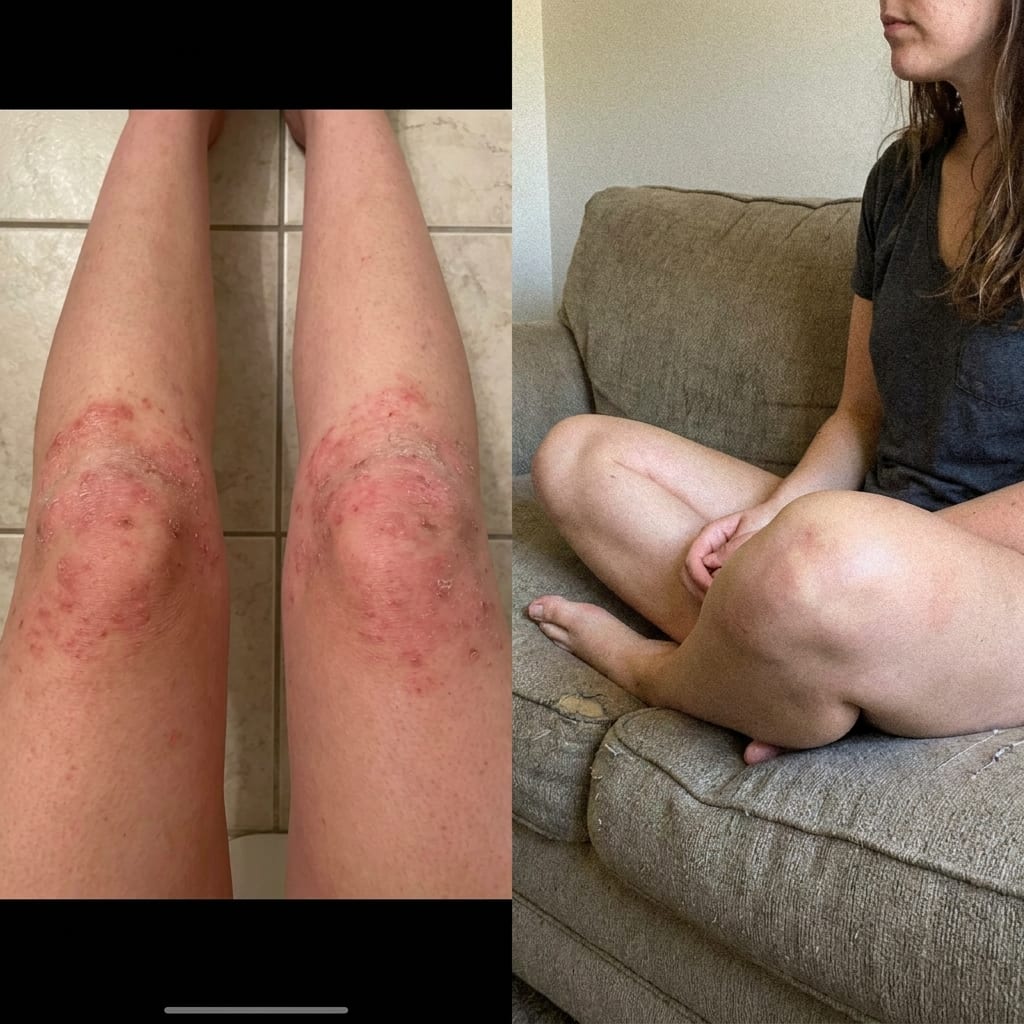
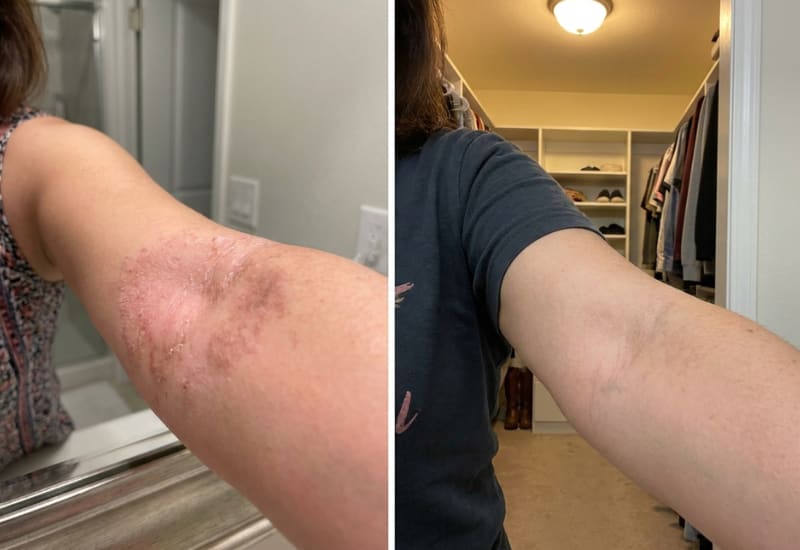 ✓ Controlled 3 wks
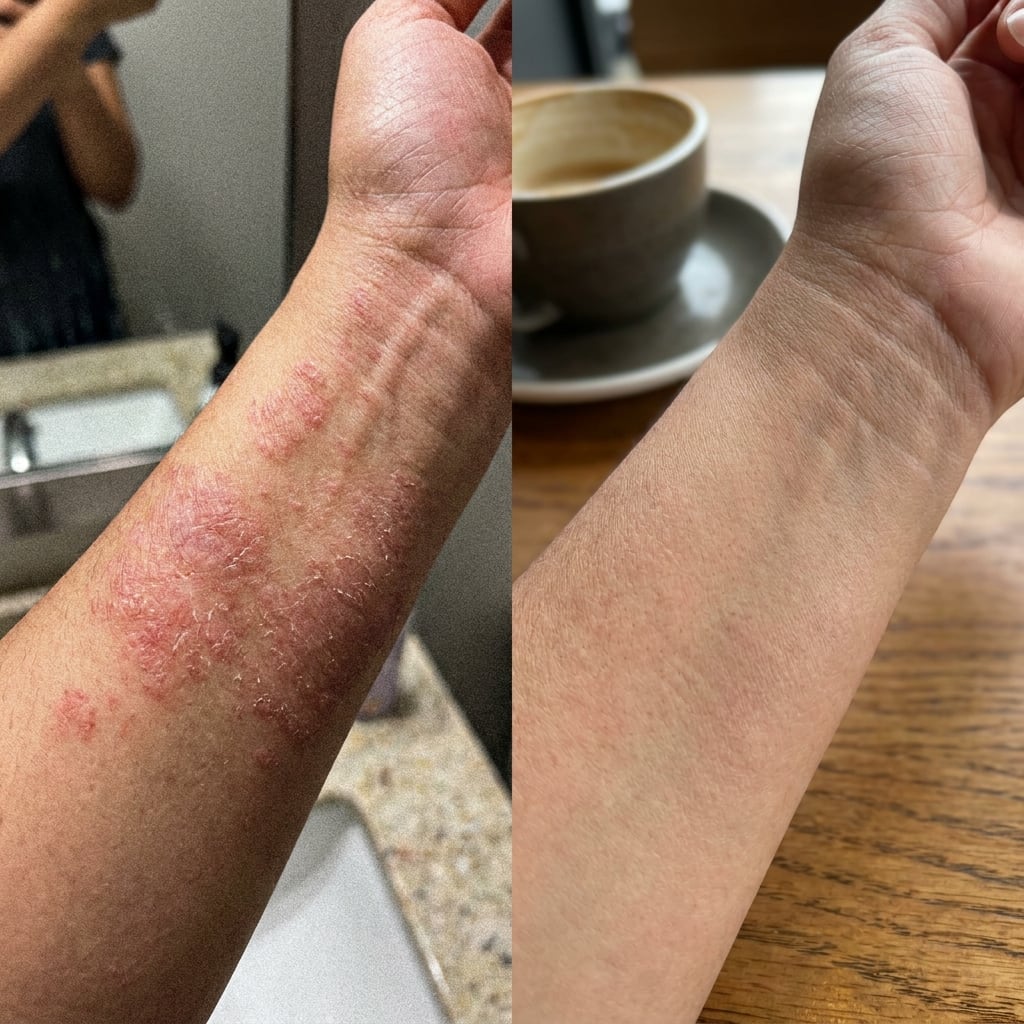
 Treatment:
Arms Eczema Solution
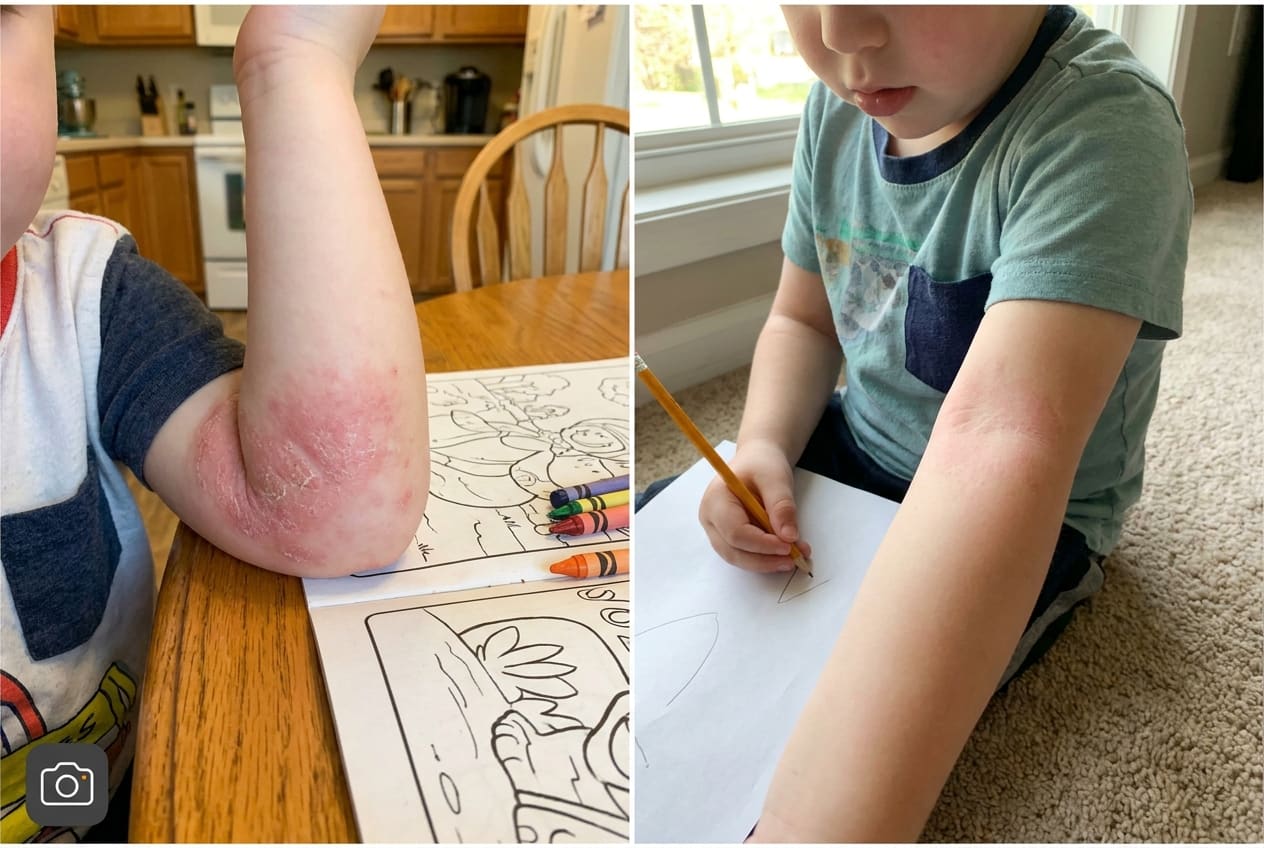
Treatment:
Arms Eczema Solution