
Cat Allergy: Symptoms, Treatment & Immunotherapy
Cat allergies are caused by the Fel d 1 protein found in cat saliva, skin, and urine — not the fur itself. About 10% of the U.S. population is allergic to cats. Immunotherapy can significantly reduce sensitivity to cat allergens over time.
Free · 5 min · Insurance accepted
What Causes Cat Allergies?

Cat allergies are triggered by proteins produced by cats, primarily Fel d 1, which is found in cat saliva, sebaceous glands, and urine.
When cats groom themselves, Fel d 1 is deposited on their fur and skin. As it dries, microscopic particles become airborne and can remain suspended for hours. Cat allergen is remarkably sticky and persistent — it has been detected in homes, schools, and public buildings even where no cats are present.
Cat Allergy Symptoms
Recognizing symptoms early helps you get the right treatment faster.
Diagnosing Cat Allergies
Cat allergy diagnosis involves clinical history and objective testing to confirm Fel d 1 sensitization.
Test from home with Curex
Skip the clinic visit. Curex sends an at-home allergy test kit to your door, and a board-certified allergist reviews your results to build a personalized treatment plan.
Take the allergy quizCompare Treatment Options
See how different approaches stack up for managing your allergy symptoms long-term.
Traditional
Allergy Shots (SCIT)
Immunotherapy (SLIT)
RecommendedTreats root cause
Long-lasting relief
At-home treatment
No office visits
Low side effects
Estimated cost
Traditional
- Treats root cause
- Long-lasting relief
- At-home treatment
- No office visits
- Low side effects
- Estimated cost
Allergy Shots (SCIT)
- Treats root cause
- Long-lasting relief
- At-home treatment
- No office visits
- Low side effects
- Estimated cost
Immunotherapy (SLIT)
Recommended- Treats root cause
- Long-lasting relief
- At-home treatment
- No office visits
- Low side effects
- Estimated cost
The long-term solution to allergies
Instead of masking symptoms, immunotherapy retrains your immune system.
Cat allergen immunotherapy has shown promising results in clinical studies. By gradually exposing the immune system to Fel d 1, treatment shifts the allergic response toward tolerance. In a real-world Curex study of 2,897 patients on at-home sublingual immunotherapy, clinically meaningful symptom improvement rose to 45% of patients by two years, with quality-of-life improvement reaching 90.7%, adherence above 90%, and no anaphylaxis reported.
Test & Diagnose
An at-home allergy test identifies your specific triggers with clinical-grade accuracy.
Custom Sublingual Drops
A personalized formula is created for your allergen profile, taken daily under the tongue.
Build Lasting Tolerance
Your immune system gradually learns to tolerate allergens, reducing symptoms over time.
“Studies show 60-70% of patients achieve significant symptom reduction, with many able to comfortably live with cats after completing treatment.”
Treat your Cat Dander allergy at the source
See if at-home sublingual allergy drops fit your allergies — a 2-minute quiz, designed by board-certified allergists, with no needles and no clinic visits.
- MD-ledBoard-certified allergists
- Plan-specificPricing · Confirm your quote
- 50K+Patients treated
- HSA/FSAEligible
Living With Cat Dander Allergy
Prevention Tips
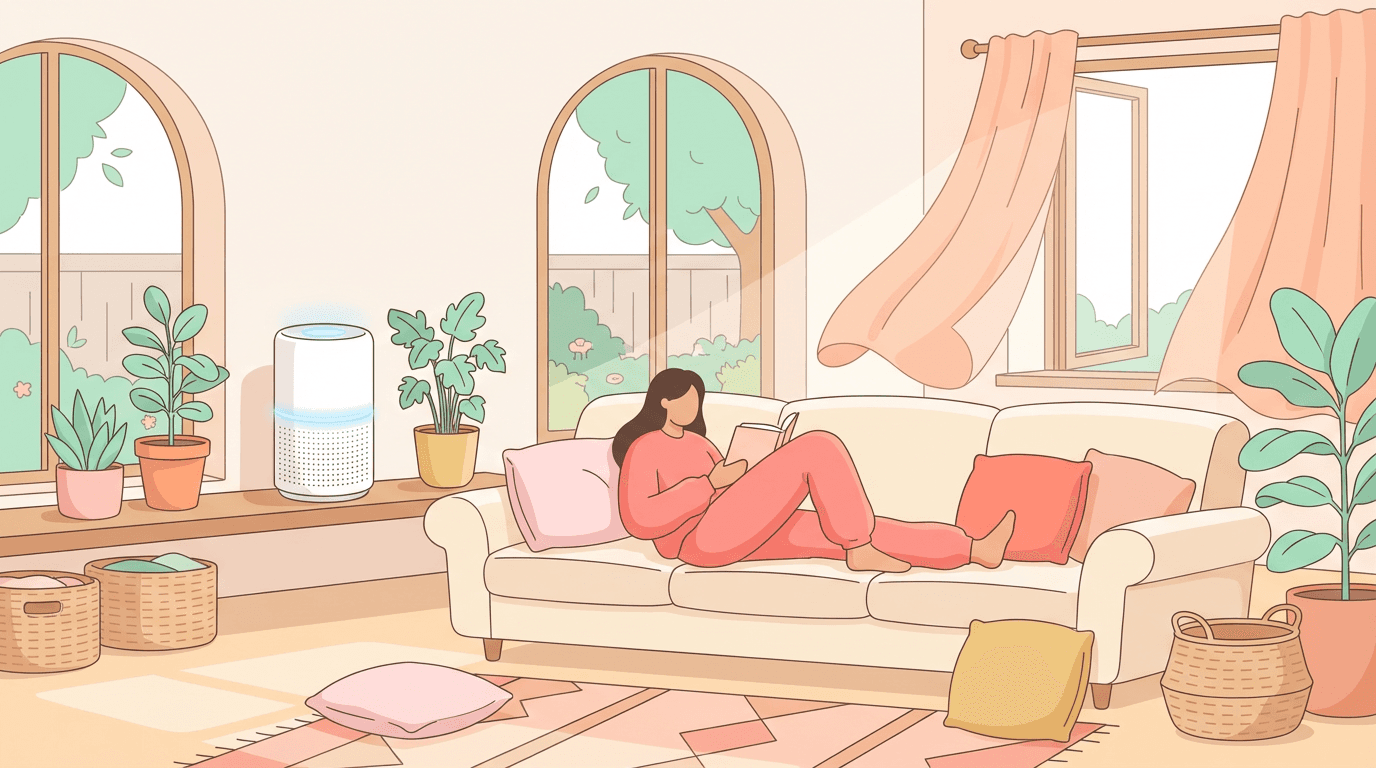
Designating the bedroom as a cat-free zone reduces nighttime allergen exposure and improves sleep quality.
HEPA filters can capture airborne cat allergen particles. Place one in the bedroom and main living areas.
Avoid touching your face after petting cats and wash hands thoroughly to prevent transferring allergen to eyes and nose.
Frequently Asked Questions
No cat breed is truly hypoallergenic. Some breeds (like Siberian or Balinese) may produce less Fel d 1 protein, but all cats produce the allergen. Individual variation within breeds is greater than between breeds.
Yes, it's possible to develop cat allergies at any age, even if you've lived with cats before without problems. Allergic sensitization can occur after repeated exposure over time.
Cat allergens can persist in a home for 4-6 months after a cat is removed, even with thorough cleaning. The sticky nature of Fel d 1 means it adheres to walls, furniture, and fabrics.
Medical References
- [1]Tharpe C, et al. Real-world outcomes of personalized sublingual immunotherapy for environmental allergies delivered through a telemedicine platform. Frontiers in Allergy. 2026;7:1865860.
- [2]Schaffer FM, Naples AR, Ebeling M, Hulsey TC, Garner LM. The safety of self-administered allergen immunotherapy during the buildup and maintenance phases. Int Forum Allergy Rhinol. 2015;5(2):149-156.
This content is for informational purposes only and does not constitute medical advice, diagnosis, or treatment. Always consult a qualified healthcare provider with questions about a medical condition. Content reviewed by board-certified allergists at Curex.
Ready to treat your Cat Dander allergies for good?
Get a personalized treatment plan from board-certified allergists, delivered to your door.
Reviewed by board-certified allergists. Personalized treatment plans based on your at-home IgE test, not generic protocols.
Compare Curex plan pricingQuestions about Curex itself?
Straight answers about the company, the evidence, what patients report, and what it costs — including the parts that are not flattering.