


In Stock (Ships in 1-2 Business Days)
Tirzepatide Injections
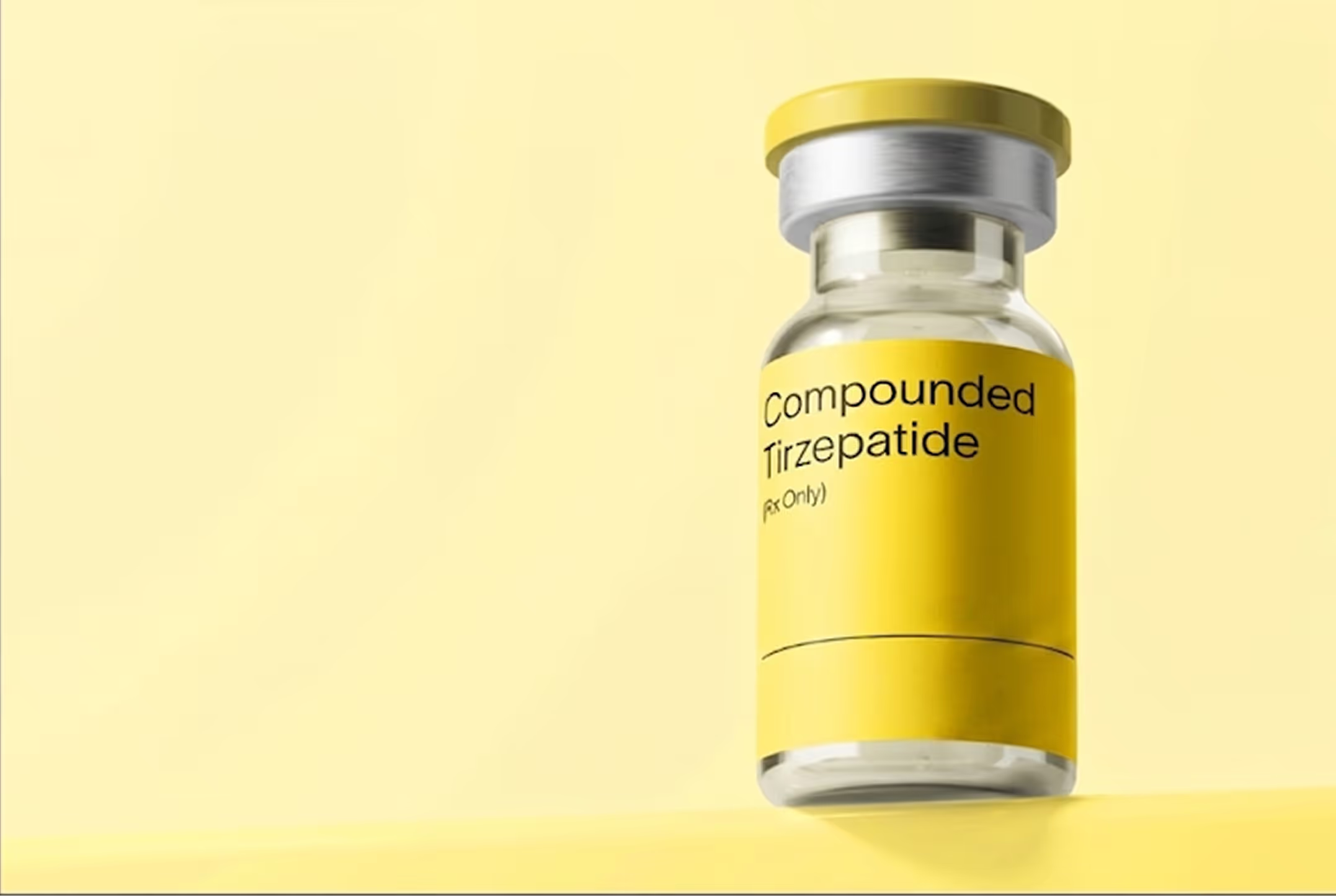
Tirzepatide Injections
Personalized prescription GLP-1 medication
From $249. Includes medication and prescription. No membership fees ever.
Do I need insurance?
No, Curex doesn’t require insurance. We offer clear and simple pricing, along with affordable medication options, making it easy and accessible to take care of your health.
Can I pay with my HSA/FSA card?
Yes! You can pay with your HSA or FSA card.
Is tirzepatide offered in my state?
Currently, we do not serve Alaska, Arkansas, Connecticut, Hawaii, Massachusetts, New Mexico and Missouri. However, we are always working to expand our reach, so stay in touch with us at hi@getcurex.com.
CUREX HAS BEEN FEATURED IN


Curex makes it simple

Complete Form
It takes just a few minutes to complete some questions about your medical history.

Provider Review
A medical provider will review your intake and recommend treatment, if appropriate.

Free Shipping
Your medication ships free directly to your door, if prescribed.

Ongoing Support
Get unlimited access to follow-ups, adjustments, and reviews of lab results for best results.
Medication you can trust
Our GLP-1 medication is delivered straight to your doorstep from a state-licensed pharmacy within our reliable network, ensuring you receive your medication when you need it.
Each pharmacy in our network undergoes rigorous third-party testing through FDA and DEA certified labs.

GLP-1 treatment tailored to you
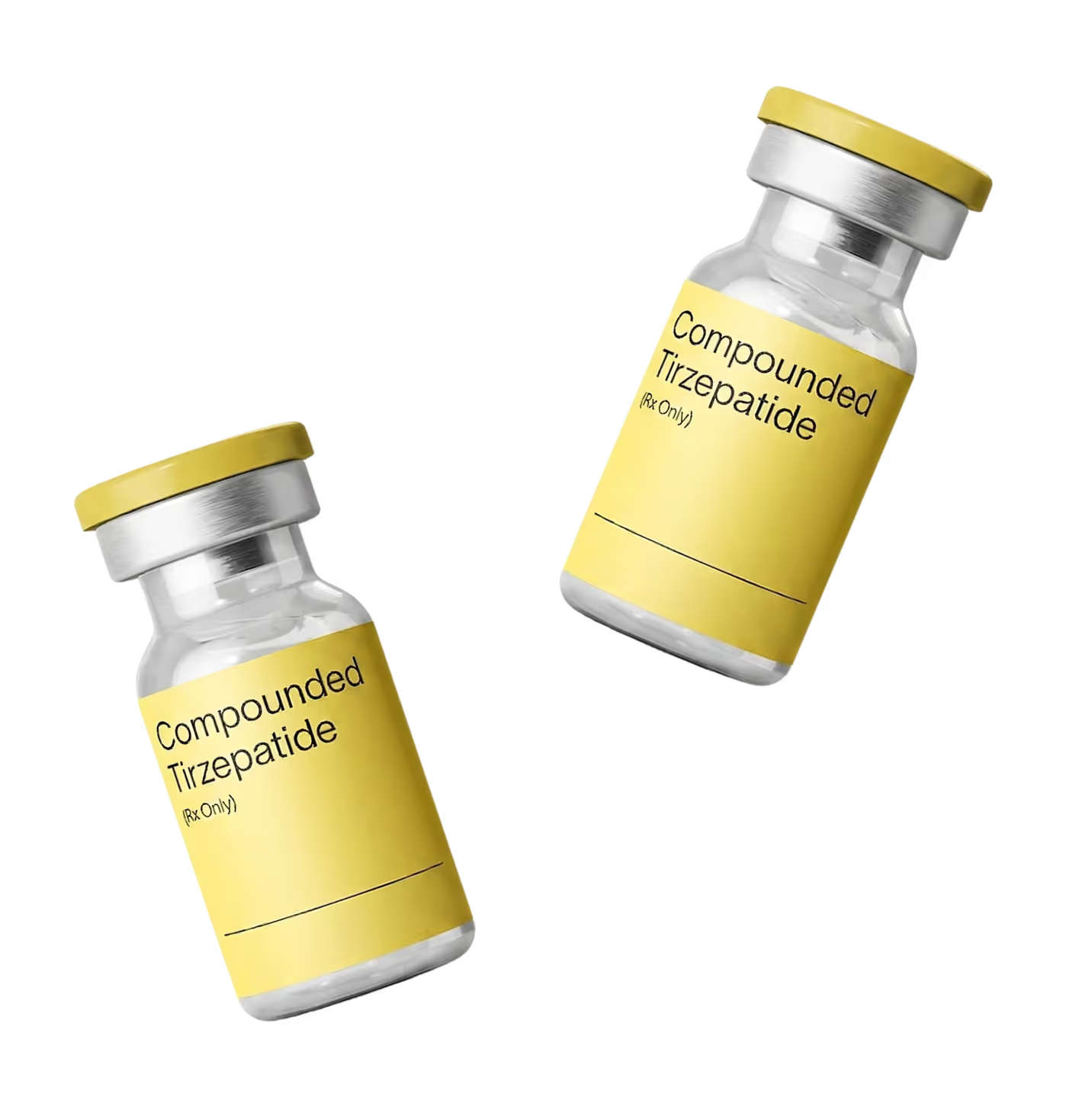
Initial Dosage
Your initial medication and dosage are carefully determined by doctors, taking into account your unique health profile. This ensures a personalized and safe treatment plan tailored to your specific needs.
Titration
We gradually adjust your dosage to reach the optimal therapeutic level, ensuring maximum effectiveness while minimizing potential side effects.
Additional Treatments
Our providers may also recommend medications such as metformin or supplements such as vitamin B12. We recognize the importance of managing side effects, so your care plan may include medication to alleviate them.
Curex is one of America’s largest telehealth providers
Together with our partners we have changed the lives of over 300,000 patients. Here’s what some of them have to say:

Need assistance? We’re here to help.
Call or Text Us
(857) 240-1080Email Us
hi@getcurex.com