August 4, 2026
3 Historical Figures Whose Allergies Actually Changed History
Allergies feel like a modern inconvenience, something you manage with a pill or a QR-coded menu. But people have been reacting badly to pollen, animals, and food for as long as we've kept records. A few cases are documented well enough that historians and allergists still argue over them today.

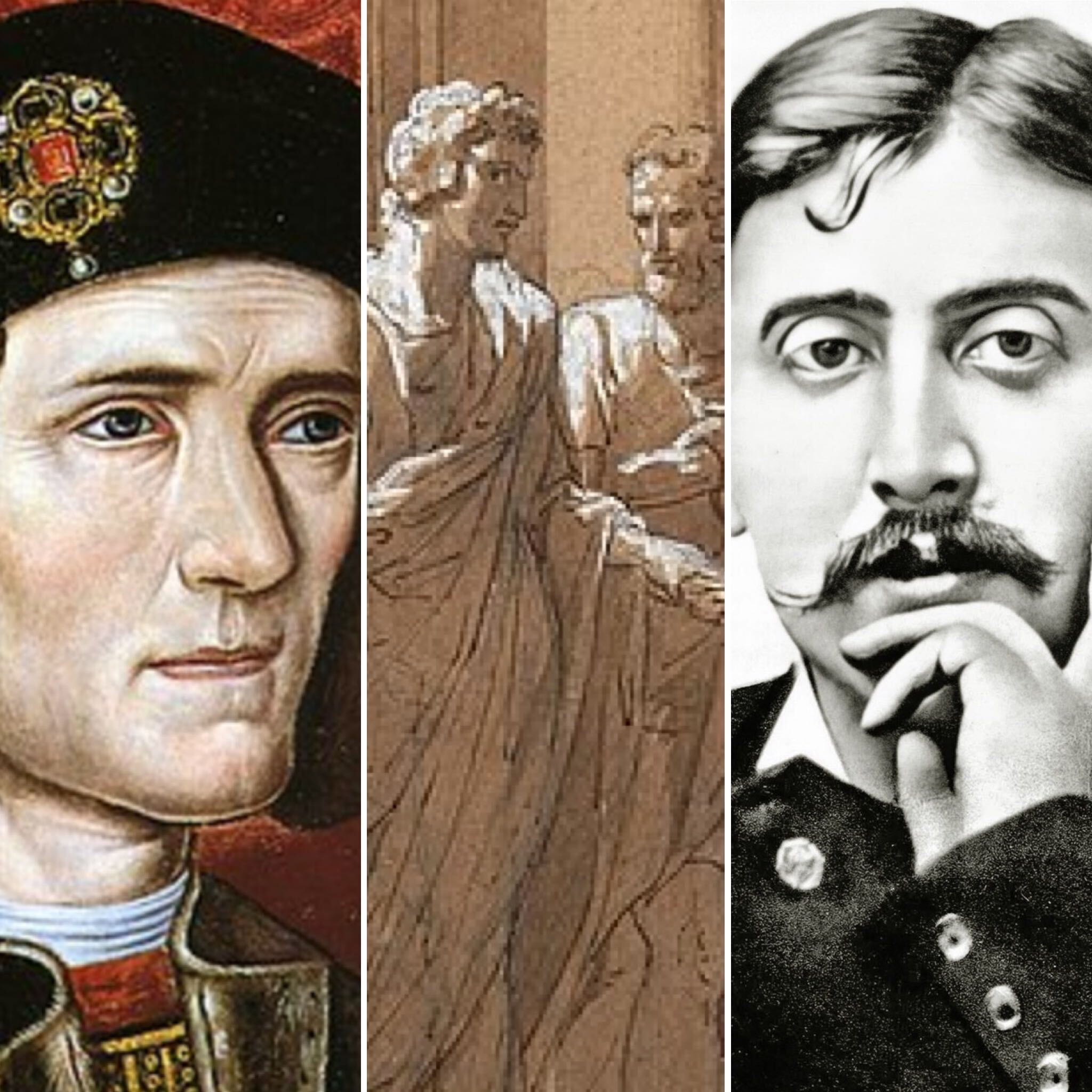
Richard III's Strawberry Accusation
In 1483, King Richard III accused Lord William Hastings of witchcraft after breaking out in a sudden rash, then had him beheaded that same day. Sir Thomas More's account has Richard requesting strawberries from Cardinal Morton's garden shortly before the reaction. Some historians, including a physician writing in the British Medical Journal, have proposed that Richard knew he was allergic to strawberries and ate them deliberately to fake a curse and justify killing a political rival. Whether that's true or just a good story is still debated, but it's one of the earliest recorded cases of someone possibly weaponizing their own allergy.
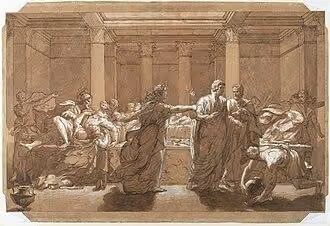
Rome's Allergic Dynasty
The Julio-Claudian family that ruled Rome had what modern allergists call a positive family history of atopy. Emperor Augustus reportedly had asthma-like breathing trouble, seasonal rhinitis, and an itchy skin condition consistent with eczema. His successor Claudius suffered from chronic rhinoconjunctivitis. Claudius's son Britannicus had it worst: ancient sources describe him breaking out in a rash and swelling around the eyes whenever he was near horses, badly enough that he couldn't see. Because of it, Britannicus lost the honor of leading a ceremonial cavalry review to his adopted stepbrother, Nero, who would later have him killed.

Marcel Proust's Cork-Lined Room
Proust had his first asthma attack at age 9 and spent the rest of his life managing severe allergies to pollen, dust, mold, and perfume. By his thirties he'd become a recluse, working from a cork-lined bedroom specifically to filter out the noise, dust, and scent of the outside world. His housekeeper recalled that he couldn't tolerate any perfume or scented soap without triggering an attack. Proust died at 51 from complications tied to a lifetime of unmanaged respiratory allergy, in an era decades before allergists understood what was happening to him.
The Pattern Worth Noticing
None of these men had a word for what was happening to them. "Allergy" wasn't coined until 1906, and IgE antibodies weren't identified until 1967. What they had instead was avoidance, superstition, or in Britannicus's case, a permanent ban from horses. It's a useful reminder of how recent real treatment options actually are, and how much of managing an allergy used to just mean living around it.
References
The Meaning of Strawberries in Shakespeare. Lawrence J. Ross.
History of Allergy in Antiquity. PubMed.
Allergy and Atopy Is Not a Disease of Civilization.
Marcel Proust (1871-1922): reassessment of his asthma and other maladies. PubMed.
Marcel Proust: Of chamber pots and vessels of perfume. Nez, The Olfactory Magazine.