


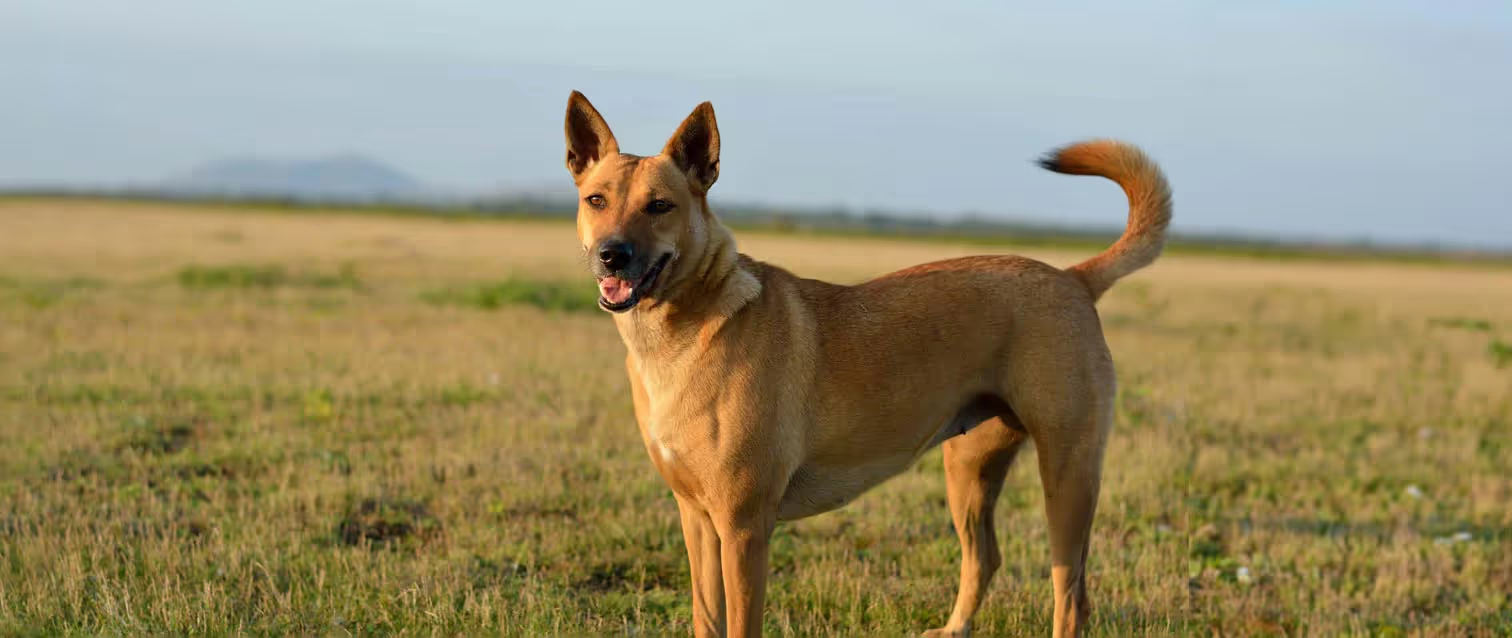
Is American Dingo hypoallergenic?
The American Dingo, also known as the Carolina Dog, is not considered hypoallergenic. They shed moderately throughout the year, which can release dander and trigger allergies in sensitive individuals.
The American Dingo is a medium-sized, highly intelligent, and energetic breed known for its primitive and natural qualities. They have short coats that require regular grooming to manage shedding. Despite being clean animals with relatively low grooming needs compared to some breeds, their dander, saliva, and shedding fur can still cause allergic reactions.
Factors that make American Dingo more allergenic include:
- Moderate shedding, contributing to dander dispersion.
- Natural oils in their skin that can carry allergens.
- Frequent outdoor activity, which can bring in pollen and other allergens.
Want a pet to cuddle without any worries? Try immunotherapy with Curex!
Take a QuizCommon Symptoms of American Dingo Allergies
- Sneezing
- Runny or Stuffy Nose
- Coughing
- Itchy or Watery Eyes
- Skin Rash or Hives
- Shortness of Breath
- Wheezing
- Itchy Throat or Ear Canals
- Facial Pain (due to nasal congestion)
- Swollen, Blue-colored Skin Under the Eyes
Best Hypoallergenic Dogs Like American Dingo
Portuguese Water Dog
- Known for their curly and hypoallergenic coat, Portuguese Water Dogs are a great choice for people with allergies. They are energetic and love to swim, making them ideal for active families.
Poodle (Miniature, Toy, and Standard)
- Poodles are well-regarded for their intelligence and hypoallergenic qualities. Available in various sizes, they fit well into different living environments and are easy to train.
Bichon Frise
- With their soft, curly coat, Bichon Frises are another great option for allergy sufferers. They are friendly, cheerful, and make excellent companions for families and individuals alike.
Havanese
- Havanese dogs have a silky, long coat that is relatively hypoallergenic. These dogs are known for their gentle and affectionate nature, making them great pets for people with allergies.
Maltese
The Maltese has a long, flowing coat that is less likely to trigger allergies. These small dogs are friendly and loving, often forming strong bonds with their owners.
Soft Coated Wheaten Terrier
- True to their name, these terriers have a soft, wheaten-colored coat that sheds less, making them suitable for people with allergies. They are energetic and need regular exercise.
Yorkshire Terrier
- With a fine, silky coat, Yorkshire Terriers are considered hypoallergenic. They are small, but full of personality, and are suitable for both apartments and houses.
Shih Tzu
- Shih Tzus have long, flowing coats that are less likely to cause allergic reactions. These dogs are affectionate and often enjoy being the center of attention.
Schnauzer
- Available in Miniature, Standard, and Giant sizes, Schnauzers have wiry coats that shed less and tend to be hypoallergenic. They are known for being alert and can serve as good watchdogs.
Basenji
- Known as the "barkless dog," Basenjis have short, fine coats that are less likely to trigger allergies. They are independent and known for their cat-like grooming habits.
How to Relieve American Dingo Allergy Symptoms
If you're experiencing allergy symptoms due to an American Dingo, there are several strategies you can consider to alleviate your discomfort:
Curex - Immunotherapy
One option to manage allergies to American Dingoes is Curex immunotherapy. This treatment involves exposing you to small doses of the allergens over time, which can help your immune system become less reactive. It is important to consult with an allergist to determine if this is a suitable option for you.
Medication
Over-the-counter antihistamines, decongestants, and nasal corticosteroids can help manage symptoms. For more severe cases, your doctor might prescribe stronger medications.
Air Purifiers
Air purifiers with HEPA filters can significantly reduce allergens in your home. Place these in areas where your American Dingo spends the most time to help remove dander and other particles from the air.
Regular Cleaning
Frequent cleaning can help reduce allergens. Vacuum carpets, wash pet bedding, and clean upholstered furniture regularly. Using a vacuum with a HEPA filter can be particularly effective.
Restrict Pet Access
Limiting your American Dingo's access to certain areas of the home, especially the bedroom, can help minimize allergen exposure.
Bathing the Dingo
Regularly bathing and grooming your American Dingo can decrease the amount of dander and loose fur. Make sure to use pet-safe products and consult with a veterinarian to determine the best bathing schedule.
Wash Hands and Clothes
Wash your hands after petting or playing with your Dingo and avoid touching your face. It can also be helpful to change clothes if you have had extensive contact with the animal.


