


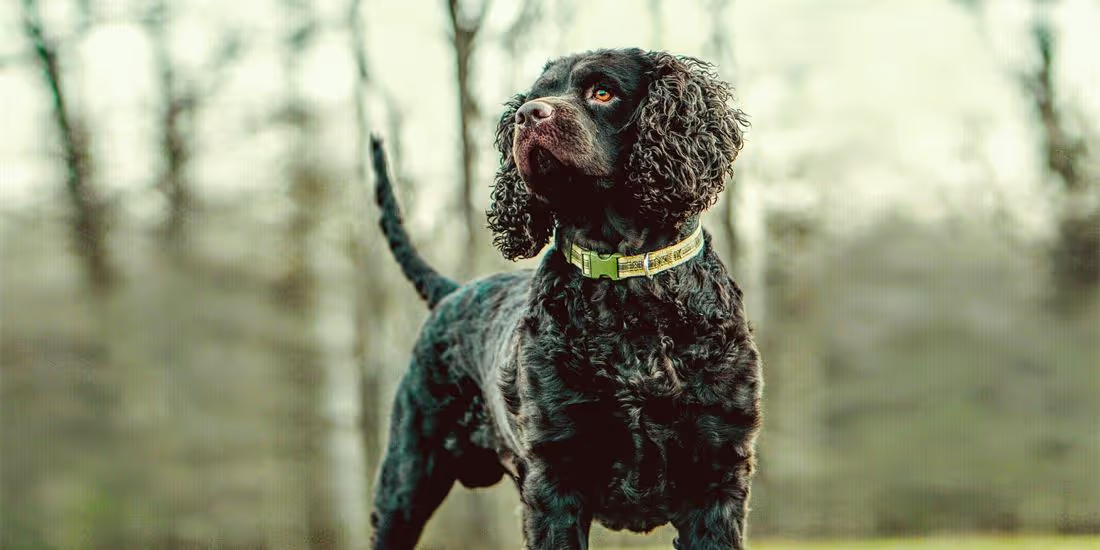
Is American Water Spaniel hypoallergenic?
The American Water Spaniel is not considered hypoallergenic. Although no dog breed is truly hypoallergenic, some breeds are more suitable for allergy sufferers due to lower levels of shedding and dander. The American Water Spaniel has a dense, curly or wavy coat that can trap allergens like dander and saliva, which are common triggers for allergies.
Factors that make American Water Spaniels more allergenic include:
- Their double coat, which can result in more trapped dander.
- Regular shedding, which releases dander into the environment.
- Active lifestyle, increasing the likelihood of spreading allergens.
Want a pet to cuddle without any worries? Try immunotherapy with Curex!
Take a QuizCommon Symptoms of American Water Spaniel Allergies
- Sneezing: Frequent sneezing when around the American Water Spaniel.
- Runny or Stuffy Nose: Persistent nasal congestion or a runny nose.
- Watery or Itchy Eyes: Red, swollen, or irritated eyes.
- Skin Reactions: Hives, rashes, or eczema flare-ups upon contact.
- Coughing and Wheezing: Respiratory symptoms like a cough or wheeze.
- Shortness of Breath: Difficulty breathing or a feeling of tightness in the chest.
- Itchy Throat or Mouth: A tingling or itching sensation in the throat or mouth.
- Fatigue: General feeling of tiredness or fatigue.
Best Hypoallergenic Dogs Like American Water Spaniel
American Water Spaniel
Known for its curly coat that minimizes shedding, the American Water Spaniel is often cited as a hypoallergenic dog. These athletic and playful dogs can make great companions for those with allergies.Poodle (Standard, Miniature, Toy)
Poodles have a dense, curly coat that sheds minimally and traps dander. Their intelligence and versatility make them a popular hypoallergenic choice.Bichon Frise
The Bichon Frise has a double coat with a soft undercoat and curly outer coat which helps to reduce the spread of dander. They are known for their cheerful and affectionate nature.
Portuguese Water Dog
With a curly or wavy coat that doesn't shed much, the Portuguese Water Dog is another excellent hypoallergenic option. They are energetic and love water activities.Schnauzer (Miniature, Standard, Giant)
Schnauzers have a wiry outer coat that requires regular grooming but is less likely to cause allergic reactions. They are known for their alertness and strong protective instincts.Yorkshire Terrier
The Yorkshire Terrier has fine hair that is more like human hair, which reduces the amount of dander. They are small, intelligent, and make great companions.
Havanese
With a silky, non-shedding coat, the Havanese is another hypoallergenic breed that is affectionate and friendly. They require regular grooming to keep their coat in good condition.Shih Tzu
The Shih Tzu’s long, flowing coat does not shed much, making it a suitable breed for allergy sufferers. They are known for their loving and loyal personality.Maltese
Maltese dogs have a long, silky coat that sheds very little and is considered hypoallergenic. They are gentle, playful, and great for families.
- Lagotto Romagnolo
The Lagotto Romagnolo has a curly, woolly coat that doesn't shed much, making it a popular choice for those with allergies. They are known for their excellent truffle-hunting abilities and friendly demeanor.
How to Relieve American Water Spaniel Allergy Symptoms
To manage symptoms of an allergy to an American Water Spaniel, consider the following approaches:
1. Minimize Exposure
- Create Dog-Free Zones: Designate specific areas in your home where the dog is not allowed, such as bedrooms, to reduce the presence of allergens.
- Regular Cleaning: Vacuum frequently with a vacuum equipped with a HEPA filter. Wash dog bedding, toys, and soft furnishings regularly to minimize dander accumulation.
- Air Purifiers: Use HEPA air purifiers to reduce airborne allergens.
2. Grooming and Care
- Bathing: Regularly bathe your American Water Spaniel using dander-reducing shampoos to lower the amount of allergens.
- Brushing: Brush your dog outdoors to keep dander from spreading inside the home.
3. Personal Care
- Hand Washing: Wash your hands after petting or playing with your dog.
- Clothing: Change clothes after prolonged exposure to the dog to avoid carrying allergens with you.
4. Medical Options
- Antihistamines: Over-the-counter antihistamines can help alleviate symptoms like sneezing, runny nose, and itchy eyes.
- Nasal Sprays: Steroid nasal sprays can reduce inflammation and treat nasal symptoms effectively.
5. Curex - Immunotherapy
- Curex Immunotherapy: Consider Curex, a form of immunotherapy that gradually desensitizes the immune system to dog allergens. This treatment involves taking regular doses of allergen extracts, which over time can reduce the severity of allergic reactions. Always consult with an allergist before starting any immunotherapy treatment.
Implementing these strategies can significantly diminish allergy symptoms and make living with an American Water Spaniel more comfortable.


