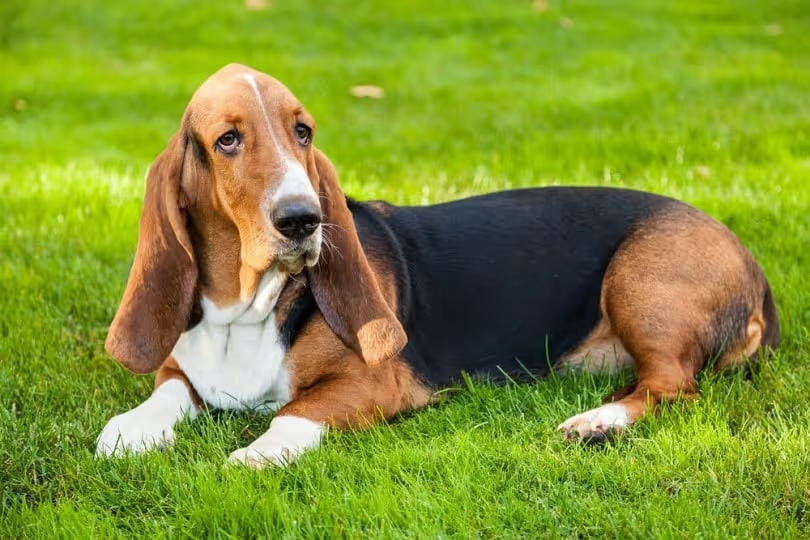
Allergy to Basset Hound 101: Factors & Overview

Find out if Basset Hounds are hypoallergenic, their symptoms, bathing tips to reduce allergies, and explore alternative hypoallergenic dog breeds in our detailed guide.

Is Basset Hound hypoallergenic?

No, Basset Hounds are not considered hypoallergenic. They tend to shed a moderate amount and produce dander, which can trigger allergies. Their droopy skin and ears may also harbor debris and allergens, exacerbating reactions in sensitive individuals.

Basset Hounds are known for their long ears, short legs, and strong sense of smell. Despite their charming appearance and gentle nature, they can be problematic for people with allergies. Their shedding and drooling contribute to the spread of allergens, including dander, which is a common allergen. Regular grooming can help manage some of these issues but doesn't eliminate the allergens entirely. Furthermore, their skin folds and ears can trap moisture and bacteria, increasing the likelihood of skin issues that might release more allergens into the environment.

Want a pet to cuddle without any worries? Try immunotherapy with Curex!

Take a Quiz

Common Symptoms of Basset Hound Allergies

  • Sneezing: Frequent bouts of sneezing can be a common reaction.
  • Runny or Stuffy Nose: Nasal congestion or a runny nose might occur.
  • Itchy, Red Eyes: Eyes may become irritated, itchy, or red.
  • Coughing: Persistent coughing is another typical symptom.
  • Wheezing: A whistling sound when breathing can be a sign.
  • Shortness of Breath: Trouble breathing or a feeling of tightness in the chest.
  • Skin Reactions: Itchy skin, rashes, or hives can develop, especially where contact with the dog has occurred.
  • Facial Pain: Sinus pressure and pain can occur due to nasal congestion.
  • Fatigue: Allergic reactions can sometimes lead to general fatigue and tiredness.
  • Asthma Symptoms: Existing asthma can be aggravated, causing more frequent or severe attacks.

Best Hypoallergenic Dogs Like Basset Hound

  • Poodle

  • Available in three sizes: Toy, Miniature, and Standard.

  • Curly, hypoallergenic coat that requires regular grooming.

  • Highly intelligent and easily trained.

  • Portuguese Water Dog

  • Curly or wavy coat that is hypoallergenic.

  • Energetic and needs regular exercise.

  • Friendly and good with families.

  • Shih Tzu

  • Long, flowing coat that produces minimal dander.

  • Gentle and affectionate temperament.

  • Requires daily grooming to prevent matting.

  • Maltese

  • Long, silky coat that doesn’t shed much.

  • Small, adaptable, and suitable for apartment living.

  • Requires regular grooming and maintenance.

  • Bichon Frise

  • Curly, hypoallergenic coat.

  • Cheerful and playful personality.

  • Needs regular grooming to keep the coat in good condition.

  • Schnauzer

  • Comes in three sizes: Miniature, Standard, and Giant.

  • Hypoallergenic, wiry coat.

  • Intelligent, loyal, and protective.

  • Yorkshire Terrier

  • Long, silky coat that produces minimal dander.

  • Small size, making it suitable for various living situations.

  • Requires regular grooming.

  • Havanese

  • Silky coat that produces little dander.

  • Small, friendly, and adaptable to different environments.

  • Needs regular grooming and exercise.

How to Relieve Basset Hound Allergy Symptoms

If you're experiencing allergy symptoms due to a Basset Hound, there are several strategies you can employ to alleviate these symptoms. Here are some practical solutions:

  • Regular Cleaning: Regularly clean your home to reduce the amount of pet dander. This includes vacuuming floors, carpets, and upholstery. Use a vacuum with a HEPA filter to trap allergens more effectively.

  • Air Purifiers: Invest in an air purifier with a HEPA filter to help remove airborne pet dander from your environment.

  • Limit Exposure: Create pet-free zones in your home, like the bedroom, to reduce prolonged exposure to allergens.

  • Frequent Bathing: Bathing your Basset Hound regularly can help reduce the amount of dander and allergens on their fur.

  • Medications: Over-the-counter antihistamines can be helpful in managing mild allergy symptoms. Consult with a healthcare provider for stronger prescription options if needed.

  • Consult an Allergist: For chronic or severe allergies, consulting an allergist might be beneficial. They can provide you with more tailored advice and treatment options.

  • Curex - Immunotherapy: Curex offers a form of immunotherapy that can help build your tolerance to pet allergens over time. This treatment gradually exposes you to small amounts of the allergen, potentially reducing your allergy symptoms in the long run.

Schedule Now - $49

Review your allergy test results with a Curex allergist.

How Often Should I Bathe my Basset Hound to Reduce Allergens?

Basset Hounds are a beloved breed known for their droopy ears and soulful eyes, but they also have a reputation for being a bit on the smelly side. Regular bathing can help reduce allergens, maintain their coat, and keep them smelling fresh. Here's a guide to how often you should bathe your Basset Hound to minimize allergens:

  • Every 4-6 weeks: Typically, Basset Hounds benefit from a bath every 4 to 6 weeks. This schedule helps manage the production of oils in their skin and can reduce the accumulation of allergens like dander.

  • After exposure to allergens: If your Basset Hound has been outdoors and exposed to potential allergens, such as pollen or dust, a bath soon after can help minimize these allergens.

  • Seasonal adjustments: Depending on the season and your dog's activity level, you might need to adjust the frequency. During spring and summer, when allergens are more prevalent and your dog is likely to spend more time outside, you might opt for more frequent baths.

  • Special medical conditions: If your dog has specific skin conditions or allergies, your vet may recommend a different bathing schedule and might suggest medicated shampoos to manage these issues effectively.

  • General observation: Pay attention to your dog’s coat and skin. If you notice excessive oiliness, dandruff, or an unpleasant odor before the 4-week mark, it might be time for an extra bath.

Use a hypoallergenic, dog-specific shampoo to reduce the risk of skin irritation and ensure you're not washing away the natural oils that keep your dog's coat healthy. Additionally, always rinse thoroughly to remove any leftover soap, as residue can also cause skin issues.

How to Recognize a Medical Emergency in Case of Basset Hound Allergy?

Recognizing a Medical Emergency in Case of Basset Hound Allergy

When someone has a severe allergic reaction to a Basset Hound, it is crucial to recognize the signs of a medical emergency promptly. Here are some key indicators:

  • Difficulty Breathing: This includes shortness of breath, wheezing, or a tight feeling in the chest. These symptoms can escalate quickly and require immediate attention.

  • Swelling: Look for swelling of the face, lips, tongue, or throat. This can obstruct airways and lead to significant breathing difficulties.

  • Hives and Rash: While less severe reactions might include a mild rash, extensive hives (also known as urticaria) and intensely itchy areas on the skin can signal a severe reaction.

  • Rapid or Weak Pulse: An allergic reaction can affect the cardiovascular system, causing an irregular heartbeat or a weak pulse, indicating a drop in blood pressure.

  • Dizziness or Fainting: Light-headedness, dizziness, or fainting may suggest that the reaction is affecting blood pressure and circulation.

  • Nausea or Vomiting: Severe allergic reactions can involve gastrointestinal symptoms like nausea, vomiting, or diarrhea.

  • Confusion or Loss of Consciousness: Altered mental status or confusion, up to and including loss of consciousness, are serious signs that necessitate urgent medical help.

If any of these symptoms are observed, it is imperative to seek medical emergency services immediately. Administering an epinephrine injection, if available and prescribed for the person, can be a critical step while waiting for professional medical help to arrive.

Reunite with your furry friend!

(Or your roommate’s cat that knocks your coffee over every morning)

With Curex:

woman hugging cat
check icon

Spend time around pets without the symptoms.

check icon

Become less dependent on allergy meds.

check icon

Treat outdoor & indoor allergies along with pet allergies.

Without Curex:

curex allergy triggers

Practice avoidance around pets.

Frequent use of meds, drops and sprays.

Risk of developing chronic health problems.

Curex is the most convenient way to treat allergies.

No In-Person Visits

Apply treatment in seconds without wasting time in waiting rooms.

5-30x higher cumulative dose vs allergy shots

Sublingual immunotherapy delivers a higher dose of allergens over the course of treatment.

Superior safety profile

Even people suffering from severe reactions choose sublingual treatment over allergy shots!

No painful injections

Treatment is applied under-the-tongue daily, no needles or painful injections involved.

FAQs

Sign up for Free Webinar
What is Curex?
Is Curex legitimate?
What services do you offer?
Does Curex accept insurance?
Should I use insurance if I'm not sure about my deductibles or copays?
What conditions do you treat?
What is immunotherapy?
Can my child use Curex?
Does Curex treat food allergies?
What is your cancellation policy?
What's in my treatment?
How does allergy testing work?
Is sublingual immunotherapy safe?