


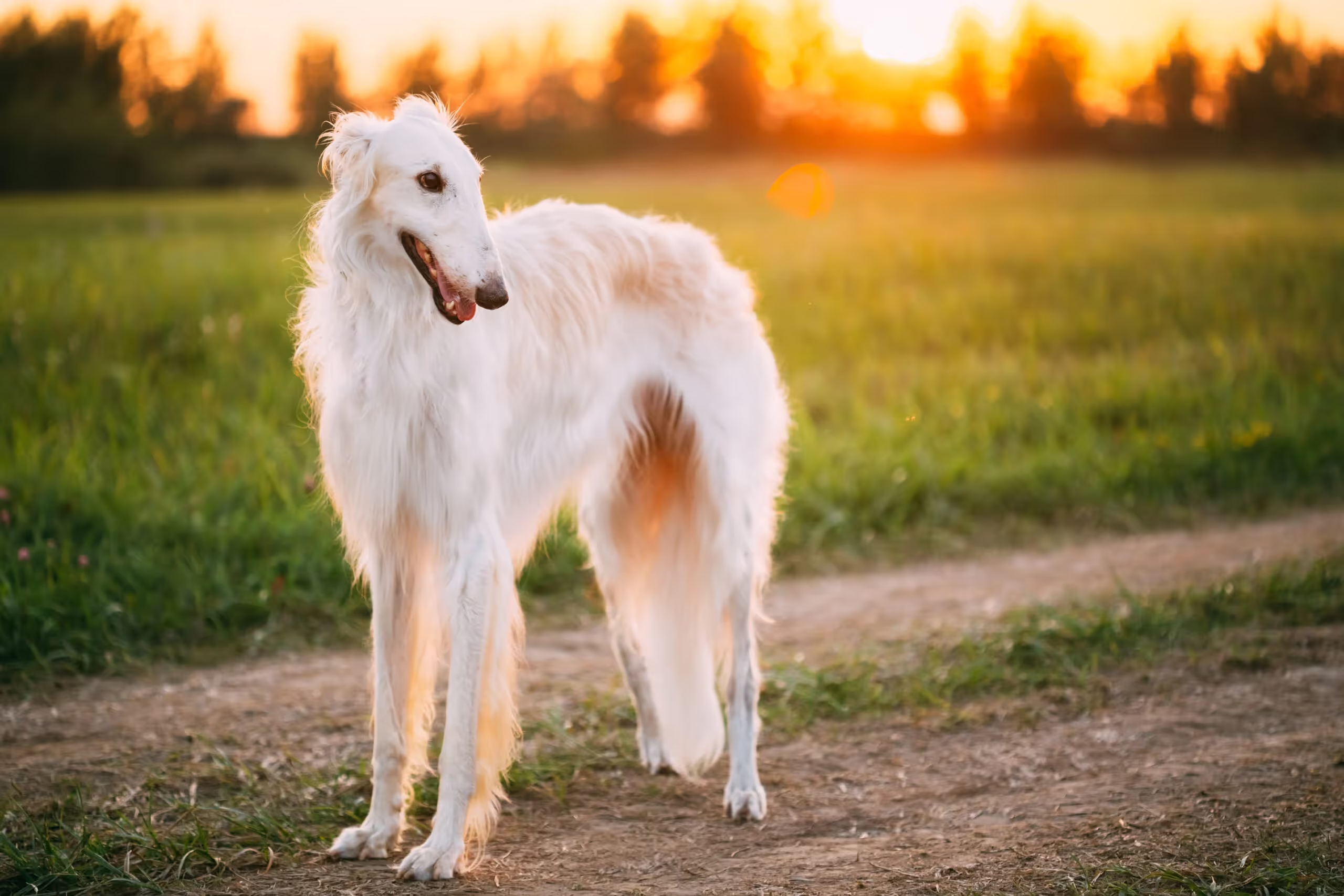
Is Borzoi hypoallergenic?
Borzoi dogs are not hypoallergenic. They shed year-round and produce dander, both of which can trigger allergies. For those with sensitivities, Borzois may not be the ideal breed.
Overview: The Borzoi, also known as the Russian Wolfhound, is a large, graceful dog breed known for its elegant appearance and gentle temperament. However, they are less suitable for allergy sufferers. The breed has a long, silky coat that requires regular grooming to manage shedding and dander.
Factors making Borzoi more allergenic:
- Shedding: Borzois have a double coat that sheds throughout the year.
- Dander Production: They produce dander, microscopic skin flakes that can trigger allergic reactions.
- Saliva: Proteins found in Borzoi saliva can also act as allergens.
Want a pet to cuddle without any worries? Try immunotherapy with Curex!
Take a QuizCommon Symptoms of Borzoi Allergies
- Sneezing: Sudden and repetitive sneezing is often one of the first signs of an allergy to a Borzoi.
- Runny or Stuffy Nose: Experiencing a persistent runny nose or nasal congestion when around the dog.
- Watery or Itchy Eyes: Red, itchy, or watery eyes can indicate an allergic reaction.
- Coughing: Ongoing coughing that worsens in the presence of a Borzoi.
- Wheezing: Difficulty breathing and wheezing can sometimes be triggered by exposure to dog allergens.
- Skin Rashes: Red, itchy, or bumpy rashes appearing on the skin after contact with the dog.
- Hives: Raised, red welts on the skin that can appear suddenly and are often quite itchy.
- Asthma Attack: In individuals with asthma, symptoms could escalate to an asthma attack, such as severe shortness of breath.
- Fatigue: General feeling of tiredness or fatigue that may be related to ongoing allergic reactions.
- Facial Pain: Pain around the nose and the forehead area, often due to sinus pressure.
Best Hypoallergenic Dogs Like Borzoi
Poodle
Poodles come in three sizes: standard, miniature, and toy. They have a curly, hypoallergenic coat that sheds minimally. Poodles are highly intelligent and trainable, making them a great choice for a pet.Portuguese Water Dog
Known for their curly, water-resistant coat, Portuguese Water Dogs are another hypoallergenic breed. They were originally bred to be working dogs and excel in agility and training.Basenji
The Basenji has a short, fine coat that sheds very little, making them a good option for allergy sufferers. They are a small, energetic, and independent breed, often known for their quiet demeanor as they seldom bark.
Soft Coated Wheaten Terrier
With a soft, silky coat, the Soft Coated Wheaten Terrier is a friendly and adaptable breed. Their single-layer coat produces less dander and sheds less than many other breeds.Bichon Frise
The Bichon Frise has a fluffy, white coat that doesn't shed much, making them hypoallergenic. They are playful, affectionate, and can be a great companion for families and individuals alike.Schnauzer
Available in three sizes — miniature, standard, and giant — Schnauzers have a wiry coat that is less likely to cause allergies. They are known for their spirited and energetic nature.
- Lagotto Romagnolo
Originally bred for truffle hunting, the Lagotto Romagnolo has a curly, dense coat that is hypoallergenic. They are known for their keen nose and are highly trainable and affectionate.
How to Relieve Borzoi Allergy Symptoms
Experiencing symptoms from a Borzoi allergy can be difficult, but there are several strategies to help alleviate discomfort:
Avoid Direct Contact: Limit your direct interaction with the Borzoi as much as possible. This means avoiding petting, hugging, or allowing the dog to lick you.
Clean Living Spaces Regularly: Pet dander can settle in furniture, carpets, and bedding. Frequent vacuuming and washing of these items can reduce allergen levels in your home. Consider using a vacuum with a HEPA filter for better results.
Use Air Purifiers: High-efficiency particulate air (HEPA) purifiers can help remove airborne allergens such as pet dander. Place them in commonly used rooms to reduce allergen presence.
Create Allergen-Free Zones: Designate certain areas of your home as pet-free zones, particularly your bedroom, to minimize exposure to allergens during sleep.
Medications: Over-the-counter antihistamines, decongestants, or nasal corticosteroids can provide relief from allergy symptoms. Always consult with a healthcare professional before starting any new medication.
Frequent Pet Grooming: Bathing and brushing your Borzoi regularly can help reduce the amount of dander they shed. Be sure to use pet-safe grooming products and consider professional grooming services.
- Curex - Immunotherapy: This is a long-term treatment option where you are gradually exposed to increasing amounts of Borzoi allergens to build up your tolerance. This option should be discussed with an allergist who can tailor the therapy to your specific needs.
These methods can help manage and alleviate the symptoms of allergies to a Borzoi, allowing you to coexist more comfortably with your pet.


