


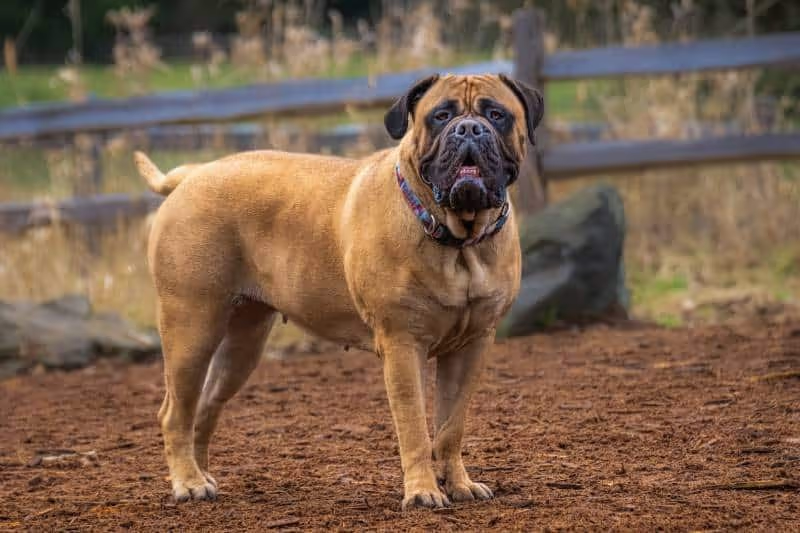
Is Bullmastiff hypoallergenic?
Bullmastiffs are not considered hypoallergenic. While no dog breed is completely hypoallergenic, Bullmastiffs have short coats that shed minimally, but they still produce dander, a common allergen. Their large size means they have more skin, which can generate more dander compared to smaller breeds.
Overview of Bullmastiffs:
Bullmastiffs are large, powerful dogs originally bred for guarding. They have a calm, protective nature and are known for their loyalty. Despite their short coat, they are not ideal for people with allergies due to:
- Dander: Like all dogs, Bullmastiffs produce skin flakes that can trigger allergies.
- Saliva: Their drooling can spread allergens.
- Size: Larger body means more skin and hair, creating more potential dander.
- Shedding: Although minimal, they still lose hair regularly, which can carry allergens.
Proper grooming and home cleanliness can mitigate some allergenic effects.
Want a pet to cuddle without any worries? Try immunotherapy with Curex!
Take a QuizCommon Symptoms of Bullmastiff Allergies
- Sneezing: Frequent or excessive sneezing when around Bullmastiffs.
- Coughing: Persistent coughing that may worsen with extended exposure.
- Runny or Stuffy Nose: Nasal congestion or a continuous runny nose.
- Itchy or Watery Eyes: Eyes may become red, itchy, and produce more tears than usual.
- Skin Rashes: Areas of skin that come into contact with the dog may develop rashes or hives.
- Shortness of Breath: Difficulty breathing, which may escalate to wheezing in severe cases.
- Chest Tightness: Feeling of pressure or heaviness in the chest.
- Fatigue: Unusual tiredness or fatigue in the presence of the dog.
- Headache: Frequent or worsening headaches when spending time in the same environment as the dog.
Best Hypoallergenic Dogs Like Bullmastiff
Poodle
Poodles come in three sizes: toy, miniature, and standard. Known for their intelligence and curly, hypoallergenic coats, they are a popular choice for allergy sufferers. Poodles shed very little, which helps minimize allergic reactions.Portuguese Water Dog
This medium-sized dog has a curly or wavy coat that is hypoallergenic. Portuguese Water Dogs are energetic and friendly, making excellent family pets. They are often chosen by those with allergies due to their low-shedding fur.Bichon Frise
Bichon Frises are small, cheerful dogs with curly, hypoallergenic coats. They shed minimally and require regular grooming to maintain their fluffy appearance. Their friendly and affectionate nature makes them great companions.
Schnauzer
Available in three sizes (miniature, standard, and giant), Schnauzers are known for their distinctive beards and eyebrows. Their wiry coats produce less dander, making them a good option for allergy sufferers.Maltese
The Maltese is a small breed with a long, silky coat that is hypoallergenic. They shed very little and require regular grooming to keep their coat mat-free. Maltese dogs are known for their gentle and playful disposition.Soft Coated Wheaten Terrier
This medium-sized breed has a soft, silky coat that is hypoallergenic. Soft Coated Wheaten Terriers shed minimally, making them a great choice for people with allergies. They are energetic and make excellent family pets.
Lagotto Romagnolo
Known as an Italian water dog, the Lagotto Romagnolo has a curly, woolly coat that is hypoallergenic. They shed very little and are known for their versatility and friendly nature.Afghan Hound
Afghan Hounds, despite their long, flowing coats, are considered hypoallergenic. Their hair is similar to human hair and they shed very little. Their independent and dignified nature makes them unique pets.Chinese Crested
Chinese Crested dogs come in two varieties: hairless and powderpuff. The hairless variety has smooth skin and tufts of fur on the head, tail, and feet, making them an excellent choice for allergy sufferers. The powderpuff has a soft, hypoallergenic coat.
- Yorkshire Terrier
Yorkshire Terriers are small dogs with long, silky coats that are hypoallergenic. They shed very little, and regular grooming can keep their coats tangle-free. Yorkies are known for their bold and spirited personalities.
How to Relieve Bullmastiff Allergy Symptoms
People who suffer from allergies to Bullmastiffs may experience various symptoms such as sneezing, itchy eyes, runny nose, or even asthma attacks. Here are some ways to relieve these symptoms:
Regular Cleaning
Frequently clean your home, focusing on areas where the dog spends most of its time. Vacuum carpets, wash bedding, and clean furniture regularly to reduce allergen build-up.Air Purifiers
Use HEPA air purifiers in common areas and bedrooms to filter out allergens from the air. This can help reduce the number of allergens that contribute to allergy symptoms.Pet-Free Zones
Designate certain areas in your home as pet-free zones, such as bedrooms or personal offices. This can provide a sanctuary where you can breathe easier.
Bathing and Grooming
Regularly bathe and groom your Bullmastiff to reduce the amount of dander and loose hair they shed. Use hypoallergenic pet shampoo to minimize allergic reactions.Medications
Over-the-counter antihistamines, decongestants, or nasal corticosteroids can provide temporary relief. Consult with a healthcare provider to find the right medication for your symptoms.Curex - Immunotherapy
An effective long-term solution is immunotherapy, such as Curex. This treatment involves gradually exposing you to small amounts of the allergen, which can help build tolerance over time. This approach aims to reduce your sensitivity to the allergen, providing more lasting relief.
- Consultation with an Allergist
If your symptoms persist, it may be wise to consult with an allergist. They can perform tests to confirm the allergy and may offer other treatment options tailored to your specific situation.
By following these strategies, you can help manage and lessen the allergic reactions associated with Bullmastiffs, making it easier to enjoy the company of your beloved pet.


