


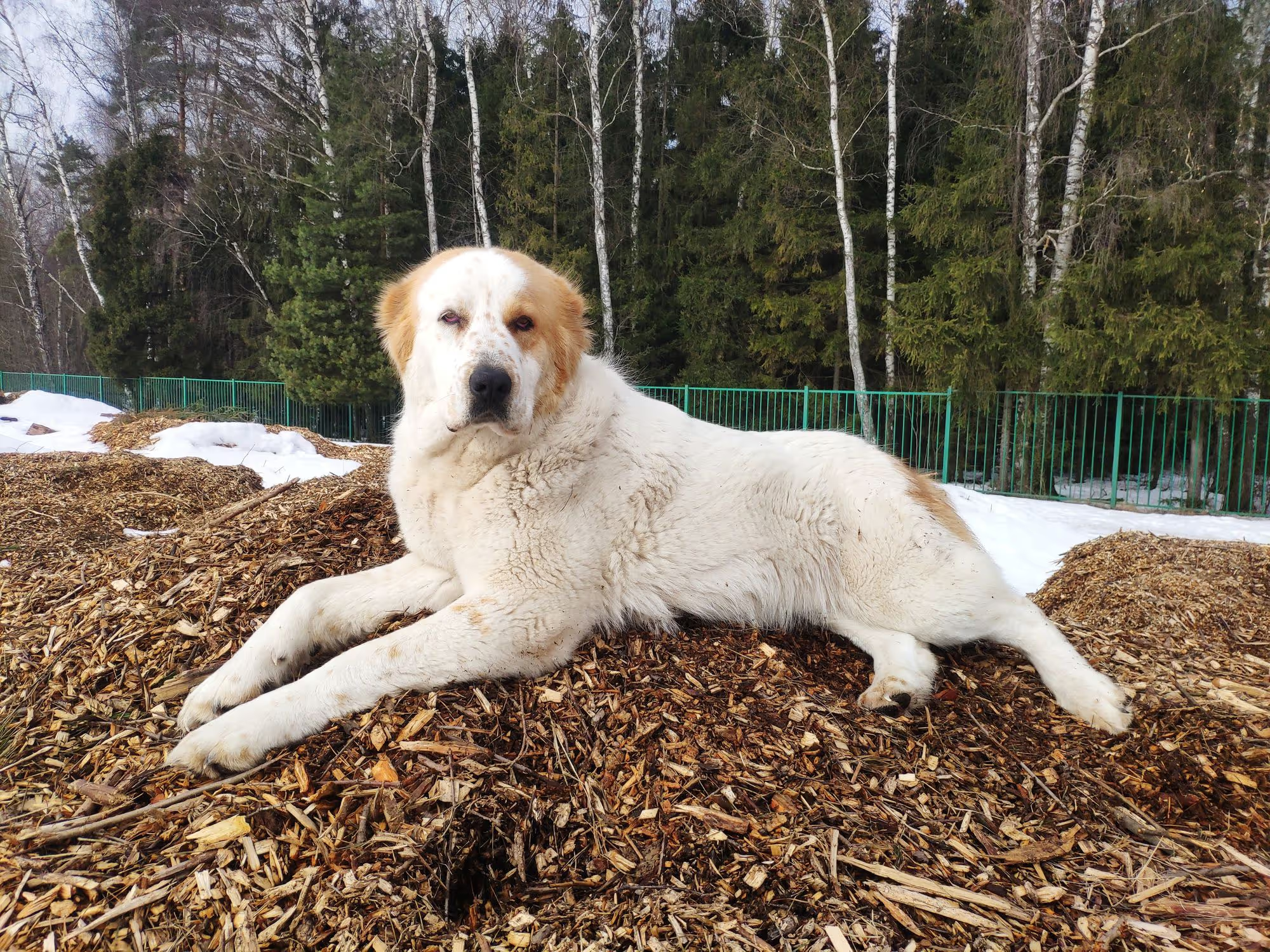
Is Central Asian Shepherd Dog hypoallergenic?
The Central Asian Shepherd Dog is not considered hypoallergenic. This breed tends to shed a moderate to high amount of fur, which can release dander into the environment, a common trigger for allergies. Additionally, the dander that accumulates in their double coat can become airborne as they move, exacerbating allergic reactions.
Central Asian Shepherd Dogs, known for their large size and protective nature, have a dense, double coat that requires regular grooming. Factors that make them more allergenic include their shedding, saliva, and the natural oils in their skin. Regular grooming and cleaning can help manage allergens but won't eliminate them, making this breed a challenging option for individuals with dog allergies.
Want a pet to cuddle without any worries? Try immunotherapy with Curex!
Take a QuizCommon Symptoms of Central Asian Shepherd Dog Allergies
- Sneezing: Frequent sneezing or nasal congestion when near the dog.
- Runny or Stuffy Nose: Persistent nasal discharge or a blocked nose.
- Itchy or Watery Eyes: Red, itchy, and watery eyes are common symptoms.
- Coughing: A chronic cough that worsens when around the dog.
- Hives or Skin Rash: Red, itchy welts on the skin from contact with the dog or items it has touched.
- Shortness of Breath: Difficulty breathing, especially in severe cases.
- Wheezing: A whistling sound when breathing, often accompanies shortness of breath.
- Eczema Flare-Ups: Existing eczema may worsen with exposure to the dog.
- Fatigue: Feeling unusually tired or lethargic, especially after spending time near the dog.
- Asthma Attacks: For individuals with asthma, symptoms can be triggered or worsened.
Best Hypoallergenic Dogs Like Central Asian Shepherd Dog
Poodle
Size: Standard, Miniature, or Toy
Coat: Curly, low-shedding
Traits: Intelligent, highly trainable, friendly
Portuguese Water Dog
Size: Medium
Coat: Curly or wavy, low-shedding
Traits: Energetic, good-natured, loves water
Bichon Frise
Size: Small
Coat: Curly, non-shedding
Traits: Cheerful, affectionate, playful
Maltese
Size: Toy
Coat: Long, silky, low-shedding
Traits: Gentle, lively, devoted
Schnauzer
Size: Miniature, Standard, or Giant
Coat: Wiry, low-shedding
Traits: Alert, spirited, good watchdog
Yorkshire Terrier
Size: Toy
Coat: Long, silky, low-shedding
Traits: Brave, energetic, affectionate
Basenji
Size: Small to Medium
Coat: Short, fine, low-shedding
Traits: Independent, smart, playful
Shih Tzu
Size: Toy
Coat: Long, flowing, low-shedding
Traits: Affectionate, friendly, outgoing
Havanese
Size: Small
Coat: Silky, low-shedding
Traits: Social, loyal, friendly
Lagotto Romagnolo
Size: Medium
Coat: Curly, low-shedding
Traits: Affectionate, keen, energetic
How to Relieve Central Asian Shepherd Dog Allergy Symptoms
If you're allergic to Central Asian Shepherd Dogs but still want to keep one as a pet, there are a few ways to manage and relieve your allergy symptoms.
Avoid Direct Contact
Reducing direct contact with your dog can significantly lower the risk of allergic reactions. Try to limit hugging, kissing, or allowing the dog to sleep in your bed.
Clean Regularly
Frequent cleaning can help control the amount of dander in your home:
- Vacuum carpets, rugs, and furniture regularly.
- Use air purifiers to help remove dander from the air.
- Wash the dog’s bedding, toys, and living area frequently.
Hygiene Matters
Maintaining personal hygiene can mitigate allergy symptoms:
- Wash your hands after petting or playing with your dog.
- Consider changing clothes if you’ve had extended contact with the dog.
Grooming
Regular grooming can help lessen dander:
- Brush your dog outside to minimize indoor exposure.
- Bathe the dog regularly using hypoallergenic shampoos.
Medication
Over-the-counter medications can help alleviate symptoms:
- Antihistamines, decongestants, or nasal sprays can reduce symptoms like sneezing, itching, and runny nose.
- Consult with a healthcare professional for suitable options.
Immunotherapy
Curex is an option for those seeking long-term relief. This involves allergen immunotherapy, gradually exposing the individual to larger amounts of the allergen to build up tolerance.
Designated Pet Areas
Creating designated areas where the dog is allowed can help control exposure:
- Keep the dog out of your bedroom or other high-use areas.
- Use baby gates or closed doors to restrict the dog's movement within the house.
Consulting Specialists
Consulting with allergy specialists can provide tailored advice and treatments suitable to your specific needs.


