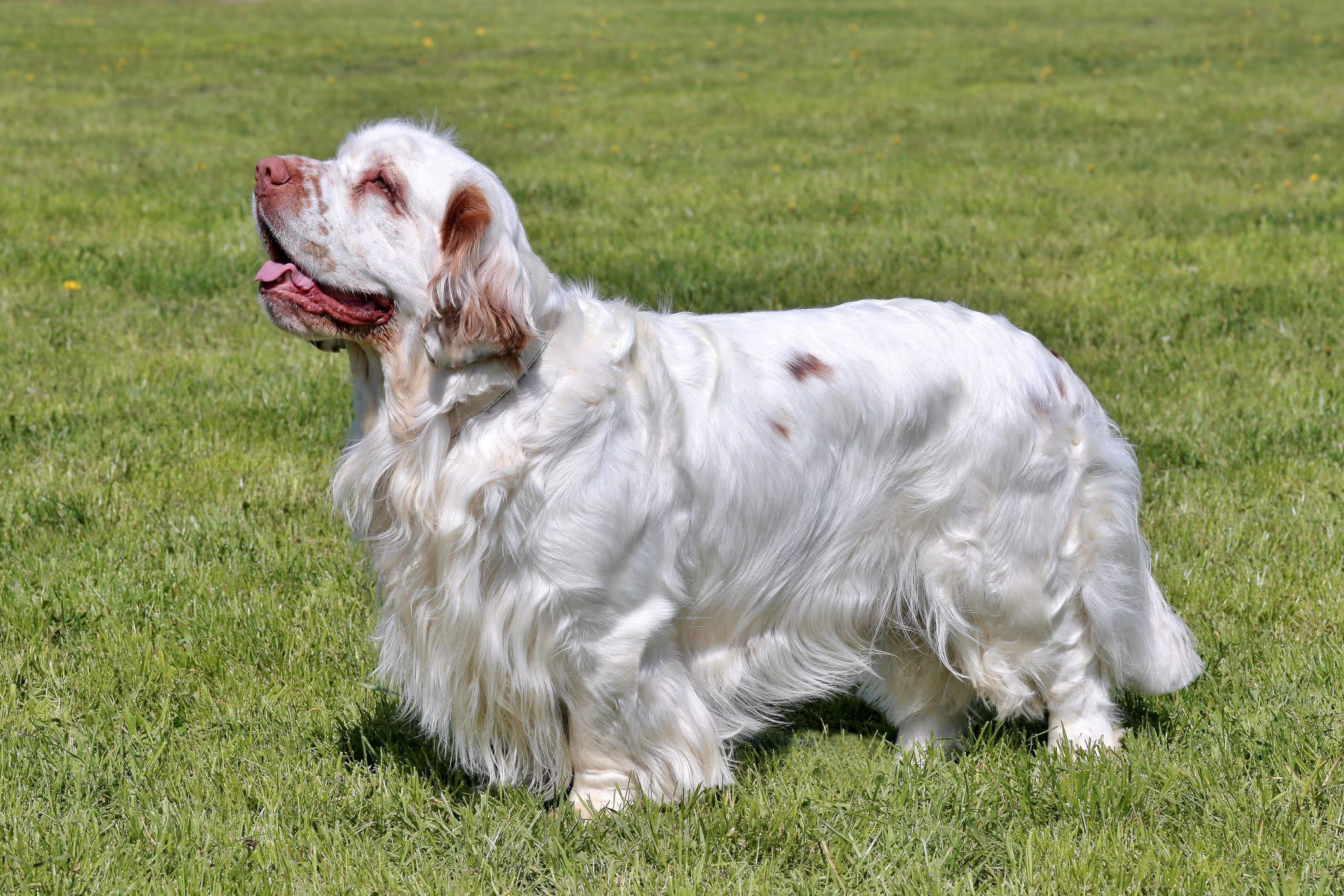
Allergy to Clumber Spaniel 101: Factors & Overview

Discover if the Clumber Spaniel is hypoallergenic. Learn about factors, symptoms, bathing tips, and alternative hypoallergenic dog breeds. Read more at Curex.

Is Clumber Spaniel hypoallergenic?

Clumber Spaniels are not hypoallergenic. While no dog breed is entirely hypoallergenic, Clumber Spaniels tend to shed more than other breeds, which can exacerbate allergies in sensitive individuals. Their shedding results in dander release, which is a primary allergen.

Overview of Clumber Spaniel in the Context of Allergies:
Clumber Spaniels are large, heavy-boned dogs known for their gentle demeanor and loyalty. They have a dense, straight coat that requires regular grooming to manage shedding. The breed is generally not recommended for people with severe allergies due to its significant dander production.

Factors Contributing to Allergenicity:

  • High Shedding: Clumber Spaniels shed profusely, especially during seasonal changes, spreading dander throughout the home.
  • Dander Production: Their skin flakes, which carry proteins that trigger allergic reactions.
  • Saliva: Like many breeds, their saliva contains allergens that can exacerbate symptoms when dried and airborne.
  • Frequent Grooming Needs: Regular brushing can release more dander into the environment.

Want a pet to cuddle without any worries? Try immunotherapy with Curex!

Take a Quiz

Common Symptoms of Clumber Spaniel Allergies

  • Sneezing: Repeated sneezing or a runny nose when exposed to Clumber Spaniels.
  • Itchy Eyes: Red, watery, or itchy eyes caused by direct contact or being in close proximity.
  • Nasal Congestion: Stuffy nose that persists while near the dog.
  • Skin Reactions: Hives, rashes, or general itchiness after touching the dog.
  • Coughing: Persistent coughing that starts when the dog is nearby.
  • Wheezing: Difficulty breathing or a whistling sound when exhaling.
  • Postnasal Drip: Sensation of mucus dripping at the back of the throat.
  • Swelling: Swelling in areas like the face, throat, or limbs in severe cases.

Best Hypoallergenic Dogs Like Clumber Spaniel

  • Poodle

  • Poodles are known for their hypoallergenic coats that shed very little, making them a top choice for allergy sufferers. They come in various sizes, including standard, miniature, and toy.

  • Bichon Frise

  • This small, cheerful dog has a double coat that doesn't shed much. Regular grooming is required to keep their hypoallergenic fur in good condition.

  • Portuguese Water Dog

  • With a curly, non-shedding coat, Portuguese Water Dogs are an excellent option for those with allergies. They are also known for being loyal and intelligent.

  • Schnauzer

  • Schnauzers, whether they are miniature, standard, or giant, have wiry coats that shed minimally. Their hypoallergenic nature makes them suitable for allergy-prone households.

  • Yorkshire Terrier

  • Yorkies have hair that is more like human hair, which means they shed very little. Regular grooming can help keep allergens at bay.

  • Maltese

  • The Maltese has long, silky hair that doesn't shed much. This makes them a good hypoallergenic option, though they require regular grooming to maintain their coat.

  • Soft Coated Wheaten Terrier

  • These dogs have a soft, silky coat that sheds less than many other breeds, making them a good choice for those with allergies. They are also known for their friendly and affectionate nature.

  • Labradoodle

  • A cross between a Labrador Retriever and a Poodle, Labradoodles often inherit the Poodle's hypoallergenic coat. However, it's essential to check individual dogs, as coat types can vary.

  • Shih Tzu

  • Shih Tzus have a long, flowing coat that sheds minimally, making them suitable for people with allergies. Regular grooming is necessary to keep their coat tangle-free.

  • Chinese Crested

  • With their minimal hair (especially the hairless variety), Chinese Cresteds are a good hypoallergenic choice. Even the hairy version, known as the Powderpuff, sheds very little.

How to Relieve Clumber Spaniel Allergy Symptoms

To relieve Clumber Spaniel allergy symptoms, here are some practical options:

  • Minimize Exposure: Limit your contact with the Clumber Spaniel. Use air purifiers to reduce pet dander in your living space.
  • Regular Cleaning: Frequently clean your home, including vacuuming carpets, washing bedding, and dusting surfaces. Bathing your dog regularly can also help reduce dander.
  • Medication: Antihistamines and decongestants can help alleviate symptoms such as sneezing, itching, and a runny nose. Consult your doctor for recommendations.
  • Allergy Shots (Immunotherapy): Immunotherapy, such as Curex, introduces small amounts of allergens to your system over time to build tolerance. This can significantly reduce allergic reactions.
  • Restrict Pet Areas: Keep your Clumber Spaniel out of your bedroom and other areas where you spend a lot of time. This helps create a dander-free zone.
  • HEPA Filters: Invest in HEPA filters for your home. These filters can trap pet dander and other allergens in the air.
  • Wash Hands: Always wash your hands after petting your dog to prevent the spread of allergens to your face and other surfaces.

Schedule Now - $49

Review your allergy test results with a Curex allergist.

How Often Should I Bathe my Clumber Spaniel to Reduce Allergens?

Bathing your Clumber Spaniel regularly can help reduce allergens. Here's a guideline on how often to bathe your Clumber Spaniel:

  • Weekly Bathing: A weekly bath is beneficial for minimizing allergens. Frequent baths help to remove pollen, dust, and other allergens from your dog's coat.
  • Hypoallergenic Shampoos: Use hypoallergenic or gentle dog shampoos to avoid irritating your dog's skin. Shampoos specifically designed for dogs with sensitive skin can help maintain a healthy coat and skin.
  • Conditioning: Consider using a conditioner after shampooing to maintain the moisture in your dog's skin and coat. This can help prevent dryness, which can exacerbate skin issues and allergens.
  • Daily Brushing: While not a bath, daily brushing can significantly reduce loose hair and dander, both of which are common allergens. Brushing also helps to keep your dog's coat clean between baths.
  • Environmental Control: After baths, ensure your dog has a clean and allergen-free environment. Regularly wash your dog's bedding, toys, and areas where they spend a lot of time. This goes a long way in controlling allergens in your household.

By following these guidelines, you can help reduce the presence of allergens and keep your Clumber Spaniel clean and comfortable.

How to Recognize a Medical Emergency in Case of Clumber Spaniel Allergy?

Common Symptoms to Watch For:

  • Respiratory Issues:

  • Difficulty breathing or shortness of breath

  • Wheezing or a persistent cough

  • A feeling of tightness in the chest

  • Skin Reactions:

  • Red, itchy, or inflamed skin

  • Hives or welts

  • Swelling, especially around the face, eyes, or lips

  • Gastrointestinal Problems:

  • Nausea or vomiting

  • Diarrhea or stomach cramps

  • Anaphylactic Symptoms:

  • Rapid or weak pulse

  • Severe drop in blood pressure

  • Dizziness or fainting

  • Swelling of the tongue or throat, which can obstruct breathing

Immediate Actions to Take:

  • Administer an Antihistamine: If you have an antihistamine available, give it as soon as symptoms appear to help reduce the body's allergic response.

  • Use an Epinephrine Auto-injector: If symptoms escalate to include severe breathing difficulties, swelling, or signs of anaphylaxis, use an epinephrine auto-injector (EpiPen) if available.

  • Seek Medical Help Immediately: Call emergency services or go to the nearest emergency room without delay, especially if symptoms are severe or worsening. It's essential to ensure that professional medical care is received as quickly as possible.

Preventive Measures:

  • Avoidance: Ensure you or the person with the allergy minimizes exposure to Clumber Spaniels.

  • Clean Environment: Keep living areas clean and free of dog dander. Regular vacuuming, dusting, and washing of bedding and linens can help reduce allergen levels.

  • Medical Identification: Wear a medical ID bracelet or carry an allergy card that specifies the Clumber Spaniel allergy. This can be crucial in case of an emergency where the individual cannot communicate their condition.

Recognizing a medical emergency due to Clumber Spaniel allergy involves noting the onset and severity of symptoms and acting quickly to mitigate the reaction and seek professional medical intervention.

Reunite with your furry friend!

(Or your roommate’s cat that knocks your coffee over every morning)

With Curex:

woman hugging cat
check icon

Spend time around pets without the symptoms.

check icon

Become less dependent on allergy meds.

check icon

Treat outdoor & indoor allergies along with pet allergies.

Without Curex:

curex allergy triggers

Practice avoidance around pets.

Frequent use of meds, drops and sprays.

Risk of developing chronic health problems.

Curex is the most convenient way to treat allergies.

No In-Person Visits

Apply treatment in seconds without wasting time in waiting rooms.

5-30x higher cumulative dose vs allergy shots

Sublingual immunotherapy delivers a higher dose of allergens over the course of treatment.

Superior safety profile

Even people suffering from severe reactions choose sublingual treatment over allergy shots!

No painful injections

Treatment is applied under-the-tongue daily, no needles or painful injections involved.

FAQs

Sign up for Free Webinar
What is Curex?
Is Curex legitimate?
What services do you offer?
Does Curex accept insurance?
Should I use insurance if I'm not sure about my deductibles or copays?
What conditions do you treat?
What is immunotherapy?
Can my child use Curex?
Does Curex treat food allergies?
What is your cancellation policy?
What's in my treatment?
How does allergy testing work?
Is sublingual immunotherapy safe?