


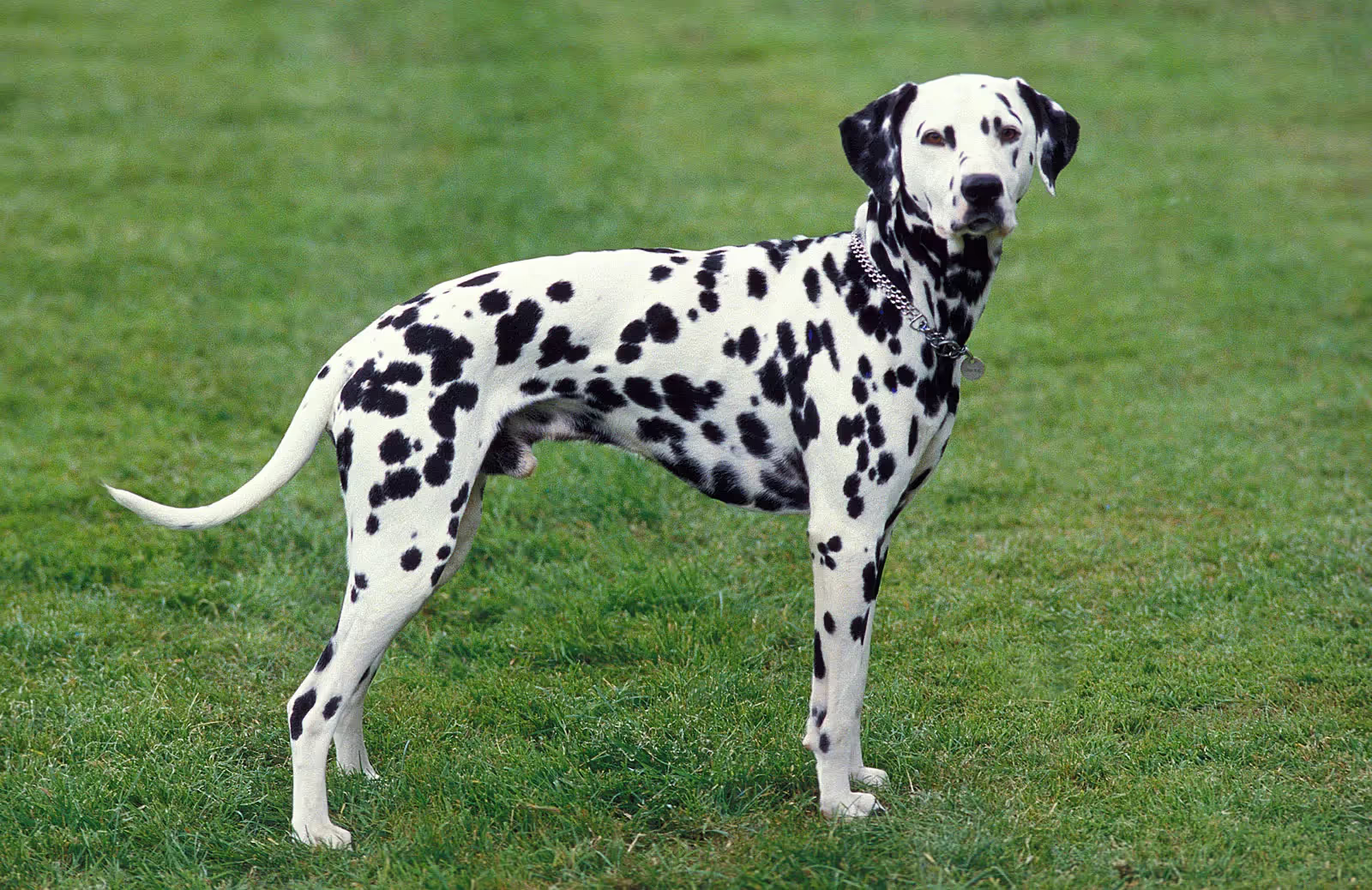
Is Dalmatian hypoallergenic?
Dalmatians are not considered hypoallergenic. They shed significantly and produce dander, both of which can trigger allergic reactions in sensitive individuals. Additionally, they tend to have oily skin, which also contributes to allergen spread.
Dalmatians are a distinctive breed known for their unique spotted coat, high energy levels, and sociable nature. Unfortunately, for those with allergies, their propensity to shed year-round and produce dander makes them less suitable as a hypoallergenic pet choice. Factors contributing to their allergenic nature include their shedding frequency, the amount of dander they produce, and skin oiliness, all of which can exacerbate allergy symptoms. Regular grooming and cleaning may reduce allergens but won't eliminate them entirely.
Want a pet to cuddle without any worries? Try immunotherapy with Curex!
Take a QuizCommon Symptoms of Dalmatian Allergies
- Sneezing: Frequent sneezing is a common response to allergens from Dalmatians.
- Runny or Stuffy Nose: Nasal congestion or a constantly runny nose can occur.
- Watery or Itchy Eyes: Eyes may become red, itchy, and watery.
- Coughing and Wheezing: Irritation in the respiratory tract can lead to coughing or wheezing.
- Skin Reactions: Some people may experience hives or rashes on their skin.
- Itching: Persistent itching of the skin, nose, or eyes.
- Shortness of Breath: Difficulty breathing or a feeling of tightness in the chest.
- Throat Irritation: A scratchy or sore throat can be a symptom.
- Fatigue: Ongoing allergic reactions can cause general tiredness or fatigue.
- Sinus Pressure: Pain or pressure in the sinus area may develop.
Best Hypoallergenic Dogs Like Dalmatian
Poodle
Known for their hypoallergenic coat, Poodles come in three sizes: Standard, Miniature, and Toy. Their curly hair traps dander, making them a great choice for allergy sufferers.
Portuguese Water Dog
This breed has a curly, non-shedding coat that produces less dander than most dogs. Portuguese Water Dogs are energetic, intelligent, and affectionate.
Yorkshire Terrier
Yorkshire Terriers have a fine, silky coat that is less likely to cause allergic reactions. Their hair grows continuously, similar to human hair, which reduces shedding.
Bichon Frise
The Bichon Frise's coat is curly and doesn’t shed much, making it suitable for those with allergies. They are known for their friendly and playful disposition.
Shih Tzu
Shih Tzus have a long, flowing coat that sheds minimally. Regular grooming helps maintain their hypoallergenic qualities, and they are known for their affectionate nature.
Maltese
The Maltese breed has long, silky fur that does not shed heavily. They are small, lively, and make great companions for individuals with allergies.
Havanese
Havanese dogs have a silky coat that does not shed much and produces less dander. They are cheerful, loving, and responsive to training.
Schnauzer
Available in Miniature, Standard, and Giant sizes, Schnauzers have a wiry coat that is less likely to cause allergies. They are known for being alert, energetic, and friendly.
How to Relieve Dalmatian Allergy Symptoms
If you or someone in your household is suffering from allergies to a Dalmatian, there are several strategies you can employ to relieve symptoms:
Medication: Over-the-counter antihistamines, decongestants, or nasal corticosteroids can help manage symptoms such as sneezing, runny nose, and itchy eyes. Consult your doctor for recommendations tailored to your condition.
Curex - Immunotherapy: Curex provides a form of immunotherapy that can gradually desensitize your immune system to allergens. This treatment involves regular exposure to small doses of the allergen, potentially leading to long-term relief.
Allergen-Reducing Products: HEPA filters, air purifiers, and vacuum cleaners designed for allergy sufferers can help reduce the amount of pet dander in your home.
Regular Cleaning: Frequent cleaning of your home can significantly reduce allergens. Wash your Dalmatian's bedding, vacuum carpets, and clean furniture and curtains regularly to minimize dander buildup.
Limit Access: Restrict your Dalmatian's access to certain areas of the home, especially bedrooms, to create a dander-free sanctuary where you can find relief.
Bathing and Grooming: Regularly bathing and grooming your Dalmatian can help reduce the amount of dander they shed. Using hypoallergenic pet shampoos can be beneficial.
Personal Hygiene: Wash your hands and face after petting or playing with your Dalmatian to reduce the transfer of allergens to your skin, eyes, and nose.
Professional Help: Consulting with an allergist can provide further personalized strategies to manage your allergy symptoms effectively.


