


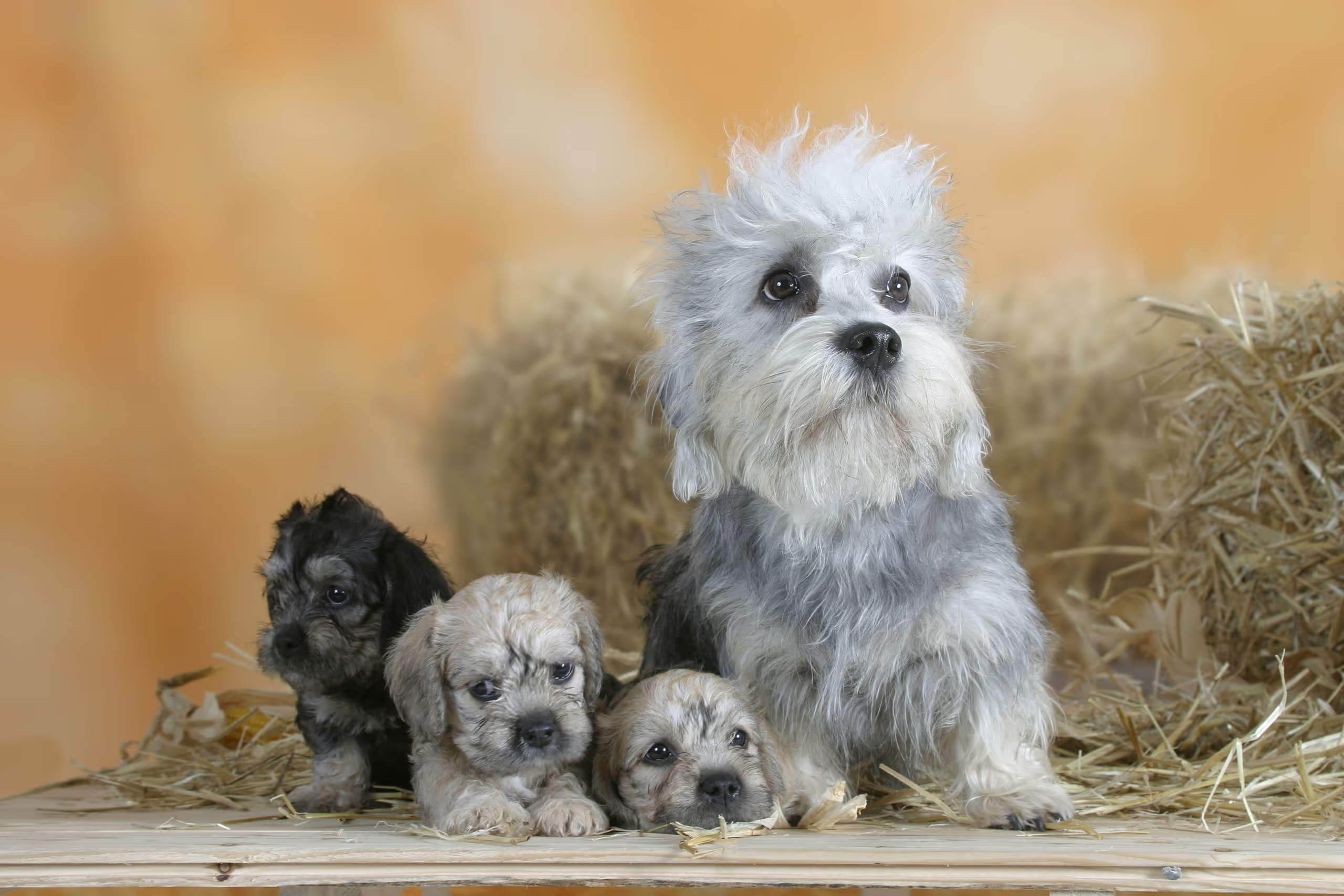
Is Dandie Dinmont Terrier hypoallergenic?
The Dandie Dinmont Terrier is not considered hypoallergenic. While no dog is completely hypoallergenic, Dandie Dinmont Terriers do have a coat that sheds less dander compared to some other breeds. However, they can still cause allergic reactions in sensitive individuals.
Dandie Dinmont Terriers have a unique coat that is a mix of soft and hard hair. Regular grooming can help minimize dander, but it won't eliminate it entirely. Factors that might make Dandie Dinmont Terriers more allergenic include their dense double coat, which can trap allergens like dust and pollen, and their tendency to develop skin conditions that might increase dander production. Regular bathing and grooming, along with maintaining a clean living environment, may help reduce but not completely prevent allergic reactions.
Want a pet to cuddle without any worries? Try immunotherapy with Curex!
Take a QuizCommon Symptoms of Dandie Dinmont Terrier Allergies
- Sneezing: Frequent and sudden sneezing episodes, often accompanied by a runny nose.
- Itchy Skin: Persistent itching and scratching, which might lead to red, irritated skin or even hives.
- Watery Eyes: Increased tear production and red, swollen eyes.
- Shortness of Breath: Wheezing, coughing, or difficulty breathing, especially during or after physical contact with the dog.
- Runny Nose: Constant nasal discharge that can be clear or slightly cloudy.
- Coughing: A dry, persistent cough that doesn’t seem to be caused by other conditions.
- Facial Pain: Discomfort or tenderness around the sinuses.
- Sore Throat: Irritation or a scratchy feeling in the throat.
- Fatigue: Feeling unusually tired or lethargic, possibly due to a prolonged allergic reaction.
- Eczema: Flare-ups of existing skin conditions such as eczema, which might worsen after exposure to the dog.
Best Hypoallergenic Dogs Like Dandie Dinmont Terrier
Dandie Dinmont Terrier
Known for their distinctive "topknot" of hair and charming personality, Dandie Dinmont Terriers are often recommended for those with allergies. Their coat is made up of a mix of soft and coarse hair, which sheds minimally.
Poodle
Poodles come in three sizes (standard, miniature, and toy) and all are known for their curly, hypoallergenic coats. They shed very little, making them a great choice for allergy sufferers.
Bichon Frise
The Bichon Frise has a short, curly coat that doesn’t shed much, which can help keep allergens to a minimum. Their hair grows continuously, so regular grooming is required.
Portuguese Water Dog
This breed has a curly or wavy coat that is hypoallergenic. Portuguese Water Dogs were originally bred to work on fishing boats, so they are very energetic and intelligent.
Schnauzer
Schnauzers come in three sizes (giant, standard, and miniature) and all have a double coat that is less likely to cause allergic reactions. Regular grooming can help keep their shedding under control.
Shih Tzu
Shih Tzus have long, flowing hair that is more like human hair than fur. They are low-shedding dogs, but their coats require regular maintenance to prevent matting.
Yorkshire Terrier
Yorkies have a fine, silky hair that doesn’t shed much, making them another good option for people with allergies. Regular grooming helps maintain their coats.
Maltese
Maltese dogs have long, white, silky hair that doesn’t shed much. They require regular grooming to keep their coats looking their best and to manage any potential allergens.
Havanese
The Havanese has a silky coat that does not shed much and is known to be relatively hypoallergenic. This breed is friendly and adaptable, making them a great companion.
Soft Coated Wheaten Terrier
Soft Coated Wheaten Terriers have wavy, silky coats that shed very little. Their hair continues to grow, so regular grooming is necessary to keep their coats in good condition.
By selecting a dog breed that is known to be hypoallergenic, you can enjoy the companionship of a pet without as many allergy-related issues.
How to Relieve Dandie Dinmont Terrier Allergy Symptoms
If you're allergic to a Dandie Dinmont Terrier or any dog, managing and relieving symptoms can make a significant difference in your quality of life. Here are a few strategies to help alleviate dog allergy symptoms:
Regular Cleaning: Keep your home clean by vacuuming frequently with a HEPA filter vacuum cleaner and dusting to reduce allergens. Wash your dog's bedding regularly and consider using air purifiers throughout your home.
Designated Dog-Free Zones: Create areas in your home where your dog is not allowed, particularly bedrooms, to minimize contact with allergens.
Bathing and Grooming: Regularly bathe your dog to reduce the amount of dander they shed. Weekly baths can significantly lower allergen levels.
Medication: Over-the-counter antihistamines, decongestants, or nasal corticosteroids can help manage symptoms. Always consult with a healthcare provider for proper medication and dosage.
Curex - Immunotherapy: Consider immunotherapy, specifically Curex, which is designed to gradually desensitize your immune system to allergens. This treatment involves the administration of small doses of the allergen, increasing over time, potentially providing long-term relief from allergy symptoms.
Allergy-Proofing Your Home: Use allergen-resistant bedding and furniture covers, and keep humidity levels in check to reduce mold and dust mites that can exacerbate symptoms.
- Hand Hygiene: Wash your hands after petting your dog and avoid touching your face, particularly your eyes, nose, and mouth, as these are common entry points for allergens.
Implementing these strategies can help in managing allergy symptoms and making your interactions with your Dandie Dinmont Terrier much more enjoyable.


