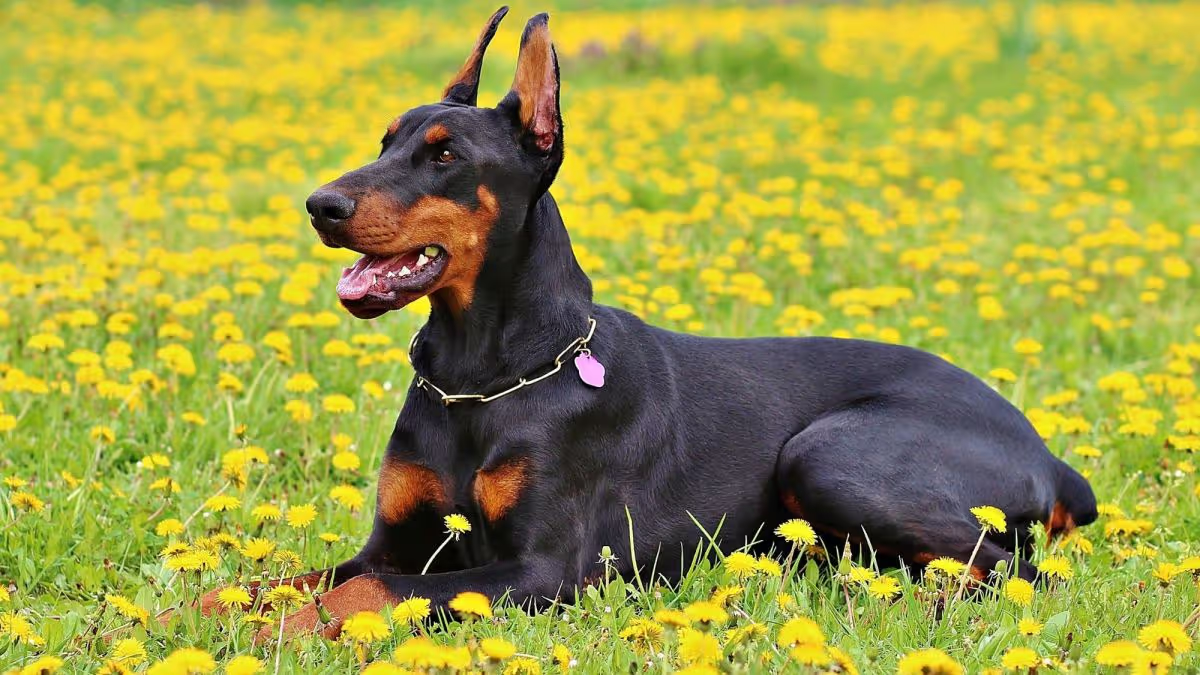
Allergy to Doberman Pinscher 101: Factors & Overview

Is a Doberman Pinscher hypoallergenic? Discover factors, symptoms, bath tips, medical advice, and alternative hypoallergenic dog breeds in our detailed guide.

Is Doberman Pinscher hypoallergenic?

Doberman Pinschers are not hypoallergenic. They have a short coat and shed minimally, but they still produce dander, which is a common allergen found in dog saliva, skin cells, and urine. This breed can trigger allergic reactions in sensitive individuals.

Overview: Doberman Pinschers are known for their loyalty, intelligence, and protective nature. They are medium to large dogs with a sleek, muscular build and a short coat that requires minimal grooming. Despite their short hair, Dobermans are not considered hypoallergenic.

Factors that make Doberman Pinschers more allergenic include:

  • Dander: Shedding skin cells can trigger allergies.
  • Saliva: Contains proteins that can cause allergic reactions.
  • Urine: Presence of allergens that can affect sensitive individuals.
    Keeping the living area clean and regular grooming can help mitigate some of these allergenic factors.

Want a pet to cuddle without any worries? Try immunotherapy with Curex!

Take a Quiz

Common Symptoms of Doberman Pinscher Allergies

  • Sneezing: Frequent sneezing can occur when exposed to a Doberman Pinscher.
  • Runny or Stuffy Nose: Commonly experienced as nasal congestion or discharge.
  • Itchy, Red, or Watery Eyes: Eye irritation is a prevalent symptom of dog allergies.
  • Coughing: Exposure to allergens from a Doberman Pinscher can result in coughing.
  • Shortness of Breath: Some individuals may feel breathless or have difficulty breathing.
  • Skin Rash or Hives: Direct contact with the dog's fur or dander can cause itchy rashes or raised bumps on the skin.
  • Wheezing: A whistling sound when breathing, often associated with asthma from pet allergens.
  • Chest Tightness: Feeling of pressure or tightness in the chest area.
  • Facial Pain: Sinus congestion may lead to discomfort in the facial area.
  • Postnasal Drip: Mucus drainage down the back of the throat leading to discomfort.

Best Hypoallergenic Dogs Like Doberman Pinscher

  • Miniature Schnauzer
    The Miniature Schnauzer is known for its energetic personality and hypoallergenic coat. This breed has a wiry top coat that doesn't shed much, making it ideal for people with allergies.

  • Poodle
    Poodles come in various sizes including Standard, Miniature, and Toy, and they all have curly, non-shedding coats. Their intelligence and trainability make them a popular choice for those in need of a hypoallergenic dog.

  • Portuguese Water Dog

This breed is famous for its curly, water-resistant coat, which is less likely to cause allergic reactions. Portuguese Water Dogs are also known for their athleticism and loyalty.

  • Basenji
    Known as the "barkless dog," the Basenji has a short coat that sheds minimally. Their curious and independent nature can make them an interesting companion for families.

  • Soft Coated Wheaten Terrier
    With their wavy, soft coat, Soft Coated Wheaten Terriers are another hypoallergenic breed. They are friendly, energetic, and make excellent family pets.

How to Relieve Doberman Pinscher Allergy Symptoms

Dealing with allergy symptoms caused by a Doberman Pinscher can be challenging, but with the right approach, it's manageable. Here are several ways to relieve those symptoms:

  • Regular Cleaning: Keep your home clean to reduce exposure to dander. Vacuum frequently using a vacuum with a HEPA filter. Wash your dog's bedding and toys often.

  • Air Purifiers: Use HEPA air purifiers in rooms where you spend the most time. These can help capture airborne dander particles.

  • Allergy-Proof Covers: Consider using allergy-proof covers on mattresses and pillows to create a barrier against allergens.

  • Medications: Over-the-counter antihistamines like cetirizine or loratadine can help alleviate symptoms. Decongestants may also provide relief for nasal congestion.

  • Consult an Allergist: A specialist can perform tests to determine the specific allergies and may recommend additional treatments.

  • Curex - Immunotherapy: This is a long-term solution that involves gradually exposing the patient to small amounts of the allergen to build up tolerance. Curex offers personalized immunotherapy treatments that can significantly reduce allergic reactions over time.

  • Reduce Dog's Dander: Regularly bathe and groom your Doberman Pinscher to reduce the amount of dander they shed. Special anti-allergenic shampoos can also help.

  • Create Dog-Free Zones: Designate specific areas of your home as dog-free zones, especially the bedroom, to reduce allergen exposure in those areas.

  • Wash Hands: Always wash your hands after petting or playing with your dog to avoid transferring allergens to your face or other surfaces.

Implementing these strategies can help in managing and reducing allergy symptoms caused by your Doberman Pinscher.

Schedule Now - $49

Review your allergy test results with a Curex allergist.

How Often Should I Bathe my Doberman Pinscher to Reduce Allergens?

  • Weekly Bathing: Bathing your Doberman Pinscher once a week can significantly reduce allergens. Regular baths will help in removing dirt, pollen, and other allergens from their coat.

  • Hypoallergenic Shampoos: Use hypoallergenic shampoos specifically designed for dogs with sensitive skin. These products will be gentle on their skin and effective in minimizing allergens.

  • Regular Brushing: Frequent brushing, preferably daily, can also help in reducing allergens. Brushing removes loose hairs, dander, and other particles that contribute to allergic reactions.

  • High-Quality Diet: A high-quality diet can improve your Doberman's skin and coat health, thereby reducing the amount of dander. Opt for foods rich in Omega-3 and Omega-6 fatty acids.

  • Clean Living Environment: Make sure to keep your dog's bedding and living area clean. Wash their bedding weekly to get rid of allergens.

  • Air Filters: Consider using air purifiers with HEPA filters to reduce airborne allergens in your home. This can be particularly helpful if you or a family member suffer from dog allergies.

  • Consult Your Vet: Always consult your veterinarian for personalized advice tailored to your dog's specific needs. They can offer recommendations for shampoos and grooming schedules based on your dog's health condition.

How to Recognize a Medical Emergency in Case of Doberman Pinscher Allergy?

How to Recognize a Medical Emergency in Case of Doberman Pinscher Allergy

Recognizing a medical emergency related to a Doberman Pinscher allergy is crucial. Here are the primary signs and symptoms to watch for:

  • Severe Respiratory Issues

  • Difficulty breathing or shortness of breath

  • Wheezing or gasping for air

  • Persistent coughing or choking sensation

  • Cardiovascular Symptoms

  • Rapid or weak pulse

  • Drop in blood pressure leading to dizziness or fainting

  • Skin Reactions

  • Hives or nettle rash spreading rapidly

  • Swelling of the face, eyes, lips, or throat (angioedema)

  • Gastrointestinal Symptoms

  • Nausea, vomiting, or diarrhea

  • Severe stomach cramps

  • Anaphylaxis Symptoms
  • Difficulty swallowing
  • Chest tightness
  • Blue or pale skin (cyanosis)
  • Confusion or anxiety
  • Loss of consciousness

Immediate Actions to Take

If you notice any of the above symptoms in someone who has been exposed to a Doberman Pinscher, take the following steps:

  • Call Emergency Services (911) Immediately:

  • Provide exact details of the situation and symptoms observed.

  • Administer Epinephrine (EpiPen) if Available:

  • Follow the instructions on the EpiPen and inject it into the outer thigh.

  • Keep the Person Calm and Comfortable:

  • Have them lie down and elevate their legs if possible.

  • Avoid Additional Exposure:

  • Move away from the area where the Doberman Pinscher is present.

Important Considerations

  • Always carry antihistamines if you know you have a severe allergy to dogs.
  • Inform friends and family about your allergy and what to do in case of an emergency.
  • Consider wearing a medical alert bracelet that details your allergy.

In case of any severe allergic reactions, time is of the essence. Quick and effective action can save lives. Always seek immediate medical attention if any severe reactions occur.

Reunite with your furry friend!

(Or your roommate’s cat that knocks your coffee over every morning)

With Curex:

woman hugging cat
check icon

Spend time around pets without the symptoms.

check icon

Become less dependent on allergy meds.

check icon

Treat outdoor & indoor allergies along with pet allergies.

Without Curex:

curex allergy triggers

Practice avoidance around pets.

Frequent use of meds, drops and sprays.

Risk of developing chronic health problems.

Curex is the most convenient way to treat allergies.

No In-Person Visits

Apply treatment in seconds without wasting time in waiting rooms.

5-30x higher cumulative dose vs allergy shots

Sublingual immunotherapy delivers a higher dose of allergens over the course of treatment.

Superior safety profile

Even people suffering from severe reactions choose sublingual treatment over allergy shots!

No painful injections

Treatment is applied under-the-tongue daily, no needles or painful injections involved.

FAQs

Sign up for Free Webinar
What is Curex?
Is Curex legitimate?
What services do you offer?
Does Curex accept insurance?
Should I use insurance if I'm not sure about my deductibles or copays?
What conditions do you treat?
What is immunotherapy?
Can my child use Curex?
Does Curex treat food allergies?
What is your cancellation policy?
What's in my treatment?
How does allergy testing work?
Is sublingual immunotherapy safe?