


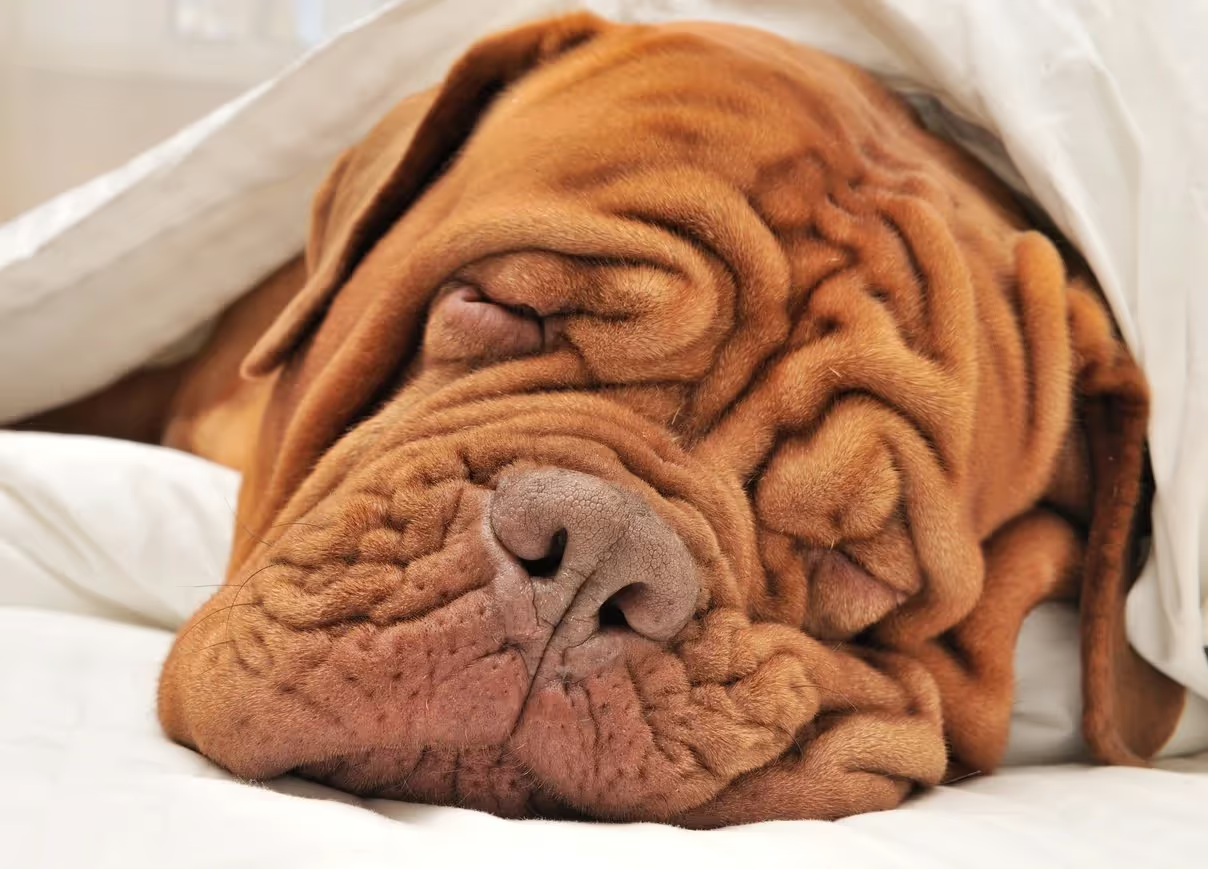
Is Dogue de Bordeaux hypoallergenic?
No, the Dogue de Bordeaux is not hypoallergenic. Individuals who are prone to allergies might react to them due to their shedding and saliva production.
The Dogue de Bordeaux, also known as the French Mastiff, is a large and powerful breed with a short, dense coat that sheds moderately year-round. This breed also drools quite a bit, which can contribute to the spread of allergens around the home. Factors making them more allergenic include:
- Moderate shedding: Regular shedding releases dander into the environment.
- Drooling: High levels of saliva, which contains proteins known to cause allergic reactions.
- Skin: Prone to skin issues that can increase dander production.
For allergy sufferers, these factors can exacerbate symptoms, making the Dogue de Bordeaux less suitable for those needing a hypoallergenic pet.
Want a pet to cuddle without any worries? Try immunotherapy with Curex!
Take a QuizCommon Symptoms of Dogue de Bordeaux Allergies
- Sneezing: Frequent sneezing episodes can be triggered by exposure to dog dander.
- Runny or Stuffy Nose: Nasal congestion or a constant runny nose is a common reaction.
- Itchy, Red, or Watery Eyes: Eyes may become irritated upon contact with allergens.
- Coughing: A persistent cough can indicate an allergic reaction.
- Skin Rash or Hives: Direct contact with the dog can lead to skin inflammation.
- Shortness of Breath: Difficulty in breathing, especially in those with asthma, can occur.
- Itchy Throat or Ears: Sensation of itching in the throat or ears is also a symptom.
- Postnasal Drip: Excess mucus feeling at the back of the throat, often needing to clear the throat frequently.
Best Hypoallergenic Dogs Like Dogue de Bordeaux
Poodle
Poodles, available in standard, miniature, and toy sizes, are well-known for their hypoallergenic coats. Their curly hair traps dander, reducing allergens in the environment.
Portuguese Water Dog
This athletic and energetic breed has a curly, water-resistant coat that minimizes shedding and dander. They are great for active families looking for a hypoallergenic pet.
Bichon Frise
Bichon Frises are small, cheerful dogs with a curly coat that produces less dander compared to other breeds. Their hair continually grows, which means less shedding but regular grooming is required.
Maltese
The Maltese is a toy breed with long, silky hair that doesn’t shed much. They are an excellent choice for those looking for a small, hypoallergenic companion.
Schnauzer
Whether miniature, standard, or giant, Schnauzers are known to be hypoallergenic. Their wiry coat needs regular grooming but produces minimal dander.
Labradoodle
A cross between a Labrador Retriever and a Poodle, the Labradoodle often inherits the Poodle’s hypoallergenic coat. They are friendly, sociable, and come in various sizes.
Yorkshire Terrier
Yorkshire Terriers have a fine, silky coat similar to human hair, which causes less allergic reactions. They are small, making them good for apartments or homes with limited space.
Shih Tzu
Shih Tzus have long, flowing hair that sheds very little. They are good companions for those looking for a hypoallergenic dog but require regular grooming.
Basenji
Known as the "barkless dog," Basenjis have short, fine hair that sheds minimally. They are clean and tend to groom themselves in a cat-like manner.
Havanese
The Havanese has a silky coat that doesn’t shed much and is often tolerated by allergy sufferers. They are friendly and affectionate, making them wonderful pets.
- Kerry Blue Terrier
- Known for their striking blue-gray coat, Kerry Blue Terriers are hypoallergenic dogs with minimal shedding. They require regular grooming to maintain their curly coat.
How to Relieve Dogue de Bordeaux Allergy Symptoms
If you're experiencing an allergic reaction to a Dogue de Bordeaux, there are several strategies you can implement to alleviate your symptoms:
Antihistamines: Over-the-counter antihistamines can help reduce allergy symptoms like sneezing, itching, and watery eyes. Consult with a healthcare provider to choose the most appropriate medication for your needs.
Environmental Changes: Reducing exposure to allergens can make a significant difference. Consider:
Using air purifiers with HEPA filters to remove pet dander from the air.
Regularly cleaning your home, especially surfaces that collect dust and dander.
Designating pet-free zones, such as bedrooms, to reduce allergen buildup in key living areas.
Bathing your Dogue de Bordeaux regularly to minimize the amount of dander and saliva on its fur.
Curex - Immunotherapy: Immunotherapy, such as Curex, can be an effective long-term solution for dog allergies. This treatment involves gradually exposing your immune system to small amounts of the allergen, allowing your body to build up a tolerance over time. Consult with an allergist to determine if immunotherapy is right for you.
Medication: In some cases, doctors might prescribe corticosteroids or other medications to manage severe allergy symptoms. Always use medication under the guidance of a healthcare professional.
Personal Hygiene: Washing your hands after petting your Dogue de Bordeaux and avoiding touching your face can help reduce the risk of transferring allergens to your eyes or nose. Additionally, changing your clothes after prolonged exposure to your dog can help limit the spread of dander.
- Coverings and Barriers: Using allergen-resistant bedding covers and regularly washing your linens can help create a barrier between you and pet allergens.
Implementing these strategies can help manage allergy symptoms and improve your quality of life, even with a Dogue de Bordeaux in your home.


