


Is English Toy Spaniel hypoallergenic?
English Toy Spaniels are not considered hypoallergenic. They shed and produce dander, both of which can trigger allergic reactions in sensitive individuals.
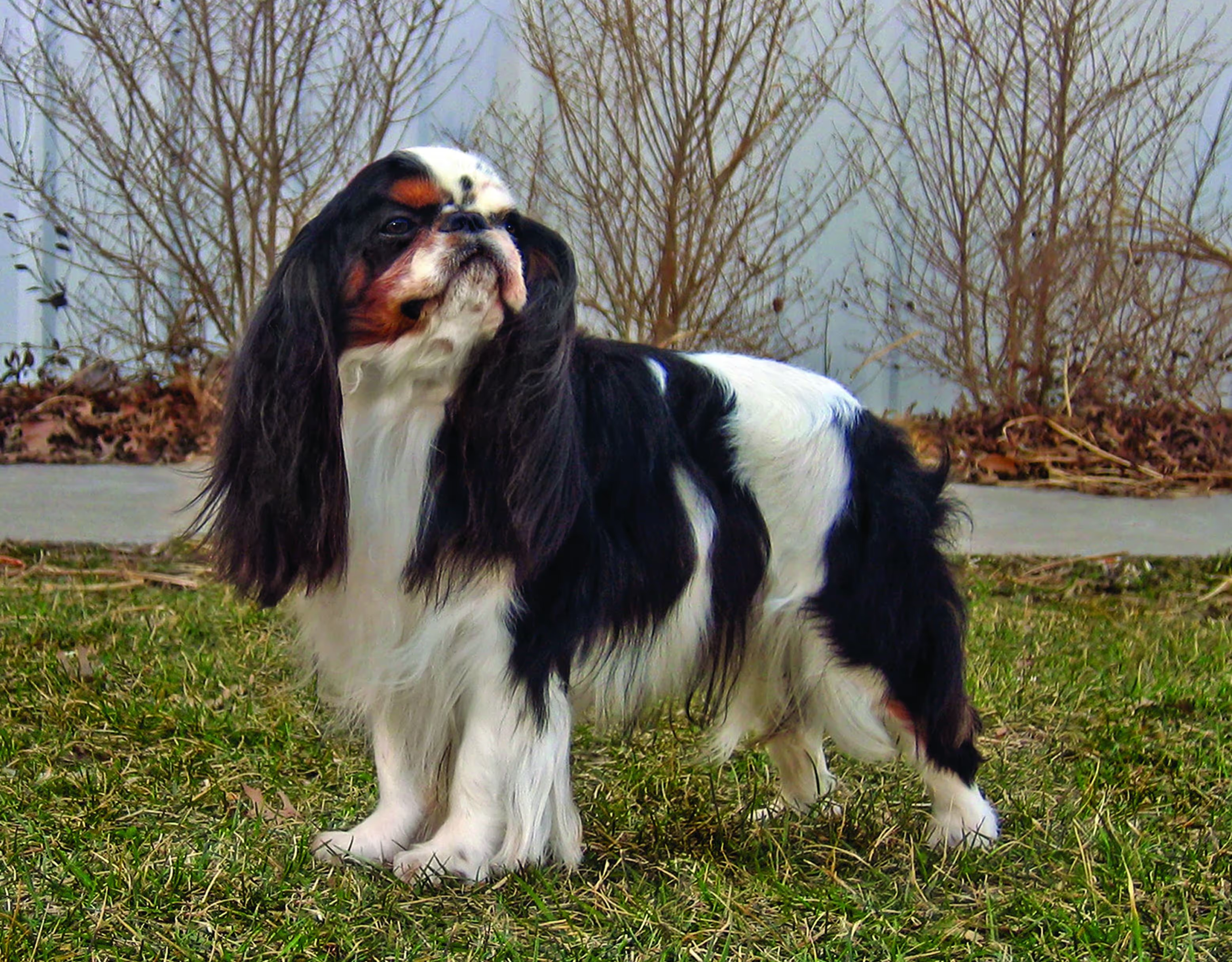
The English Toy Spaniel, also known as the King Charles Spaniel, is a small, affectionate breed with a distinctive, dome-shaped head and long, flowing coat. While their elegant appearance and gentle nature make them a popular choice for companions, their moderate shedding and the dander they produce can be problematic for people with allergies. Factors contributing to their allergenicity include their long fur, which can trap pollen and dust, and their tendency to shed throughout the year. Regular grooming may help, but it won't eliminate the allergens entirely.
Want a pet to cuddle without any worries? Try immunotherapy with Curex!
Take a QuizCommon Symptoms of English Toy Spaniel Allergies
- Sneezing: Frequent and repetitive sneezing spells.
- Runny or Stuffy Nose: Nasal congestion or a continuous runny nose.
- Itchy, Red, or Watery Eyes: Irritation and watering of the eyes.
- Coughing, Wheezing, or Shortness of Breath: Respiratory issues that can range from mild to severe.
- Rash or Hives: Skin reactions manifested as itchy, red, raised areas.
- Itchy Skin: Generalized itchiness without a visible rash.
- Asthma Exacerbation: Worsening of asthma symptoms, such as increasing wheezing or difficulty breathing.
Best Hypoallergenic Dogs Like English Toy Spaniel
Bichon Frise
These small, cheerful dogs have a fluffy, curly coat that doesn't shed much, making them a great option for allergy sufferers.
Poodle (Toy, Miniature, and Standard)
Poodles of all sizes have a hypoallergenic coat that is less likely to cause an allergic reaction. Their curly hair traps dander, reducing the amount that gets into the air.
Maltese
The Maltese has silky, single-layer hair instead of fur, which sheds minimally and tends to produce fewer allergens.
Shih Tzu
Shih Tzus have a long, flowing coat that requires regular grooming but does not shed much, making them suitable for people with allergies.
Yorkshire Terrier
These tiny terriers have hair that is similar to human hair, which reduces dander production and makes them a hypoallergenic option.
Havanese
Havanese dogs have a silky coat that is less likely to shed, and they are known for being friendly and affectionate.
Coton de Tulear
With their cotton-like, soft hair, Coton de Tulears are low-shed dogs that are typically well-tolerated by allergy sufferers.
Basenji
Known as the "barkless dog," the Basenji has a short coat that sheds minimally and produces less dander.
Lagotto Romagnolo
These dogs are prized for their hypoallergenic, curly coats and are also known for their truffle-hunting skills.
Portuguese Water Dog
With a water-resistant, curly, or wavy coat, the Portuguese Water Dog is a hypoallergenic breed that was famously adopted by the Obama family.
How to Relieve English Toy Spaniel Allergy Symptoms
If you or a loved one are experiencing allergy symptoms due to an English Toy Spaniel, you don’t necessarily have to part ways with your furry friend. Here are some strategies that might help alleviate the symptoms:
Medications: Over-the-counter antihistamines and decongestants can provide temporary relief from allergy symptoms such as sneezing, runny nose, and itchy eyes. Common options include cetirizine (Zyrtec), loratadine (Claritin), and diphenhydramine (Benadryl).
Curex - Immunotherapy: This treatment approach involves gradually exposing your immune system to small doses of allergens to build up your tolerance. Curex offers personalized immunotherapy for pet allergies and may reduce or even eliminate symptoms over time.
HEPA Filters: Use high-efficiency particulate air (HEPA) filters in your home to trap pet dander and other allergens. Placing HEPA filters in the rooms where you spend the most time can be particularly effective.
Frequent Cleaning: Regularly wash your dog’s bedding and toys, vacuum floors and furniture, and dust surfaces to reduce the accumulation of pet dander. Consider using vacuum cleaners with HEPA filters for best results.
Pet Grooming: Bathe and groom your English Toy Spaniel regularly. This helps minimize the amount of dander they shed. Make sure to use hypoallergenic pet shampoos to avoid irritating your pet’s skin.
Allergen-Reducing Products: You can also find sprays and wipes designed to reduce pet dander. These can be applied directly to your dog’s coat to lessen the amount of allergens released into your home.
Designated Pet-Free Zones: Establish certain areas in your home as pet-free zones, particularly bedrooms. This gives you a space where you can breathe more easily and reduce your exposure to allergens.
Consult a Doctor: If your symptoms are severe, it’s worth consulting an allergist. They can provide personalized advice and may recommend additional treatments such as nasal corticosteroids or allergy shots.


