


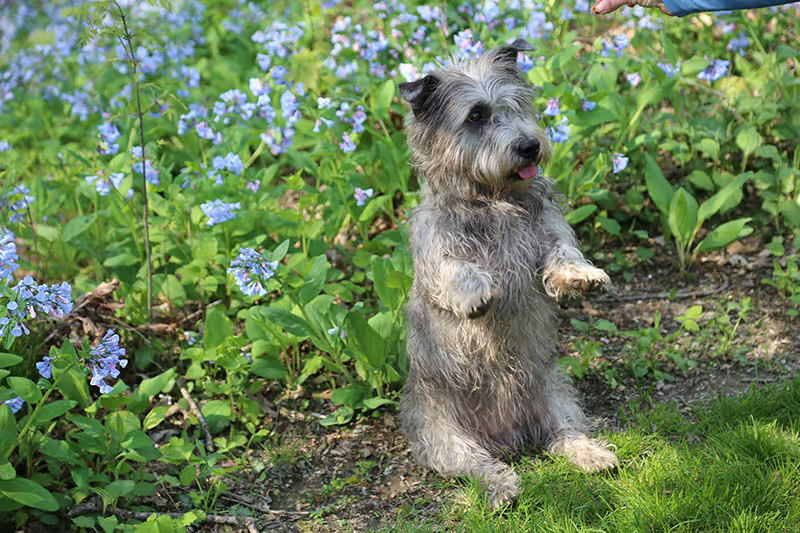
Is Glen of Imaal Terrier hypoallergenic?
Glen of Imaal Terriers are not considered hypoallergenic. While they may shed less than some other breeds, they still produce dander, which is a common allergen for many people.
Glen of Imaal Terriers are a small, rugged breed originally from Ireland. Known for their loyal and spirited nature, they have a double coat that needs regular grooming. Despite their low-shedding coat, they produce dander, saliva, and urine, which are primary sources of allergens. Regular grooming and cleaning can help mitigate but not eliminate allergen presence. Their playful and affectionate nature makes them wonderful companions, but not ideal for those with severe allergies.
Want a pet to cuddle without any worries? Try immunotherapy with Curex!
Take a QuizCommon Symptoms of Glen of Imaal Terrier Allergies
- Sneezing: This is a common allergic reaction to dog dander, which Glen of Imaal Terriers may produce.
- Runny or Stuffy Nose: Exposure to allergens from the dog can cause nasal congestion or drainage.
- Itchy, Red, or Watery Eyes: Allergens can lead to irritation and inflammation of the eyes.
- Coughing: Inhaling dog dander can irritate the airways.
- Wheezing: Allergies to dogs can trigger asthma symptoms, including wheezing.
- Skin Rash or Hives: Direct contact with the dog’s fur or saliva can cause skin reactions.
- Shortness of Breath: In severe cases, allergens can significantly impact breathing.
- Facial Pain (from nasal congestion): Added pressure and discomfort may occur due to blocked sinuses.
- Fatigue: Ongoing allergic reactions can lead to a feeling of persistent tiredness.
- Postnasal Drip: Mucus accumulation in the throat can occur due to nasal congestion.
Best Hypoallergenic Dogs Like Glen of Imaal Terrier
Glen of Imaal Terrier
Originating from Ireland, the Glen of Imaal Terrier is known for its minimal shedding, making it a great option for those with allergies. Its wiry coat traps dander and loose hair, reducing airborne allergens.Poodle
Available in toy, miniature, and standard sizes, Poodles are well-regarded for their hypoallergenic qualities. Their curly coats require regular grooming but shed very little, thus lowering the risk of allergens.Portuguese Water Dog
This breed has a curly or wavy coat that minimizes dander release. Originally bred for working on fishing boats, the Portuguese Water Dog is both energetic and hypoallergenic.
Bichon Frise
Known for its puffy, white coat, the Bichon Frise is another hypoallergenic breed. Their hair continuously grows and sheds minimally, reducing the amount of dander in the environment.Schnauzer
Available in miniature, standard, and giant sizes, Schnauzers have a wiry coat that sheds infrequently. Regular grooming ensures that allergens are kept to a minimum.Yorkshire Terrier
This small breed has a fine, silky coat that more closely resembles human hair, which reduces the likelihood of allergic reactions. Their coats shed very little and require regular maintenance.
Maltese
The Maltese is known for its long, flowing coat that sheds minimally. Their hair-like fur requires regular grooming to prevent matting and to control allergens.Labradoodle
A cross between a Labrador Retriever and a Poodle, Labradoodles often inherit the hypoallergenic coat of the Poodle. However, grooming needs may vary depending on the specific coat type they inherit.Shih Tzu
Shih Tzus have a long, luxurious coat that loses hair seldomly. They are typically less likely to cause allergies and require regular grooming to keep their coats in prime condition.
- Havanese
Known for their silky fur, Havanese dogs are another hypoallergenic option. Their coats shed very little, making them suitable for allergy sufferers with consistent grooming practices.
How to Relieve Glen of Imaal Terrier Allergy Symptoms
Regular Cleaning: Regularly clean areas where your Glen of Imaal Terrier spends the most time. This includes vacuuming carpets, washing pet bedding, and wiping down furniture and hard surfaces to reduce dander buildup.
Air Purifiers: Investing in a high-quality air purifier can help filter out pet dander and other allergens from the air, making it easier to breathe.
Bathe Your Dog: Regularly bathing your Glen of Imaal Terrier can significantly reduce the amount of dander they shed. Use a hypoallergenic pet shampoo to avoid irritating your dog's skin.
Wash Hands and Clothes: After playing or cuddling with your dog, always wash your hands thoroughly. Change and launder clothes that have come into contact with your dog to prevent the spread of allergens.
Create Pet-Free Zones: Designate specific rooms in your home as pet-free zones, such as bedrooms or nurseries, to give you places with reduced allergen exposure.
Medications: Consult with a healthcare provider about over-the-counter or prescription antihistamines and decongestants to help manage symptoms of pet allergy.
Curex - Immunotherapy: Consider exploring immunotherapy options like Curex, which involves gradually exposing your immune system to small amounts of the allergens responsible for your symptoms. This can help build up a tolerance over time and potentially reduce your allergic reactions. Always consult with an allergist or healthcare professional to understand if this treatment is right for you.
Frequent Grooming: Regularly brushing your Terrier can help remove loose fur and dander. If possible, have someone without allergies perform this task outside to minimize indoor allergens.


