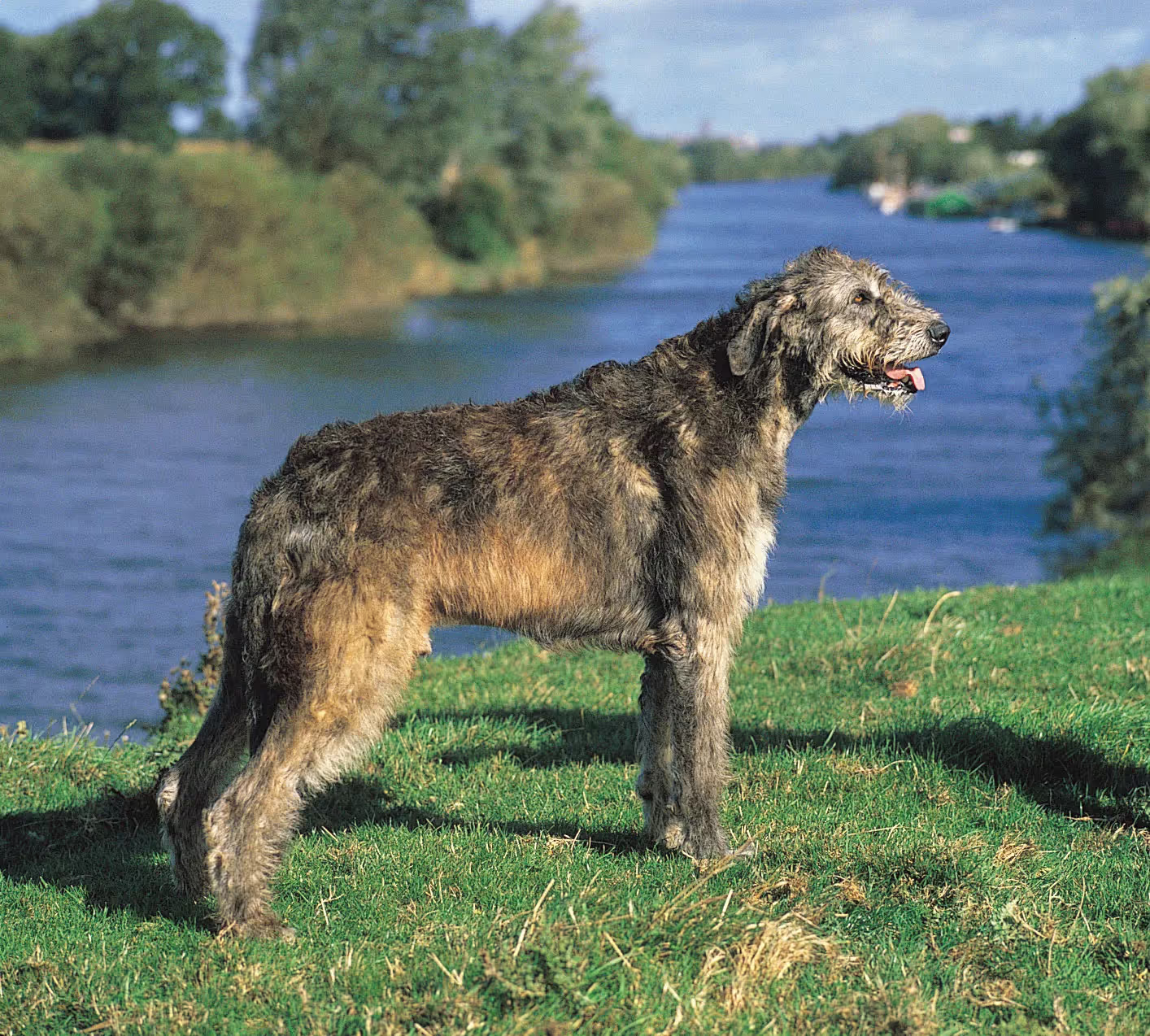
Allergy to Irish Wolfhound 101: Factors & Overview

Discover if Irish Wolfhounds are hypoallergenic. Learn about factors, symptoms, emergencies, proper bathing, and alternative dog breeds for allergy sufferers.

Is Irish Wolfhound hypoallergenic?

Irish Wolfhounds are not considered hypoallergenic. Like many other dog breeds, they shed hair and dander, which can trigger allergic reactions in sensitive individuals.

Irish Wolfhounds are known for their gentle temperament, towering height, and wiry coat. Although their coat does not shed excessively compared to some breeds, they still produce a significant amount of dander. Factors that make Irish Wolfhounds more allergenic include their size, as larger dogs have more skin and thus potentially more dander, and their grooming needs, which can spread allergens. Regular cleaning and grooming may help mitigate some of the allergenic effects but will not eliminate them.

Want a pet to cuddle without any worries? Try immunotherapy with Curex!

Take a Quiz

Common Symptoms of Irish Wolfhound Allergies

  • Sneezing: Persistent sneezing upon exposure to the dog.
  • Runny or Stuffy Nose: Increased nasal discharge or congestion.
  • Itchy or Watery Eyes: Eyes may itch, redden, and produce more tears.
  • Coughing: Dry cough that intensifies upon exposure.
  • Skin Reactions: Red or itchy skin, sometimes developing into hives or rashes.
  • Wheezing: Difficulty breathing or an audible wheeze.
  • Sinus Pressure: Pain or pressure around the nose and forehead.
  • Asthma Flare-Ups: Pre-existing asthma symptoms may worsen.

Best Hypoallergenic Dogs Like Irish Wolfhound

  • Poodle
    Poodles come in three sizes: standard, miniature, and toy. They are highly intelligent and have a curly, hypoallergenic coat that sheds minimally, making them a great choice for allergy sufferers.

  • Portuguese Water Dog
    Known for their curly, waterproof coat, Portuguese Water Dogs are excellent for people with allergies. They are energetic, loving, and require regular grooming to keep their coats in check.

  • Soft Coated Wheaten Terrier

This breed has a silky, soft coat that is less likely to shed, making them a more allergy-friendly option. They are friendly, active, and need consistent grooming to avoid matting.

  • Bichon Frise
    Bichon Frises have a curly, white coat that produces little dander. They are cheerful, affectionate, and require regular grooming to maintain their hypoallergenic qualities.

  • Kerry Blue Terrier
    Kerry Blue Terriers have a unique blue-gray coat that is hypoallergenic. They are spirited, loyal, and need regular grooming to keep their coat healthy and reduce shedding.

  • Schnauzer

Schnauzers come in three sizes: giant, standard, and miniature. They have a wiry coat that sheds minimally and are known for being alert, energetic, and groomed to reduce allergen production.

  • Lagotto Romagnolo
    This breed has a dense, curly coat that is hypoallergenic. Originally bred for truffle hunting, Lagotto Romagnolos are smart, affectionate, and benefit from regular grooming to manage their coat.

  • Chinese Crested
    Available in two varieties, hairless and powderpuff, Chinese Cresteds are a good option for those with allergies. The hairless variety has smooth skin with tufts of hair, while the powderpuff has a soft, flowing coat that requires grooming.

  • Basenji

Known as the "barkless dog," Basenjis have short, fine coats that produce minimal dander. They are independent, intelligent, and their grooming needs are relatively low, making them suitable for allergy sufferers.

How to Relieve Irish Wolfhound Allergy Symptoms

If you're experiencing allergy symptoms due to an Irish Wolfhound, there are several strategies you can employ to alleviate the discomfort:

  • Regular Cleaning: Vacuum your home frequently using a vacuum cleaner with a HEPA filter. Also, clean furniture and wash pet bedding regularly to reduce allergen buildup.

  • Air Purifiers: Investing in a good air purifier can help to reduce airborne allergens. Make sure it comes with a HEPA filter for best results.

  • Bedroom Off-Limits: Keep the Irish Wolfhound out of your bedroom and other sleeping areas. This reduces the amount of allergens in the areas where you spend the most time.

  • Personal Hygiene: After interacting with your dog, wash your hands and face to remove any allergens. You could also change your clothes if you've had prolonged contact.

  • Medications: Over-the-counter antihistamines can be helpful in managing symptoms. In some cases, nasal corticosteroids or decongestants may also be recommended by your doctor.

  • Curex - Immunotherapy: This is a long-term treatment option where you gradually expose your immune system to the allergen, aiming to desensitize it over time. Curex offers personalized immunotherapy treatment which can be very effective in reducing or even eliminating allergy symptoms.

  • Grooming: Regularly groom your Irish Wolfhound to reduce shed hair and dander. If possible, have someone else do the grooming, or at least do it outside to minimize indoor allergen concentration.

  • Hypoallergenic Products: Use hypoallergenic shampoos and other cleaning products on your dog. These can help to reduce the allergens present on their skin and coat.

By combining these strategies, you can manage and significantly alleviate your allergy symptoms related to an Irish Wolfhound. Always consult with a healthcare professional before starting any new treatment.

Schedule Now - $49

Review your allergy test results with a Curex allergist.

How Often Should I Bathe my Irish Wolfhound to Reduce Allergens?

To manage allergens and ensure your Irish Wolfhound stays clean and comfortable, consider the following bathing frequency and tips:

  • Bathing Frequency: Bathe your Irish Wolfhound every 4 to 8 weeks. Over-bathing can strip the natural oils from their coat, leading to dry skin and potential irritation.

  • Brushing: Regular brushing, at least once a week, helps remove loose hair and dander, which can contribute to allergens. Use a quality brush suited to your dog's coat type.

  • Hypoallergenic Shampoo: Opt for a hypoallergenic or mild dog shampoo, particularly designed to reduce allergens. Avoid human shampoos as they can be too harsh for your pet's skin.

  • Wiping Down: In between baths, wipe your dog down with pet-safe wipes or a damp cloth to help control allergens. This is especially useful if your dog has been outdoors.

  • Cleaning Environment: Maintain a clean living environment by vacuuming regularly and washing dog bedding frequently. This can help reduce the overall allergen load in your home.

  • Diet and Health: A healthy diet supports skin and coat health, potentially reducing shedding and dander. Consult your vet for the best nutrition plan.

  • Professional Grooming: Consider professional grooming for thorough cleaning and de-shedding, particularly if your dog has a dense or long coat.

Implement these practices to help reduce allergens and keep your Irish Wolfhound comfortable and clean.

How to Recognize a Medical Emergency in Case of Irish Wolfhound Allergy?

Recognizing a Medical Emergency in Case of Irish Wolfhound Allergy

Identifying an allergic reaction to an Irish Wolfhound quickly and accurately is crucial. Here are some signs and symptoms to look for:

  • Skin Reactions: Look for hives, eczema, redness, or swelling where the skin has come into contact with the dog. In some cases, scratching or rubbing the area can worsen the reaction.
  • Respiratory Symptoms: Be alert for symptoms such as sneezing, runny or blocked nose, coughing, wheezing, shortness of breath, or chest tightness. These can escalate quickly.
  • Eye Irritation: Symptoms such as itchy, red, watery eyes can indicate an allergic reaction.
  • Gastrointestinal Issues: Although less common, nausea, vomiting, or diarrhea can occur.
  • Severe Reactions (Anaphylaxis): This is a life-threatening condition and requires immediate medical attention. Symptoms of anaphylaxis include:
  • Difficulty breathing or swallowing
  • Swelling of the face, throat, or tongue
  • Rapid or weak pulse
  • Severe drop in blood pressure
  • Dizziness or loss of consciousness

Immediate Steps to Take

  • Remove Exposure: Quickly remove the person from the environment containing the Irish Wolfhound to limit further exposure.
  • Administer Medication: If the person has a known allergy, administer an antihistamine or use an epinephrine injector (EpiPen) as prescribed.
  • Seek Medical Help: Call emergency services immediately, especially if there are signs of anaphylaxis.
  • Stay Calm and Monitor: Keep the affected person calm and monitor their condition while waiting for medical help to arrive.

Preventive Measures

  • Clean Environment: Regularly clean the home to remove dog dander. Use air purifiers to help reduce allergens.
  • Personal Hygiene: Washing hands after petting or playing with the dog can minimize contact with allergens.
  • Consult Professionals: Speak to a doctor or allergist about long-term management plans, including potential immunotherapy (allergy shots).

Recognizing these signs early and taking swift action can make a significant difference during a medical emergency.

Reunite with your furry friend!

(Or your roommate’s cat that knocks your coffee over every morning)

With Curex:

woman hugging cat
check icon

Spend time around pets without the symptoms.

check icon

Become less dependent on allergy meds.

check icon

Treat outdoor & indoor allergies along with pet allergies.

Without Curex:

curex allergy triggers

Practice avoidance around pets.

Frequent use of meds, drops and sprays.

Risk of developing chronic health problems.

Curex is the most convenient way to treat allergies.

No In-Person Visits

Apply treatment in seconds without wasting time in waiting rooms.

5-30x higher cumulative dose vs allergy shots

Sublingual immunotherapy delivers a higher dose of allergens over the course of treatment.

Superior safety profile

Even people suffering from severe reactions choose sublingual treatment over allergy shots!

No painful injections

Treatment is applied under-the-tongue daily, no needles or painful injections involved.

FAQs

Sign up for Free Webinar
What is Curex?
Is Curex legitimate?
What services do you offer?
Does Curex accept insurance?
Should I use insurance if I'm not sure about my deductibles or copays?
What conditions do you treat?
What is immunotherapy?
Can my child use Curex?
Does Curex treat food allergies?
What is your cancellation policy?
What's in my treatment?
How does allergy testing work?
Is sublingual immunotherapy safe?