


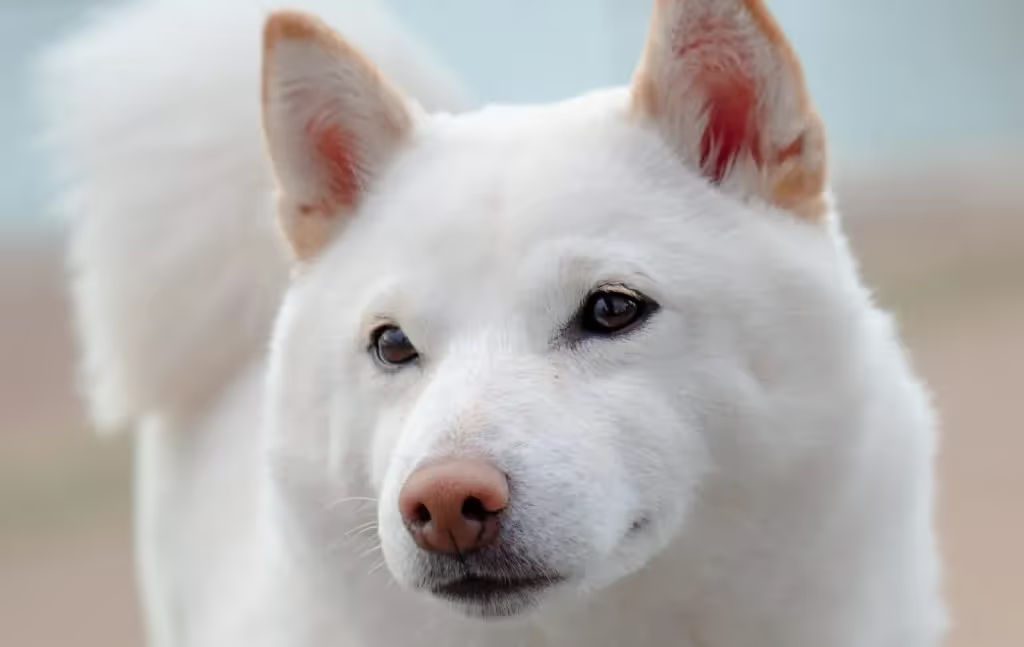
Is Kishu Ken hypoallergenic?
Kishu Ken is not considered hypoallergenic. This ancient Japanese breed has a double coat that sheds moderately year-round and more heavily during seasonal changes, which can trigger allergies in sensitive individuals. The breed also produces dander, a common allergen, which can be dispersed in the air and furniture.
Kishu Ken Overview in Allergy Context:
Kishu Kens are medium-sized dogs originally bred for hunting. They have a dense double coat that protects them in various weather conditions but contributes to their allergenic potential. The two key factors that can make them more allergenic include:
- Shedding: Frequent shedding releases fur and dander into the environment.
- Saliva and Skin Oils: Their saliva and skin oils can also carry allergens, which are then transferred to their coat and spread around the home.
Want a pet to cuddle without any worries? Try immunotherapy with Curex!
Take a QuizCommon Symptoms of Kishu Ken Allergies
- Sneezing: Frequent and uncontrollable sneezing.
- Runny or Stuffy Nose: Continuous nasal discharge or a feeling of nasal congestion.
- Itchy or Watery Eyes: Eyes may become red, itchy, and watery.
- Coughing: Persistent cough that can be dry or accompanied by phlegm.
- Shortness of Breath: Difficulty breathing or tightness in the chest.
- Skin Reactions: Itching, redness, or rash on areas of skin that have come into contact with the dog or its dander.
- Wheezing: High-pitched whistling sound when breathing, often associated with asthma.
- Fatigue: Feeling unusually tired due to the body's allergic response.
- Sinus Pressure: Pain or pressure around the forehead, cheeks, and eyes.
- Swelling: Mild swelling around the eyes, nose, or face.
Best Hypoallergenic Dogs Like Kishu Ken
Kishu Ken
The Kishu Ken is a loyal, energetic, and highly intelligent breed. Known for their hunting prowess, Kishus have a short, dense coat that minimizes shedding and dander, making them a suitable option for allergy sufferers.Poodle
Poodles are highly regarded for their hypoallergenic qualities due to their curly, non-shedding coats. They come in various sizes, from Toy to Standard, and are known for their intelligence and trainability.Bichon Frise
The Bichon Frise is friendly and affectionate with a curly, fluffy coat that doesn't shed much, thereby producing less dander. Their cheerful personality makes them a great companion for families.
Portuguese Water Dog
Known for their love of water and strong work ethic, Portuguese Water Dogs have curly or wavy coats that are hypoallergenic. This breed is also very active and needs plenty of exercises.Schnauzer
Available in Miniature, Standard, and Giant sizes, Schnauzers have a wiry, low-shedding coat that makes them a good fit for people with allergies. They are also known for their energetic and protective nature.Maltese
Maltese dogs have long, silky hair that serves as a protective barrier against shedding. They are small in size and very affectionate, making them excellent lap dogs.
Yorkshire Terrier
Yorkshire Terriers have a long, human-like hair coat that is less likely to cause allergic reactions. They are also feisty, energetic, and very loyal to their owners.Havanese
The Havanese has a silky, non-shedding coat, suitable for allergy sufferers. Known for their playful and friendly nature, they are ideal for households with children and other pets.Shih Tzu
Shih Tzus have a long, flowing hair coat akin to human hair, which reduces dander. They are known for being affectionate and adaptable, making great companions for various living environments.
How to Relieve Kishu Ken Allergy Symptoms
If you or someone you know is allergic to a Kishu Ken, managing the symptoms is essential for comfort and wellbeing. Here are some effective ways to relieve Kishu Ken allergy symptoms:
Medications: Antihistamines, decongestants, and nasal corticosteroids can help reduce symptoms like sneezing, itching, and congestion. Over-the-counter options include Claritin, Zyrtec, and Benadryl.
Home Cleaning: Regularly clean your home to reduce allergens. Use a HEPA filter vacuum cleaner, wash bedding and curtains frequently, and consider using an air purifier to minimize airborne allergens.
Limit Contact: Minimize direct contact with the dog. If possible, keep the Kishu Ken out of your bedroom and other areas where you spend a lot of time.
Bathing and Grooming: Regularly bathing and grooming the Kishu Ken can reduce the amount of dander. Use pet-friendly shampoos and have brushing done outside if possible.
Curex - Immunotherapy: For long-term relief, Curex offers immunotherapy treatments which can help reduce your sensitivity to the allergens produced by Kishu Kens. This treatment involves gradually exposing your immune system to the allergens in controlled doses.
Washing Hands and Clothes: Always wash your hands after petting or playing with the dog. Changing and washing clothes that may have pet dander on them can also help reduce symptoms.
- Consult a Specialist: Seeing an allergist for professional advice is a good idea. They might recommend specific treatments tailored to your situation, including prescription medication or specialized therapies.


