


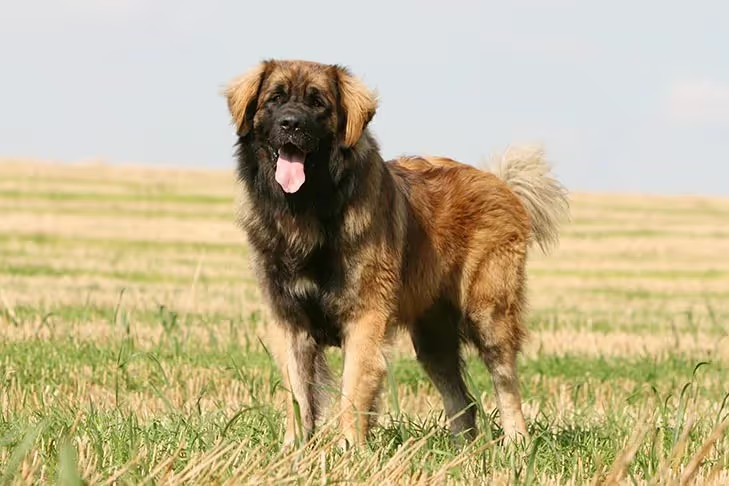
Is Leonberger hypoallergenic?
The Leonberger is not considered a hypoallergenic breed. These dogs have a thick, double coat that sheds significantly, especially during seasonal changes, which can release more allergens into the environment.
Leonbergers are large, friendly dogs known for their loyalty and gentle temperament. Due to their dense fur, they produce a substantial amount of dander—a common allergen. Frequent grooming is required to manage shedding, but it doesn't reduce their allergenic potential. Factors making them more allergenic include their size (more skin, more dander), heavy shedding, and the frequency of drooling, which can spread saliva allergens.
Want a pet to cuddle without any worries? Try immunotherapy with Curex!
Take a QuizCommon Symptoms of Leonberger Allergies
- Sneezing: Frequent sneezing, especially when in close proximity to the dog.
- Runny or Stuffy Nose: Nasal congestion or a runny nose that tends to worsen around the pet.
- Watery or Itchy Eyes: Eyes may become red, itchy, and watery when exposed to dog dander.
- Coughing: Persistent coughing, particularly in areas where the dog spends a lot of time.
- Shortness of Breath: Difficulty breathing or a feeling of tightness in the chest.
- Rash or Hives: Development of itchy skin rashes or hives where the dog has licked, scratched, or come into direct contact with.
- Itchy Skin: Generalized itching of the skin without a visible rash.
- Wheezing: A high-pitched whistling sound when breathing out.
- Swelling: Swelling, particularly around the eyes and nasal passages.
- Fatigue: A sense of fatigue and malaise, often due to ongoing allergic reactions.
Best Hypoallergenic Dogs Like Leonberger
Poodle
Poodles come in three sizes: Standard, Miniature, and Toy. They are well-known for their intelligence, hypoallergenic coats, and minimal shedding. Their curly hair traps dander, making it less likely to spread allergens around the home.Portuguese Water Dog
Originally bred for working on fishing boats, Portuguese Water Dogs have a curly and dense coat that is hypoallergenic. They are energetic, intelligent, and require regular grooming to maintain their coat.Bichon Frise
The Bichon Frise is a small dog with a soft, curly coat that produces less dander. Their fur is low-shed, making them a suitable choice for allergy sufferers. Regular grooming is essential to keep their coat in top condition.
Miniature Schnauzer
Known for their distinct beard and eyebrows, Miniature Schnauzers have a wiry coat that sheds minimally. Their hypoallergenic qualities make them a good fit for those with allergies, and they are also spirited and friendly.Shih Tzu
Shih Tzus, with their long and flowing double coats, produce less dander and are considered hypoallergenic. Despite their luxurious coat, they shed very little, but grooming is important to prevent matting.Havanese
With a silky and flowing coat, the Havanese is another hypoallergenic breed. They are small, affectionate, and require regular brushing to maintain their coat. Their low-shed nature makes them a good choice for people with allergies.
Labradoodle (F1B and F2B generations)
Labradoodles, especially the F1B and F2B generations which have a higher percentage of Poodle genetics, tend to be more hypoallergenic. These dogs are friendly, intelligent, and come with a wavy or curly coat that sheds minimally.Yorkshire Terrier
Yorkshire Terriers have fine, silky hair that resembles human hair more than fur, resulting in lower allergen production. They are small, energetic, and require regular grooming to prevent their hair from tangling.Maltese
With their long, silky white hair, Maltese dogs produce less dander and are suitable for those with allergies. They are small, gentle, and require regular grooming to keep their coat healthy.
- Soft Coated Wheaten Terrier
Soft Coated Wheaten Terriers have a single-layered coat that is soft and wavy. Their hypoallergenic coat produces less dander, making them a good option for allergy sufferers. Regular grooming helps keep their coat free of tangles.
How to Relieve Leonberger Allergy Symptoms
If you're struggling with an allergy to a Leonberger, here are some ways you can manage and relieve your symptoms:
Environmental Controls
- Frequent Cleaning: Regularly vacuum your home using a vacuum cleaner with a HEPA filter. Dust surfaces often and wash bedding, curtains, and rugs that could harbor pet dander.
- Air Purifiers: Use high-efficiency particulate air (HEPA) purifiers to reduce airborne pet dander.
- Restricted Areas: Create pet-free zones in your home, especially in bedrooms and sleeping areas, to minimize exposure.
Personal Hygiene
- Hand Washing: Wash your hands thoroughly after petting or playing with your Leonberger.
- Clothing Care: Change clothes after prolonged exposure to the dog and wash pet clothing separately.
Medication and Treatments
- Antihistamines: Over-the-counter antihistamines like loratadine or cetirizine can help alleviate symptoms such as sneezing, itching, and runny nose.
- Nasal Sprays: Saline nasal sprays or steroid nasal sprays can reduce nasal congestion and inflammation.
- Eye Drops: Eye drops formulated for allergy relief can ease itching and redness.
Advanced Treatment Options
- Curex - Immunotherapy: Curex offers immunotherapy as a treatment option. This involves exposing the immune system to small, controlled amounts of the allergen over time to build up tolerance and reduce symptoms.
- Consult an Allergist: For personalized treatment plans, it's best to consult with an allergist who can provide tailored advice and may recommend immunotherapy or other specialized treatments.
Lifestyle Adjustments
- Regular Bathing: Bathe your Leonberger regularly to reduce dander buildup on their coat. Use hypoallergenic pet shampoo to avoid skin irritation for your dog.
- Grooming: Regular grooming with a focus on brushing can help reduce the amount of loose hair and dander in your living environment. Consider professional grooming services to further minimize exposure to allergens.
Taking multiple steps in managing your environment and personal exposure can significantly reduce the impact of Leonberger-specific allergies.


