


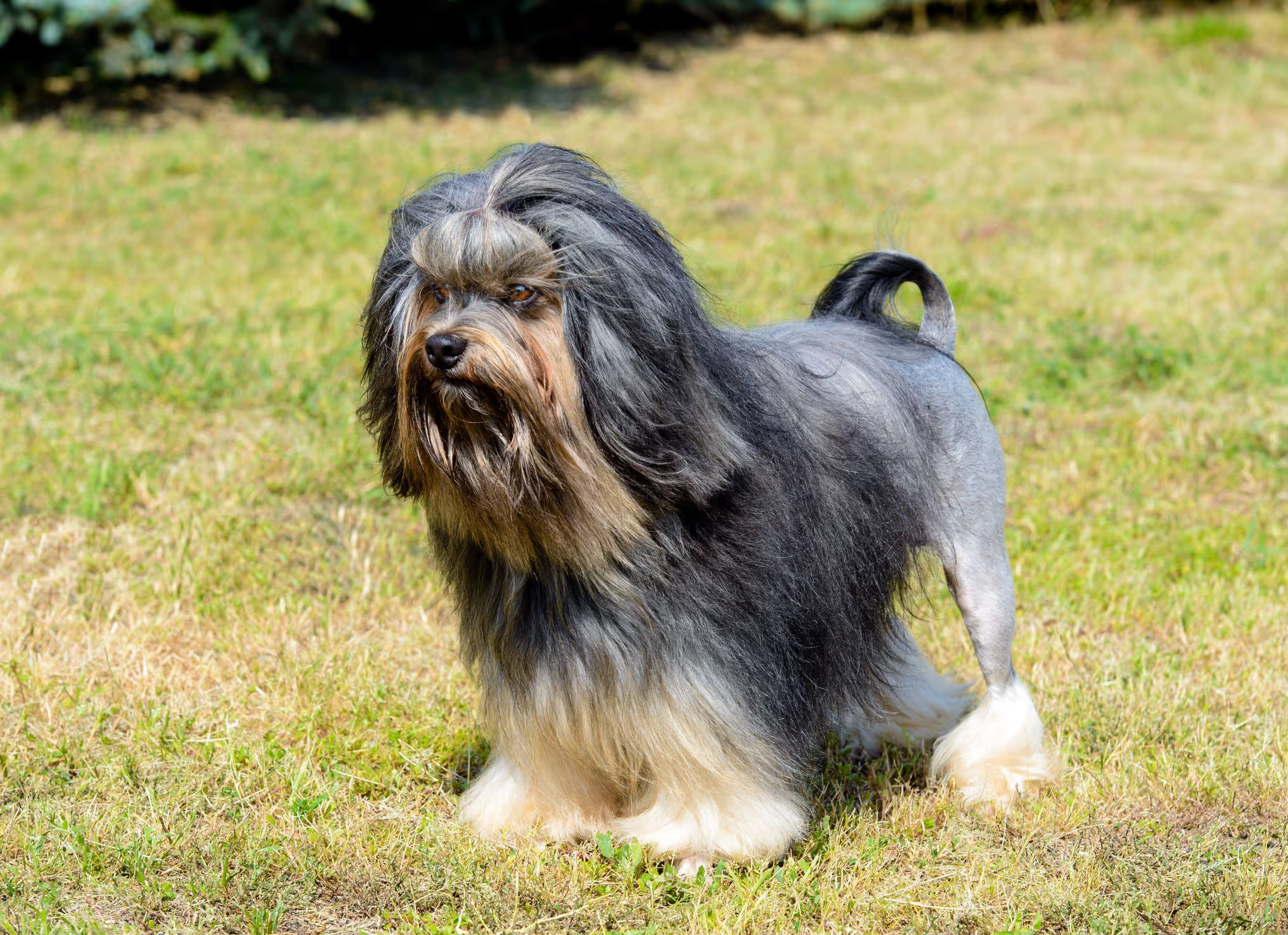
Is Löwchen hypoallergenic?
Löwchen, also known as "Little Lion Dogs," are not considered hypoallergenic. While their long, flowing coats may not shed as much as some other breeds, they can still produce dander, a common allergen.
Löwchen are small, toy-sized dogs characterized by a lion-like mane. Their coat requires regular grooming to prevent matting. Despite shedding minimally, grooming activities can release dander and hair into the air, potentially triggering allergic reactions. Additionally, their saliva and skin flakes also contribute to allergens in the home. Regular vacuuming and air purifiers might help, but individuals with severe allergies should consider spending time around a Löwchen before deciding to adopt.
Want a pet to cuddle without any worries? Try immunotherapy with Curex!
Take a QuizCommon Symptoms of Löwchen Allergies
- Sneezing: Frequent, often uncontrollable episodes of sneezing.
- Runny or Stuffy Nose: Persistent nasal congestion or excessive nasal discharge.
- Watery or Itchy Eyes: Red, swollen, and constantly watering eyes.
- Coughing: A dry, persistent cough that may worsen around the dog.
- Shortness of Breath: Difficulty breathing, especially after direct contact with the dog.
- Skin Rashes: Red, itchy patches on the skin that may appear after touching the dog.
- Hives: Raised, red welts on the skin that can be very itchy and uncomfortable.
- Wheezing: A high-pitched whistling sound while exhaling, often indicating restricted airways.
- A Run-Down Feeling: General fatigue or malaise without any other clear cause.
- Sinus Pain or Pressure: Discomfort or pain in the facial area around the sinuses.
Best Hypoallergenic Dogs Like Löwchen
Löwchen
Known as the "Little Lion Dog," the Löwchen is friendly, lively, and non-shedding.
Poodle
Available in Standard, Miniature, and Toy sizes, Poodles are highly intelligent, easy to train, and have a hypoallergenic coat that requires regular grooming.
Bichon Frise
Small, cheerful, and affectionate, the Bichon Frise has a curly, hypoallergenic coat and a playful nature.
Portuguese Water Dog
Active and adventurous, the Portuguese Water Dog has a waterproof, curly or wavy coat and is known for being an excellent swimmer.
Maltese
With their silky, white coats, Maltese dogs are gentle, playful, and well-suited for people with allergies.
Yorkshire Terrier
Often simply called Yorkies, these tiny dogs are feisty and have a fine, silky coat that doesn’t shed much.
Shih Tzu
Known for their affectionate and friendly nature, Shih Tzus have a long, flowing coat that is less likely to trigger allergies if properly groomed.
Havanese
The national dog of Cuba, Havanese are small, sturdy, and have a soft, silky coat that is hypoallergenic.
Soft Coated Wheaten Terrier
Known for their friendly disposition, Wheaten Terriers have a single-layer, silky coat that doesn't shed much and is hypoallergenic.
Schnauzer
Available in Miniature, Standard, and Giant varieties, Schnauzers are energetic, intelligent, and have a wiry coat that is less likely to cause allergies.
How to Relieve Löwchen Allergy Symptoms
Environmental Controls
- Regular Cleaning: Maintain a strict cleaning regimen in your home. This includes vacuuming with a HEPA filter vacuum and washing linens and dog beds regularly.
- Air Purifiers: Utilize HEPA air purifiers to reduce the number of airborne allergens.
- Pet-Free Zones: Designate certain areas of your home, such as bedrooms, as pet-free zones to minimize exposure.
Personal Hygiene
- Frequent Hand Washing: Always wash your hands after touching your Löwchen.
- Clothing Caution: Change clothes after prolonged interaction with your pet to prevent spreading allergens around the house.
- Showering: Regularly shower to remove any allergens that may have accumulated on your skin and hair.
Health Management
- Antihistamines: Over-the-counter or prescribed antihistamines can help manage common allergy symptoms such as sneezing, itching, and runny nose.
- Nasal Sprays: Use corticosteroid nasal sprays to alleviate nasal congestion and inflammation.
- Eye Drops: Antihistamine eye drops can help relieve itchy and watery eyes.
Advanced Treatments
- Curex Immunotherapy: Consider Curex, an immunotherapy treatment designed to increase your tolerance to dog allergens over time. This treatment requires consistency and monitoring by a healthcare provider to ensure effectiveness and safety.
Additional Tips
- Bathing Your Pet: Regularly bathe your Löwchen using pet-safe shampoos to reduce the amount of dander.
- Grooming: Regular grooming can help minimize shedding and distribution of allergens.
- Diet Adjustments: Sometimes, an allergy-friendly diet for your dog can reduce the level of allergens they produce.
Implement these strategies to effectively manage and relieve your allergy symptoms related to your Löwchen.


