


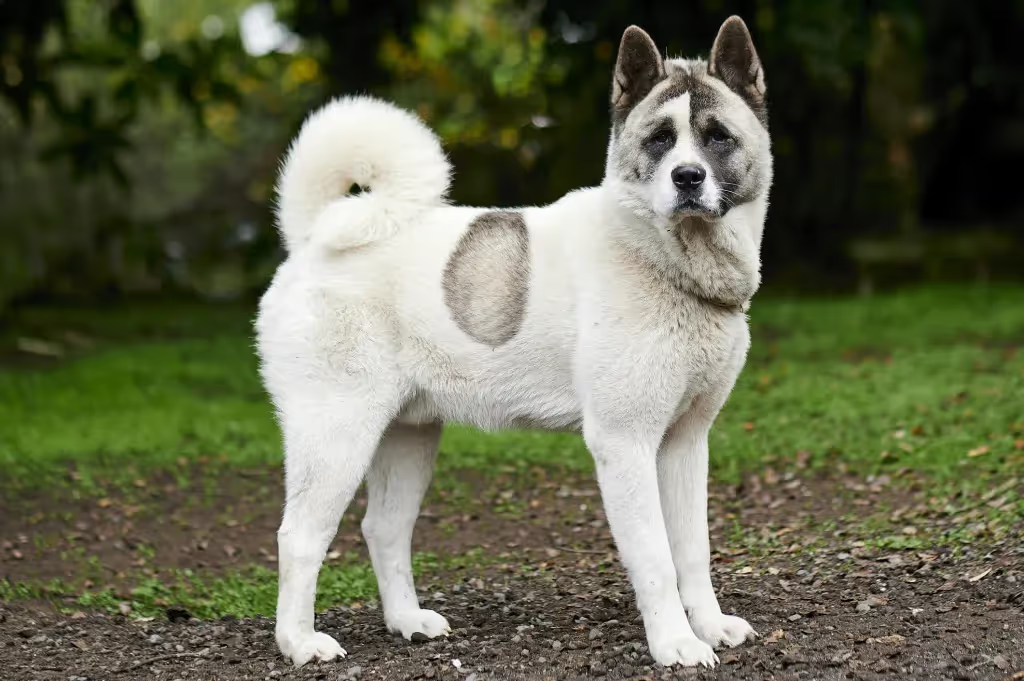
Is Norwegian Buhund hypoallergenic?
No, the Norwegian Buhund is not considered hypoallergenic. This breed sheds moderately and possesses a double coat, which can contribute to the spread of allergens like dander and hair around the home. People with dog allergies may find it challenging to live with a Norwegian Buhund due to these factors.
Overview: The Norwegian Buhund is a medium-sized herding dog with a high-energy level, friendly demeanor, and keen intelligence. Their dense double coat offers protection from harsh weather but also means more shedding and potential allergen release. Regular grooming helps minimize shedding but doesn't eliminate allergen exposure. Saliva and urine can also carry allergens, making this breed more problematic for allergy sufferers.
Want a pet to cuddle without any worries? Try immunotherapy with Curex!
Take a QuizCommon Symptoms of Norwegian Buhund Allergies
- Sneezing: Frequent and repetitive sneezing attacks.
- Runny or Stuffy Nose: Excessive nasal discharge or nasal congestion.
- Itchy, Red, or Watery Eyes: Irritation and discomfort in the eyes.
- Coughing: Persistent cough that may worsen at night.
- Shortness of Breath: Difficulty in breathing or a feeling of tightness in the chest.
- Wheezing: A high-pitched whistling sound while breathing.
- Skin Rash: Red, itchy, or inflamed skin, sometimes accompanied by hives.
Best Hypoallergenic Dogs Like Norwegian Buhund
Norwegian Buhund
The Norwegian Buhund is a medium-sized, spitz-type dog known for its hypoallergenic qualities. They shed minimally and produce less dander, making them suitable for allergy sufferers.
Poodle
Available in toy, miniature, and standard sizes, Poodles are among the most hypoallergenic dogs. Their dense, curly coat traps dander, reducing allergen spread.
Portuguese Water Dog
Known for their curly, water-resistant coat, Portuguese Water Dogs are hypoallergenic and shed very little, making them a great choice for people with allergies.
Havanese
The Havanese has a silky, non-shedding coat that makes them hypoallergenic. Regular grooming can further reduce any potential allergens.
Bichon Frise
With their curly, fluffy coats, Bichon Frises are less likely to shed or produce significant dander, making them an excellent option for those with allergies.
Soft Coated Wheaten Terrier
These dogs have a soft, silky coat that does not shed much, reducing the presence of allergens in the home environment.
Maltese
The Maltese has long, flowing hair that doesn’t shed much, which helps keep allergens at bay. Regular grooming is essential to maintain their hypoallergenic qualities.
Yorkshire Terrier
Yorkshire Terriers have fine, human-like hair that does not shed extensively, making them hypoallergenic and easy to manage for allergy sufferers.
Chinese Crested
Whether hairless or with a powder-puff coat, Chinese Cresteds are hypoallergenic dogs that produce less dander compared to many other breeds.
Lagotto Romagnolo
Known for their dense, curly coat, Lagotto Romagnolos are hypoallergenic and do not shed much, making them suitable for those with allergies.
How to Relieve Norwegian Buhund Allergy Symptoms
Identify the Symptoms
Before seeking relief, ensure that what you're experiencing is indeed an allergy to a Norwegian Buhund. Common allergic reactions include:
- Sneezing
- Itchy or watery eyes
- Runny or stuffy nose
- Coughing
- Wheezing or shortness of breath
- Skin rashes or hives
Minimize Exposure
Reducing your exposure to the allergens can make a significant difference. Here are a few strategies:
- Keep the Buhund out of certain rooms: Designate pet-free zones in your home, particularly the bedroom.
- Use high-efficiency particulate air (HEPA) filters: These can trap pet dander in the air.
- Clean frequently: Regularly vacuum carpets, rugs, and upholstered furniture. Washing pet bedding and toys can also help.
- Bathe the dog regularly: Regular baths can reduce the amount of dander the dog sheds.
Medications
Over-the-counter and prescription medications can alleviate allergy symptoms. Consult your doctor about:
- Antihistamines: These can reduce sneezing, runny nose, and itchiness.
- Decongestants: Effective for relieving a stuffy nose.
- Nasal corticosteroids: These sprays can help with inflammation and congestion.
- Eye drops: Specialized eye drops can reduce itchiness and redness.
Immunotherapy
For a more long-term solution, consider:
- Curex - Immunotherapy: Curex offers sublingual immunotherapy, which involves placing drops or tablets under the tongue. This treatment helps build tolerance to the allergen over time, potentially reducing or eliminating symptoms.
Consult an Allergist
If you're unsure what's causing your symptoms or if your symptoms are severe, consult a healthcare provider. Allergists can perform tests to pinpoint the exact cause and suggest personalized treatment plans.


