


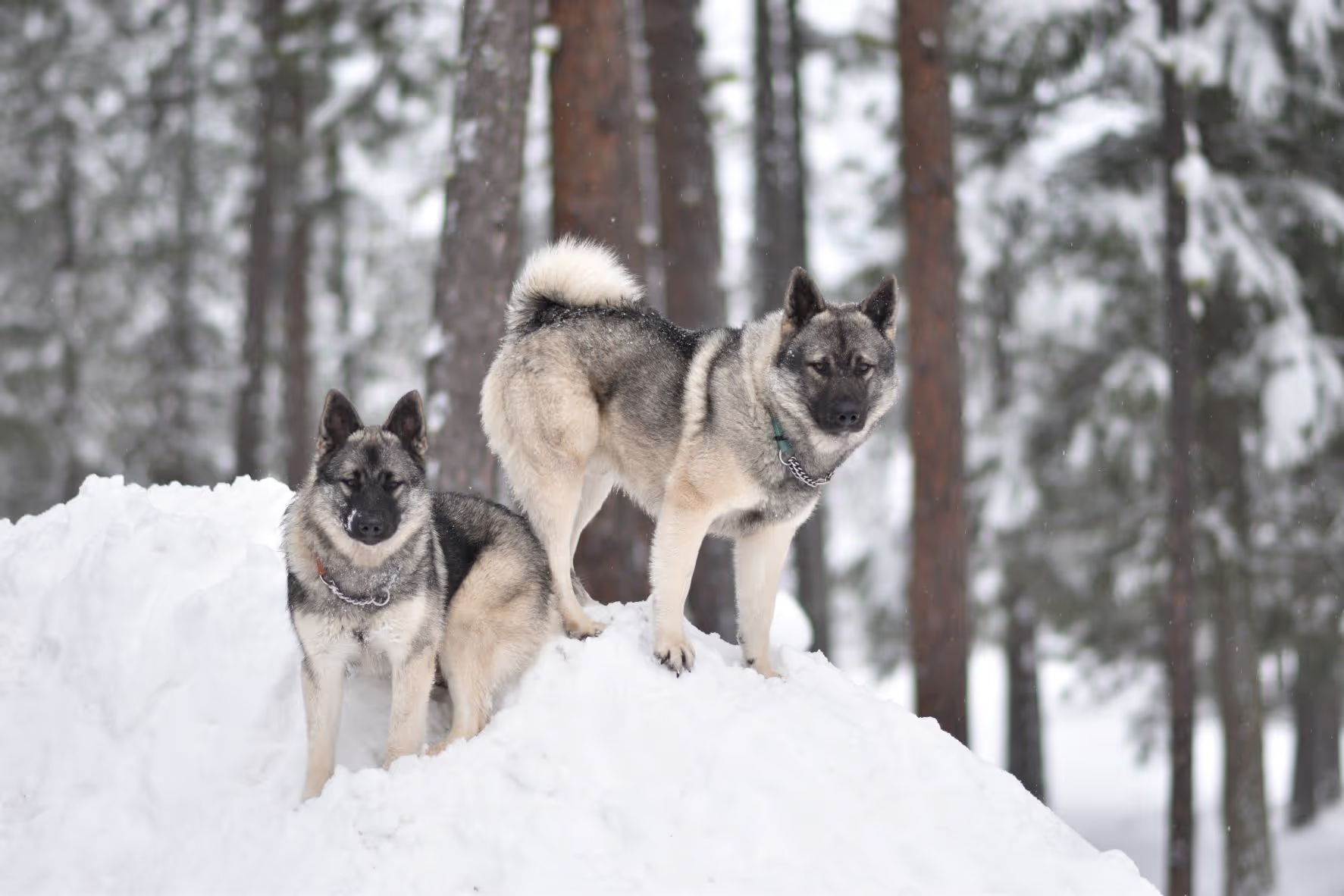
Is Norwegian Elkhound hypoallergenic?
No, the Norwegian Elkhound is not considered hypoallergenic. They have a dense double coat that sheds year-round and more heavily during seasonal changes, releasing dander into the environment, which can trigger allergies.
Norwegian Elkhounds are robust and energetic dogs known for their keen hunting abilities and loyal nature. They have a thick, double-layered coat designed to protect them in harsh weather, which unfortunately contributes to frequent shedding and a higher release of dander. Factors making Norwegian Elkhounds more allergenic include:
- Dense double coat that sheds profusely
- High levels of dander
- Saliva, which can also be allergenic when it dries on their fur or in areas they frequent
Regular grooming and cleaning can help mitigate allergen levels but may not be enough for highly sensitive individuals.
Want a pet to cuddle without any worries? Try immunotherapy with Curex!
Take a QuizCommon Symptoms of Norwegian Elkhound Allergies
- Sneezing: Frequent or persistent sneezing can be triggered when coming into contact with the Norwegian Elkhound's dander, saliva, or fur.
- Runny or Stuffy Nose: The nasal passages may become congested or produce excess mucus.
- Itchy or Watery Eyes: Eyes may become irritated and produce more tears as a reaction to allergens.
- Skin Rash: Direct contact with the dog can cause red, itchy patches or hives on the skin.
- Coughing: An allergic reaction might produce a chronic cough due to irritation in the airways.
- Wheezing: Breathing may become noisy or labored, especially in individuals with asthma.
- Shortness of Breath: Difficulty in breathing can occur in severe allergic reactions or in those with pre-existing respiratory conditions.
- Facial Pain or Pressure: Sinus congestion can lead to discomfort or a feeling of fullness in the face.
- Fatigue: Persistent symptoms may contribute to overall tiredness and lack of energy.
- Sore Throat: Postnasal drip from a runny nose can lead to throat irritation and soreness.
Best Hypoallergenic Dogs Like Norwegian Elkhound
Poodle
The Poodle, available in Standard, Miniature, and Toy sizes, is known for its hypoallergenic coat. Their curly hair minimizes shedding and produces less dander, making them a popular choice for allergy sufferers.
Bichon Frise
With their plush, curly coat, Bichon Frises are another excellent option for those with allergies. They do require regular grooming to keep their fur from matting, but their lack of shedding makes them a great companion.
Portuguese Water Dog
The Portuguese Water Dog boasts a hypoallergenic, curly coat that reduces shedding. Energetic and friendly, they are well-suited to active families and individuals. Their coat does require consistent grooming to maintain.
Schnauzer
Schnauzers come in Miniature, Standard, and Giant sizes. Their wiry coat is less likely to trigger allergies, although regular grooming is necessary to keep it in good condition. Schnauzers are also known for being intelligent and protective.
Maltese
Maltese dogs have long, silky hair instead of fur, which contributes to their hypoallergenic status. They are small, affectionate dogs that need regular brushing and grooming to avoid tangles.
Yorkshire Terrier
Yorkshire Terriers have hair that is similar in texture to human hair, which reduces the likelihood of allergic reactions. They are small, lively dogs that are easy to groom compared to some other hypoallergenic breeds.
Shih Tzu
Shih Tzus also have hair similar to human hair, resulting in minimal shedding. They are affectionate and friendly, and their coat requires consistent grooming to prevent it from tangling and matting.
Havanese
The Havanese is a small dog with a silky, hypoallergenic coat. Known for being sociable and friendly, they require regular grooming to maintain their soft fur.
Chinese Crested
Available in two varieties, Hairless and Powderpuff, the Chinese Crested is a good choice for people with allergies. The Hairless variety has minimal hair, while the Powderpuff has a fine, soft coat that is less prone to shedding.
Airedale Terrier
Known as the "King of Terriers," the Airedale Terrier has a dense, wiry coat that is less likely to cause allergic reactions. Regular grooming is essential to keep their coat healthy and free of tangles.
How to Relieve Norwegian Elkhound Allergy Symptoms
Reducing Norwegian Elkhound Allergy Symptoms
If you're experiencing allergy symptoms due to a Norwegian Elkhound, there are various steps you can take to manage and potentially reduce these symptoms:
Regular Cleaning: Frequently clean your home to reduce allergens. Vacuum carpets, upholstery, and rugs with a HEPA filter vacuum. Don't forget to dust surfaces and wash bedding regularly.
Air Purifiers: Use HEPA air purifiers to help remove pet dander from the air in your home, making it easier to breathe.
Grooming: Regular grooming of your Norwegian Elkhound can reduce the amount of dander and hair they shed. Consider brushing your dog outside to minimize indoor allergens.
Allergy-Proofing: Create “allergy-free” zones in your home, such as your bedroom, where your dog is not allowed. Use hypoallergenic mattress covers and pillowcases to further reduce exposure to allergens.
Antihistamines and Decongestants: Over-the-counter medications like antihistamines and decongestants can help alleviate allergy symptoms.
Nasal Rinses: Using saline nasal rinses can clear nasal passages of allergens, reducing nasal congestion and irritation.
Change Clothing: After playing with or grooming your dog, change your clothes to prevent the spread of allergens.
Immunotherapy (Curex): Curex offers immunotherapy, a treatment that helps desensitize your immune system to specific allergens over time. This treatment involves gradually exposing you to controlled doses of pet allergens, potentially leading to long-term relief from allergy symptoms.
Implementing these strategies can significantly improve your comfort and quality of life while living with a Norwegian Elkhound.


