


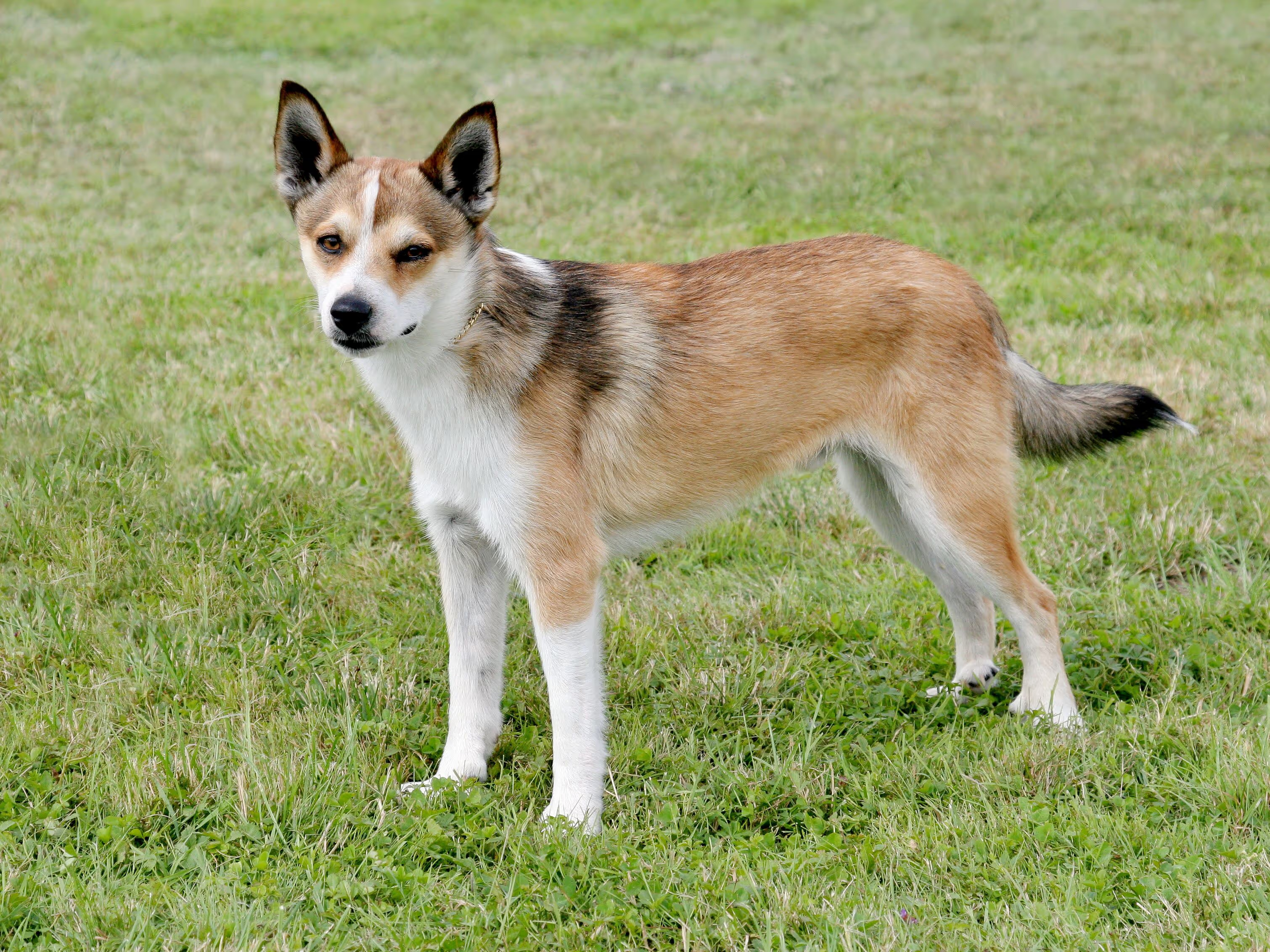
Is Norwegian Lundehund hypoallergenic?
Norwegian Lundehunds are not considered hypoallergenic. While no dog breed is truly hypoallergenic, some produce fewer allergens than others. Unfortunately, Norwegian Lundehunds tend to shed and produce dander, which are common triggers for allergic reactions.
The Norwegian Lundehund is a small Spitz-type dog known for its unique physical adaptations, such as extra toes and flexible joints, which make it an agile climber. However, in the context of allergies, potential owners should be aware that the breed’s shedding and dander production can aggravate symptoms. Regular grooming and cleaning can help manage these allergens but may not completely eliminate them.
Factors that make Norwegian Lundehunds more allergenic include their double coat, which sheds regularly, and the natural oils in their skin that can carry allergens. Regular grooming and frequent bathing can reduce but not entirely prevent allergic reactions for sensitive individuals.
Want a pet to cuddle without any worries? Try immunotherapy with Curex!
Take a QuizCommon Symptoms of Norwegian Lundehund Allergies
- Sneezing: Frequent or sudden sneezing when around the Norwegian Lundehund.
- Runny or Stuffy Nose: Nasal congestion or a constantly runny nose.
- Itchy or Watery Eyes: Eyes may become red, itchy, or watery.
- Coughing: Persistent coughing, especially when near the dog.
- Shortness of Breath: Difficulty breathing or a feeling of tightness in the chest.
- Skin Reactions: Hives, rashes, or itchy skin after direct contact with the dog.
- Wheezing: Whistling sound while breathing, often heard during exhalation.
- Postnasal Drip: Mucus dripping down the throat, causing irritation or a sore throat.
Best Hypoallergenic Dogs Like Norwegian Lundehund
Norwegian Lundehund
The Norwegian Lundehund is often recommended for allergy sufferers due to its hypoallergenic qualities. This breed is unique with six toes on each foot and a flexible neck, making it a fascinating and rare companion.Poodle
Available in standard, miniature, and toy sizes, Poodles possess a curly, non-shedding coat that helps reduce the spread of allergens. Their intelligence and trainability also make them excellent pets.Bichon Frise
With a cheerful disposition and a hypoallergenic coat, the Bichon Frise is another great option. Their hair continuously grows and doesn't shed much, which minimizes dander.
Maltese
This small breed features a long, silky coat that sheds very little. Known for their friendly and lively nature, Maltese dogs are suitable companions for allergy sufferers.Shih Tzu
Shih Tzus have hair similar to human hair, which means they lose very little dander. They are affectionate and thrive in both apartments and larger homes.Yorkshire Terrier
Yorkies have a fine, non-shedding coat that is less likely to trigger allergies. Their small size and energetic nature make them ideal for various living situations.
Portuguese Water Dog
Known for their curly, waterproof coat that needs regular grooming, Portuguese Water Dogs are excellent for those with allergies. They are energetic and love to swim, making them perfect for active families.Havanese
The Havanese boasts a long, silky coat that doesn’t shed much, which makes them a hypoallergenic option. Their playful and loyal nature makes them great companions.Kerry Blue Terrier
This medium-sized breed has a dense, curly coat that reduces dander spread. Kerry Blue Terriers are known for their intelligence and strong-willed nature.
- Schnauzer
Available in miniature, standard, and giant varieties, Schnauzers have a wiry, non-shedding coat that is hypoallergenic. They are known for their spirited and alert demeanor.
How to Relieve Norwegian Lundehund Allergy Symptoms
Allergies to a Norwegian Lundehund can be challenging, especially with their unique coat and dander. Here are some effective ways to manage and relieve those allergy symptoms:
- Regular Cleaning: Keep your living space clean. Regular vacuuming, dusting, and mopping will help reduce the presence of allergens. Focus on areas where the dog spends the most time.
- Frequent Bathing: Bathe your Norwegian Lundehund regularly using a hypoallergenic dog shampoo. This helps to reduce the amount of dander and allergen-carrying particles in their fur.
- HEPA Filters: Invest in a good HEPA air purifier. These filters can trap particles that are common allergens, helping to clean the air in your home.
- Designated Dog-Free Zones: Creating areas where the dog is not allowed can provide a respite for allergy sufferers. Bedrooms are a good choice as dog-free zones to ensure a better night's sleep.
- Antihistamines and Decongestants: Over-the-counter medications can help to alleviate symptoms. Antihistamines like loratadine (Claritin) or cetirizine (Zyrtec) can be effective in managing allergy symptoms.
- Allergen-Reducing Wipes: Use wipes specifically designed to reduce pet dander on your dog after playtime or walks.
- Curex - Immunotherapy: Immunotherapy is another option for those suffering from dog allergies. Curex offers a form of treatment that gradually exposes you to increasing amounts of the allergen, aiming to desensitize your immune system over time. This can be a long-term solution and is best discussed with an allergist.
- Consult a Healthcare Provider: Always consult with an allergist or healthcare provider for personalized advice and treatment options tailored to your specific situation.
Implementing these strategies can help in significantly reducing allergy symptoms and improving overall quality of life for both you and your Norwegian Lundehund.


