


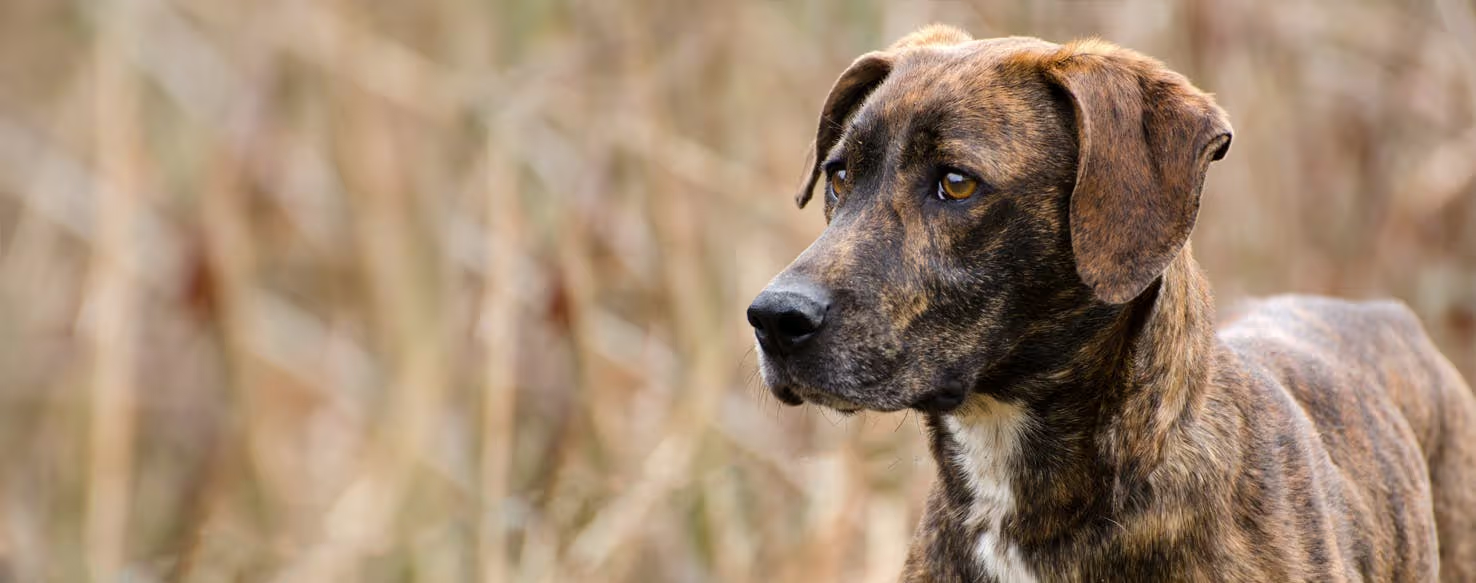
Is Plott Hound hypoallergenic?
Plott Hounds are not considered hypoallergenic. This breed sheds moderately, and their dander can trigger allergic reactions in sensitive individuals. Additionally, their short coat can carry allergens like pollen, dust, and other particles that might exacerbate allergies. Regular grooming and cleaning can help manage but not eliminate these concerns.
Plott Hounds are a robust and versatile breed known for their hunting prowess, intelligence, and loyal nature. Originally bred for boar hunting in Germany and later in the United States, they have a strong prey drive and require ample exercise and mental stimulation.
Factors that make Plott Hounds more allergenic include:
- Moderate shedding, which spreads dander
- Short coat trapping allergens
- Active lifestyle, increasing exposure to outdoor allergens
Want a pet to cuddle without any worries? Try immunotherapy with Curex!
Take a QuizCommon Symptoms of Plott Hound Allergies
- Sneezing: Frequent sneezing can be a clear indicator of an allergy to Plott Hounds.
- Runny or Stuffy Nose: You may experience a persistent runny or congested nose.
- Itchy, Red, or Watery Eyes: Contact with the dog can lead to irritation in the eyes.
- Coughing: An allergic reaction might cause you to develop a cough.
- Shortness of Breath: Breathlessness or wheezing can occur, especially in individuals with asthma.
- Skin Rash: Direct contact with the dog or its dander can cause hives or skin rashes.
- Itchy Throat or Roof of Mouth: An itching sensation in your throat or mouth may be triggered by allergens from the dog.
- Postnasal Drip: Allergies can result in mucus dripping down the back of your throat.
Best Hypoallergenic Dogs Like Plott Hound
Poodle
Poodles come in three sizes: Standard, Miniature, and Toy. They are known for their intelligence and hypoallergenic coats, which shed minimally and trap dander.
Portuguese Water Dog
This breed has a curly, non-shedding coat that is ideal for allergy sufferers. Portuguese Water Dogs are energetic, intelligent, and great swimmers.
Soft Coated Wheaten Terrier
The Soft Coated Wheaten Terrier has a soft, silky coat that sheds very little. They are friendly, energetic, and require regular grooming.
Bichon Frise
Bichon Frises have a curly, dense coat that produces minimal dander. They are known for their cheerful disposition and are great for families with allergies.
Basenji
The Basenji has a short, fine coat that sheds very little. Known as the "barkless dog," they are independent and make unique companions.
Schnauzer
Available in Miniature, Standard, and Giant sizes, Schnauzers have a wiry coat that is less likely to cause allergic reactions. They are known for their alertness and versatility.
Yorkshire Terrier
Yorkshire Terriers have a fine, silky coat that is similar to human hair, making them a good option for allergy sufferers. They are small, adventurous, and full of personality.
Maltese
The Maltese has a long, flowing coat that sheds very little. These dogs are affectionate, playful, and often get along well with other pets.
- Lagotto Romagnolo
- Known as the "truffle dog," the Lagotto Romagnolo has a curly coat that does not shed much. They are energetic, smart, and make excellent working dogs.
How to Relieve Plott Hound Allergy Symptoms
If you're experiencing allergies to a Plott Hound, there are several methods you can use to relieve symptoms. Here are some options:
Curex - Immunotherapy: This option involves exposing your immune system to small amounts of the allergens over a period of time, helping it build tolerance. Curex provides sublingual immunotherapy, which is administered as drops under the tongue rather than injections.
Antihistamines: Over-the-counter or prescription antihistamines can help reduce symptoms like sneezing, itching, and runny nose. Common options include cetirizine (Zyrtec), loratadine (Claritin), and diphenhydramine (Benadryl).
Nasal Corticosteroids: These sprays help reduce inflammation in the nasal passages, providing relief from congestion and sneezing. Fluticasone (Flonase) and mometasone (Nasonex) are commonly used options.
Air Purifiers: Using HEPA air purifiers can reduce the number of airborne allergens in your home, making it more comfortable for you to be around your dog.
Frequent Cleaning: Regular vacuuming, dusting, and washing your dog’s bedding can help minimize allergens in your home. It might also be beneficial to keep certain areas, like your bedroom, as pet-free zones.
Bathing Your Dog: Regular baths for your Plott Hound can help reduce the amount of dander, a key allergen. Use hypoallergenic shampoos to avoid irritating your dog's skin.
Taking these steps can help you manage your symptoms and maintain a happy, healthy relationship with your Plott Hound.


