


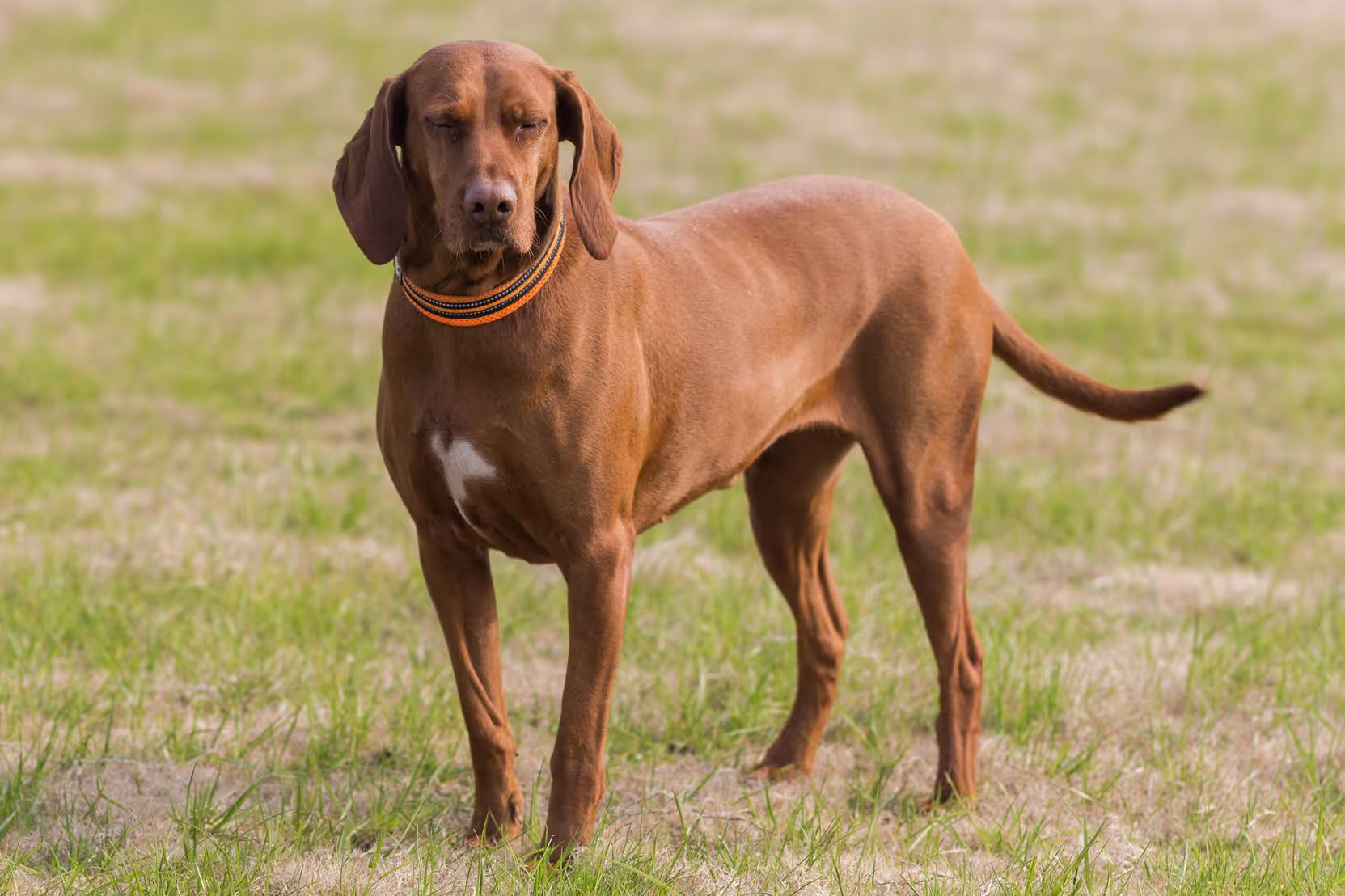
Is Redbone Coonhound hypoallergenic?
No, Redbone Coonhounds are not hypoallergenic. They shed moderately and produce dander, which can trigger allergies in sensitive individuals. Although they have a short coat, their dander is still present in the environment, making them unsuitable for those with severe allergies.
Redbone Coonhounds are known for their sleek, reddish-brown coat, friendly temperaments, and excellent hunting skills. However, potential owners with allergies should be cautious. Their allergenic potential arises from:
- Moderate shedding, contributing to the spread of dander.
- Saliva and skin oils, which can also trigger allergic reactions.
- Seasonal shedding, where an increase in hair loss and dander may exacerbate allergies.
Want a pet to cuddle without any worries? Try immunotherapy with Curex!
Take a QuizCommon Symptoms of Redbone Coonhound Allergies
- Sneezing: Frequent and repetitive sneezing upon exposure.
- Runny or Stuffy Nose: Nasal congestion or a continuous runny nose.
- Itchy, Red, or Watery Eyes: Noticeable irritation and watering of the eyes.
- Coughing or Wheezing: Respiratory issues, including a persistent cough or wheezing.
- Skin Rash or Hives: Itchy, red, or inflamed skin, sometimes with raised welts.
- Itchy Throat or Roof of the Mouth: Persistent itching in the throat or mouth region.
- Shortness of Breath: Difficulty in breathing or feeling of breathlessness.
- Fatigue: General tiredness or fatigue due to the body's reaction to allergens.
- Swelling: Swelling around the face, eyes, or other areas exposed to the allergen.
- Asthma Exacerbation: Worsening of asthma symptoms, including chest tightness and shortness of breath.
Best Hypoallergenic Dogs Like Redbone Coonhound
Poodle
Poodles come in a variety of sizes, including Standard, Miniature, and Toy. They have hair rather than fur, which reduces the amount of shedding and dander, making them ideal for allergy sufferers.Portuguese Water Dog
Known for their curly and water-resistant coat, Portuguese Water Dogs shed minimally. They are intelligent and energetic, making them wonderful companions for active families.Basenji
The Basenji has a short, fine coat which produces less dander. Additionally, Basenjis are known for their lack of a "doggy" odor and minimal shedding.
Schnauzer
Schnauzers come in three sizes: Giant, Standard, and Miniature. Their wiry, non-shedding coat requires regular grooming but is less likely to cause allergic reactions.Bichon Frisé
This small breed has a curly, plush coat that doesn't shed much. Regular grooming and brushing help to keep the coat in top condition and minimize dander.Maltese
Maltese dogs have long, silky hair that doesn’t shed heavily. With consistent grooming, they are a good option for those with allergies.
Yorkshire Terrier
Yorkies have hair that resembles human hair, which minimizes shedding and dander. They are a small and bold breed that fits well in many living situations.Shih Tzu
The Shih Tzu's hair grows continuously and falls out less frequently than fur, which reduces allergens. They require regular grooming to maintain their coat.Havanese
With their silky, non-shedding coat, Havanese dogs are well-suited for allergy sufferers. They are friendly, playful, and make excellent pets for families or individuals.
- Lagotto Romagnolo
This breed is known for its distinctive curly coat, which is low shedding. The Lagotto Romagnolo is also highly trainable and often used as a truffle-hunting dog.
How to Relieve Redbone Coonhound Allergy Symptoms
Understanding Redbone Coonhound Allergies
Dealing with allergies to a Redbone Coonhound can be challenging, but there are several ways to alleviate the symptoms effectively. Here are some approaches to consider:
Avoidance
Limit your exposure to the dog by keeping certain rooms in your home pet-free zones.
Use HEPA air purifiers to help remove allergens from the air.
Regularly clean and vacuum your home to minimize dander.
Medication
Over-the-counter antihistamines can help control symptoms like sneezing, itching, and runny nose.
Nasal corticosteroids can reduce inflammation and ease nasal congestion.
Decongestants may provide temporary relief from stuffy nose.
Curex - Immunotherapy
Consider using Curex, a form of immunotherapy that gradually desensitizes your immune system to the allergens.
This treatment involves taking small doses of the allergen over time, which can help reduce your overall sensitivity.
Consult an allergist to see if this is a suitable option for you.
Hygiene and Grooming
Bathe your Redbone Coonhound regularly to reduce the amount of dander and allergens on their fur.
Brush the dog frequently to remove loose fur and dander, ideally outside the house to minimize indoor allergens.
Wash your hands thoroughly after petting or handling the dog.
Cleaning Practices
Use specialized pet dander removers or cleaning solutions designed to neutralize allergens.
Frequently wash bedding, curtains, and any fabrics the dog comes into contact with.
Consider replacing carpets with hardwood or tile flooring, which are easier to clean and don't trap allergens as much.
Personal Care
Change your clothes if they come into contact with the dog to avoid carrying allergens around.
Shower and wash your hair regularly, especially after close contact with your Redbone Coonhound.
By employing a combination of these methods, you can more effectively manage and reduce your allergy symptoms, making it easier to enjoy life with your Redbone Coonhound.


