


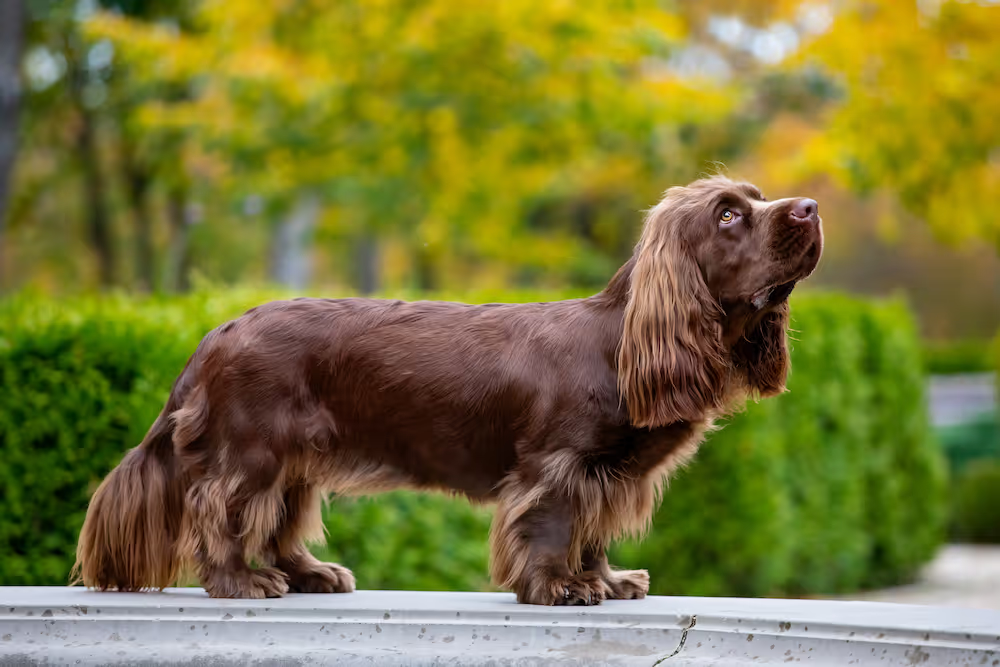
Is Sussex Spaniel hypoallergenic?
The Sussex Spaniel is not considered hypoallergenic. This breed sheds moderately throughout the year, which can spread dander—a common allergen.
Sussex Spaniels are known for their golden-liver colored coats, expressive eyes, and solid build. While they are affectionate, loyal, and great family pets, they can cause issues for people with allergies. Factors that make Sussex Spaniels more allergenic include their shedding coat and tendency to drool, both of which can spread allergens. Regular grooming can help manage these allergens but won't eliminate them completely. If you have allergies, it's essential to spend time around the breed before committing.
Want a pet to cuddle without any worries? Try immunotherapy with Curex!
Take a QuizCommon Symptoms of Sussex Spaniel Allergies
- Sneezing: Frequent and sudden bursts of sneezing, especially when the person is near the dog.
- Runny or Stuffy Nose: Persistent nasal congestion or a runny nose that worsens around the dog.
- Itchy or Watery Eyes: Red, itchy, or watering eyes as a reaction to dander or saliva.
- Coughing and Wheezing: A dry, irritating cough and wheezing sounds during breathing.
- Skin Reactions: Contact dermatitis manifesting as rashes, redness, or hives where the skin has been in contact with the dog.
- Shortness of Breath: Difficulty breathing or a feeling of tightness in the chest when around the dog.
- Asthma Flare-ups: Increased frequency or severity of asthma symptoms in those with pre-existing asthma.
- Itchy Throat or Mouth: A tickling or itching sensation in the throat, mouth, or ears.
- Fatigue: Feeling unusually tired or lethargic, often due to disrupted sleep from other symptoms.
- Headache: Frequent or chronic headaches, often caused by nasal congestion or sinus pressure.
Best Hypoallergenic Dogs Like Sussex Spaniel
Poodle
Poodles come in three sizes: standard, miniature, and toy. All sizes are known for their hypoallergenic coat, which sheds very little and produces less dander. Poodles are also highly intelligent and make excellent companions.Bichon Frise
The Bichon Frise has a curly coat that helps minimize shedding and dander. These small dogs are cheerful, playful, and get along well with families and other pets. Regular grooming is necessary to keep their coat in good condition.Portuguese Water Dog
Known for their water-resistant, curly coats, Portuguese Water Dogs are great for people with allergies. They are energetic, intelligent, and often used as working dogs. Routine grooming is important to maintain their hypoallergenic status.
Maltese
The Maltese has silky, flowing hair that sheds minimally, making them a good choice for allergy sufferers. They are small in size, friendly, and very affectionate. Regular grooming is required to keep their coat looking its best.Schnauzer
Schnauzers come in three sizes: giant, standard, and miniature. All types have a wiry coat that reduces shedding and dander production. Schnauzers are known for their loyalty, alertness, and versatility as both companions and working dogs.Yorkshire Terrier
Yorkshire Terriers have a fine, silky coat that sheds very little, making them hypoallergenic. They are small, energetic dogs that thrive on attention and make excellent companions. Regular grooming is essential to manage their coat.
Shih Tzu
With their long, flowing hair, Shih Tzus are another hypoallergenic option. These dogs are friendly, affectionate, and known for their charming personalities. Consistent grooming is necessary to prevent matting and keep their coat healthy.Havanese
The Havanese has a silky coat that doesn't shed much, making them suitable for people with allergies. They are small, playful, and enjoy being the center of attention. Their coat requires regular brushing to avoid tangles.Lagotto Romagnolo
Originally bred as water retrievers, Lagotto Romagnolos have a curly, woolly coat that is hypoallergenic. They are active, intelligent, and excel in activities like agility and obedience training. Frequent grooming helps maintain their coat.
- Coton de Tulear
Cotons have a soft, cotton-like coat that sheds very little. These small dogs are known for their cheerful and affectionate nature. Regular grooming is required to keep their coat in top condition.
How to Relieve Sussex Spaniel Allergy Symptoms
Sussex Spaniels, like many other dog breeds, can trigger allergic reactions in sensitive individuals. If you are experiencing symptoms such as sneezing, itchy eyes, or skin rashes from being around a Sussex Spaniel, here are some ways to alleviate your allergy symptoms:
Curex - Immunotherapy: One of the long-term solutions to address dog allergies is immunotherapy. Curex provides a form of this treatment where you are exposed to small, controlled amounts of the allergen. Over time, this can help decrease your sensitivity to the allergens from Sussex Spaniels.
Regular Cleaning: Maintain a clean living environment to reduce exposure to dog dander. Use a HEPA filter vacuum cleaner and wash pet bedding frequently.
Air Purifiers: Utilize HEPA air purifiers in rooms where you spend the most time. These can help filter out pet dander from the air.
Frequent Grooming: Regularly grooming your Sussex Spaniel can help minimize the amount of dander they release. Consider professional grooming if needed.
Medications: Over-the-counter antihistamines and decongestants can provide relief from allergy symptoms. Consult with your healthcare provider about the best options for you.
Allergy-proof Covers: Use allergy-proof covers for your mattresses and pillows to reduce the accumulation of pet dander in your sleeping area.
- Restrict Pet Areas: Designate certain areas of your home as pet-free zones, such as your bedroom, to limit your exposure to allergens.
By implementing these strategies, you can manage and reduce your allergy symptoms, allowing you to enjoy the company of your Sussex Spaniel with more comfort.


