


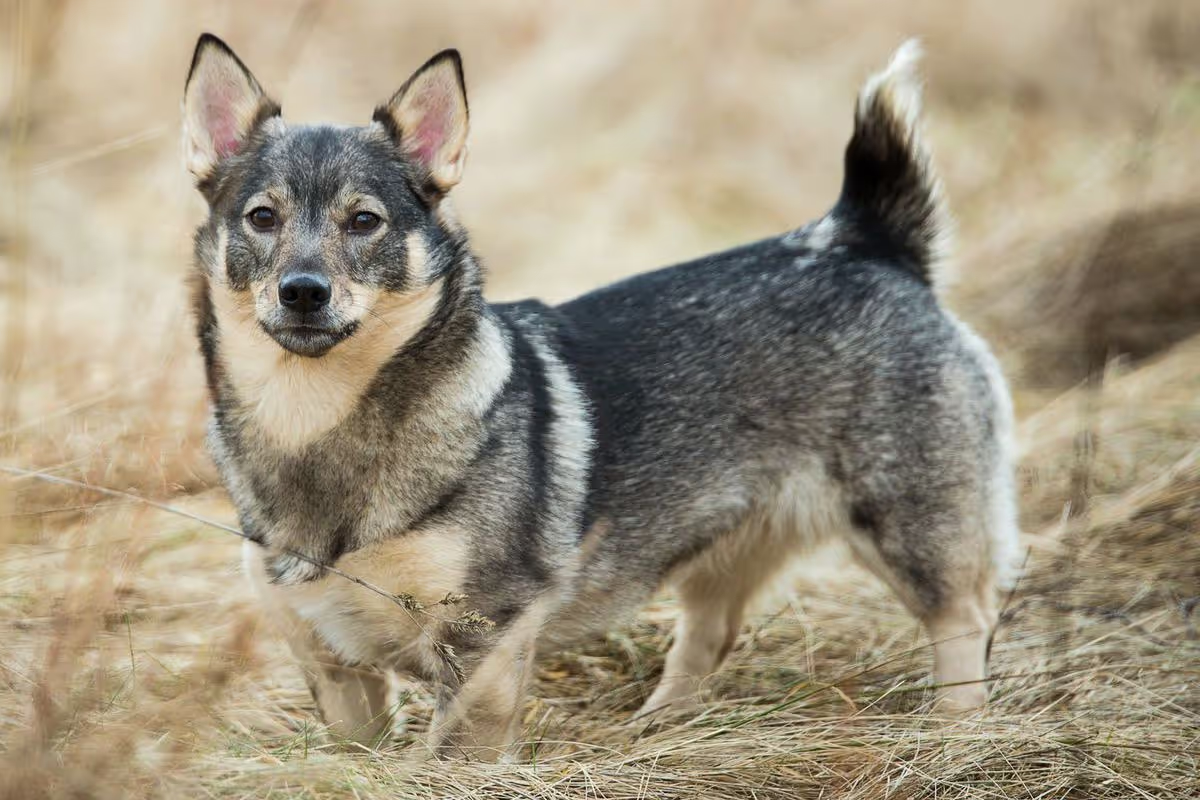
Is Swedish Vallhund hypoallergenic?
Swedish Vallhunds are not considered hypoallergenic. They have a double coat that sheds year-round, with heavier shedding occurring seasonally. This shedding releases dander, which can trigger allergies in sensitive individuals. Additionally, their coat requires regular grooming, which can further distribute allergens.
The Swedish Vallhund is a small, energetic herding breed with a distinctive spitz-like appearance. Known for their intelligence and agility, they are friendly and loyal companions. However, their shedding and dander production levels are significant considerations for allergy sufferers.
Factors making Swedish Vallhunds more allergenic include:
- Year-round shedding
- Double coat with seasonal shedding
- Potential for dander accumulation
Regular grooming can help manage shedding but won't eliminate allergens completely.
Want a pet to cuddle without any worries? Try immunotherapy with Curex!
Take a QuizCommon Symptoms of Swedish Vallhund Allergies
- Sneezing: Frequent sneezing, especially when around the dog.
- Runny or Stuffy Nose: Nasal congestion or a constant runny nose.
- Itchy or Watery Eyes: Eyes may become red, itchy, or start to water.
- Coughing: Persistent cough that worsens with exposure to the dog.
- Shortness of Breath: Difficulty breathing or wheezing when the dog is nearby.
- Skin Reactions: Hives, rashes, or itchy skin, especially after touching the dog.
- Asthma Symptoms: Aggravation of asthma symptoms such as tightness in the chest or difficulty breathing.
- Postnasal Drip: Mucus dripping down the back of the throat, causing a sore throat.
- Fatigue: General feeling of tiredness or lethargy related to constant allergic reactions.
Best Hypoallergenic Dogs Like Swedish Vallhund
Swedish Vallhund: Known for their friendly and active nature, Swedish Vallhunds are considered to be hypoallergenic due to their minimal shedding and low dander production. Their short, dense coat requires regular grooming to stay healthy, but they are generally well-tolerated by those with allergies.
Poodle: Available in standard, miniature, and toy sizes, Poodles are renowned for their intelligence as well as their hypoallergenic coats. Their curly, non-shedding fur traps dander, making them a popular choice for allergy sufferers.
Portuguese Water Dog: With a waterproof coat that can be either curly or wavy, the Portuguese Water Dog is another excellent hypoallergenic breed. These dogs were originally bred for fishing and have a high energy level, paired with a loyal and affectionate temperament.
Bichon Frise: The Bichon Frise sports a fluffy, white coat that doesn't shed much, thus reducing the spread of dander. Despite their plush appearance, their coat requires regular grooming to maintain its hypoallergenic properties.
Schnauzer: Available in miniature, standard, and giant sizes, Schnauzers have a wiry coat that sheds minimally. This, along with their versatility and trainability, makes them a great option for those with allergies.
Yorkshire Terrier: Often referred to as Yorkies, these small but spirited dogs have fine, hair-like fur instead of traditional dog fur, which makes them a hypoallergenic choice. Regular grooming is necessary to avoid matting and to keep allergens at bay.
Maltese: Another small breed, the Maltese has long, silky hair that doesn’t shed much. Their hypoallergenic coat, along with their gentle, friendly demeanor, makes them a wonderful companion for those with allergies.
Havanese: Havanese dogs have a soft, silky coat that can be kept either long or short, depending on your preference for grooming. Their minimal shedding and low dander levels make them a suitable choice for allergy-prone families.
Lagotto Romagnolo: Known for their unique, curly coat and exceptional truffle-hunting skills, Lagotto Romagnolos are hypoallergenic dogs that shed very little. Their coat does require regular grooming to prevent matting, but they are generally well-suited for allergy sufferers.
How to Relieve Swedish Vallhund Allergy Symptoms
If you're experiencing allergy symptoms due to a Swedish Vallhund, there are various strategies you can employ to alleviate your discomfort:
- Over-the-Counter Antihistamines: Medications like Claritin, Zyrtec, or Allegra can help reduce symptoms such as sneezing and itching.
- Nasal Corticosteroids: Sprays like Flonase or Nasonex can help reduce inflammation in your nasal passages, easing symptoms like congestion.
- Regular Cleaning: Frequent vacuuming, washing of bedding, and using air purifiers can help reduce the amount of dander in your home.
- Bathing the Dog: Regular baths for your Swedish Vallhund can help reduce the amount of dander they shed. Aim for once a week, but consult your vet for the best bathing routine for your dog.
- Curex - Immunotherapy: This treatment involves exposing you to small amounts of allergens to build up your tolerance over time. Curex offers convenient at-home immunotherapy options.
- HEPA Filters: High-efficiency particulate air (HEPA) filters in air purifiers and vacuum cleaners can help trap dander and reduce airborne allergens.
- Restrict Dog's Access: Limit the areas where your Swedish Vallhund can go, especially in your bedroom, to create a safe space free of allergens.
- Wash Hands and Clothes: After petting or playing with your dog, wash your hands thoroughly and change clothes if necessary to remove dander particles.
Choosing the right combination of these strategies can significantly ease your allergy symptoms and allow you to enjoy the company of your Swedish Vallhund.


