


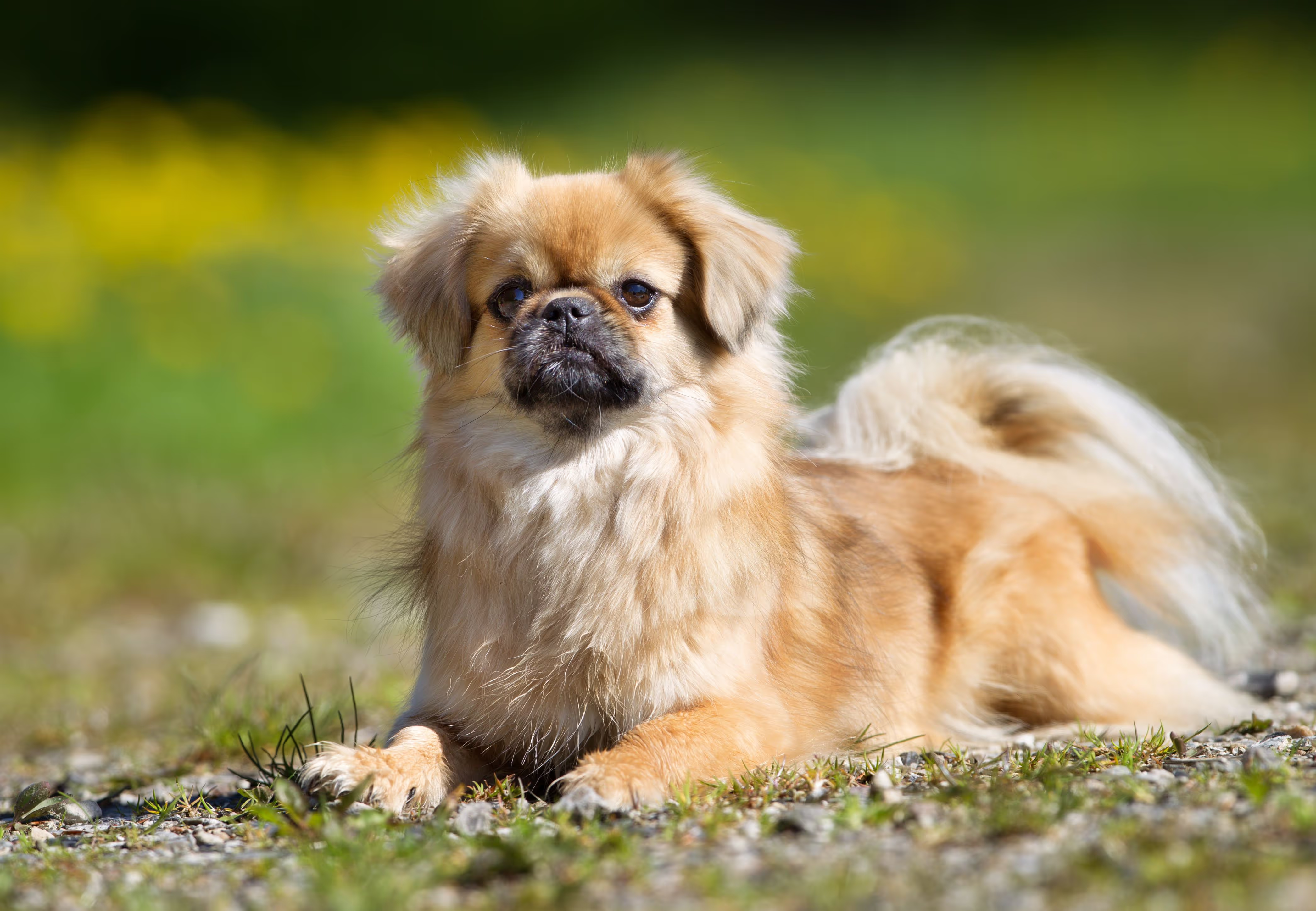
Is Tibetan Spaniel hypoallergenic?
Tibetan Spaniels are not classified as hypoallergenic. While no dog is entirely hypoallergenic, Tibetan Spaniels shed less than some breeds, but they still produce allergens that can affect sensitive individuals.
Tibetan Spaniels are small, charming dogs known for their alertness and cheerful disposition. They have a moderate shedding coat that can trigger allergies. Factors that make Tibetan Spaniels more allergenic include:
- Dander: These microscopic skin flakes are a common allergen carried in their fur.
- Saliva: Allergens are present in a dog's saliva, which can spread to their coat when grooming.
- Coat type: While their coat is not heavy-shedding, it still releases fur and dander into the environment.
Regular grooming, cleaning, and air filtration can help manage allergies for those determined to have a Tibetan Spaniel.
Want a pet to cuddle without any worries? Try immunotherapy with Curex!
Take a QuizCommon Symptoms of Tibetan Spaniel Allergies
- Sneezing: Frequent and repeated sneezing when around a Tibetan Spaniel.
- Runny or Stuffy Nose: A persistent runny or congested nose that worsens with exposure.
- Itchy or Watery Eyes: Eyes may feel itchy, red, or watery when in proximity to the dog.
- Skin Reactions: Hives, eczema, or itchy red patches on the skin that come into contact with the dog.
- Coughing or Wheezing: Increased respiratory symptoms such as coughing, wheezing, or shortness of breath.
- Asthma Flare-ups: Those with existing asthma may experience more frequent or severe attacks.
- Postnasal Drip: Excess mucus dripping down the back of the throat causing irritation and cough.
- Ear Congestion: Sensation of clogged or stuffy ears potentially leading to discomfort or slight pain.
Best Hypoallergenic Dogs Like Tibetan Spaniel
Tibetan Terrier
Though not a terrier, this breed is known for its luscious, medium-length coat that doesn't shed much, making it a great choice for those with allergies. Regular grooming will keep its coat in top shape and minimize allergens.
Maltese
With its silky white coat, the Maltese is another excellent hypoallergenic option. Their hair grows continuously and does not shed much, requiring regular grooming to prevent tangling and matting.
Shih Tzu
The Shih Tzu's long, flowing coat is more like human hair, which reduces dander and shedding. Regular brushing and grooming are essential to keep their coat looking good and reduce allergens.
Bichon Frise
Known for their curly, double coat, Bichon Frises shed minimally and are less likely to spread allergens. Their coat requires regular grooming and trimming to prevent matting.
Lhasa Apso
Like the Tibetan Spaniel, the Lhasa Apso hails from Tibet and is known for its hardy constitution and hypoallergenic coat. Their long, luxurious hair requires consistent grooming to keep allergens at bay.
Havanese
This small, sturdy dog has a silky coat that does not shed much. Regular brushing and grooming will help maintain their hypoallergenic qualities and keep them looking their best.
- Miniature Schnauzer
- With a wiry outer coat and a soft undercoat, Miniature Schnauzers are low-shedding dogs. Regular grooming, including stripping or clipping, helps to control their shedding and reduce allergens.
How to Relieve Tibetan Spaniel Allergy Symptoms
Allergies to Tibetan Spaniels, or any dog breed, can put a damper on the joy of having a furry friend. If you're dealing with symptoms such as sneezing, itchy eyes, or skin reactions, here are some effective ways to alleviate those symptoms:
Identify and Reduce Exposure:
- Create Pet-Free Zones: Designate certain areas, like bedrooms, as dog-free zones to reduce allergen exposure.
- Use HEPA Air Purifiers: Air purifiers with HEPA filters can help capture airborne allergens.
- Frequent Cleaning: Regularly vacuum and dust your home to minimize allergens. Consider using a vacuum cleaner with a HEPA filter.
- Bathing and Grooming: Regularly bathe and groom your Tibetan Spaniel to reduce dander. Make sure to use pet-friendly, hypoallergenic shampoos.
Medication:
- Antihistamines: Over-the-counter antihistamines can help alleviate symptoms like sneezing and itching.
- Nasal Sprays: Steroid nasal sprays can reduce inflammation in the nasal passages, easing congestion.
- Eye Drops: Antihistamine eye drops can relieve itchy, watery eyes.
Alternative Therapies:
- Curex - Immunotherapy: Curex is a form of immunotherapy that gradually exposes you to small amounts of the allergen, helping your body build tolerance over time. This treatment requires a prescription and medical supervision.
Lifestyle Adjustments:
- Wash Hands: Always wash your hands after petting your dog to avoid transferring allergens to your face.
- Change Clothes: If possible, change clothes after spending extended periods in close contact with your dog.
- No Face Contact: Avoid letting your dog lick your face or sleep on your bed.
Taking these steps can significantly help in managing and reducing allergy symptoms caused by Tibetan Spaniels.


