


Is Tibetan Terrier hypoallergenic?
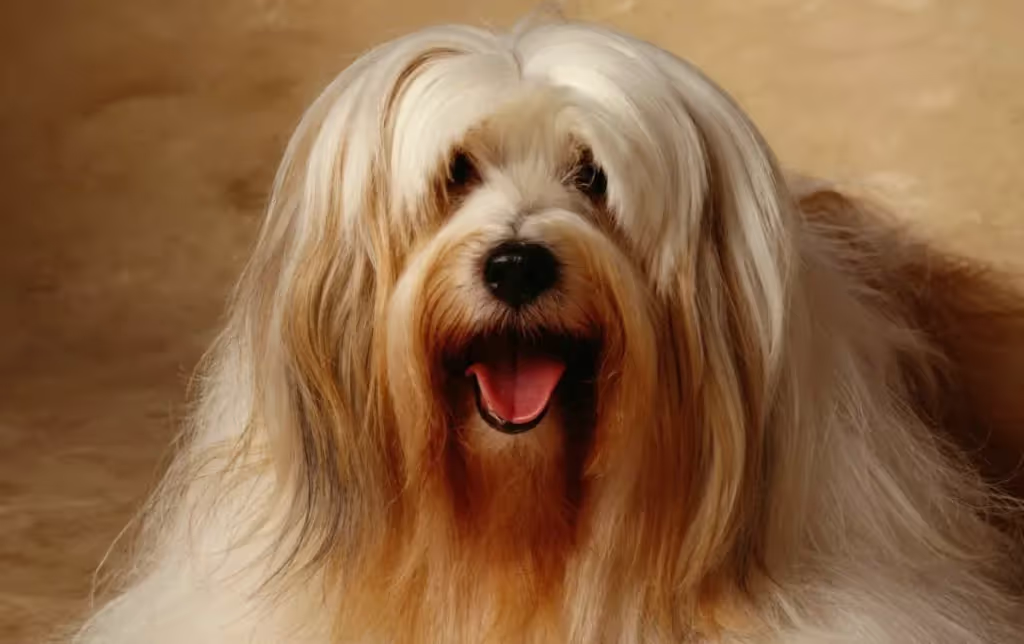
Tibetan Terriers are often considered hypoallergenic because they have hair that grows similarly to human hair, reducing the amount of dander released. However, no dog breed is completely hypoallergenic, and reactions can vary among individuals with allergies.
The Tibetan Terrier is a medium-sized breed known for its long, flowing coat and affectionate nature. Their coat requires regular grooming to prevent matting and reduce shedding. Steps to manage allergy symptoms include frequent bathing and grooming, using air purifiers, and designating certain areas of the home as pet-free zones.
Factors that make Tibetan Terriers more allergenic include:
- Dander: Despite reduced shedding, dead skin cells can still trigger allergies.
- Saliva and urine: Proteins in these can contribute to allergen exposure.
- Grooming: Inadequate grooming can lead to built-up allergens in their coat.
Want a pet to cuddle without any worries? Try immunotherapy with Curex!
Take a QuizCommon Symptoms of Tibetan Terrier Allergies
- Sneezing: One of the first signs of an allergic reaction.
- Runny or Stuffy Nose: Nasal congestion that persists.
- Itchy, Watery Eyes: Commonly mistaken for seasonal allergies.
- Coughing: A reflex response to allergens in the airways.
- Wheezing: A whistling sound while breathing, indicating airway constriction.
- Skin Rash: Red, itchy patches on the skin where contact occurred.
- Hives: Elevated, red bumps that can be itchy and uncomfortable.
- Shortness of Breath: Difficulty breathing, especially if the allergens are inhaled.
- Chest Tightness: Feeling of pressure in the chest area.
- Fatigue: Feeling unusually tired due to the body's reaction to allergens.
Best Hypoallergenic Dogs Like Tibetan Terrier
Tibetan Terrier
Despite its name, it is not a true terrier. The Tibetan Terrier has a long outer coat and minimal shedding, which makes it less likely to trigger allergies in sensitive individuals.
Bichon Frise
Known for its curly, fluffy coat that doesn't shed much, the Bichon Frise is often considered hypoallergenic. Regular grooming helps keep dander at bay.
Maltese
The Maltese has a silky white coat that doesn't shed much. Frequent grooming prevents dander from becoming airborne.
Portuguese Water Dog
With a curly or wavy coat that doesn't shed much, this breed is a good option for allergy sufferers. They require regular grooming to prevent matting.
Poodle (Toy, Miniature, and Standard)
Poodles have curly hair that doesn't shed, trapping dander inside. Routine grooming is necessary to manage their coat.
Schnauzer (Miniature, Standard, and Giant)
Schnauzers have a wiry coat that sheds minimally and is less likely to trigger allergies. Regular grooming is needed to maintain their coat.
Shih Tzu
Known for their long, flowing coat, Shih Tzus shed very little. Regular brushing helps control dander.
Yorkshire Terrier
Yorkies have hair similar to human hair, which doesn't shed much. Frequent grooming helps reduce allergen levels.
Havanese
The Havanese has a long, silky coat that doesn't shed much, making it suitable for those with allergies. Regular grooming prevents tangles and reduces dander.
Lagotto Romagnolo
This breed's curly coat sheds very little. Frequent grooming and trimming are necessary to keep their coat in good condition.
How to Relieve Tibetan Terrier Allergy Symptoms
If you or someone in your household is allergic to a Tibetan Terrier, there are several strategies you can consider to alleviate symptoms. Here are some effective methods:
Regular Cleaning: Keep your home as clean as possible. Vacuum carpets, clean furniture, and wash pet bedding frequently to reduce dander.
Air Purifiers: Use HEPA air purifiers to trap allergens such as pet dander, dust mites, and pollen.
Limit Pet Access: Restrict the Tibetan Terrier from certain areas of the house, particularly bedrooms, to minimize exposure to allergens.
Bathing and Grooming: Bathe and groom your Tibetan Terrier regularly. This can help reduce the amount of dander they shed. Consider using special shampoos designed for reducing pet allergens.
Allergy Medications: Over-the-counter antihistamines or prescribed medications can help alleviate allergy symptoms like sneezing, itching, and congestion.
Curex Immunotherapy: Immunotherapy can be an effective long-term treatment for pet allergies. Curex, a type of immunotherapy, involves gradually exposing your immune system to pet allergens, which can help your body build up a tolerance over time.
- Consult an Allergist: Visiting an allergist can provide you with tailored advice and treatment options suited to your specific allergy. They may recommend tests to determine the severity of your allergy and the best course of action.
By implementing these strategies, you can potentially reduce the severity of your allergy symptoms and enjoy your time with your Tibetan Terrier.


