


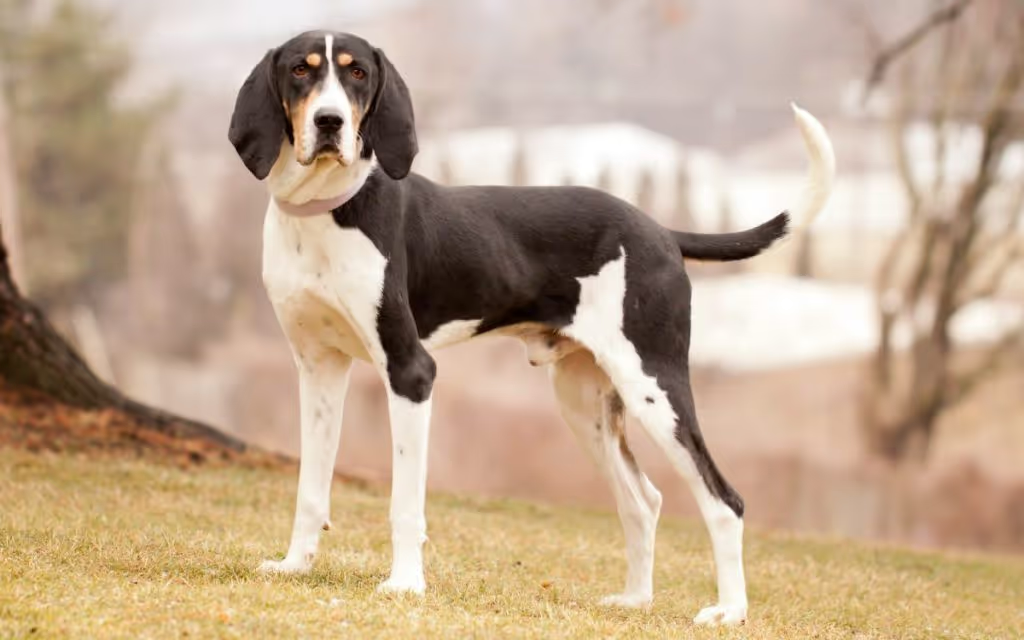
Is Treeing Walker Coonhound hypoallergenic?
The Treeing Walker Coonhound is not hypoallergenic. Like most breeds, they can produce allergens through dander, saliva, and urine, which can trigger allergic reactions in sensitive individuals.
Treeing Walker Coonhounds are energetic and intelligent hunting dogs known for their strong scent-trailing abilities and friendly, social nature. They have a short, sleek coat that still sheds, thus contributing to the spread of allergens. Regular grooming can help manage shedding, but it won't eliminate allergens entirely.
Factors making them more allergenic:
- Short coat sheds moderately.
- Produces dander, saliva, and urine that can carry allergens.
- Active lifestyle can disperse hair and dander more widely.
Want a pet to cuddle without any worries? Try immunotherapy with Curex!
Take a QuizCommon Symptoms of Treeing Walker Coonhound Allergies
- Itchy Skin: One of the most common symptoms for someone allergic to a Treeing Walker Coonhound is itchy skin. This can occur after direct contact with the dog or being in an environment where the dog's dander is present.
- Sneezing: Frequent sneezing may occur when a person is exposed to the Treeing Walker Coonhound's fur or dander.
- Runny or Stuffy Nose: Allergies to dogs often result in a runny or congested nose.
- Watery or Red Eyes: Exposure to the allergen can cause eyes to water, become itchy, or turn red.
- Coughing and Wheezing: Inhaling dander can lead to respiratory symptoms such as coughing and wheezing.
- Rash or Hives: Some individuals may develop a rash or hives where the skin has come into contact with the dog.
- Asthma Symptoms: Those with asthma might experience an increase in symptoms like difficulty breathing, chest tightness, and shortness of breath following exposure to the allergen.
Best Hypoallergenic Dogs Like Treeing Walker Coonhound
Poodle
Poodles are one of the most well-known hypoallergenic breeds. They come in three sizes: Standard, Miniature, and Toy. Their curly, dense coat is less likely to shed, which helps reduce allergens in the home.
Portuguese Water Dog
Renowned for their water-resistant curly coat, Portuguese Water Dogs are an excellent hypoallergenic choice. Their hair, rather than fur, minimizes dander and shedding.
Shih Tzu
Shih Tzus have a long, flowing coat which can be kept shorter to manage allergens. Regular grooming and maintenance can further reduce the potential for allergen spread.
Bichon Frise
The Bichon Frise features a double coat with curly hair that rarely sheds. They require regular grooming but are generally considered very hypoallergenic.
Schnauzer
Available in Miniature, Standard, and Giant sizes, Schnauzers have a wiry coat that's less prone to shedding. Their unique fur texture contributes to their hypoallergenic status.
Havanese
The Havanese has silky fur that is less likely to cause allergic reactions. Their coat requires regular brushing and grooming to maintain.
Lagotto Romagnolo
Known for their dense, curly hair, the Lagotto Romagnolo is a lesser-known but highly hypoallergenic breed. Their coat is similar to that of a Poodle, reducing shedding and dander.
Yorkshire Terrier
Yorkshire Terriers have hair similar to human hair, making them a popular hypoallergenic choice. Regular trims and grooming help manage their long, silky coat.
Maltese
The Maltese is a small breed with long, white fur. Their hair does not shed much, and consistent grooming can help keep allergens to a minimum.
Irish Water Spaniel
This breed has tight, curly fur that reduces shedding. Known for being hypoallergenic, the Irish Water Spaniel's coat needs regular trimming and grooming.
- Basenji
- The Basenji has a short, fine coat that sheds minimally. They are known for grooming themselves much like cats, which helps keep allergens under control.
How to Relieve Treeing Walker Coonhound Allergy Symptoms
Treeing Walker Coonhound allergies can be challenging to deal with, but several methods can help alleviate the symptoms. Here are some options:
Regular Cleaning: Vacuum your home with a HEPA filter vacuum cleaner and wash your dog's bedding frequently to reduce allergens.
Air Purifiers: Use air purifiers equipped with HEPA filters to remove airborne allergens that might be triggering your symptoms.
Medication: Consult with your doctor about over-the-counter antihistamines, decongestants, or nasal corticosteroids, which can help control allergy symptoms.
Bathing: Regularly bathe your Treeing Walker Coonhound to minimize the amount of dander, which is a common allergen.
Immunotherapy: Consider Curex - Immunotherapy, which involves gradually exposing your immune system to allergens to build up tolerance. This treatment can be particularly effective in reducing the severity of allergy symptoms over time.
Allergy-Proofing Your Environment: Encase pillows, mattresses, and box springs in allergen-proof covers to reduce exposure during sleep.
- Consult an Allergist: Seeing an allergy specialist can provide you with personalized advice and possibly allergy shots or other advanced treatments to manage symptoms.


