


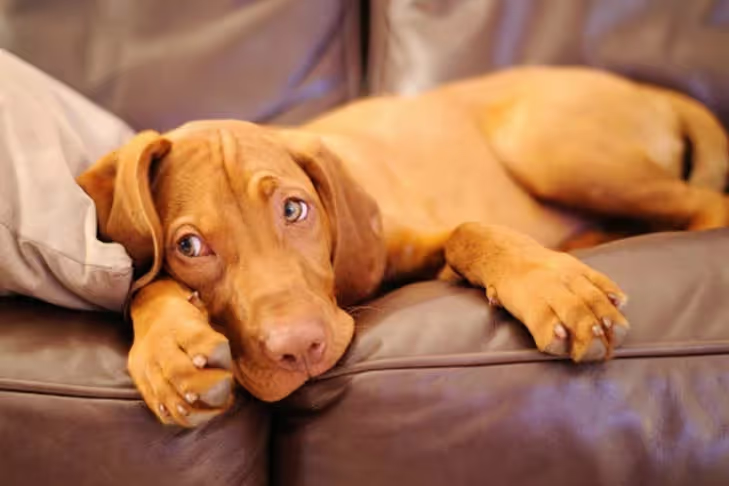
Is Vizsla hypoallergenic?
Vizslas are not considered hypoallergenic. While no dog breed is completely hypoallergenic, some cause fewer allergic reactions than others. Vizslas, however, are known to shed and produce dander, which can trigger allergies.
A Vizsla's short coat does shed, which can spread dander around the house. Additionally, they produce saliva and urine proteins that may also contribute to allergic reactions. Those afflicted with severe pet allergies may therefore find Vizslas problematic.
Factors contributing to Vizslas being more allergenic include their shedding, dander production, and the propensity for their saliva to spread allergens. Regular grooming and cleaning can help mitigate some of these issues but will not eliminate the allergens completely.
Want a pet to cuddle without any worries? Try immunotherapy with Curex!
Take a QuizCommon Symptoms of Vizsla Allergies
- Sneezing: Frequent or excessive sneezing can be a sign of an allergic reaction to Vizslas.
- Itchy or Watery Eyes: Allergies often cause itchiness and watering of the eyes.
- Runny or Stuffy Nose: Many people experience nasal congestion or a runny nose.
- Coughing: Persistent coughing can indicate an allergic response.
- Skin Rash or Hives: Contact with Vizslas may result in red, itchy, or swollen skin.
- Asthma Symptoms: Wheezing, shortness of breath, and chest tightness are common in those with asthma.
- Fatigue: Allergy sufferers often feel unusually tired or lethargic.
- Headaches: Allergic reactions can sometimes lead to frequent headaches.
Best Hypoallergenic Dogs Like Vizsla
Poodle (Standard, Miniature, or Toy)
Poodles have a curly, dense coat that traps dander, making them a great hypoallergenic option. They're highly intelligent and versatile dogs.
Portuguese Water Dog
Known for their wavy or curly coat, Portuguese Water Dogs are another hypoallergenic breed. They are energetic and excellent swimmers.
Soft Coated Wheaten Terrier
With a soft, silky coat that doesn't shed much, the Soft Coated Wheaten Terrier is an excellent choice for allergy sufferers. They are friendly and cheerful.
Bichon Frise
The Bichon Frise has a double coat that reduces dander. These small dogs are known for their playful and affectionate nature.
Schnauzer (Miniature, Standard, or Giant)
Schnauzers have a wiry, low-shedding coat that is ideal for people with allergies. They are known for being protective and good watchdogs.
Yorkshire Terrier
Yorkies have hair that is similar to human hair and doesn't shed much, making them hypoallergenic. They are small, energetic, and have a bold personality.
Havanese
Havanese dogs have a silky coat that produces less dander. They are known for being sociable, friendly, and good with families.
Maltese
With a long, flowing coat that sheds minimally, Maltese dogs are great for people with allergies. They are gentle and affectionate companion dogs.
How to Relieve Vizsla Allergy Symptoms
Allergy symptoms caused by Vizslas can be frustrating, but there are several strategies to alleviate them:
Keep Your Environment Clean
- Regular Cleaning: Vacuum carpets, rugs, and furniture frequently to remove pet dander. Use a vacuum with a HEPA filter for best results.
- Wash Bedding: Clean your and your pet's bedding regularly.
- Air Purifiers: Use HEPA air purifiers in multiple rooms to reduce airborne allergens.
- Reduce Fabrics: Minimize the number of fabric surfaces where dander can accumulate, such as curtains and upholstered furniture.
Groom Your Vizsla
- Regular Bathing: Bathe your Vizsla regularly to reduce dander. Use hypoallergenic or pet-friendly shampoos.
- Brushing: Brush your dog outside the home to reduce the amount of dander that gets released indoors.
Create Allergen-Free Zones
Establish pet-free zones in your home, particularly in the bedroom, to minimize exposure to allergens while you sleep.
Medications
- Antihistamines: Over-the-counter antihistamines can help control allergic reactions. Consult your healthcare provider for recommendations.
- Nasal Sprays: Nasal corticosteroids or antihistamine sprays can alleviate nasal symptoms.
Prescription Treatments
- Curex - Immunotherapy: Consider Curex immunotherapy as a treatment option. This involves exposing your immune system to controlled amounts of allergens to build up your tolerance over time. Consult with your allergist to see if this treatment is suitable for you.
Hygiene Practices
- Hand Washing: Wash your hands thoroughly after petting your dog.
- No Face Contact: Avoid touching your face or eyes after interacting with your Vizsla until you’ve washed your hands.
By implementing these strategies, you can help manage and relieve the allergy symptoms caused by your Vizsla.


