


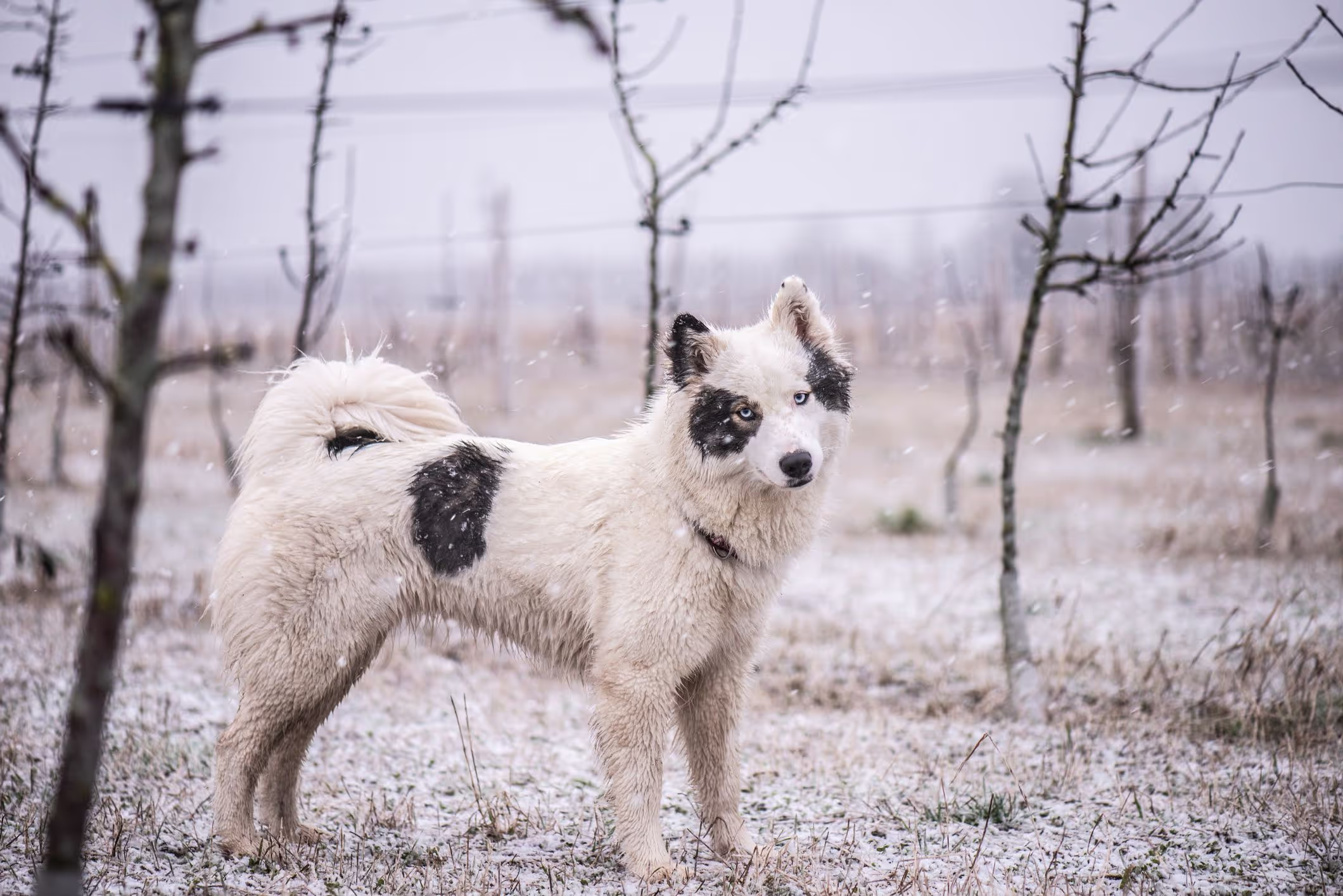
Is Yakutian Laika hypoallergenic?
Yakutian Laikas are not considered hypoallergenic. They have a double coat, which sheds year-round and more heavily during seasonal changes. This can release dander into the environment, potentially triggering allergies in sensitive individuals.
Yakutian Laikas originated in Siberia and were bred for sledding, hunting, and herding. They possess a thick, insulating coat suited for extreme cold. This double coat requires regular grooming to manage shedding, which can contribute to allergen exposure. Besides shedding, other allergenic factors include saliva and skin flakes, which also distribute dander. Hence, people with dog allergies might find Yakutian Laikas triggering due to these characteristics.
Want a pet to cuddle without any worries? Try immunotherapy with Curex!
Take a QuizCommon Symptoms of Yakutian Laika Allergies
- Sneezing: Frequent sneezing is a common reaction to allergens such as pet dander.
- Runny or Stuffy Nose: Nasal congestion or a constant runny nose.
- Itchy, Red, or Watery Eyes: Eyes may become irritated, red, and produce excess tears.
- Coughing: Persistent coughing or a scratchy throat.
- Shortness of Breath: Difficulty breathing or tightness in the chest, particularly in those with asthma.
- Skin Reactions: Hives, rashes, or eczema where the skin has come into contact with the dog.
- Facial Pain: Resulting from nasal congestion.
- Itchy Nose, Roof of Mouth, or Throat: Irritation in these areas can also occur.
- Swelling: In severe cases, swelling around the eyes or other parts of the face can happen.
Best Hypoallergenic Dogs Like Yakutian Laika
Hypoallergenic Dogs Similar to Yakutian Laika
Poodle
Size: Comes in standard, miniature, and toy sizes
Hypoallergenic Traits: Curly, dense coat that sheds minimally, reducing allergen spread
Temperament: Intelligent, active, and trainable
Portuguese Water Dog
Size: Medium
Hypoallergenic Traits: Curly or wavy coat that does not shed much
Temperament: Energetic, water-loving, and affectionate
Bichon Frise
Size: Small
Hypoallergenic Traits: Loose, curly coat that produces less dander
Temperament: Friendly, playful, and good with families
Schnauzer
Size: Comes in miniature, standard, and giant sizes
Hypoallergenic Traits: Coarse, wiry coat that sheds minimally
Temperament: Protective, energetic, and good with children
Afghan Hound
Size: Large
Hypoallergenic Traits: Thick, silky coat that sheds less and requires regular grooming
Temperament: Independent, aloof, but affectionate with family
Labradoodle
Size: Various (depending on Poodle size mixed with Labrador Retriever)
Hypoallergenic Traits: Wavy or curly coat inherited from the Poodle parent
Temperament: Friendly, sociable, and good with children and other pets
Yorkshire Terrier
Size: Small
Hypoallergenic Traits: Fine, silky hair similar to human hair, with minimal shedding
Temperament: Bold, confident, and affectionate
Maltese
Size: Small
Hypoallergenic Traits: Long, flowing hair that sheds minimally
Temperament: Gentle, playful, and very loving
- Basenji
- Size: Small to medium
- Hypoallergenic Traits: Short, fine coat that sheds very little
- Temperament: Energetic, intelligent, and independent
These dog breeds are known for their hypoallergenic qualities, making them suitable options for individuals allergic to fur and dander.
How to Relieve Yakutian Laika Allergy Symptoms
If you or someone you know is experiencing allergy symptoms due to a Yakutian Laika, there are several steps you can take to alleviate the symptoms:
Keep the living environment clean: Regularly vacuum the floors, furniture, and other surfaces to remove pet dander and hair. Use a vacuum with a HEPA filter to ensure it captures the smallest particles.
Bathe the dog regularly: Frequent washing can help reduce the amount of dander and hair that is shed around the home. Use a gentle pet shampoo and ensure the dog is properly dried after each bath.
Use air purifiers: Installing HEPA air purifiers can significantly reduce airborne allergens in your home. Place them in rooms where you spend the most time, such as the living room and bedroom.
Create pet-free zones: Designate certain areas of your home, such as the bedroom, as pet-free to reduce your exposure to allergens. This can create a sanctuary where your body can recover from exposure while you sleep.
Wash hands and clothes frequently: After touching or playing with your dog, wash your hands thoroughly to remove any allergens. Additionally, wash your clothes to remove dander that may have settled on them.
Consult your doctor: Your healthcare provider might recommend over-the-counter or prescription antihistamines, decongestants, or nasal sprays to manage symptoms. These medications can provide relief but won't address the underlying cause of the allergy.
- Curex - Immunotherapy: This form of treatment involves gradually introducing small amounts of the allergen to your body, helping your immune system become less sensitive over time. Curex offers immunotherapy specifically designed to target pet allergens, potentially providing long-term relief from allergic reactions.
Maintaining a proactive approach and combining several methods can help manage and reduce allergy symptoms effectively.


