A modern clinic for at-home treatments
(857) 240-1080
Take Quiz


gr.
Carbohydrates
gr.
Sugar
gr.
Fats
gr.
Proteins
Calories


This approach may enhance insulin sensitivity and lower blood sugar levels, contributing to better overall metabolic health and reducing the risk of type 2 diabetes.

Intermittent fasting can aid in weight loss by reducing caloric intake and boosting metabolism, allowing the body to burn stored fat more efficiently.
Boost Your Progress with our Weight Loss Medication for Better Fat Loss
Learn More
This method involves fasting for 16 hours each day while consuming all your meals within an 8-hour window. It encourages a consistent daily routine to help regulate insulin and improve energy levels.
The 5:2 diet emphasizes eating normally for five days of the week and significantly reducing calorie intake on the other two non-consecutive days, helping to promote metabolic balance and weight management.
Eat-Stop-Eat involves a full 24-hour fast once or twice a week. This method is designed to give your digestive system a break while encouraging cellular repair processes and fat burning.
Alternate-Day Fasting entails alternating between days of normal eating and days with little to no calorie intake, which may aid in reducing inflammation, managing weight, and improving metabolic health.
Your health matters. Lose weight safely and efffectively with Curex
gr.
Carbohydrates
gr.
Sugar
gr.
Fats
gr.
Proteins
Calories


• For your final day of the plan, maintain the schedule from 12:00 PM – 8:00 PM for eating.
• Focus on nutrient-dense meals: a large salad with a variety of vegetables, lean protein, and a light olive oil dressing for lunch, followed by a wholesome dinner.
• Reflect on your progress and plan adjustments for sustainable long-term intermittent fasting.

Restricting eating windows may lead to decreased intake of essential vitamins and minerals if meals are not well-planned, increasing the risk of nutrient deficiencies over time.
Jumpstart your journey with our medications
Learn More
Intermittent fasting can cause fluctuations in blood sugar levels, which may lead to hypoglycemia or insulin resistance, particularly in individuals with pre-existing diabetic conditions.
Extended fasting periods might negatively impact hormonal balance, potentially affecting metabolism, gut hormones, and stress hormones like cortisol, which can influence overall energy levels and mood.

• Stick with the 16:8 eating plan, starting your meals at noon.
• Incorporate fiber-rich foods like legumes, whole fruits, and vegetables to support digestion.
• Add mindfulness techniques such as mindful eating and brief meditation to reduce stress.
Combine supplements for faster results—try our meds
Learn More
Boost Your Progress with our Weight Loss Medication for Better Fat Loss
Learn More
Intermittent fasting can aid in weight loss by reducing caloric intake and boosting metabolism, allowing the body to burn stored fat more efficiently.
This approach may enhance insulin sensitivity and lower blood sugar levels, contributing to better overall metabolic health and reducing the risk of type 2 diabetes.
Fasting stimulates cellular repair processes like autophagy, which helps remove damaged cells and regenerate healthier ones, potentially reducing the risk of chronic diseases.
Supercharge weight loss: pair whey with our meds

This method involves fasting for 16 hours each day while consuming all your meals within an 8-hour window. It encourages a consistent daily routine to help regulate insulin and improve energy levels.
The 5:2 diet emphasizes eating normally for five days of the week and significantly reducing calorie intake on the other two non-consecutive days, helping to promote metabolic balance and weight management.
Eat-Stop-Eat involves a full 24-hour fast once or twice a week. This method is designed to give your digestive system a break while encouraging cellular repair processes and fat burning.
Alternate-Day Fasting entails alternating between days of normal eating and days with little to no calorie intake, which may aid in reducing inflammation, managing weight, and improving metabolic health.
Your health matters. Lose weight safely and effectively with Curex

• Continue your intermittent fasting routine with a 16-hour fasting period.
• Try a fasting-friendly smoothie at the beginning of your eating window, ensuring it’s packed with greens, protein, and healthy fats.
• Include a balanced dinner featuring a variety of colorful vegetables, lean protein, and a small portion of healthy carbs.
Stay safe—shed pounds with our proven medications
Learn More
• Begin with a 16:8 fasting schedule: fast for 16 hours (8:00 PM – 12:00 PM) and eat during an 8-hour window (12:00 PM – 8:00 PM).
• Break your fast with a nutrient-rich meal including lean protein, leafy greens, and complex carbohydrates.
• Stay hydrated with water and unsweetened herbal teas throughout the day.
• Continue the 16:8 plan. Try to start your eating window at 12:00 PM again.
• Include anti-inflammatory foods such as berries, nuts, and fish rich in omega-3.
• Incorporate a light exercise routine (e.g., brisk walking) during the fasting period.
• Maintain the 16:8 intermittent fasting schedule.
• Focus on a balanced lunch with vegetables, a healthy fat source (like avocado), and whole grains.
• Enjoy a light dinner with steamed vegetables and grilled lean protein.
• Continue with the 16:8 fasting schedule; adjust the eating window if needed to suit your energy levels.
• Emphasize hydration: drink plenty of water and consider green tea for added antioxidants.
• Integrate a moderate-intensity workout (e.g., cycling or jogging) during your active window.
Still have questions? Our weight-loss meds have answers

This method involves fasting for 16 hours each day while consuming all your meals within an 8-hour window. It encourages a consistent daily routine to help regulate insulin and improve energy levels.

The 5:2 diet emphasizes eating normally for five days of the week and significantly reducing calorie intake on the other two non-consecutive days, helping to promote metabolic balance and weight management.

Eat-Stop-Eat involves a full 24-hour fast once or twice a week. This method is designed to give your digestive system a break while encouraging cellular repair processes and fat burning.

Alternate-Day Fasting entails alternating between days of normal eating and days with little to no calorie intake, which may aid in reducing inflammation, managing weight, and improving metabolic health.
Boost Any Diet with our Weight Loss Medication for Better Fat Loss
Learn More
Intermittent fasting can aid in weight loss by reducing caloric intake and boosting metabolism, allowing the body to burn stored fat more efficiently.
This approach may enhance insulin sensitivity and lower blood sugar levels, contributing to better overall metabolic health and reducing the risk of type 2 diabetes.
Fasting stimulates cellular repair processes like autophagy, which helps remove damaged cells and regenerate healthier ones, potentially reducing the risk of chronic diseases.
Restricting eating windows may lead to decreased intake of essential vitamins and minerals if meals are not well-planned, increasing the risk of nutrient deficiencies over time.
Intermittent fasting can cause fluctuations in blood sugar levels, which may lead to hypoglycemia or insulin resistance, particularly in individuals with pre-existing diabetic conditions.
Extended fasting periods might negatively impact hormonal balance, potentially affecting metabolism, gut hormones, and stress hormones like cortisol, which can influence overall energy levels and mood.
Want Results That Last? Add our Weight-Loss Medication

Simple Changes, Stunning Results—Combine Your Diet with Our Weight Loss Medication
Learn More
• Begin with a 16:8 fasting schedule: fast for 16 hours (8:00 PM – 12:00 PM) and eat during an 8-hour window (12:00 PM – 8:00 PM).
• Break your fast with a nutrient-rich meal including lean protein, leafy greens, and complex carbohydrates.
• Stay hydrated with water and unsweetened herbal teas throughout the day.
• Continue the 16:8 plan. Try to start your eating window at 12:00 PM again.
• Include anti-inflammatory foods such as berries, nuts, and fish rich in omega-3.
• Incorporate a light exercise routine (e.g., brisk walking) during the fasting period.
• Maintain the 16:8 intermittent fasting schedule.
• Focus on a balanced lunch with vegetables, a healthy fat source (like avocado), and whole grains.
• Enjoy a light dinner with steamed vegetables and grilled lean protein.
• Continue with the 16:8 fasting schedule; adjust the eating window if needed to suit your energy levels.
• Emphasize hydration: drink plenty of water and consider green tea for added antioxidants.
• Integrate a moderate-intensity workout (e.g., cycling or jogging) during your active window.
• Stick with the 16:8 eating plan, starting your meals at noon.
• Incorporate fiber-rich foods like legumes, whole fruits, and vegetables to support digestion.
• Add mindfulness techniques such as mindful eating and brief meditation to reduce stress.
• Continue your intermittent fasting routine with a 16-hour fasting period.
• Try a fasting-friendly smoothie at the beginning of your eating window, ensuring it’s packed with greens, protein, and healthy fats.
• Include a balanced dinner featuring a variety of colorful vegetables, lean protein, and a small portion of healthy carbs.
• For your final day of the plan, maintain the schedule from 12:00 PM – 8:00 PM for eating.
• Focus on nutrient-dense meals: a large salad with a variety of vegetables, lean protein, and a light olive oil dressing for lunch, followed by a wholesome dinner.
• Reflect on your progress and plan adjustments for sustainable long-term intermittent fasting.
Achieve your maximum potential: combine this plan with our weight loss medication

This method involves fasting for 16 hours each day while consuming all your meals within an 8-hour window. It encourages a consistent daily routine to help regulate insulin and improve energy levels.
The 5:2 diet emphasizes eating normally for five days of the week and significantly reducing calorie intake on the other two non-consecutive days, helping to promote metabolic balance and weight management.
Eat-Stop-Eat involves a full 24-hour fast once or twice a week. This method is designed to give your digestive system a break while encouraging cellular repair processes and fat burning.
Alternate-Day Fasting entails alternating between days of normal eating and days with little to no calorie intake, which may aid in reducing inflammation, managing weight, and improving metabolic health.
Studies show low Vitamin C can make your body burn 30% less fat during exercise
Don’t let a deficiency hold back your weight loss – see how our medication can help accelerate your results
Our weight loss medication is designed to tackle slow fat burning so you can shed those extra inches – get started now.
Learn More
Intermittent fasting can aid in weight loss by reducing caloric intake and boosting metabolism, allowing the body to burn stored fat more efficiently.
This approach may enhance insulin sensitivity and lower blood sugar levels, contributing to better overall metabolic health and reducing the risk of type 2 diabetes.
Fasting stimulates cellular repair processes like autophagy, which helps remove damaged cells and regenerate healthier ones, potentially reducing the risk of chronic diseases.
Restricting eating windows may lead to decreased intake of essential vitamins and minerals if meals are not well-planned, increasing the risk of nutrient deficiencies over time.
Intermittent fasting can cause fluctuations in blood sugar levels, which may lead to hypoglycemia or insulin resistance, particularly in individuals with pre-existing diabetic conditions.
Extended fasting periods might negatively impact hormonal balance, potentially affecting metabolism, gut hormones, and stress hormones like cortisol, which can influence overall energy levels and mood.
Not getting enough fruits and veggies?
A nutrient-poor diet can leave you low in Vitamins and struggling with weight.
Our weight loss medication helps boost your metabolism even when nutritional gaps hold you back.


• Begin with a 16:8 fasting schedule: fast for 16 hours (8:00 PM – 12:00 PM) and eat during an 8-hour window (12:00 PM – 8:00 PM).
• Break your fast with a nutrient-rich meal including lean protein, leafy greens, and complex carbohydrates.
• Stay hydrated with water and unsweetened herbal teas throughout the day.
• Continue the 16:8 plan. Try to start your eating window at 12:00 PM again.
• Include anti-inflammatory foods such as berries, nuts, and fish rich in omega-3.
• Incorporate a light exercise routine (e.g., brisk walking) during the fasting period.
• Maintain the 16:8 intermittent fasting schedule.
• Focus on a balanced lunch with vegetables, a healthy fat source (like avocado), and whole grains.
• Enjoy a light dinner with steamed vegetables and grilled lean protein.
Still have questions? Our weight-loss meds have answers
Our weight loss medication is designed to tackle slow fat burning so you can shed those extra inches – get started now.
Learn More
Intermittent fasting can aid in weight loss by reducing caloric intake and boosting metabolism, allowing the body to burn stored fat more efficiently.
This approach may enhance insulin sensitivity and lower blood sugar levels, contributing to better overall metabolic health and reducing the risk of type 2 diabetes.
Fasting stimulates cellular repair processes like autophagy, which helps remove damaged cells and regenerate healthier ones, potentially reducing the risk of chronic diseases.
Restricting eating windows may lead to decreased intake of essential vitamins and minerals if meals are not well-planned, increasing the risk of nutrient deficiencies over time.
Intermittent fasting can cause fluctuations in blood sugar levels, which may lead to hypoglycemia or insulin resistance, particularly in individuals with pre-existing diabetic conditions.
Extended fasting periods might negatively impact hormonal balance, potentially affecting metabolism, gut hormones, and stress hormones like cortisol, which can influence overall energy levels and mood.
Following the rules but not seeing results? We’ve got your back.
Learn More
This method involves fasting for 16 hours each day while consuming all your meals within an 8-hour window. It encourages a consistent daily routine to help regulate insulin and improve energy levels.
The 5:2 diet emphasizes eating normally for five days of the week and significantly reducing calorie intake on the other two non-consecutive days, helping to promote metabolic balance and weight management.
Eat-Stop-Eat involves a full 24-hour fast once or twice a week. This method is designed to give your digestive system a break while encouraging cellular repair processes and fat burning.
Alternate-Day Fasting entails alternating between days of normal eating and days with little to no calorie intake, which may aid in reducing inflammation, managing weight, and improving metabolic health.
Our weight loss meds can help you slim down faster.
A lean protein source that provides essential amino acids to maintain muscle mass and keep you satiated during your fasting window.
A nutrient-dense mix combining fresh spinach, arugula, and avocado to deliver healthy fats, fiber, and essential vitamins.
A whole grain rich in complex carbohydrates and complete proteins, perfect for an energy-boosting meal during your eating window.
A balanced combination of high-quality protein and antioxidants, aiding digestion, and supporting overall gut health.
A satisfying mix of almonds, walnuts, and chia seeds that provides omega-3 fatty acids, protein, and fiber, supporting a healthy heart.
A colorful variety of seasonal vegetables lightly stir-fried in olive oil, offering a rich array of vitamins, minerals, and antioxidants.
Pair smart eating with real fat-burning support—see the difference

• Begin with a 16:8 fasting schedule: fast for 16 hours (8:00 PM – 12:00 PM) and eat during an 8-hour window (12:00 PM – 8:00 PM).
• Break your fast with a nutrient-rich meal including lean protein, leafy greens, and complex carbohydrates.
• Stay hydrated with water and unsweetened herbal teas throughout the day.
• Continue the 16:8 plan. Try to start your eating window at 12:00 PM again.
• Include anti-inflammatory foods such as berries, nuts, and fish rich in omega-3.
• Incorporate a light exercise routine (e.g., brisk walking) during the fasting period.
• Maintain the 16:8 intermittent fasting schedule.
• Focus on a balanced lunch with vegetables, a healthy fat source (like avocado), and whole grains.
• Enjoy a light dinner with steamed vegetables and grilled lean protein.
• Continue with the 16:8 fasting schedule; adjust the eating window if needed to suit your energy levels.
• Emphasize hydration: drink plenty of water and consider green tea for added antioxidants.
• Integrate a moderate-intensity workout (e.g., cycling or jogging) during your active window.
• Stick with the 16:8 eating plan, starting your meals at noon.
• Incorporate fiber-rich foods like legumes, whole fruits, and vegetables to support digestion.
• Add mindfulness techniques such as mindful eating and brief meditation to reduce stress.
• Continue your intermittent fasting routine with a 16-hour fasting period.
• Try a fasting-friendly smoothie at the beginning of your eating window, ensuring it’s packed with greens, protein, and healthy fats.
• Include a balanced dinner featuring a variety of colorful vegetables, lean protein, and a small portion of healthy carbs.
• For your final day of the plan, maintain the schedule from 12:00 PM – 8:00 PM for eating.
• Focus on nutrient-dense meals: a large salad with a variety of vegetables, lean protein, and a light olive oil dressing for lunch, followed by a wholesome dinner.
• Reflect on your progress and plan adjustments for sustainable long-term intermittent fasting.
Achieve your maximum potential: combine diet plan with our weight loss medication
Avoid the slow route—our weight loss meds can help speed things up
Learn More
Many people mistakenly neglect proper hydration during fasting periods, leading to dehydration and decreased energy levels. Drinking sufficient water throughout the day is essential to support overall health and facilitate bodily functions.
One common error is consuming excessive amounts of food during the feeding window. Overeating can negate the benefits of intermittent fasting by causing digestive discomfort and undermining weight management goals.
Focusing solely on the timing of meals instead of their nutritional quality is a frequent mistake. It is important to include a balanced mix of proteins, healthy fats, and complex carbohydrates to ensure that the body receives essential nutrients.
Many individuals on intermittent fasting overlook their body’s natural hunger and fullness cues. This can lead to eating out of habit or stress rather than genuine need, potentially disrupting metabolic balance and overall well-being.

• For your final day of the plan, maintain the schedule from 12:00 PM – 8:00 PM for eating.
• Focus on nutrient-dense meals: a large salad with a variety of vegetables, lean protein, and a light olive oil dressing for lunch, followed by a wholesome dinner.
• Reflect on your progress and plan adjustments for sustainable long-term intermittent fasting.
Our weight loss medication is designed to tackle slow fat burning so you can shed those extra inches – get started now.
Learn More
Following the rules but not seeing results? We’ve got your back.
Learn More
Intermittent fasting can aid in weight loss by reducing caloric intake and boosting metabolism, allowing the body to burn stored fat more efficiently.
This approach may enhance insulin sensitivity and lower blood sugar levels, contributing to better overall metabolic health and reducing the risk of type 2 diabetes.
Fasting stimulates cellular repair processes like autophagy, which helps remove damaged cells and regenerate healthier ones, potentially reducing the risk of chronic diseases.
Restricting eating windows may lead to decreased intake of essential vitamins and minerals if meals are not well-planned, increasing the risk of nutrient deficiencies over time.
Intermittent fasting can cause fluctuations in blood sugar levels, which may lead to hypoglycemia or insulin resistance, particularly in individuals with pre-existing diabetic conditions.
Extended fasting periods might negatively impact hormonal balance, potentially affecting metabolism, gut hormones, and stress hormones like cortisol, which can influence overall energy levels and mood.
Pair smart eating with real fat-burning support—see the difference

Intermittent fasting can aid in weight loss by reducing caloric intake and boosting metabolism, allowing the body to burn stored fat more efficiently.

This approach may enhance insulin sensitivity and lower blood sugar levels, contributing to better overall metabolic health and reducing the risk of type 2 diabetes.

Fasting stimulates cellular repair processes like autophagy, which helps remove damaged cells and regenerate healthier ones, potentially reducing the risk of chronic diseases.

Restricting eating windows may lead to decreased intake of essential vitamins and minerals if meals are not well-planned, increasing the risk of nutrient deficiencies over time.

Intermittent fasting can cause fluctuations in blood sugar levels, which may lead to hypoglycemia or insulin resistance, particularly in individuals with pre-existing diabetic conditions.

Extended fasting periods might negatively impact hormonal balance, potentially affecting metabolism, gut hormones, and stress hormones like cortisol, which can influence overall energy levels and mood.

Intermittent fasting can aid in weight loss by reducing caloric intake and boosting metabolism, allowing the body to burn stored fat more efficiently.

This approach may enhance insulin sensitivity and lower blood sugar levels, contributing to better overall metabolic health and reducing the risk of type 2 diabetes.

Fasting stimulates cellular repair processes like autophagy, which helps remove damaged cells and regenerate healthier ones, potentially reducing the risk of chronic diseases.

Restricting eating windows may lead to decreased intake of essential vitamins and minerals if meals are not well-planned, increasing the risk of nutrient deficiencies over time.

Intermittent fasting can cause fluctuations in blood sugar levels, which may lead to hypoglycemia or insulin resistance, particularly in individuals with pre-existing diabetic conditions.

Extended fasting periods might negatively impact hormonal balance, potentially affecting metabolism, gut hormones, and stress hormones like cortisol, which can influence overall energy levels and mood.

Simple Changes, Stunning Results—Combine Your Diet with Our Weight Loss Medication
Learn MoreOur weight loss medication is delivered straight to your doorstep from a state-licensed pharmacy within our reliable network, ensuring you receive your medication when you need it.
Each pharmacy in our network undergoes rigorous third-party testing through FDA and DEA certified labs. These tests focus on four key elements, ensuring both safety and efficacy for our treatments.

Together with our partners we have changed the lives of over 300,000 patients. Here’s what some of them have to say:
Everything you need is included:
Online consultation
Your prescription
Premium medication
Overnight shipping
Ongoing support


Your initial medication and dosage are carefully determined by doctors, taking into account your unique health profile. This ensures a personalized and safe treatment plan tailored to your specific needs.
We gradually adjust your dosage to reach the optimal therapeutic level, ensuring maximum effectiveness while minimizing potential side effects.
Our providers may also recommend medications such as metformin or supplements such as vitamin B12. We recognize the importance of managing side effects, so your care plan may include medication to alleviate them.
A lean protein source that provides essential amino acids to maintain muscle mass and keep you satiated during your fasting window.
Curex plans cover everything from reviewing your medical intake to providing prescription medications, with free shipping included. There are no extra or hidden charges. Prescriptions are issued only after a medical provider reviews your information to confirm that the medication is suitable for you. Our service includes continuous support and regular follow-ups to ensure your treatment stays on track.
Our clinicians may order labs and additional medications for you, which would not be covered by the plan but for which you can use your insurance.
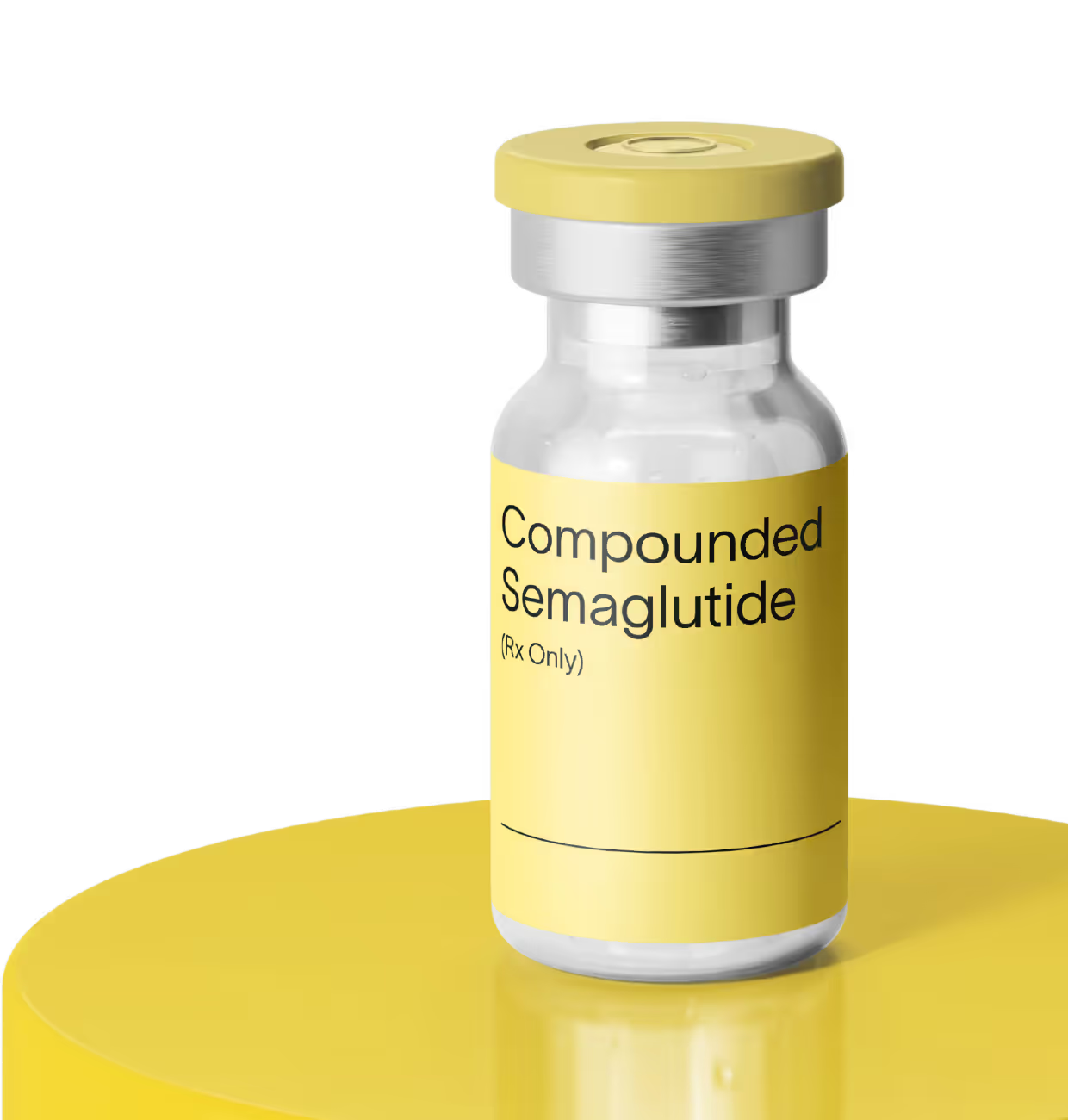
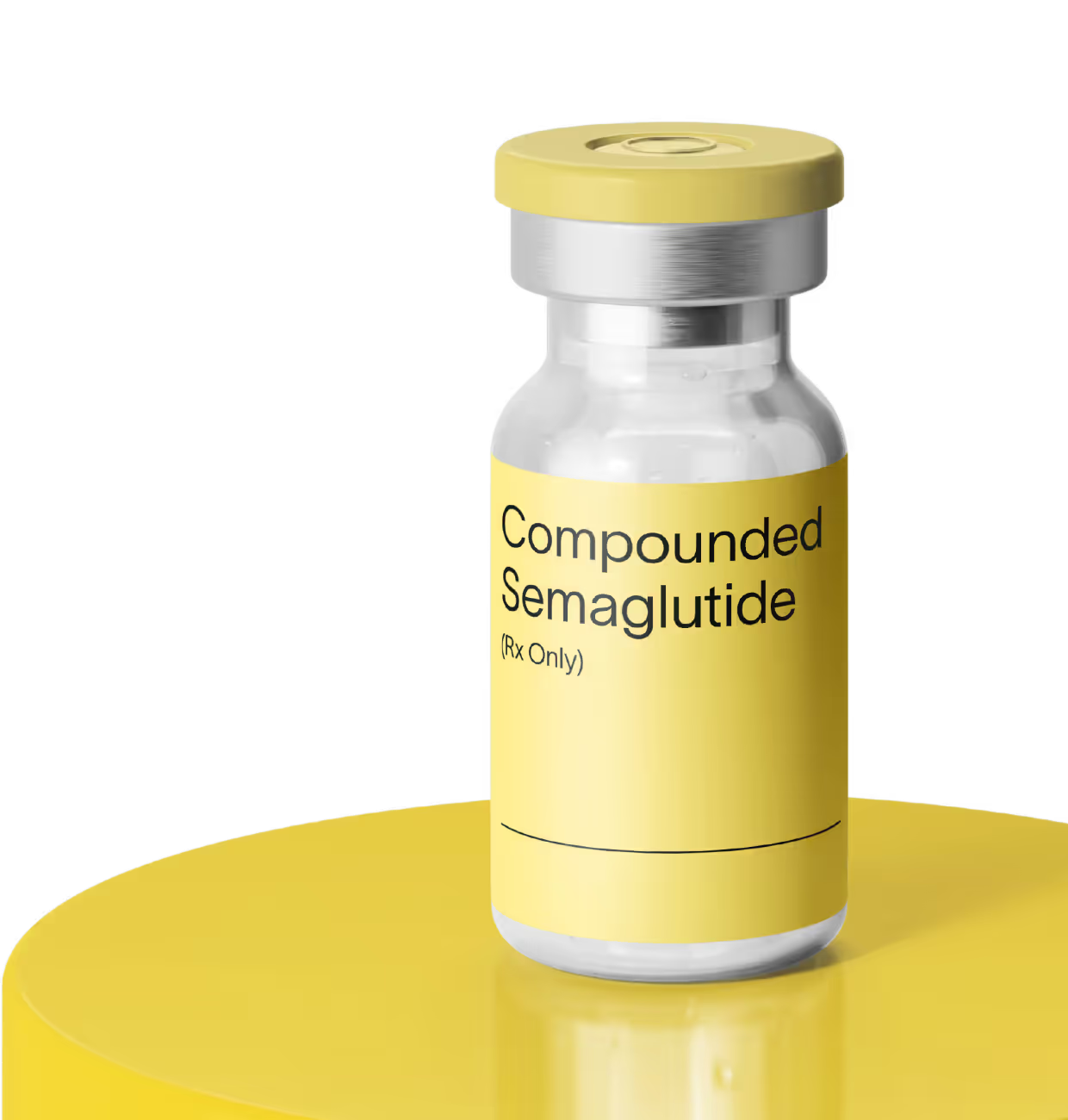
Please note: Compounded medications are tailored to individual needs or used in case of shortages, but they are not FDA-approved for safety or effectiveness. A prescription is required. Results may vary from person to person.
We prioritize a personalized approach to your health. If your medical provider prescribes medication, options may include GLP-1 treatments such as compounded semaglutide. Our providers prescribe only combination treatments not available at your local pharmacy that may include vitamin B12, etc. to help you achieve your goals faster.
Depending on your treatment goals, other medications such as metformin may also be considered. We recognize the importance of managing side effects, so your care plan might include medication to ease symptoms like nausea. Your well-being is always our top priority!
Please note that compounded medications are customized to meet individual patient needs and are not FDA-approved for safety or effectiveness. A prescription is necessary. Results may vary from person to person.
Curex and its pharmacy partners do not have any association with Novo Nordisk.
Your health journey is unique, and we tailor our care to match. Any prescriptions, including semaglutide, will be based on the expert assessment of the medical provider matched with you through our platform. You can trust that your treatment plan will be personalized to fit your specific needs. And if semaglutide is not prescribed, we will provide a full refund.
Compounding involves creating customized medications to meet the specific needs of individual patients. For instance, a patient may require a liquid version of a medication that is only available in tablet form. Pharmacies can also compound medications using FDA-approved drugs that are on the FDA’s shortage list.
These compounded medications are made by state-licensed pharmacies that follow both federal and state regulations, including quality standards. However, when compounded in accordance with these laws, these medications are not subject to FDA approval and are not evaluated for safety or effectiveness.
Compounded medications differ from generic drugs. Generics require FDA approval by demonstrating bio-equivalence to the brand-name drug. In contrast, compounded medications are not FDA-approved. They are made based on a personalized prescription that may not be commercially available elsewhere or when a drug appears on the FDA’s shortage list. Compounding pharmacies must have the proper licensed facilities and comply with state and federal regulations before dispensing these medications.
No, Curex doesn’t require insurance. We offer clear and simple pricing, along with affordable medication options, making it easy and accessible to take care of your health.
Yes! You can pay with your HSA or FSA card.
Our providers focus on personalized medications and dosages that aren’t commercially available at your local pharmacy. We don’t prescribe Ozempic®* or Wegovy®.* We may prescribe treatments containing compounded semaglutide or tirzepatide. These medications are specially compounded for you by a licensed pharmacy to meet your specific needs.
Our providers will review your information 100% online. Depending on where you live and the specifics of your medical history, our providers may require you to have a video visit or asynchronous visit via text message. If prescribed, you’ll get unlimited online access to message your provider as needed for follow-ups, adjustments, and answers to your questions.
Currently, we do not serve Arkansas, Connecticut, and New Mexico. However, we are always working to expand our reach, so stay in touch with us at hi@getcurex.com.
• Begin with a 16:8 fasting schedule: fast for 16 hours (8:00 PM – 12:00 PM) and eat during an 8-hour window (12:00 PM – 8:00 PM).
• Break your fast with a nutrient-rich meal including lean protein, leafy greens, and complex carbohydrates.
• Stay hydrated with water and unsweetened herbal teas throughout the day.
• Continue the 16:8 plan. Try to start your eating window at 12:00 PM again.
• Include anti-inflammatory foods such as berries, nuts, and fish rich in omega-3.
• Incorporate a light exercise routine (e.g., brisk walking) during the fasting period.
• Maintain the 16:8 intermittent fasting schedule.
• Focus on a balanced lunch with vegetables, a healthy fat source (like avocado), and whole grains.
• Enjoy a light dinner with steamed vegetables and grilled lean protein.
• Continue with the 16:8 fasting schedule; adjust the eating window if needed to suit your energy levels.
• Emphasize hydration: drink plenty of water and consider green tea for added antioxidants.
• Integrate a moderate-intensity workout (e.g., cycling or jogging) during your active window.