Low-Calorie Diet (LCD) Guide: Rules, Benefits & Foods to Eat

Discover ultimate LCD guide: rules, benefits, risks & foods to eat for a healthier lifestyle.
#1 Online
Allergy Clinic
 curex user showing allergy treatment kita patient showing allergy treatment boxa male patient showing allergy drops vial
50,000+
users

gr.

Carbohydrates

gr.

Sugar

gr.

Fats

gr.

Proteins

Calories


Definition

 
  • A Low-Calorie Diet (LCD) refers to a nutritional approach where the daily caloric intake is intentionally reduced compared to typical energy consumption levels.
  • This method focuses on consuming foods that provide fewer calories while aiming to supply the essential nutrients, vitamins, and minerals required by the body.


Core Concept

 
  • The primary goal is to create a caloric deficit—this means that the body uses more calories for its energy needs than what is being consumed, which can lead to weight loss over time.
  • This dietary approach does not necessarily exclude any major food groups; rather, it emphasizes portion control and the selection of lower-calorie options across various food categories.


How It Works

 
  • The mechanism is based on the energy balance principle, where consistent caloric deficits force the body to utilize stored energy—commonly in the form of body fat—to meet its energy demands.
  • This process requires careful planning to maintain nutritional adequacy while ensuring that the overall caloric intake stays below the usual energy expenditure.


Food Selection and Planning

 
  • The diet typically involves choosing foods naturally low in calories, such as vegetables, fruits, lean proteins, and whole grains, which provide satiety and essential nutrients without excessive energy.
  • Meal planning and portion control are crucial components to prevent inadvertent overconsumption of calories even from low-calorie foods.


Stay on track—experience the next level of support with weight loss medication

Learn More

Low-Calorie Diet (LCD) Risks

Improved Metabolic Health


Restricting calories can help reduce blood sugar levels, cholesterol, and blood pressure. These improvements support overall metabolic health and lower the risk of chronic conditions.

woman laying on a field of grass smiling

Low-Calorie Diet (LCD) Benefits

Weight Loss


A low-calorie diet creates a calorie deficit, encouraging the body to burn stored fat for energy. This process leads to gradual, sustainable weight loss and improved body composition.

Boost Your Progress with our Weight Loss Medication for Better Fat Loss

Learn More

What to Eat on Low-Calorie Diet (LCD)

Lean Greens Diet


This plan emphasizes nutrient-dense leafy greens and vegetables that are naturally low in calories. It focuses on delivering essential vitamins and minerals while keeping energy intake minimal, making it ideal for weight management and overall health.

High-Protein, Low-Calorie Diet


This approach balances lean protein sources—such as chicken, fish, tofu, and legumes—with a low-calorie framework. The goal is to maintain muscle mass and satiety while reducing overall calorie intake, supporting healthy weight loss and metabolism.

Whole Foods LCD


Centered around minimally processed foods, this diet incorporates a rich variety of fruits, vegetables, and whole grains. It helps promote fullness, provides essential nutrients, and ensures a balanced intake without relying on calorie-dense options.

Intermittent Fasting LCD


This diet merges low-calorie meals with strategic fasting periods. By limiting the time window for food consumption, it naturally reduces calorie intake while potentially enhancing metabolic health and fat metabolism.

Your health matters. Lose weight safely and efffectively with Curex

gr.

Carbohydrates

gr.

Sugar

gr.

Fats

gr.

Proteins

Calories


Definition

 
  • A Low-Calorie Diet (LCD) refers to a nutritional approach where the daily caloric intake is intentionally reduced compared to typical energy consumption levels.
  • This method focuses on consuming foods that provide fewer calories while aiming to supply the essential nutrients, vitamins, and minerals required by the body.


Core Concept

 
  • The primary goal is to create a caloric deficit—this means that the body uses more calories for its energy needs than what is being consumed, which can lead to weight loss over time.
  • This dietary approach does not necessarily exclude any major food groups; rather, it emphasizes portion control and the selection of lower-calorie options across various food categories.


How It Works

 
  • The mechanism is based on the energy balance principle, where consistent caloric deficits force the body to utilize stored energy—commonly in the form of body fat—to meet its energy demands.
  • This process requires careful planning to maintain nutritional adequacy while ensuring that the overall caloric intake stays below the usual energy expenditure.


Food Selection and Planning

 
  • The diet typically involves choosing foods naturally low in calories, such as vegetables, fruits, lean proteins, and whole grains, which provide satiety and essential nutrients without excessive energy.
  • Meal planning and portion control are crucial components to prevent inadvertent overconsumption of calories even from low-calorie foods.


Combine supplements for faster results—try our meds

Learn More

Low-Calorie Diet (LCD) Risks

Day 7: Revitalize


Breakfast: Smoothie bowl with blended frozen berries and spinach, topped with sliced kiwi and a small sprinkle of nuts.

Morning Snack: Carrot sticks.

Lunch: Turkey and avocado salad with mixed greens, cucumbers, and cherry tomatoes dressed in a light lemon vinaigrette.

Afternoon Snack: A small handful of unsalted mixed nuts.

Dinner: Zucchini noodles tossed with marinara sauce and grilled chicken breast.

 
woman laying on a field of grass smiling

7-Day Low-Calorie Diet (LCD) Plan

Nutrient Deficiency


A low-calorie diet can lead to insufficient intake of essential vitamins and minerals, potentially compromising overall health and immune function over time.

Jumpstart your journey with our medications

Learn More

Common Low-Calorie Diet (LCD) Mistakes

Types of Low-Calorie Diet (LCD)

Metabolic Slowdown


Consistently consuming fewer calories than needed may cause the body's metabolism to slow down, making weight loss more challenging and affecting energy levels.

What to Avoid on Low-Calorie Diet (LCD)

Muscle Loss


When calorie intake is too low, the body may break down muscle tissue for energy, leading to loss of muscle mass and decreased strength and functionality.

What Is Low-Calorie Diet (LCD)?

Day 5: Fresh Flavors


Breakfast: Overnight oats made with almond milk, a teaspoon of flaxseed, and sliced banana.

Morning Snack: A bowl of mixed berries (strawberries, blueberries, raspberries).

Lunch: Spinach salad with grilled shrimp, avocado, cherry tomatoes, and a light vinaigrette.

Afternoon Snack: 1 rice cake with a thin spread of light cream cheese.

Dinner: Chicken and vegetable stir fry (broccoli, carrots, snap peas) served over cauliflower rice.

Combine supplements for faster results—try our meds

Learn More

Low-Calorie Diet (LCD) Benefits


Basic Plate Composition


  • Favor Vegetables and Fruits – They are low in calories and high in fiber, vitamins, and minerals that support overall health.
  • Choose Lean Proteins – Incorporate sources like chicken, fish, legumes, or tofu to keep you full and preserve muscle mass.
  • Select Whole Grains – Replace refined grains with whole grains to increase fiber intake and improve satiety.


Portion Control and Meal Frequency


  • Focus on Portion Sizes – Use smaller plates and measure servings to avoid overeating.
  • Structured Meal Timing – Eating at regular intervals helps maintain stable blood sugar levels and prevents binge eating.
  • Smart Snacking – Choose low-calorie, nutrient-dense snacks like raw vegetables or a small piece of fruit.


Mindful Eating Practices


  • Savor Your Meals – Eat slowly and chew thoroughly to allow your body to register fullness.
  • Avoid Distractions – Turn off screens during meals to enhance focus on the food and prevent overeating.
  • Listen to Your Body – Recognize hunger and fullness cues to avoid unnecessary snacking and overeating.


Hydration and Beverage Choices


  • Stay Hydrated – Water should be your primary beverage. It supports digestion and may help control appetite.
  • Limit High-Calorie Drinks – Avoid sugary drinks and excessive alcohol, which can add empty calories.
  • Include Herbal Teas – They are typically calorie-free and can promote relaxation.


Balanced Nutrient Intake


  • Ensure Macronutrient Balance – Each meal should contain a mix of proteins, healthy fats, and carbohydrates.
  • Minimize Highly Processed Foods – Reduce intake of processed items high in added sugars and unhealthy fats.
  • Adjust Fats Wisely – Include sources of healthy fats, such as avocados and nuts, in moderation.


Lifestyle Integration and Sustainability


  • Set Realistic Goals – Focus on gradual changes rather than drastic cuts, fostering long-term habits.
  • Plan and Prepare Meals – Planning ahead ensures you have low-calorie, nourishing options readily available.
  • Monitor Progress – Keep a food journal or use an app to track daily intake and assess how you feel.


Physical Activity and Recovery


  • Incorporate Regular Exercise – Combine aerobic activity, strength training, and flexibility exercises for optimal health.
  • Prioritize Rest – Adequate sleep and recovery can help regulate appetite hormones and overall wellbeing.
  • Combine Diet and Lifestyle – Balance physical activity with your dietary habits for sustained energy and improved metabolism.


Boost Your Progress with our Weight Loss Medication for Better Fat Loss

Learn More

Weight Loss


A low-calorie diet creates a calorie deficit, encouraging the body to burn stored fat for energy. This process leads to gradual, sustainable weight loss and improved body composition.

Improved Metabolic Health


Restricting calories can help reduce blood sugar levels, cholesterol, and blood pressure. These improvements support overall metabolic health and lower the risk of chronic conditions.

Enhanced Satiety and Nutrient Density


An LCD encourages consumption of nutrient-dense foods that are naturally lower in calories. This can promote feelings of fullness, reduce unhealthy snacking, and ensure essential nutrients are still consumed.

Supercharge weight loss: pair whey with our meds

What to Eat on Low-Calorie Diet (LCD)

Lean Greens Diet


This plan emphasizes nutrient-dense leafy greens and vegetables that are naturally low in calories. It focuses on delivering essential vitamins and minerals while keeping energy intake minimal, making it ideal for weight management and overall health.

High-Protein, Low-Calorie Diet


This approach balances lean protein sources—such as chicken, fish, tofu, and legumes—with a low-calorie framework. The goal is to maintain muscle mass and satiety while reducing overall calorie intake, supporting healthy weight loss and metabolism.

Whole Foods LCD


Centered around minimally processed foods, this diet incorporates a rich variety of fruits, vegetables, and whole grains. It helps promote fullness, provides essential nutrients, and ensures a balanced intake without relying on calorie-dense options.

Intermittent Fasting LCD


This diet merges low-calorie meals with strategic fasting periods. By limiting the time window for food consumption, it naturally reduces calorie intake while potentially enhancing metabolic health and fat metabolism.

Your health matters. Lose weight safely and effectively with Curex

Low-Calorie Diet (LCD) Basic Rules

Day 6: Wholesome & Light


Breakfast: Low-fat Greek yogurt bowl topped with sliced apple, a sprinkle of walnuts, and a light drizzle of honey.

Morning Snack: Mixed vegetable crudités (bell peppers, cherry tomatoes, and snap peas).

Lunch: Grilled vegetable panini on whole grain bread with a thin spread of pesto.

Afternoon Snack: 1 sliced pear.

Dinner: Baked cod with lemon and garlic, served with sautéed kale and ½ cup quinoa.

Stay safe—shed pounds with our proven medications

Learn More

How many calories should I eat daily on a low-calorie diet?

Day 1: Kickstart


Breakfast: 1 cup oatmeal with mixed berries and unsweetened almond milk.

Morning Snack: 1 apple.

Lunch: Grilled chicken salad with mixed greens, tomatoes, cucumbers, and a light balsamic dressing.

Afternoon Snack: Carrot sticks with 2 tablespoons of hummus.

Dinner: Steamed tilapia with broccoli and ½ cup quinoa.

How long does it take to see weight loss on an LCD?

Day 2: Protein Boost


Breakfast: 1 cup low-fat Greek yogurt mixed with fresh fruits and 1 teaspoon chia seeds.

Morning Snack: A small handful (about 10) of almonds.

Lunch: Lentil soup with a side of mixed salad (lettuce, cucumber, and tomato with lemon dressing).

Afternoon Snack: Sliced cucumber with a squeeze of lemon.

Dinner: Stir-fried tofu with mixed bell peppers, spinach, and a drizzle of low-sodium soy sauce served with a small portion of brown rice.

What are the best low-calorie foods for a healthy diet?

Day 3: Veggie Infusion


Breakfast: Green smoothie with spinach, banana, unsweetened almond milk, and a scoop of protein powder.

Morning Snack: 1 boiled egg.

Lunch: Turkey wrap using a whole wheat tortilla with avocado, lettuce, and tomato.

Afternoon Snack: Celery sticks with 1 tablespoon natural peanut butter.

Dinner: Baked salmon with steamed asparagus and ½ cup brown rice.

Day 4: Balanced Energy


Breakfast: 2 slices whole grain toast with scrambled egg whites and mixed veggies (spinach, tomatoes, mushrooms).

Morning Snack: 1 orange or grapefruit.

Lunch: Quinoa salad with black beans, corn, diced tomatoes, and chopped cilantro dressed with lime juice.

Afternoon Snack: ½ cup low-fat cottage cheese with pineapple chunks.

Dinner: Vegetable soup with barley and a side small green salad with a drizzle of olive oil and vinegar.

Still have questions? Our weight-loss meds have answers

Lean Greens Diet


This plan emphasizes nutrient-dense leafy greens and vegetables that are naturally low in calories. It focuses on delivering essential vitamins and minerals while keeping energy intake minimal, making it ideal for weight management and overall health.

High-Protein, Low-Calorie Diet


This approach balances lean protein sources—such as chicken, fish, tofu, and legumes—with a low-calorie framework. The goal is to maintain muscle mass and satiety while reducing overall calorie intake, supporting healthy weight loss and metabolism.

Whole Foods LCD


Centered around minimally processed foods, this diet incorporates a rich variety of fruits, vegetables, and whole grains. It helps promote fullness, provides essential nutrients, and ensures a balanced intake without relying on calorie-dense options.

Intermittent Fasting LCD


This diet merges low-calorie meals with strategic fasting periods. By limiting the time window for food consumption, it naturally reduces calorie intake while potentially enhancing metabolic health and fat metabolism.

Boost Any Diet with our Weight Loss Medication for Better Fat Loss

Learn More

Low-Calorie Diet (LCD) Benefits

Weight Loss


A low-calorie diet creates a calorie deficit, encouraging the body to burn stored fat for energy. This process leads to gradual, sustainable weight loss and improved body composition.

Improved Metabolic Health


Restricting calories can help reduce blood sugar levels, cholesterol, and blood pressure. These improvements support overall metabolic health and lower the risk of chronic conditions.

Enhanced Satiety and Nutrient Density


An LCD encourages consumption of nutrient-dense foods that are naturally lower in calories. This can promote feelings of fullness, reduce unhealthy snacking, and ensure essential nutrients are still consumed.

Nutrient Deficiency


A low-calorie diet can lead to insufficient intake of essential vitamins and minerals, potentially compromising overall health and immune function over time.

Metabolic Slowdown


Consistently consuming fewer calories than needed may cause the body's metabolism to slow down, making weight loss more challenging and affecting energy levels.

Muscle Loss


When calorie intake is too low, the body may break down muscle tissue for energy, leading to loss of muscle mass and decreased strength and functionality.

Want Results That Last? Add our Weight-Loss Medication

woman laying on a field of grass smiling

What to Eat on Low-Calorie Diet (LCD)


Foods to Avoid


  • Highly Processed Foods – These include snacks, fast foods, and ready-to-eat meals that are often high in refined sugars, unhealthy fats, and additives. They provide empty calories and can lead to chronic health issues.
  • Trans Fats – Found in many baked goods, fried foods, and some margarines. Trans fats are harmful to heart health and should be replaced with healthier fat options.
  • Excess Salt – High sodium intake can lead to high blood pressure. Avoid processed and packaged foods where salt content is typically high.
  • Sugary Beverages – Drinks full of added sugars, like sodas and certain fruit juices, can spike blood sugar levels and contribute to weight gain and metabolic disturbances.


Lifestyle Habits to Avoid


  • Sedentary Behavior – Long periods of inactivity can negatively impact metabolism and overall health. Incorporate regular physical activity like walking, cycling, or any exercise you enjoy.
  • Poor Sleep Patterns – Inadequate or irregular sleep disturbs the body’s circadian rhythm, potentially leading to hormonal imbalances and poor appetite control. Aim for 7-9 hours of quality sleep each night.
  • Chronic Stress – High levels of stress may affect digestion and increase the desire for unhealthy, comfort foods. Stress management techniques such as meditation, deep breathing, or hobbies can be beneficial.


Behavioral and Environmental Factors to Avoid


  • Skipping Meals – Especially breakfast, which helps kick-start your metabolism. Skipping meals can lead to overeating later in the day and unstable blood sugar levels.
  • Mindless Eating – Eating while distracted (like watching TV or working) may lead to overeating. Focus on your meal to better appreciate portion sizes and satiety signals.
  • Ignoring Food Labels – Not reading nutrition facts and ingredient lists can prevent you from making informed choices. Become familiar with labels to avoid hidden sugars, salts, and unhealthy fats.


Simple Changes, Stunning Results—Combine Your Diet with Our Weight Loss Medication

Learn More

Low-Calorie Diet (LCD) Risks

Day 1: Kickstart


Breakfast: 1 cup oatmeal with mixed berries and unsweetened almond milk.

Morning Snack: 1 apple.

Lunch: Grilled chicken salad with mixed greens, tomatoes, cucumbers, and a light balsamic dressing.

Afternoon Snack: Carrot sticks with 2 tablespoons of hummus.

Dinner: Steamed tilapia with broccoli and ½ cup quinoa.

Day 2: Protein Boost


Breakfast: 1 cup low-fat Greek yogurt mixed with fresh fruits and 1 teaspoon chia seeds.

Morning Snack: A small handful (about 10) of almonds.

Lunch: Lentil soup with a side of mixed salad (lettuce, cucumber, and tomato with lemon dressing).

Afternoon Snack: Sliced cucumber with a squeeze of lemon.

Dinner: Stir-fried tofu with mixed bell peppers, spinach, and a drizzle of low-sodium soy sauce served with a small portion of brown rice.

Day 3: Veggie Infusion


Breakfast: Green smoothie with spinach, banana, unsweetened almond milk, and a scoop of protein powder.

Morning Snack: 1 boiled egg.

Lunch: Turkey wrap using a whole wheat tortilla with avocado, lettuce, and tomato.

Afternoon Snack: Celery sticks with 1 tablespoon natural peanut butter.

Dinner: Baked salmon with steamed asparagus and ½ cup brown rice.

Day 4: Balanced Energy


Breakfast: 2 slices whole grain toast with scrambled egg whites and mixed veggies (spinach, tomatoes, mushrooms).

Morning Snack: 1 orange or grapefruit.

Lunch: Quinoa salad with black beans, corn, diced tomatoes, and chopped cilantro dressed with lime juice.

Afternoon Snack: ½ cup low-fat cottage cheese with pineapple chunks.

Dinner: Vegetable soup with barley and a side small green salad with a drizzle of olive oil and vinegar.

Day 5: Fresh Flavors


Breakfast: Overnight oats made with almond milk, a teaspoon of flaxseed, and sliced banana.

Morning Snack: A bowl of mixed berries (strawberries, blueberries, raspberries).

Lunch: Spinach salad with grilled shrimp, avocado, cherry tomatoes, and a light vinaigrette.

Afternoon Snack: 1 rice cake with a thin spread of light cream cheese.

Dinner: Chicken and vegetable stir fry (broccoli, carrots, snap peas) served over cauliflower rice.

Day 6: Wholesome & Light


Breakfast: Low-fat Greek yogurt bowl topped with sliced apple, a sprinkle of walnuts, and a light drizzle of honey.

Morning Snack: Mixed vegetable crudités (bell peppers, cherry tomatoes, and snap peas).

Lunch: Grilled vegetable panini on whole grain bread with a thin spread of pesto.

Afternoon Snack: 1 sliced pear.

Dinner: Baked cod with lemon and garlic, served with sautéed kale and ½ cup quinoa.

Day 7: Revitalize


Breakfast: Smoothie bowl with blended frozen berries and spinach, topped with sliced kiwi and a small sprinkle of nuts.

Morning Snack: Carrot sticks.

Lunch: Turkey and avocado salad with mixed greens, cucumbers, and cherry tomatoes dressed in a light lemon vinaigrette.

Afternoon Snack: A small handful of unsalted mixed nuts.

Dinner: Zucchini noodles tossed with marinara sauce and grilled chicken breast.


Achieve your maximum potential: combine this plan with our weight loss medication

woman laying on a field of grass smiling

Low-Calorie Diet (LCD) Guide: Rules, Benefits & Foods to Eat


Definition

 
  • A Low-Calorie Diet (LCD) refers to a nutritional approach where the daily caloric intake is intentionally reduced compared to typical energy consumption levels.
  • This method focuses on consuming foods that provide fewer calories while aiming to supply the essential nutrients, vitamins, and minerals required by the body.


Core Concept

 
  • The primary goal is to create a caloric deficit—this means that the body uses more calories for its energy needs than what is being consumed, which can lead to weight loss over time.
  • This dietary approach does not necessarily exclude any major food groups; rather, it emphasizes portion control and the selection of lower-calorie options across various food categories.


How It Works

 
  • The mechanism is based on the energy balance principle, where consistent caloric deficits force the body to utilize stored energy—commonly in the form of body fat—to meet its energy demands.
  • This process requires careful planning to maintain nutritional adequacy while ensuring that the overall caloric intake stays below the usual energy expenditure.


Food Selection and Planning

 
  • The diet typically involves choosing foods naturally low in calories, such as vegetables, fruits, lean proteins, and whole grains, which provide satiety and essential nutrients without excessive energy.
  • Meal planning and portion control are crucial components to prevent inadvertent overconsumption of calories even from low-calorie foods.


Lean Greens Diet


This plan emphasizes nutrient-dense leafy greens and vegetables that are naturally low in calories. It focuses on delivering essential vitamins and minerals while keeping energy intake minimal, making it ideal for weight management and overall health.

High-Protein, Low-Calorie Diet


This approach balances lean protein sources—such as chicken, fish, tofu, and legumes—with a low-calorie framework. The goal is to maintain muscle mass and satiety while reducing overall calorie intake, supporting healthy weight loss and metabolism.

Whole Foods LCD


Centered around minimally processed foods, this diet incorporates a rich variety of fruits, vegetables, and whole grains. It helps promote fullness, provides essential nutrients, and ensures a balanced intake without relying on calorie-dense options.

Intermittent Fasting LCD


This diet merges low-calorie meals with strategic fasting periods. By limiting the time window for food consumption, it naturally reduces calorie intake while potentially enhancing metabolic health and fat metabolism.


Low-Calorie Diet Insights


  • Individual Factors: Calorie needs depend on age, sex, weight, and activity level.
  • Typical Guidelines: For many women, a low-calorie diet may range from 1,200–1,500 calories/day; for many men, 1,500–1,800 calories/day.
  • Personalization is Key: Consulting a dietician ensures the target supports weight loss while meeting nutrient needs.


Understanding Weight Loss Timeline

 
  • Timeframe: Results on a low‐calorie diet often manifest within 2 to 4 weeks.
  • Rate: Expect gradual loss, typically around 1-2 lbs per week, though individual factors like metabolism, starting weight, and physical activity play a role.
  • Consistency: Adhering to your LCD with balanced nutrition and regular exercise is essential for sustainable results.
 

Studies show low Vitamin C can make your body burn 30% less fat during exercise​
Don’t let a deficiency hold back your weight loss – see how our medication can help accelerate your results

Low-Calorie Diet (LCD) Benefits


Definition

 
  • A Low-Calorie Diet (LCD) refers to a nutritional approach where the daily caloric intake is intentionally reduced compared to typical energy consumption levels.
  • This method focuses on consuming foods that provide fewer calories while aiming to supply the essential nutrients, vitamins, and minerals required by the body.


Core Concept

 
  • The primary goal is to create a caloric deficit—this means that the body uses more calories for its energy needs than what is being consumed, which can lead to weight loss over time.
  • This dietary approach does not necessarily exclude any major food groups; rather, it emphasizes portion control and the selection of lower-calorie options across various food categories.


How It Works

 
  • The mechanism is based on the energy balance principle, where consistent caloric deficits force the body to utilize stored energy—commonly in the form of body fat—to meet its energy demands.
  • This process requires careful planning to maintain nutritional adequacy while ensuring that the overall caloric intake stays below the usual energy expenditure.


Food Selection and Planning

 
  • The diet typically involves choosing foods naturally low in calories, such as vegetables, fruits, lean proteins, and whole grains, which provide satiety and essential nutrients without excessive energy.
  • Meal planning and portion control are crucial components to prevent inadvertent overconsumption of calories even from low-calorie foods.


Our weight loss medication is designed to tackle slow fat burning so you can shed those extra inches – get started now.

Learn More

Low-Calorie Diet (LCD) Risks

Weight Loss


A low-calorie diet creates a calorie deficit, encouraging the body to burn stored fat for energy. This process leads to gradual, sustainable weight loss and improved body composition.

Improved Metabolic Health


Restricting calories can help reduce blood sugar levels, cholesterol, and blood pressure. These improvements support overall metabolic health and lower the risk of chronic conditions.

Enhanced Satiety and Nutrient Density


An LCD encourages consumption of nutrient-dense foods that are naturally lower in calories. This can promote feelings of fullness, reduce unhealthy snacking, and ensure essential nutrients are still consumed.

Nutrient Deficiency


A low-calorie diet can lead to insufficient intake of essential vitamins and minerals, potentially compromising overall health and immune function over time.

Metabolic Slowdown


Consistently consuming fewer calories than needed may cause the body's metabolism to slow down, making weight loss more challenging and affecting energy levels.

Muscle Loss


When calorie intake is too low, the body may break down muscle tissue for energy, leading to loss of muscle mass and decreased strength and functionality.

Not getting enough fruits and veggies?
A nutrient-poor diet can leave you low in Vitamins and struggling with weight.
Our weight loss medication helps boost your metabolism even when nutritional gaps hold you back.

Curex oral dissolving tablets (ODT)


Basic Plate Composition


  • Favor Vegetables and Fruits – They are low in calories and high in fiber, vitamins, and minerals that support overall health.
  • Choose Lean Proteins – Incorporate sources like chicken, fish, legumes, or tofu to keep you full and preserve muscle mass.
  • Select Whole Grains – Replace refined grains with whole grains to increase fiber intake and improve satiety.


Portion Control and Meal Frequency


  • Focus on Portion Sizes – Use smaller plates and measure servings to avoid overeating.
  • Structured Meal Timing – Eating at regular intervals helps maintain stable blood sugar levels and prevents binge eating.
  • Smart Snacking – Choose low-calorie, nutrient-dense snacks like raw vegetables or a small piece of fruit.


Mindful Eating Practices


  • Savor Your Meals – Eat slowly and chew thoroughly to allow your body to register fullness.
  • Avoid Distractions – Turn off screens during meals to enhance focus on the food and prevent overeating.
  • Listen to Your Body – Recognize hunger and fullness cues to avoid unnecessary snacking and overeating.


Hydration and Beverage Choices


  • Stay Hydrated – Water should be your primary beverage. It supports digestion and may help control appetite.
  • Limit High-Calorie Drinks – Avoid sugary drinks and excessive alcohol, which can add empty calories.
  • Include Herbal Teas – They are typically calorie-free and can promote relaxation.


Balanced Nutrient Intake


  • Ensure Macronutrient Balance – Each meal should contain a mix of proteins, healthy fats, and carbohydrates.
  • Minimize Highly Processed Foods – Reduce intake of processed items high in added sugars and unhealthy fats.
  • Adjust Fats Wisely – Include sources of healthy fats, such as avocados and nuts, in moderation.


Lifestyle Integration and Sustainability


  • Set Realistic Goals – Focus on gradual changes rather than drastic cuts, fostering long-term habits.
  • Plan and Prepare Meals – Planning ahead ensures you have low-calorie, nourishing options readily available.
  • Monitor Progress – Keep a food journal or use an app to track daily intake and assess how you feel.


Physical Activity and Recovery


  • Incorporate Regular Exercise – Combine aerobic activity, strength training, and flexibility exercises for optimal health.
  • Prioritize Rest – Adequate sleep and recovery can help regulate appetite hormones and overall wellbeing.
  • Combine Diet and Lifestyle – Balance physical activity with your dietary habits for sustained energy and improved metabolism.


Combine supplements for faster results—try our meds

Learn More

What to Eat on Low-Calorie Diet (LCD)


Foods to Avoid


  • Highly Processed Foods – These include snacks, fast foods, and ready-to-eat meals that are often high in refined sugars, unhealthy fats, and additives. They provide empty calories and can lead to chronic health issues.
  • Trans Fats – Found in many baked goods, fried foods, and some margarines. Trans fats are harmful to heart health and should be replaced with healthier fat options.
  • Excess Salt – High sodium intake can lead to high blood pressure. Avoid processed and packaged foods where salt content is typically high.
  • Sugary Beverages – Drinks full of added sugars, like sodas and certain fruit juices, can spike blood sugar levels and contribute to weight gain and metabolic disturbances.


Lifestyle Habits to Avoid


  • Sedentary Behavior – Long periods of inactivity can negatively impact metabolism and overall health. Incorporate regular physical activity like walking, cycling, or any exercise you enjoy.
  • Poor Sleep Patterns – Inadequate or irregular sleep disturbs the body’s circadian rhythm, potentially leading to hormonal imbalances and poor appetite control. Aim for 7-9 hours of quality sleep each night.
  • Chronic Stress – High levels of stress may affect digestion and increase the desire for unhealthy, comfort foods. Stress management techniques such as meditation, deep breathing, or hobbies can be beneficial.


Behavioral and Environmental Factors to Avoid


  • Skipping Meals – Especially breakfast, which helps kick-start your metabolism. Skipping meals can lead to overeating later in the day and unstable blood sugar levels.
  • Mindless Eating – Eating while distracted (like watching TV or working) may lead to overeating. Focus on your meal to better appreciate portion sizes and satiety signals.
  • Ignoring Food Labels – Not reading nutrition facts and ingredient lists can prevent you from making informed choices. Become familiar with labels to avoid hidden sugars, salts, and unhealthy fats.


How many calories should I eat daily on a low-calorie diet?

Day 1: Kickstart


Breakfast: 1 cup oatmeal with mixed berries and unsweetened almond milk.

Morning Snack: 1 apple.

Lunch: Grilled chicken salad with mixed greens, tomatoes, cucumbers, and a light balsamic dressing.

Afternoon Snack: Carrot sticks with 2 tablespoons of hummus.

Dinner: Steamed tilapia with broccoli and ½ cup quinoa.

How long does it take to see weight loss on an LCD?

Day 2: Protein Boost


Breakfast: 1 cup low-fat Greek yogurt mixed with fresh fruits and 1 teaspoon chia seeds.

Morning Snack: A small handful (about 10) of almonds.

Lunch: Lentil soup with a side of mixed salad (lettuce, cucumber, and tomato with lemon dressing).

Afternoon Snack: Sliced cucumber with a squeeze of lemon.

Dinner: Stir-fried tofu with mixed bell peppers, spinach, and a drizzle of low-sodium soy sauce served with a small portion of brown rice.

What are the best low-calorie foods for a healthy diet?

Day 3: Veggie Infusion


Breakfast: Green smoothie with spinach, banana, unsweetened almond milk, and a scoop of protein powder.

Morning Snack: 1 boiled egg.

Lunch: Turkey wrap using a whole wheat tortilla with avocado, lettuce, and tomato.

Afternoon Snack: Celery sticks with 1 tablespoon natural peanut butter.

Dinner: Baked salmon with steamed asparagus and ½ cup brown rice.

Still have questions?

We have answers. Book a consultation

Still have questions? Our weight-loss meds have answers

What Is Low-Calorie Diet (LCD)?


Definition

 
  • A Low-Calorie Diet (LCD) refers to a nutritional approach where the daily caloric intake is intentionally reduced compared to typical energy consumption levels.
  • This method focuses on consuming foods that provide fewer calories while aiming to supply the essential nutrients, vitamins, and minerals required by the body.


Core Concept

 
  • The primary goal is to create a caloric deficit—this means that the body uses more calories for its energy needs than what is being consumed, which can lead to weight loss over time.
  • This dietary approach does not necessarily exclude any major food groups; rather, it emphasizes portion control and the selection of lower-calorie options across various food categories.


How It Works

 
  • The mechanism is based on the energy balance principle, where consistent caloric deficits force the body to utilize stored energy—commonly in the form of body fat—to meet its energy demands.
  • This process requires careful planning to maintain nutritional adequacy while ensuring that the overall caloric intake stays below the usual energy expenditure.


Food Selection and Planning

 
  • The diet typically involves choosing foods naturally low in calories, such as vegetables, fruits, lean proteins, and whole grains, which provide satiety and essential nutrients without excessive energy.
  • Meal planning and portion control are crucial components to prevent inadvertent overconsumption of calories even from low-calorie foods.


Our weight loss medication is designed to tackle slow fat burning so you can shed those extra inches – get started now.

Learn More

Low-Calorie Diet (LCD) Benefits

Weight Loss


A low-calorie diet creates a calorie deficit, encouraging the body to burn stored fat for energy. This process leads to gradual, sustainable weight loss and improved body composition.

Improved Metabolic Health


Restricting calories can help reduce blood sugar levels, cholesterol, and blood pressure. These improvements support overall metabolic health and lower the risk of chronic conditions.

Enhanced Satiety and Nutrient Density


An LCD encourages consumption of nutrient-dense foods that are naturally lower in calories. This can promote feelings of fullness, reduce unhealthy snacking, and ensure essential nutrients are still consumed.

Low-Calorie Diet (LCD) Risks

Nutrient Deficiency


A low-calorie diet can lead to insufficient intake of essential vitamins and minerals, potentially compromising overall health and immune function over time.

Metabolic Slowdown


Consistently consuming fewer calories than needed may cause the body's metabolism to slow down, making weight loss more challenging and affecting energy levels.

Muscle Loss


When calorie intake is too low, the body may break down muscle tissue for energy, leading to loss of muscle mass and decreased strength and functionality.

Low-Calorie Diet (LCD) Basic Rules


Basic Plate Composition


  • Favor Vegetables and Fruits – They are low in calories and high in fiber, vitamins, and minerals that support overall health.
  • Choose Lean Proteins – Incorporate sources like chicken, fish, legumes, or tofu to keep you full and preserve muscle mass.
  • Select Whole Grains – Replace refined grains with whole grains to increase fiber intake and improve satiety.


Portion Control and Meal Frequency


  • Focus on Portion Sizes – Use smaller plates and measure servings to avoid overeating.
  • Structured Meal Timing – Eating at regular intervals helps maintain stable blood sugar levels and prevents binge eating.
  • Smart Snacking – Choose low-calorie, nutrient-dense snacks like raw vegetables or a small piece of fruit.


Mindful Eating Practices


  • Savor Your Meals – Eat slowly and chew thoroughly to allow your body to register fullness.
  • Avoid Distractions – Turn off screens during meals to enhance focus on the food and prevent overeating.
  • Listen to Your Body – Recognize hunger and fullness cues to avoid unnecessary snacking and overeating.


Hydration and Beverage Choices


  • Stay Hydrated – Water should be your primary beverage. It supports digestion and may help control appetite.
  • Limit High-Calorie Drinks – Avoid sugary drinks and excessive alcohol, which can add empty calories.
  • Include Herbal Teas – They are typically calorie-free and can promote relaxation.


Balanced Nutrient Intake


  • Ensure Macronutrient Balance – Each meal should contain a mix of proteins, healthy fats, and carbohydrates.
  • Minimize Highly Processed Foods – Reduce intake of processed items high in added sugars and unhealthy fats.
  • Adjust Fats Wisely – Include sources of healthy fats, such as avocados and nuts, in moderation.


Lifestyle Integration and Sustainability


  • Set Realistic Goals – Focus on gradual changes rather than drastic cuts, fostering long-term habits.
  • Plan and Prepare Meals – Planning ahead ensures you have low-calorie, nourishing options readily available.
  • Monitor Progress – Keep a food journal or use an app to track daily intake and assess how you feel.


Physical Activity and Recovery


  • Incorporate Regular Exercise – Combine aerobic activity, strength training, and flexibility exercises for optimal health.
  • Prioritize Rest – Adequate sleep and recovery can help regulate appetite hormones and overall wellbeing.
  • Combine Diet and Lifestyle – Balance physical activity with your dietary habits for sustained energy and improved metabolism.


Following the rules but not seeing results? We’ve got your back.

Learn More

Types of Low-Calorie Diet (LCD)

Lean Greens Diet


This plan emphasizes nutrient-dense leafy greens and vegetables that are naturally low in calories. It focuses on delivering essential vitamins and minerals while keeping energy intake minimal, making it ideal for weight management and overall health.

High-Protein, Low-Calorie Diet


This approach balances lean protein sources—such as chicken, fish, tofu, and legumes—with a low-calorie framework. The goal is to maintain muscle mass and satiety while reducing overall calorie intake, supporting healthy weight loss and metabolism.

Whole Foods LCD


Centered around minimally processed foods, this diet incorporates a rich variety of fruits, vegetables, and whole grains. It helps promote fullness, provides essential nutrients, and ensures a balanced intake without relying on calorie-dense options.

Intermittent Fasting LCD


This diet merges low-calorie meals with strategic fasting periods. By limiting the time window for food consumption, it naturally reduces calorie intake while potentially enhancing metabolic health and fat metabolism.

Our weight loss meds can help you slim down faster.

What to Eat on Low-Calorie Diet (LCD)

Leafy Greens


Spinach, kale, and lettuce are nutrient-dense and low in calories, making them ideal for filling salads and smoothies.

Lean Proteins


Chicken breast, turkey, tofu, and fish provide high-quality protein essential for muscle maintenance with minimal fat.

Cruciferous Vegetables


Broccoli, cauliflower, and Brussels sprouts are rich in fiber and antioxidants, aiding digestion while keeping calories low.

Berries


Strawberries, blueberries, and raspberries offer natural sweetness, high levels of antioxidants, and few calories.

Whole Grains


Quinoa, brown rice, and oats deliver complex carbohydrates and fiber, providing sustained energy without excess calories.

Legumes


Beans, lentils, and chickpeas are excellent sources of plant-based protein and fiber, supporting a balanced low-calorie diet.

Pair smart eating with real fat-burning support—see the difference

7-Day Low-Calorie Diet (LCD) Plan

Day 1: Kickstart


Breakfast: 1 cup oatmeal with mixed berries and unsweetened almond milk.

Morning Snack: 1 apple.

Lunch: Grilled chicken salad with mixed greens, tomatoes, cucumbers, and a light balsamic dressing.

Afternoon Snack: Carrot sticks with 2 tablespoons of hummus.

Dinner: Steamed tilapia with broccoli and ½ cup quinoa.

Day 2: Protein Boost


Breakfast: 1 cup low-fat Greek yogurt mixed with fresh fruits and 1 teaspoon chia seeds.

Morning Snack: A small handful (about 10) of almonds.

Lunch: Lentil soup with a side of mixed salad (lettuce, cucumber, and tomato with lemon dressing).

Afternoon Snack: Sliced cucumber with a squeeze of lemon.

Dinner: Stir-fried tofu with mixed bell peppers, spinach, and a drizzle of low-sodium soy sauce served with a small portion of brown rice.

Day 3: Veggie Infusion


Breakfast: Green smoothie with spinach, banana, unsweetened almond milk, and a scoop of protein powder.

Morning Snack: 1 boiled egg.

Lunch: Turkey wrap using a whole wheat tortilla with avocado, lettuce, and tomato.

Afternoon Snack: Celery sticks with 1 tablespoon natural peanut butter.

Dinner: Baked salmon with steamed asparagus and ½ cup brown rice.

Day 4: Balanced Energy


Breakfast: 2 slices whole grain toast with scrambled egg whites and mixed veggies (spinach, tomatoes, mushrooms).

Morning Snack: 1 orange or grapefruit.

Lunch: Quinoa salad with black beans, corn, diced tomatoes, and chopped cilantro dressed with lime juice.

Afternoon Snack: ½ cup low-fat cottage cheese with pineapple chunks.

Dinner: Vegetable soup with barley and a side small green salad with a drizzle of olive oil and vinegar.

Day 5: Fresh Flavors


Breakfast: Overnight oats made with almond milk, a teaspoon of flaxseed, and sliced banana.

Morning Snack: A bowl of mixed berries (strawberries, blueberries, raspberries).

Lunch: Spinach salad with grilled shrimp, avocado, cherry tomatoes, and a light vinaigrette.

Afternoon Snack: 1 rice cake with a thin spread of light cream cheese.

Dinner: Chicken and vegetable stir fry (broccoli, carrots, snap peas) served over cauliflower rice.

Day 6: Wholesome & Light


Breakfast: Low-fat Greek yogurt bowl topped with sliced apple, a sprinkle of walnuts, and a light drizzle of honey.

Morning Snack: Mixed vegetable crudités (bell peppers, cherry tomatoes, and snap peas).

Lunch: Grilled vegetable panini on whole grain bread with a thin spread of pesto.

Afternoon Snack: 1 sliced pear.

Dinner: Baked cod with lemon and garlic, served with sautéed kale and ½ cup quinoa.

Day 7: Revitalize


Breakfast: Smoothie bowl with blended frozen berries and spinach, topped with sliced kiwi and a small sprinkle of nuts.

Morning Snack: Carrot sticks.

Lunch: Turkey and avocado salad with mixed greens, cucumbers, and cherry tomatoes dressed in a light lemon vinaigrette.

Afternoon Snack: A small handful of unsalted mixed nuts.

Dinner: Zucchini noodles tossed with marinara sauce and grilled chicken breast.


Achieve your maximum potential: combine diet plan with our weight loss medication

What to Avoid on Low-Calorie Diet (LCD)


Foods to Avoid


  • Highly Processed Foods – These include snacks, fast foods, and ready-to-eat meals that are often high in refined sugars, unhealthy fats, and additives. They provide empty calories and can lead to chronic health issues.
  • Trans Fats – Found in many baked goods, fried foods, and some margarines. Trans fats are harmful to heart health and should be replaced with healthier fat options.
  • Excess Salt – High sodium intake can lead to high blood pressure. Avoid processed and packaged foods where salt content is typically high.
  • Sugary Beverages – Drinks full of added sugars, like sodas and certain fruit juices, can spike blood sugar levels and contribute to weight gain and metabolic disturbances.


Lifestyle Habits to Avoid


  • Sedentary Behavior – Long periods of inactivity can negatively impact metabolism and overall health. Incorporate regular physical activity like walking, cycling, or any exercise you enjoy.
  • Poor Sleep Patterns – Inadequate or irregular sleep disturbs the body’s circadian rhythm, potentially leading to hormonal imbalances and poor appetite control. Aim for 7-9 hours of quality sleep each night.
  • Chronic Stress – High levels of stress may affect digestion and increase the desire for unhealthy, comfort foods. Stress management techniques such as meditation, deep breathing, or hobbies can be beneficial.


Behavioral and Environmental Factors to Avoid


  • Skipping Meals – Especially breakfast, which helps kick-start your metabolism. Skipping meals can lead to overeating later in the day and unstable blood sugar levels.
  • Mindless Eating – Eating while distracted (like watching TV or working) may lead to overeating. Focus on your meal to better appreciate portion sizes and satiety signals.
  • Ignoring Food Labels – Not reading nutrition facts and ingredient lists can prevent you from making informed choices. Become familiar with labels to avoid hidden sugars, salts, and unhealthy fats.


Avoid the slow route—our weight loss meds can help speed things up

Learn More

Common Low-Calorie Diet (LCD) Mistakes

Mistake 1: Skipping Meals


Skipping meals can lead to a slowdown in metabolism and increased cravings, which might result in overeating later on. It's important to eat regularly to maintain energy levels and ensure balanced nutrient intake.

Mistake 2: Inadequate Protein Intake


Reducing calories without considering protein needs can result in muscle loss and reduced satiety. Incorporate lean protein sources to preserve muscle mass and help you feel full longer.

Mistake 3: Relying on Processed Low-Calorie Foods


Many low-calorie options are highly processed, meaning they can lack essential nutrients. Focusing on whole, nutrient-dense foods ensures a balanced diet even when cutting calories.

Mistake 4: Neglecting Hydration


Dehydration is a common oversight on low-calorie diets. Not drinking enough water can lead to fatigue and impaired metabolism. Aim to maintain proper hydration to support overall body functions.

How many calories should I eat daily on a low-calorie diet?


Low-Calorie Diet Insights


  • Individual Factors: Calorie needs depend on age, sex, weight, and activity level.
  • Typical Guidelines: For many women, a low-calorie diet may range from 1,200–1,500 calories/day; for many men, 1,500–1,800 calories/day.
  • Personalization is Key: Consulting a dietician ensures the target supports weight loss while meeting nutrient needs.


How long does it take to see weight loss on an LCD?


Understanding Weight Loss Timeline

 
  • Timeframe: Results on a low‐calorie diet often manifest within 2 to 4 weeks.
  • Rate: Expect gradual loss, typically around 1-2 lbs per week, though individual factors like metabolism, starting weight, and physical activity play a role.
  • Consistency: Adhering to your LCD with balanced nutrition and regular exercise is essential for sustainable results.
 

What are the best low-calorie foods for a healthy diet?


Optimal Low-Calorie Choices


  • Leafy Greens: Spinach, kale, and arugula offer high nutrients with few calories.
  • Cruciferous Vegetables: Broccoli, cauliflower, and cabbage are filling and rich in vitamins.
  • Fruits: Berries and grapefruits provide antioxidants and fiber while keeping calories low.
  • Lean Proteins: Chicken breast, fish, and legumes support muscle growth and satiety with limited calories.


Still have questions?

We have answers. Book a consultation

Day 7: Revitalize


Breakfast: Smoothie bowl with blended frozen berries and spinach, topped with sliced kiwi and a small sprinkle of nuts.

Morning Snack: Carrot sticks.

Lunch: Turkey and avocado salad with mixed greens, cucumbers, and cherry tomatoes dressed in a light lemon vinaigrette.

Afternoon Snack: A small handful of unsalted mixed nuts.

Dinner: Zucchini noodles tossed with marinara sauce and grilled chicken breast.


Our weight loss medication is designed to tackle slow fat burning so you can shed those extra inches – get started now.

Learn More

What to Eat on Low-Calorie Diet (LCD)


Foods to Avoid


  • Highly Processed Foods – These include snacks, fast foods, and ready-to-eat meals that are often high in refined sugars, unhealthy fats, and additives. They provide empty calories and can lead to chronic health issues.
  • Trans Fats – Found in many baked goods, fried foods, and some margarines. Trans fats are harmful to heart health and should be replaced with healthier fat options.
  • Excess Salt – High sodium intake can lead to high blood pressure. Avoid processed and packaged foods where salt content is typically high.
  • Sugary Beverages – Drinks full of added sugars, like sodas and certain fruit juices, can spike blood sugar levels and contribute to weight gain and metabolic disturbances.


Lifestyle Habits to Avoid


  • Sedentary Behavior – Long periods of inactivity can negatively impact metabolism and overall health. Incorporate regular physical activity like walking, cycling, or any exercise you enjoy.
  • Poor Sleep Patterns – Inadequate or irregular sleep disturbs the body’s circadian rhythm, potentially leading to hormonal imbalances and poor appetite control. Aim for 7-9 hours of quality sleep each night.
  • Chronic Stress – High levels of stress may affect digestion and increase the desire for unhealthy, comfort foods. Stress management techniques such as meditation, deep breathing, or hobbies can be beneficial.


Behavioral and Environmental Factors to Avoid


  • Skipping Meals – Especially breakfast, which helps kick-start your metabolism. Skipping meals can lead to overeating later in the day and unstable blood sugar levels.
  • Mindless Eating – Eating while distracted (like watching TV or working) may lead to overeating. Focus on your meal to better appreciate portion sizes and satiety signals.
  • Ignoring Food Labels – Not reading nutrition facts and ingredient lists can prevent you from making informed choices. Become familiar with labels to avoid hidden sugars, salts, and unhealthy fats.


Low-Calorie Diet (LCD) Risks


Definition

 
  • A Low-Calorie Diet (LCD) refers to a nutritional approach where the daily caloric intake is intentionally reduced compared to typical energy consumption levels.
  • This method focuses on consuming foods that provide fewer calories while aiming to supply the essential nutrients, vitamins, and minerals required by the body.


Core Concept

 
  • The primary goal is to create a caloric deficit—this means that the body uses more calories for its energy needs than what is being consumed, which can lead to weight loss over time.
  • This dietary approach does not necessarily exclude any major food groups; rather, it emphasizes portion control and the selection of lower-calorie options across various food categories.


How It Works

 
  • The mechanism is based on the energy balance principle, where consistent caloric deficits force the body to utilize stored energy—commonly in the form of body fat—to meet its energy demands.
  • This process requires careful planning to maintain nutritional adequacy while ensuring that the overall caloric intake stays below the usual energy expenditure.


Food Selection and Planning

 
  • The diet typically involves choosing foods naturally low in calories, such as vegetables, fruits, lean proteins, and whole grains, which provide satiety and essential nutrients without excessive energy.
  • Meal planning and portion control are crucial components to prevent inadvertent overconsumption of calories even from low-calorie foods.


Following the rules but not seeing results? We’ve got your back.

Learn More

Low-Calorie Diet (LCD) Benefits

Weight Loss


A low-calorie diet creates a calorie deficit, encouraging the body to burn stored fat for energy. This process leads to gradual, sustainable weight loss and improved body composition.

Improved Metabolic Health


Restricting calories can help reduce blood sugar levels, cholesterol, and blood pressure. These improvements support overall metabolic health and lower the risk of chronic conditions.

Enhanced Satiety and Nutrient Density


An LCD encourages consumption of nutrient-dense foods that are naturally lower in calories. This can promote feelings of fullness, reduce unhealthy snacking, and ensure essential nutrients are still consumed.

Nutrient Deficiency


A low-calorie diet can lead to insufficient intake of essential vitamins and minerals, potentially compromising overall health and immune function over time.

Metabolic Slowdown


Consistently consuming fewer calories than needed may cause the body's metabolism to slow down, making weight loss more challenging and affecting energy levels.

Muscle Loss


When calorie intake is too low, the body may break down muscle tissue for energy, leading to loss of muscle mass and decreased strength and functionality.

Pair smart eating with real fat-burning support—see the difference

Weight Loss


A low-calorie diet creates a calorie deficit, encouraging the body to burn stored fat for energy. This process leads to gradual, sustainable weight loss and improved body composition.

Improved Metabolic Health


Restricting calories can help reduce blood sugar levels, cholesterol, and blood pressure. These improvements support overall metabolic health and lower the risk of chronic conditions.

Enhanced Satiety and Nutrient Density


An LCD encourages consumption of nutrient-dense foods that are naturally lower in calories. This can promote feelings of fullness, reduce unhealthy snacking, and ensure essential nutrients are still consumed.

Nutrient Deficiency


A low-calorie diet can lead to insufficient intake of essential vitamins and minerals, potentially compromising overall health and immune function over time.

Metabolic Slowdown


Consistently consuming fewer calories than needed may cause the body's metabolism to slow down, making weight loss more challenging and affecting energy levels.

Muscle Loss


When calorie intake is too low, the body may break down muscle tissue for energy, leading to loss of muscle mass and decreased strength and functionality.

Weight Loss


A low-calorie diet creates a calorie deficit, encouraging the body to burn stored fat for energy. This process leads to gradual, sustainable weight loss and improved body composition.

Improved Metabolic Health


Restricting calories can help reduce blood sugar levels, cholesterol, and blood pressure. These improvements support overall metabolic health and lower the risk of chronic conditions.

Enhanced Satiety and Nutrient Density


An LCD encourages consumption of nutrient-dense foods that are naturally lower in calories. This can promote feelings of fullness, reduce unhealthy snacking, and ensure essential nutrients are still consumed.

Nutrient Deficiency


A low-calorie diet can lead to insufficient intake of essential vitamins and minerals, potentially compromising overall health and immune function over time.

Metabolic Slowdown


Consistently consuming fewer calories than needed may cause the body's metabolism to slow down, making weight loss more challenging and affecting energy levels.

Muscle Loss


When calorie intake is too low, the body may break down muscle tissue for energy, leading to loss of muscle mass and decreased strength and functionality.

woman laying on a field of grass smiling

Low-Calorie Diet (LCD) Benefits


Foods to Avoid


  • Highly Processed Foods – These include snacks, fast foods, and ready-to-eat meals that are often high in refined sugars, unhealthy fats, and additives. They provide empty calories and can lead to chronic health issues.
  • Trans Fats – Found in many baked goods, fried foods, and some margarines. Trans fats are harmful to heart health and should be replaced with healthier fat options.
  • Excess Salt – High sodium intake can lead to high blood pressure. Avoid processed and packaged foods where salt content is typically high.
  • Sugary Beverages – Drinks full of added sugars, like sodas and certain fruit juices, can spike blood sugar levels and contribute to weight gain and metabolic disturbances.


Lifestyle Habits to Avoid


  • Sedentary Behavior – Long periods of inactivity can negatively impact metabolism and overall health. Incorporate regular physical activity like walking, cycling, or any exercise you enjoy.
  • Poor Sleep Patterns – Inadequate or irregular sleep disturbs the body’s circadian rhythm, potentially leading to hormonal imbalances and poor appetite control. Aim for 7-9 hours of quality sleep each night.
  • Chronic Stress – High levels of stress may affect digestion and increase the desire for unhealthy, comfort foods. Stress management techniques such as meditation, deep breathing, or hobbies can be beneficial.


Behavioral and Environmental Factors to Avoid


  • Skipping Meals – Especially breakfast, which helps kick-start your metabolism. Skipping meals can lead to overeating later in the day and unstable blood sugar levels.
  • Mindless Eating – Eating while distracted (like watching TV or working) may lead to overeating. Focus on your meal to better appreciate portion sizes and satiety signals.
  • Ignoring Food Labels – Not reading nutrition facts and ingredient lists can prevent you from making informed choices. Become familiar with labels to avoid hidden sugars, salts, and unhealthy fats.


Simple Changes, Stunning Results—Combine Your Diet with Our Weight Loss Medication

Learn More
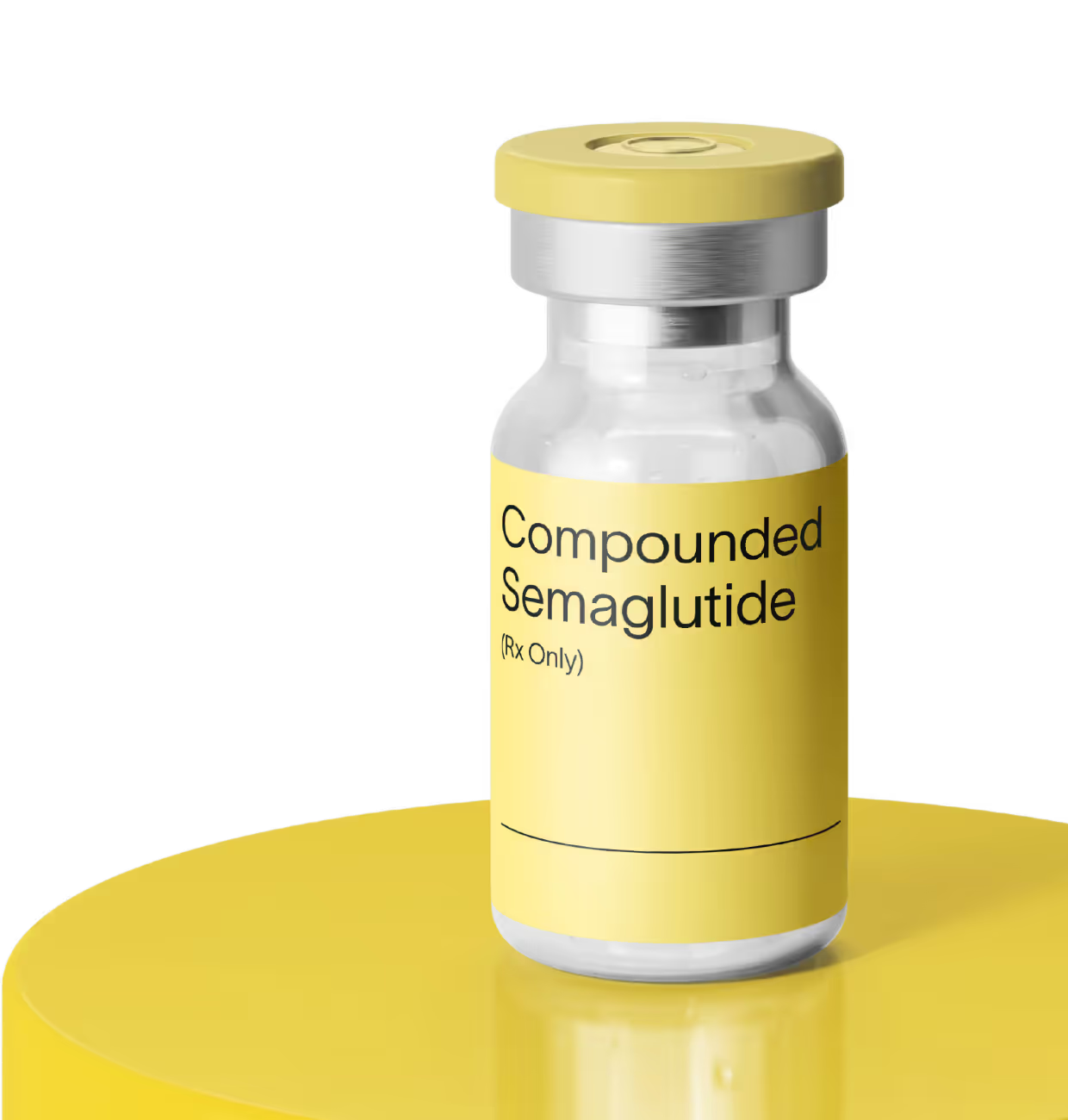
Premium Medication you can trust

Our weight loss medication is delivered straight to your doorstep from a state-licensed pharmacy within our reliable network, ensuring you receive your medication when you need it.

Each pharmacy in our network undergoes rigorous third-party testing through FDA and DEA certified labs. These tests focus on four key elements, ensuring both safety and efficacy for our treatments.

Curex is one of America’s largest telehealth providers

Together with our partners we have changed the lives of over 300,000 patients. Here’s what some of them have to say:

“Curex has performed beyond my expectations. I am feeling tremendously better and look forward to continuing the treatment.”
Becky D.
"If I could give 6 stars, I would. BEST... BEST… BEST… service.”
Ferdian K.
“The Curex staff has been professional, efficient, and really focused on my individual needs.”
Ana C.

Start your
journey now

Everything you need is included:

Online consultation

Your prescription

Premium medication

Overnight shipping

Ongoing support

A weight management program tailored to you

Initial Dosage

Your initial medication and dosage are carefully determined by doctors, taking into account your unique health profile. This ensures a personalized and safe treatment plan tailored to your specific needs.

Titration

We gradually adjust your dosage to reach the optimal therapeutic level, ensuring maximum effectiveness while minimizing potential side effects.

Additional Treatments

Our providers may also recommend medications such as metformin or supplements such as vitamin B12. We recognize the importance of managing side effects, so your care plan may include medication to alleviate them.

Got questions? We have answers.

How many calories should I eat daily on a low-calorie diet?


Low-Calorie Diet Insights


  • Individual Factors: Calorie needs depend on age, sex, weight, and activity level.
  • Typical Guidelines: For many women, a low-calorie diet may range from 1,200–1,500 calories/day; for many men, 1,500–1,800 calories/day.
  • Personalization is Key: Consulting a dietician ensures the target supports weight loss while meeting nutrient needs.


How long does it take to see weight loss on an LCD?


Understanding Weight Loss Timeline

 
  • Timeframe: Results on a low‐calorie diet often manifest within 2 to 4 weeks.
  • Rate: Expect gradual loss, typically around 1-2 lbs per week, though individual factors like metabolism, starting weight, and physical activity play a role.
  • Consistency: Adhering to your LCD with balanced nutrition and regular exercise is essential for sustainable results.


Optimal Low-Calorie Choices


  • Leafy Greens: Spinach, kale, and arugula offer high nutrients with few calories.
  • Cruciferous Vegetables: Broccoli, cauliflower, and cabbage are filling and rich in vitamins.
  • Fruits: Berries and grapefruits provide antioxidants and fiber while keeping calories low.
  • Lean Proteins: Chicken breast, fish, and legumes support muscle growth and satiety with limited calories.


What are the best low-calorie foods for a healthy diet?

Leafy Greens


Spinach, kale, and lettuce are nutrient-dense and low in calories, making them ideal for filling salads and smoothies.

Do your plans include prescriptions and medications?

Curex plans cover everything from reviewing your medical intake to providing prescription medications, with free shipping included. There are no extra or hidden charges. Prescriptions are issued only after a medical provider reviews your information to confirm that the medication is suitable for you. Our service includes continuous support and regular follow-ups to ensure your treatment stays on track.

Our clinicians may order labs and additional medications for you, which would not be covered by the plan but for which you can use your insurance.

Please note: Compounded medications are tailored to individual needs or used in case of shortages, but they are not FDA-approved for safety or effectiveness. A prescription is required. Results may vary from person to person.

What medications do your providers prescribe?

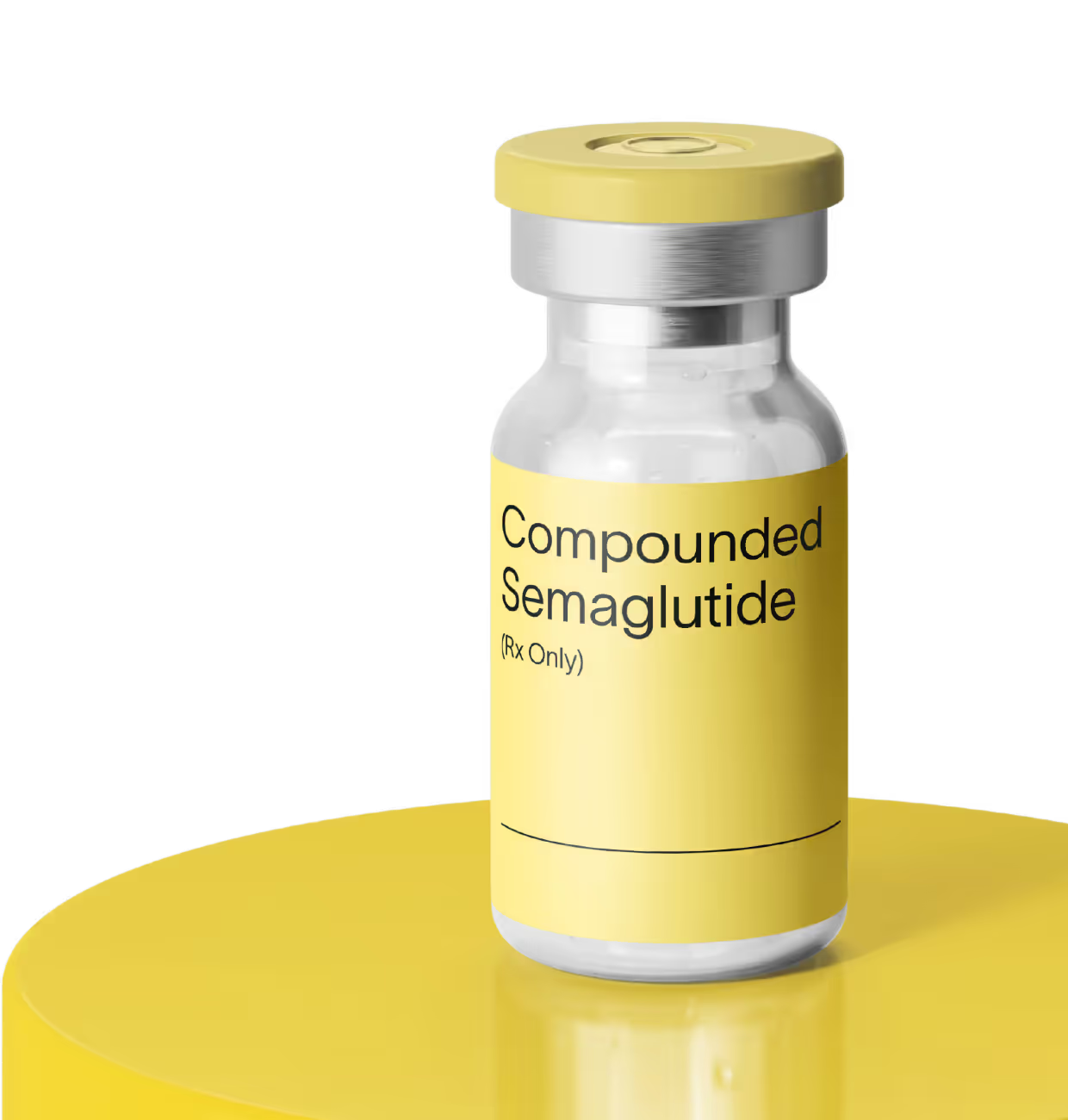
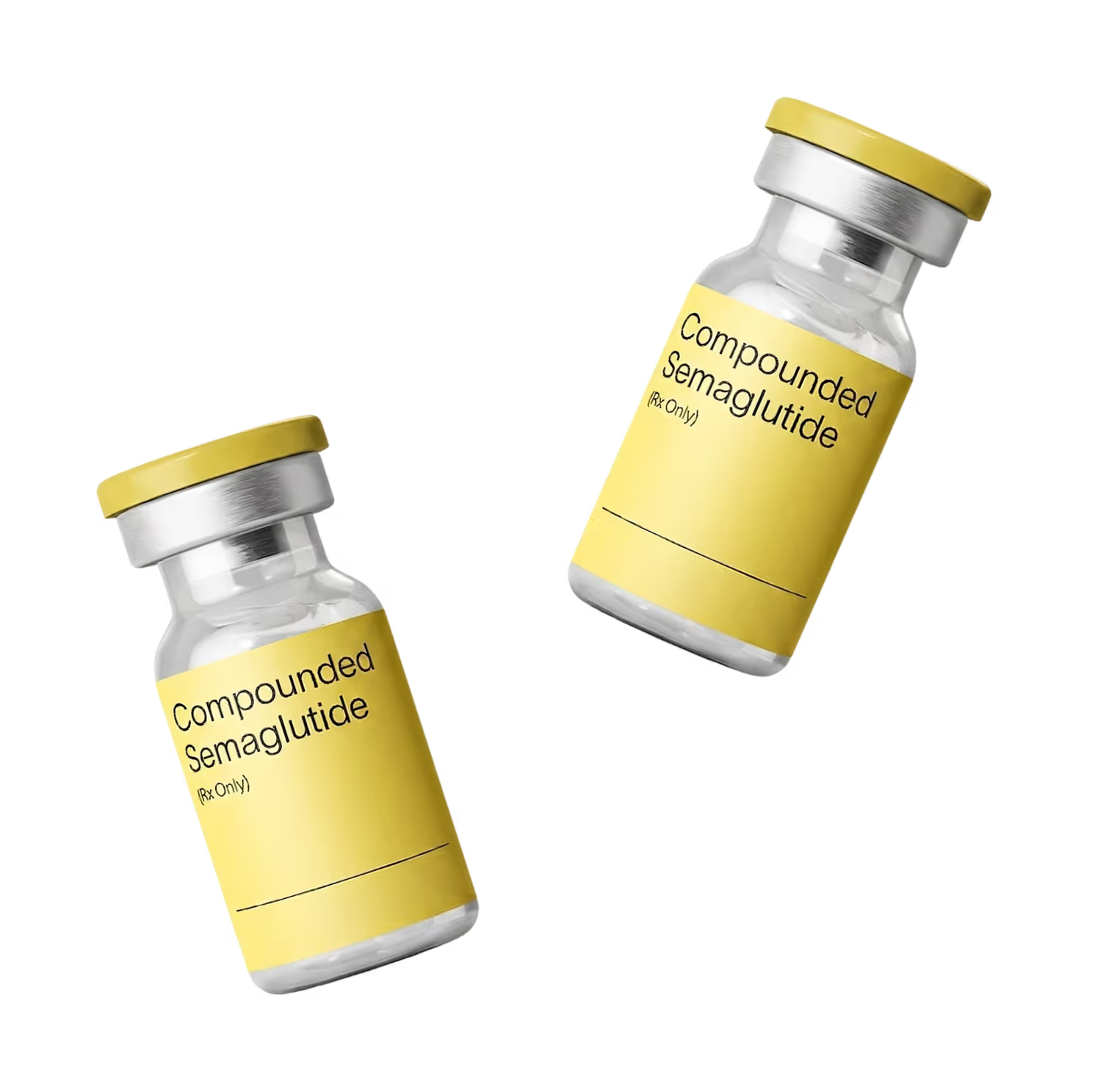
We prioritize a personalized approach to your health. If your medical provider prescribes medication, options may include GLP-1 treatments such as compounded semaglutide. Our providers prescribe only combination treatments not available at your local pharmacy that may include vitamin B12, etc. to help you achieve your goals faster.

Depending on your treatment goals, other medications such as metformin may also be considered. We recognize the importance of managing side effects, so your care plan might include medication to ease symptoms like nausea. Your well-being is always our top priority!

Please note that compounded medications are customized to meet individual patient needs and are not FDA-approved for safety or effectiveness. A prescription is necessary. Results may vary from person to person.

Curex and its pharmacy partners do not have any association with Novo Nordisk.

Will I be prescribed semaglutide?

Your health journey is unique, and we tailor our care to match. Any prescriptions, including semaglutide, will be based on the expert assessment of the medical provider matched with you through our platform. You can trust that your treatment plan will be personalized to fit your specific needs. And if semaglutide is not prescribed, we will provide a full refund.

What is compounded medication?

Compounding involves creating customized medications to meet the specific needs of individual patients. For instance, a patient may require a liquid version of a medication that is only available in tablet form. Pharmacies can also compound medications using FDA-approved drugs that are on the FDA’s shortage list.

These compounded medications are made by state-licensed pharmacies that follow both federal and state regulations, including quality standards. However, when compounded in accordance with these laws, these medications are not subject to FDA approval and are not evaluated for safety or effectiveness.

Is compounded medication the same as generic medication?

Compounded medications differ from generic drugs. Generics require FDA approval by demonstrating bio-equivalence to the brand-name drug. In contrast, compounded medications are not FDA-approved. They are made based on a personalized prescription that may not be commercially available elsewhere or when a drug appears on the FDA’s shortage list. Compounding pharmacies must have the proper licensed facilities and comply with state and federal regulations before dispensing these medications.

Is insurance required?

No, Curex doesn’t require insurance. We offer clear and simple pricing, along with affordable medication options, making it easy and accessible to take care of your health.

Can I pay with an FSA or HSA card?

Yes! You can pay with your HSA or FSA card.

No items found.
Can you prescribe Ozempic®* or Wegovy®*?

Our providers focus on personalized medications and dosages that aren’t commercially available at your local pharmacy. We don’t prescribe Ozempic®* or Wegovy®.* We may prescribe treatments containing compounded semaglutide or tirzepatide. These medications are specially compounded for you by a licensed pharmacy to meet your specific needs.

Are video visits with a provider required?

Our providers will review your information 100% online. Depending on where you live and the specifics of your medical history, our providers may require you to have a video visit or asynchronous visit via text message. If prescribed, you’ll get unlimited online access to message your provider as needed for follow-ups, adjustments, and answers to your questions.

What states do you serve?

Currently, we do not serve Arkansas, Connecticut, and New Mexico. However, we are always working to expand our reach, so stay in touch with us at hi@getcurex.com.

How many calories should I eat daily on a low-calorie diet?

Day 1: Kickstart


Breakfast: 1 cup oatmeal with mixed berries and unsweetened almond milk.

Morning Snack: 1 apple.

Lunch: Grilled chicken salad with mixed greens, tomatoes, cucumbers, and a light balsamic dressing.

Afternoon Snack: Carrot sticks with 2 tablespoons of hummus.

Dinner: Steamed tilapia with broccoli and ½ cup quinoa.

How long does it take to see weight loss on an LCD?

Day 2: Protein Boost


Breakfast: 1 cup low-fat Greek yogurt mixed with fresh fruits and 1 teaspoon chia seeds.

Morning Snack: A small handful (about 10) of almonds.

Lunch: Lentil soup with a side of mixed salad (lettuce, cucumber, and tomato with lemon dressing).

Afternoon Snack: Sliced cucumber with a squeeze of lemon.

Dinner: Stir-fried tofu with mixed bell peppers, spinach, and a drizzle of low-sodium soy sauce served with a small portion of brown rice.

What are the best low-calorie foods for a healthy diet?

Day 3: Veggie Infusion


Breakfast: Green smoothie with spinach, banana, unsweetened almond milk, and a scoop of protein powder.

Morning Snack: 1 boiled egg.

Lunch: Turkey wrap using a whole wheat tortilla with avocado, lettuce, and tomato.

Afternoon Snack: Celery sticks with 1 tablespoon natural peanut butter.

Dinner: Baked salmon with steamed asparagus and ½ cup brown rice.

Day 4: Balanced Energy


Breakfast: 2 slices whole grain toast with scrambled egg whites and mixed veggies (spinach, tomatoes, mushrooms).

Morning Snack: 1 orange or grapefruit.

Lunch: Quinoa salad with black beans, corn, diced tomatoes, and chopped cilantro dressed with lime juice.

Afternoon Snack: ½ cup low-fat cottage cheese with pineapple chunks.

Dinner: Vegetable soup with barley and a side small green salad with a drizzle of olive oil and vinegar.