Nordic Diet Guide: Rules, Benefits & Foods to Eat

Discover the Nordic Diet: rules, benefits, risks & top foods to eat. Your guide to a balanced, healthy lifestyle.
#1 Online
Allergy Clinic
 curex user showing allergy treatment kita patient showing allergy treatment boxa male patient showing allergy drops vial
50,000+
users

gr.

Carbohydrates

gr.

Sugar

gr.

Fats

gr.

Proteins

Calories


Overview of the Nordic Diet


The Nordic Diet is a way of eating inspired by the traditional foods and culinary practices of the Nordic countries—Denmark, Sweden, Norway, Finland, and Iceland. It embraces a pattern of meal preparation and ingredient selection that prioritizes foods naturally available in these regions.


Core Characteristics

 
  • Local and Seasonal Ingredients: Central to the diet is the emphasis on fruits, vegetables, and berries that are native to the Nordic landscape and available according to the season.
  • Whole Grains: Staples include grains such as rye, oats, and barley that are consumed in their whole form.
  • Seafood and Fish: Given the proximity to abundant waters, fish and other seafood play a significant role.
  • Dairy Products: The diet traditionally features cultured dairy products, often produced by fermentation.
  • Traditional Preparation Methods: Techniques like pickling, fermenting, and slow cooking are common, reflecting a heritage of preserving and enhancing natural flavors.
  • Sustainability Focus: The selection of ingredients is influenced by local production and environmental considerations, promoting practices that respect natural resources.


Philosophical and Cultural Context


This dietary pattern is not just about the food itself but also a reflection of lifestyle. It mirrors a respect for nature, simplicity, and the environment, emphasizing the importance of eating in harmony with seasonal cycles and regional traditions. The approach is rooted in generations of culinary wisdom and a balanced perspective on food, emphasizing natural flavors and minimally processed ingredients.


Stay on track—experience the next level of support with weight loss medication

Learn More

Nordic Diet Risks

Sustainable and Environmentally Friendly


By focusing on locally sourced, seasonal produce and traditional food practices, the Nordic Diet promotes sustainability. This environmentally conscious approach helps reduce the carbon footprint and supports local economies.

woman laying on a field of grass smiling

Nordic Diet Benefits

Heart Health and Reduced Inflammation


The Nordic Diet emphasizes fatty fish, whole grains, and a variety of fruits and vegetables, which are rich in omega-3 fatty acids and antioxidants. This combination is known to support cardiovascular health and reduce inflammation.

Boost Your Progress with our Weight Loss Medication for Better Fat Loss

Learn More

What to Eat on Nordic Diet

Traditional Nordic Diet


This diet is based on centuries-old eating patterns in the Nordic region, emphasizing seasonal, locally sourced ingredients such as whole grains, fatty fish, root vegetables, and berries. It values simplicity in preparation and natural flavors.

Modern Nordic Diet


An updated version of the traditional approach, the Modern Nordic Diet incorporates contemporary nutritional research and culinary techniques while still relying on Nordic staples like rye, oats, and fish. It balances traditional elements with modern, innovative recipes for diverse palates.

Green Nordic Diet


This approach focuses on a higher intake of plant-based foods, promoting locally grown organic vegetables, whole grains, and legumes, alongside a reduced emphasis on animal products. It prioritizes environmental sustainability while retaining Nordic nutritional principles.

Sustainable Nordic Diet


Centered on the concept of sustainability, this diet emphasizes minimally processed foods, locally sourced ingredients, and seasonal produce. It encourages practices that support environmental health, reduce waste, and maintain biodiversity, all while preserving traditional Nordic food culture.

Your health matters. Lose weight safely and efffectively with Curex

gr.

Carbohydrates

gr.

Sugar

gr.

Fats

gr.

Proteins

Calories


Overview of the Nordic Diet


The Nordic Diet is a way of eating inspired by the traditional foods and culinary practices of the Nordic countries—Denmark, Sweden, Norway, Finland, and Iceland. It embraces a pattern of meal preparation and ingredient selection that prioritizes foods naturally available in these regions.


Core Characteristics

 
  • Local and Seasonal Ingredients: Central to the diet is the emphasis on fruits, vegetables, and berries that are native to the Nordic landscape and available according to the season.
  • Whole Grains: Staples include grains such as rye, oats, and barley that are consumed in their whole form.
  • Seafood and Fish: Given the proximity to abundant waters, fish and other seafood play a significant role.
  • Dairy Products: The diet traditionally features cultured dairy products, often produced by fermentation.
  • Traditional Preparation Methods: Techniques like pickling, fermenting, and slow cooking are common, reflecting a heritage of preserving and enhancing natural flavors.
  • Sustainability Focus: The selection of ingredients is influenced by local production and environmental considerations, promoting practices that respect natural resources.


Philosophical and Cultural Context


This dietary pattern is not just about the food itself but also a reflection of lifestyle. It mirrors a respect for nature, simplicity, and the environment, emphasizing the importance of eating in harmony with seasonal cycles and regional traditions. The approach is rooted in generations of culinary wisdom and a balanced perspective on food, emphasizing natural flavors and minimally processed ingredients.


Combine supplements for faster results—try our meds

Learn More

Nordic Diet Risks

Day 4: Thursday

woman laying on a field of grass smiling

7-Day Nordic Diet Plan

Limited Accessibility


The Nordic Diet emphasizes locally sourced, seasonal ingredients that may not be readily available in non-Nordic regions, potentially making it challenging for individuals to adhere to the diet consistently.

Jumpstart your journey with our medications

Learn More

Common Nordic Diet Mistakes

Types of Nordic Diet

Higher Cost in Non-Nordic Regions


Due to the emphasis on high-quality, local produce and specialty ingredients, the diet can become more expensive outside its native regions, potentially limiting its practicality for some individuals.

What to Avoid on Nordic Diet

Nutrient Imbalance Risk


If not planned carefully, the Nordic Diet might lead to an imbalance of certain nutrients since it restricts some widely available food groups, making it crucial to monitor and adjust food selections to meet all nutritional needs.

What Is Nordic Diet?

Day 3: Wednesday

Combine supplements for faster results—try our meds

Learn More

Nordic Diet Benefits


Core Principles of the Nordic Diet


  • Emphasis on Local and Seasonal Ingredients: The Nordic Diet prioritizes foods grown and produced in the Nordic region. This means consuming ingredients that are fresh, seasonal, and sustainable, which naturally align with regional weather and farming cycles.
  • Focus on Whole Foods: The diet emphasizes minimally processed whole foods such as vegetables, fruits, whole grains, nuts, and legumes. This approach supports nutrient density and fiber intake.
  • Balanced Intake of Fats: It encourages using healthy fats from sources like fatty fish (e.g., salmon, herring), rapeseed (canola) oil, and nuts, rather than relying on saturated fats.


Key Food Groups and Their Roles


  • Whole Grains: Foods like barley, rye, and oats are staples. They are essential for providing long-lasting energy and digestive health support.
  • Fruits and Vegetables: Berries, root vegetables, and leafy greens are rich in antioxidants, vitamins, and minerals. They naturally promote a strong immune system and overall well-being.
  • Fish and Seafood: As a rich source of omega-3 fatty acids, fish that are common in Nordic waters contribute significantly to cardiovascular health and brain function.


Environmental and Lifestyle Considerations


  • Sustainability: The Nordic Diet supports practices that reduce environmental impact by encouraging locally sourced and organic foods, reducing the carbon footprint while supporting local economies.
  • Mindful Eating: It promotes the enjoyment of meals and the appreciation of food quality. Eating slowly and mindfully can aid in proper digestion and satisfaction.
  • Active Living: The diet is often complemented by a lifestyle that includes regular physical activity. This holistic approach supports overall health beyond just dietary choices.


Cooking and Preparation Methods


  • Traditional Techniques: Many recipes in the Nordic Diet incorporate methods like pickling, smoking, and slow-cooking, which emphasize the natural flavors of ingredients while preserving their nutritional value.
  • Moderation in Added Sugars and Salt: The Nordic approach encourages minimal use of refined sugars and salt, focusing on herbs and spices to enhance flavor naturally.
  • Innovative Adaptations: While rooted in tradition, the Nordic Diet is flexible and open to modern culinary techniques that maintain the nutritional integrity of foods.


Boost Your Progress with our Weight Loss Medication for Better Fat Loss

Learn More

Heart Health and Reduced Inflammation


The Nordic Diet emphasizes fatty fish, whole grains, and a variety of fruits and vegetables, which are rich in omega-3 fatty acids and antioxidants. This combination is known to support cardiovascular health and reduce inflammation.

Sustainable and Environmentally Friendly


By focusing on locally sourced, seasonal produce and traditional food practices, the Nordic Diet promotes sustainability. This environmentally conscious approach helps reduce the carbon footprint and supports local economies.

Balanced Nutrition and Weight Management


With an emphasis on whole, minimally processed foods, the Nordic Diet provides a balanced intake of essential nutrients. Its high fiber and protein content aid in satiety, promoting effective weight management and overall healthy metabolism.

Supercharge weight loss: pair whey with our meds

What to Eat on Nordic Diet

Traditional Nordic Diet


This diet is based on centuries-old eating patterns in the Nordic region, emphasizing seasonal, locally sourced ingredients such as whole grains, fatty fish, root vegetables, and berries. It values simplicity in preparation and natural flavors.

Modern Nordic Diet


An updated version of the traditional approach, the Modern Nordic Diet incorporates contemporary nutritional research and culinary techniques while still relying on Nordic staples like rye, oats, and fish. It balances traditional elements with modern, innovative recipes for diverse palates.

Green Nordic Diet


This approach focuses on a higher intake of plant-based foods, promoting locally grown organic vegetables, whole grains, and legumes, alongside a reduced emphasis on animal products. It prioritizes environmental sustainability while retaining Nordic nutritional principles.

Sustainable Nordic Diet


Centered on the concept of sustainability, this diet emphasizes minimally processed foods, locally sourced ingredients, and seasonal produce. It encourages practices that support environmental health, reduce waste, and maintain biodiversity, all while preserving traditional Nordic food culture.

Your health matters. Lose weight safely and effectively with Curex

Nordic Diet Basic Rules

Breakfast: Low-fat skyr mixed with oats and fresh raspberries.
Snack: An apple and a handful of sunflower seeds.
Lunch: Open-faced rye bread sandwich topped with scrambled eggs, smoked mackerel, and a sprinkle of chives.
Snack: Cucumber slices paired with a light tzatziki dip.
Dinner: Stewed lean beef with Nordic root vegetables (turnips and carrots) and side servings of whole-grain barley.

Stay safe—shed pounds with our proven medications

Learn More

What are the benefits of the Nordic diet?

Day 1: Monday

What foods are included in the Nordic diet?

Breakfast: Oatmeal made with water or low-fat milk, topped with sliced apples, a sprinkle of cinnamon, and a handful of walnuts.
Snack: A small bowl of mixed berries (blueberries, lingonberries).
Lunch: Whole-grain rye bread sandwich with lean smoked salmon, fresh cucumber, lettuce, and a dollop of low-fat Greek yogurt.
Snack: Carrot sticks with a light hummus dip.
Dinner: Steamed cod with a side of boiled root vegetables (carrots, parsnips) and a small mixed greens salad dressed with a lemon vinaigrette.

How do I start a Nordic diet?

Day 2: Tuesday

Breakfast: Rye crispbread topped with avocado, tomato slices, and a poached egg.
Snack: A pear and a few almonds.
Lunch: Barley soup with assorted vegetables (leek, celery, carrots) and a touch of dill.
Snack: A small bowl of low-fat skyr with a drizzle of honey.
Dinner: Grilled chicken breast with a side of steamed broccoli and mashed rutabaga seasoned with a hint of mustard.

Still have questions? Our weight-loss meds have answers

Traditional Nordic Diet


This diet is based on centuries-old eating patterns in the Nordic region, emphasizing seasonal, locally sourced ingredients such as whole grains, fatty fish, root vegetables, and berries. It values simplicity in preparation and natural flavors.

Modern Nordic Diet


An updated version of the traditional approach, the Modern Nordic Diet incorporates contemporary nutritional research and culinary techniques while still relying on Nordic staples like rye, oats, and fish. It balances traditional elements with modern, innovative recipes for diverse palates.

Green Nordic Diet


This approach focuses on a higher intake of plant-based foods, promoting locally grown organic vegetables, whole grains, and legumes, alongside a reduced emphasis on animal products. It prioritizes environmental sustainability while retaining Nordic nutritional principles.

Sustainable Nordic Diet


Centered on the concept of sustainability, this diet emphasizes minimally processed foods, locally sourced ingredients, and seasonal produce. It encourages practices that support environmental health, reduce waste, and maintain biodiversity, all while preserving traditional Nordic food culture.

Boost Any Diet with our Weight Loss Medication for Better Fat Loss

Learn More

Nordic Diet Benefits

Heart Health and Reduced Inflammation


The Nordic Diet emphasizes fatty fish, whole grains, and a variety of fruits and vegetables, which are rich in omega-3 fatty acids and antioxidants. This combination is known to support cardiovascular health and reduce inflammation.

Sustainable and Environmentally Friendly


By focusing on locally sourced, seasonal produce and traditional food practices, the Nordic Diet promotes sustainability. This environmentally conscious approach helps reduce the carbon footprint and supports local economies.

Balanced Nutrition and Weight Management


With an emphasis on whole, minimally processed foods, the Nordic Diet provides a balanced intake of essential nutrients. Its high fiber and protein content aid in satiety, promoting effective weight management and overall healthy metabolism.

Limited Accessibility


The Nordic Diet emphasizes locally sourced, seasonal ingredients that may not be readily available in non-Nordic regions, potentially making it challenging for individuals to adhere to the diet consistently.

Higher Cost in Non-Nordic Regions


Due to the emphasis on high-quality, local produce and specialty ingredients, the diet can become more expensive outside its native regions, potentially limiting its practicality for some individuals.

Nutrient Imbalance Risk


If not planned carefully, the Nordic Diet might lead to an imbalance of certain nutrients since it restricts some widely available food groups, making it crucial to monitor and adjust food selections to meet all nutritional needs.

Want Results That Last? Add our Weight-Loss Medication

woman laying on a field of grass smiling

What to Eat on Nordic Diet


Foods to Avoid

 
  • Highly Processed Foods: These include fast foods, packaged snacks, and ready meals that are often high in trans fats, sugars, sodium, and artificial additives. They can contribute to inflammation and chronic health issues.
  • Refined Sugars and Carbohydrates: Foods such as sugary drinks, candies, pastries, and white bread can lead to rapid blood sugar spikes, which may contribute to insulin resistance and weight gain.
  • Unhealthy Fats: Limit intake of processed oils and fatty cuts of meat that are high in saturated and trans fats, as they can negatively affect heart health.
  • Excessive Salt: High salt consumption is linked to high blood pressure and cardiovascular problems. Aim to minimize salt by reducing processed food consumption.
  • Artificial Additives: Avoid foods with a long list of chemical additives, preservatives, and artificial colors, as they may disrupt your body’s natural processes and gut health.
 

Habits and Lifestyle Patterns to Avoid

 
  • Sedentary Lifestyle: Avoid long periods of inactivity. Regular physical movement helps enhance metabolism, improve cardiovascular health, and reduce the risk of chronic diseases.
  • Skipping Meals: Inconsistent eating patterns or skipping meals can disrupt blood sugar levels and lead to overeating later. Aim for balanced meals throughout the day.
  • Poor Sleep Habits: Not getting enough quality sleep can negatively affect hormone balance, appetite regulation, and overall energy levels. Prioritize a consistent and restful sleep schedule.
  • Excessive Alcohol Consumption: High alcohol intake is not only calorie-dense but can also impair nutrient absorption, dehydrate the body, and contribute to liver damage.
  • Chronic Stress: Persistent stress can lead to unhealthy eating patterns and affect your digestion and nutrient absorption. Incorporating stress management techniques like meditation, physical activity, or hobbies is vital.
 

Additional Considerations

 
  • Mindful Eating: Pay attention to your body’s hunger and fullness signals to avoid overeating. Mindful eating helps reduce the risk of consuming excess calories and promotes better digestion.
  • Hydration: Avoid sugary drinks and opt for water as your primary beverage. Adequate hydration is essential for metabolism, digestion, and overall cellular function.
  • Environmental Factors: Avoid environments or habits that encourage unhealthy food choices, such as constant exposure to fast food advertisements or excessive snacking while watching TV or working.
 

Simple Changes, Stunning Results—Combine Your Diet with Our Weight Loss Medication

Learn More

Nordic Diet Risks

Day 1: Monday

Breakfast: Oatmeal made with water or low-fat milk, topped with sliced apples, a sprinkle of cinnamon, and a handful of walnuts.
Snack: A small bowl of mixed berries (blueberries, lingonberries).
Lunch: Whole-grain rye bread sandwich with lean smoked salmon, fresh cucumber, lettuce, and a dollop of low-fat Greek yogurt.
Snack: Carrot sticks with a light hummus dip.
Dinner: Steamed cod with a side of boiled root vegetables (carrots, parsnips) and a small mixed greens salad dressed with a lemon vinaigrette.

Day 2: Tuesday

Breakfast: Rye crispbread topped with avocado, tomato slices, and a poached egg.
Snack: A pear and a few almonds.
Lunch: Barley soup with assorted vegetables (leek, celery, carrots) and a touch of dill.
Snack: A small bowl of low-fat skyr with a drizzle of honey.
Dinner: Grilled chicken breast with a side of steamed broccoli and mashed rutabaga seasoned with a hint of mustard.

Day 3: Wednesday

Breakfast: Low-fat skyr mixed with oats and fresh raspberries.
Snack: An apple and a handful of sunflower seeds.
Lunch: Open-faced rye bread sandwich topped with scrambled eggs, smoked mackerel, and a sprinkle of chives.
Snack: Cucumber slices paired with a light tzatziki dip.
Dinner: Stewed lean beef with Nordic root vegetables (turnips and carrots) and side servings of whole-grain barley.

Day 4: Thursday

Achieve your maximum potential: combine this plan with our weight loss medication

woman laying on a field of grass smiling

Nordic Diet Guide: Rules, Benefits & Foods to Eat


Overview of the Nordic Diet


The Nordic Diet is a way of eating inspired by the traditional foods and culinary practices of the Nordic countries—Denmark, Sweden, Norway, Finland, and Iceland. It embraces a pattern of meal preparation and ingredient selection that prioritizes foods naturally available in these regions.


Core Characteristics

 
  • Local and Seasonal Ingredients: Central to the diet is the emphasis on fruits, vegetables, and berries that are native to the Nordic landscape and available according to the season.
  • Whole Grains: Staples include grains such as rye, oats, and barley that are consumed in their whole form.
  • Seafood and Fish: Given the proximity to abundant waters, fish and other seafood play a significant role.
  • Dairy Products: The diet traditionally features cultured dairy products, often produced by fermentation.
  • Traditional Preparation Methods: Techniques like pickling, fermenting, and slow cooking are common, reflecting a heritage of preserving and enhancing natural flavors.
  • Sustainability Focus: The selection of ingredients is influenced by local production and environmental considerations, promoting practices that respect natural resources.


Philosophical and Cultural Context


This dietary pattern is not just about the food itself but also a reflection of lifestyle. It mirrors a respect for nature, simplicity, and the environment, emphasizing the importance of eating in harmony with seasonal cycles and regional traditions. The approach is rooted in generations of culinary wisdom and a balanced perspective on food, emphasizing natural flavors and minimally processed ingredients.


Traditional Nordic Diet


This diet is based on centuries-old eating patterns in the Nordic region, emphasizing seasonal, locally sourced ingredients such as whole grains, fatty fish, root vegetables, and berries. It values simplicity in preparation and natural flavors.

Modern Nordic Diet


An updated version of the traditional approach, the Modern Nordic Diet incorporates contemporary nutritional research and culinary techniques while still relying on Nordic staples like rye, oats, and fish. It balances traditional elements with modern, innovative recipes for diverse palates.

Green Nordic Diet


This approach focuses on a higher intake of plant-based foods, promoting locally grown organic vegetables, whole grains, and legumes, alongside a reduced emphasis on animal products. It prioritizes environmental sustainability while retaining Nordic nutritional principles.

Sustainable Nordic Diet


Centered on the concept of sustainability, this diet emphasizes minimally processed foods, locally sourced ingredients, and seasonal produce. It encourages practices that support environmental health, reduce waste, and maintain biodiversity, all while preserving traditional Nordic food culture.


Benefits of the Nordic Diet


  • Nutrient Rich: Emphasizes whole grains, seafood, berries, and vegetables that provide essential vitamins, minerals, and omega-3 fatty acids.
  • Heart Health: Reduces inflammation and improves circulation with high fiber and healthy fats.
  • Weight Management: Fiber-rich foods help maintain satiety and support a balanced metabolism.
  • Sustainability: Focus on local, seasonal foods reduces environmental impact.


Foods in the Nordic Diet

 
  • Whole Grains: Rye, barley, and oats form the staple base.
  • Fatty Fish: Salmon, herring, and mackerel provide essential omega-3 fats.
  • Local Produce: Fresh, seasonal vegetables and wild berries add key vitamins and antioxidants.
  • Lean Meats & Legumes: Poultry, beans, and lentils offer quality protein.
  • Dairy: Primarily fermented milk products support gut health.
 

Studies show low Vitamin C can make your body burn 30% less fat during exercise​
Don’t let a deficiency hold back your weight loss – see how our medication can help accelerate your results

Nordic Diet Benefits


Overview of the Nordic Diet


The Nordic Diet is a way of eating inspired by the traditional foods and culinary practices of the Nordic countries—Denmark, Sweden, Norway, Finland, and Iceland. It embraces a pattern of meal preparation and ingredient selection that prioritizes foods naturally available in these regions.


Core Characteristics

 
  • Local and Seasonal Ingredients: Central to the diet is the emphasis on fruits, vegetables, and berries that are native to the Nordic landscape and available according to the season.
  • Whole Grains: Staples include grains such as rye, oats, and barley that are consumed in their whole form.
  • Seafood and Fish: Given the proximity to abundant waters, fish and other seafood play a significant role.
  • Dairy Products: The diet traditionally features cultured dairy products, often produced by fermentation.
  • Traditional Preparation Methods: Techniques like pickling, fermenting, and slow cooking are common, reflecting a heritage of preserving and enhancing natural flavors.
  • Sustainability Focus: The selection of ingredients is influenced by local production and environmental considerations, promoting practices that respect natural resources.


Philosophical and Cultural Context


This dietary pattern is not just about the food itself but also a reflection of lifestyle. It mirrors a respect for nature, simplicity, and the environment, emphasizing the importance of eating in harmony with seasonal cycles and regional traditions. The approach is rooted in generations of culinary wisdom and a balanced perspective on food, emphasizing natural flavors and minimally processed ingredients.


Our weight loss medication is designed to tackle slow fat burning so you can shed those extra inches – get started now.

Learn More

Nordic Diet Risks

Heart Health and Reduced Inflammation


The Nordic Diet emphasizes fatty fish, whole grains, and a variety of fruits and vegetables, which are rich in omega-3 fatty acids and antioxidants. This combination is known to support cardiovascular health and reduce inflammation.

Sustainable and Environmentally Friendly


By focusing on locally sourced, seasonal produce and traditional food practices, the Nordic Diet promotes sustainability. This environmentally conscious approach helps reduce the carbon footprint and supports local economies.

Balanced Nutrition and Weight Management


With an emphasis on whole, minimally processed foods, the Nordic Diet provides a balanced intake of essential nutrients. Its high fiber and protein content aid in satiety, promoting effective weight management and overall healthy metabolism.

Limited Accessibility


The Nordic Diet emphasizes locally sourced, seasonal ingredients that may not be readily available in non-Nordic regions, potentially making it challenging for individuals to adhere to the diet consistently.

Higher Cost in Non-Nordic Regions


Due to the emphasis on high-quality, local produce and specialty ingredients, the diet can become more expensive outside its native regions, potentially limiting its practicality for some individuals.

Nutrient Imbalance Risk


If not planned carefully, the Nordic Diet might lead to an imbalance of certain nutrients since it restricts some widely available food groups, making it crucial to monitor and adjust food selections to meet all nutritional needs.

Not getting enough fruits and veggies?
A nutrient-poor diet can leave you low in Vitamins and struggling with weight.
Our weight loss medication helps boost your metabolism even when nutritional gaps hold you back.

Curex oral dissolving tablets (ODT)


Core Principles of the Nordic Diet


  • Emphasis on Local and Seasonal Ingredients: The Nordic Diet prioritizes foods grown and produced in the Nordic region. This means consuming ingredients that are fresh, seasonal, and sustainable, which naturally align with regional weather and farming cycles.
  • Focus on Whole Foods: The diet emphasizes minimally processed whole foods such as vegetables, fruits, whole grains, nuts, and legumes. This approach supports nutrient density and fiber intake.
  • Balanced Intake of Fats: It encourages using healthy fats from sources like fatty fish (e.g., salmon, herring), rapeseed (canola) oil, and nuts, rather than relying on saturated fats.


Key Food Groups and Their Roles


  • Whole Grains: Foods like barley, rye, and oats are staples. They are essential for providing long-lasting energy and digestive health support.
  • Fruits and Vegetables: Berries, root vegetables, and leafy greens are rich in antioxidants, vitamins, and minerals. They naturally promote a strong immune system and overall well-being.
  • Fish and Seafood: As a rich source of omega-3 fatty acids, fish that are common in Nordic waters contribute significantly to cardiovascular health and brain function.


Environmental and Lifestyle Considerations


  • Sustainability: The Nordic Diet supports practices that reduce environmental impact by encouraging locally sourced and organic foods, reducing the carbon footprint while supporting local economies.
  • Mindful Eating: It promotes the enjoyment of meals and the appreciation of food quality. Eating slowly and mindfully can aid in proper digestion and satisfaction.
  • Active Living: The diet is often complemented by a lifestyle that includes regular physical activity. This holistic approach supports overall health beyond just dietary choices.


Cooking and Preparation Methods


  • Traditional Techniques: Many recipes in the Nordic Diet incorporate methods like pickling, smoking, and slow-cooking, which emphasize the natural flavors of ingredients while preserving their nutritional value.
  • Moderation in Added Sugars and Salt: The Nordic approach encourages minimal use of refined sugars and salt, focusing on herbs and spices to enhance flavor naturally.
  • Innovative Adaptations: While rooted in tradition, the Nordic Diet is flexible and open to modern culinary techniques that maintain the nutritional integrity of foods.


Combine supplements for faster results—try our meds

Learn More

What to Eat on Nordic Diet


Foods to Avoid

 
  • Highly Processed Foods: These include fast foods, packaged snacks, and ready meals that are often high in trans fats, sugars, sodium, and artificial additives. They can contribute to inflammation and chronic health issues.
  • Refined Sugars and Carbohydrates: Foods such as sugary drinks, candies, pastries, and white bread can lead to rapid blood sugar spikes, which may contribute to insulin resistance and weight gain.
  • Unhealthy Fats: Limit intake of processed oils and fatty cuts of meat that are high in saturated and trans fats, as they can negatively affect heart health.
  • Excessive Salt: High salt consumption is linked to high blood pressure and cardiovascular problems. Aim to minimize salt by reducing processed food consumption.
  • Artificial Additives: Avoid foods with a long list of chemical additives, preservatives, and artificial colors, as they may disrupt your body’s natural processes and gut health.
 

Habits and Lifestyle Patterns to Avoid

 
  • Sedentary Lifestyle: Avoid long periods of inactivity. Regular physical movement helps enhance metabolism, improve cardiovascular health, and reduce the risk of chronic diseases.
  • Skipping Meals: Inconsistent eating patterns or skipping meals can disrupt blood sugar levels and lead to overeating later. Aim for balanced meals throughout the day.
  • Poor Sleep Habits: Not getting enough quality sleep can negatively affect hormone balance, appetite regulation, and overall energy levels. Prioritize a consistent and restful sleep schedule.
  • Excessive Alcohol Consumption: High alcohol intake is not only calorie-dense but can also impair nutrient absorption, dehydrate the body, and contribute to liver damage.
  • Chronic Stress: Persistent stress can lead to unhealthy eating patterns and affect your digestion and nutrient absorption. Incorporating stress management techniques like meditation, physical activity, or hobbies is vital.
 

Additional Considerations

 
  • Mindful Eating: Pay attention to your body’s hunger and fullness signals to avoid overeating. Mindful eating helps reduce the risk of consuming excess calories and promotes better digestion.
  • Hydration: Avoid sugary drinks and opt for water as your primary beverage. Adequate hydration is essential for metabolism, digestion, and overall cellular function.
  • Environmental Factors: Avoid environments or habits that encourage unhealthy food choices, such as constant exposure to fast food advertisements or excessive snacking while watching TV or working.
 

What are the benefits of the Nordic diet?

Day 1: Monday

What foods are included in the Nordic diet?

Breakfast: Oatmeal made with water or low-fat milk, topped with sliced apples, a sprinkle of cinnamon, and a handful of walnuts.
Snack: A small bowl of mixed berries (blueberries, lingonberries).
Lunch: Whole-grain rye bread sandwich with lean smoked salmon, fresh cucumber, lettuce, and a dollop of low-fat Greek yogurt.
Snack: Carrot sticks with a light hummus dip.
Dinner: Steamed cod with a side of boiled root vegetables (carrots, parsnips) and a small mixed greens salad dressed with a lemon vinaigrette.

How do I start a Nordic diet?

Day 2: Tuesday

Still have questions?

We have answers. Book a consultation

Still have questions? Our weight-loss meds have answers

What Is Nordic Diet?


Overview of the Nordic Diet


The Nordic Diet is a way of eating inspired by the traditional foods and culinary practices of the Nordic countries—Denmark, Sweden, Norway, Finland, and Iceland. It embraces a pattern of meal preparation and ingredient selection that prioritizes foods naturally available in these regions.


Core Characteristics

 
  • Local and Seasonal Ingredients: Central to the diet is the emphasis on fruits, vegetables, and berries that are native to the Nordic landscape and available according to the season.
  • Whole Grains: Staples include grains such as rye, oats, and barley that are consumed in their whole form.
  • Seafood and Fish: Given the proximity to abundant waters, fish and other seafood play a significant role.
  • Dairy Products: The diet traditionally features cultured dairy products, often produced by fermentation.
  • Traditional Preparation Methods: Techniques like pickling, fermenting, and slow cooking are common, reflecting a heritage of preserving and enhancing natural flavors.
  • Sustainability Focus: The selection of ingredients is influenced by local production and environmental considerations, promoting practices that respect natural resources.


Philosophical and Cultural Context


This dietary pattern is not just about the food itself but also a reflection of lifestyle. It mirrors a respect for nature, simplicity, and the environment, emphasizing the importance of eating in harmony with seasonal cycles and regional traditions. The approach is rooted in generations of culinary wisdom and a balanced perspective on food, emphasizing natural flavors and minimally processed ingredients.


Our weight loss medication is designed to tackle slow fat burning so you can shed those extra inches – get started now.

Learn More

Nordic Diet Benefits

Heart Health and Reduced Inflammation


The Nordic Diet emphasizes fatty fish, whole grains, and a variety of fruits and vegetables, which are rich in omega-3 fatty acids and antioxidants. This combination is known to support cardiovascular health and reduce inflammation.

Sustainable and Environmentally Friendly


By focusing on locally sourced, seasonal produce and traditional food practices, the Nordic Diet promotes sustainability. This environmentally conscious approach helps reduce the carbon footprint and supports local economies.

Balanced Nutrition and Weight Management


With an emphasis on whole, minimally processed foods, the Nordic Diet provides a balanced intake of essential nutrients. Its high fiber and protein content aid in satiety, promoting effective weight management and overall healthy metabolism.

Nordic Diet Risks

Limited Accessibility


The Nordic Diet emphasizes locally sourced, seasonal ingredients that may not be readily available in non-Nordic regions, potentially making it challenging for individuals to adhere to the diet consistently.

Higher Cost in Non-Nordic Regions


Due to the emphasis on high-quality, local produce and specialty ingredients, the diet can become more expensive outside its native regions, potentially limiting its practicality for some individuals.

Nutrient Imbalance Risk


If not planned carefully, the Nordic Diet might lead to an imbalance of certain nutrients since it restricts some widely available food groups, making it crucial to monitor and adjust food selections to meet all nutritional needs.

Nordic Diet Basic Rules


Core Principles of the Nordic Diet


  • Emphasis on Local and Seasonal Ingredients: The Nordic Diet prioritizes foods grown and produced in the Nordic region. This means consuming ingredients that are fresh, seasonal, and sustainable, which naturally align with regional weather and farming cycles.
  • Focus on Whole Foods: The diet emphasizes minimally processed whole foods such as vegetables, fruits, whole grains, nuts, and legumes. This approach supports nutrient density and fiber intake.
  • Balanced Intake of Fats: It encourages using healthy fats from sources like fatty fish (e.g., salmon, herring), rapeseed (canola) oil, and nuts, rather than relying on saturated fats.


Key Food Groups and Their Roles


  • Whole Grains: Foods like barley, rye, and oats are staples. They are essential for providing long-lasting energy and digestive health support.
  • Fruits and Vegetables: Berries, root vegetables, and leafy greens are rich in antioxidants, vitamins, and minerals. They naturally promote a strong immune system and overall well-being.
  • Fish and Seafood: As a rich source of omega-3 fatty acids, fish that are common in Nordic waters contribute significantly to cardiovascular health and brain function.


Environmental and Lifestyle Considerations


  • Sustainability: The Nordic Diet supports practices that reduce environmental impact by encouraging locally sourced and organic foods, reducing the carbon footprint while supporting local economies.
  • Mindful Eating: It promotes the enjoyment of meals and the appreciation of food quality. Eating slowly and mindfully can aid in proper digestion and satisfaction.
  • Active Living: The diet is often complemented by a lifestyle that includes regular physical activity. This holistic approach supports overall health beyond just dietary choices.


Cooking and Preparation Methods


  • Traditional Techniques: Many recipes in the Nordic Diet incorporate methods like pickling, smoking, and slow-cooking, which emphasize the natural flavors of ingredients while preserving their nutritional value.
  • Moderation in Added Sugars and Salt: The Nordic approach encourages minimal use of refined sugars and salt, focusing on herbs and spices to enhance flavor naturally.
  • Innovative Adaptations: While rooted in tradition, the Nordic Diet is flexible and open to modern culinary techniques that maintain the nutritional integrity of foods.


Following the rules but not seeing results? We’ve got your back.

Learn More

Types of Nordic Diet

Traditional Nordic Diet


This diet is based on centuries-old eating patterns in the Nordic region, emphasizing seasonal, locally sourced ingredients such as whole grains, fatty fish, root vegetables, and berries. It values simplicity in preparation and natural flavors.

Modern Nordic Diet


An updated version of the traditional approach, the Modern Nordic Diet incorporates contemporary nutritional research and culinary techniques while still relying on Nordic staples like rye, oats, and fish. It balances traditional elements with modern, innovative recipes for diverse palates.

Green Nordic Diet


This approach focuses on a higher intake of plant-based foods, promoting locally grown organic vegetables, whole grains, and legumes, alongside a reduced emphasis on animal products. It prioritizes environmental sustainability while retaining Nordic nutritional principles.

Sustainable Nordic Diet


Centered on the concept of sustainability, this diet emphasizes minimally processed foods, locally sourced ingredients, and seasonal produce. It encourages practices that support environmental health, reduce waste, and maintain biodiversity, all while preserving traditional Nordic food culture.

Our weight loss meds can help you slim down faster.

What to Eat on Nordic Diet

Oily Fish


Includes salmon, mackerel, herring, and trout. Rich in omega-3 fatty acids and high-quality protein, essential for cardiovascular and brain health.

Whole Grains


Features rye, barley, and oats. These grains provide fiber, vitamins, and minerals, promoting sustained energy and digestive health.

Root Vegetables


Encompasses carrots, beets, turnips, and rutabagas. They are nutrient-dense, low in calories, and add natural sweetness and texture to meals.

Berries


Includes lingonberries, bilberries, and cloudberries. These wild fruits are high in antioxidants, vitamins, and offer unique Nordic flavors.

Legumes and Nuts


Features beans, peas, and a variety of nuts. They supply plant-based protein, healthy fats, and contribute to balanced satiety.

Dairy Products


Focuses on fermented items like skyr and yogurt. Rich in probiotics, protein, and calcium, they support bone health and digestion.

Pair smart eating with real fat-burning support—see the difference

7-Day Nordic Diet Plan

Day 1: Monday

Breakfast: Oatmeal made with water or low-fat milk, topped with sliced apples, a sprinkle of cinnamon, and a handful of walnuts.
Snack: A small bowl of mixed berries (blueberries, lingonberries).
Lunch: Whole-grain rye bread sandwich with lean smoked salmon, fresh cucumber, lettuce, and a dollop of low-fat Greek yogurt.
Snack: Carrot sticks with a light hummus dip.
Dinner: Steamed cod with a side of boiled root vegetables (carrots, parsnips) and a small mixed greens salad dressed with a lemon vinaigrette.

Day 2: Tuesday

Breakfast: Rye crispbread topped with avocado, tomato slices, and a poached egg.
Snack: A pear and a few almonds.
Lunch: Barley soup with assorted vegetables (leek, celery, carrots) and a touch of dill.
Snack: A small bowl of low-fat skyr with a drizzle of honey.
Dinner: Grilled chicken breast with a side of steamed broccoli and mashed rutabaga seasoned with a hint of mustard.

Day 3: Wednesday

Breakfast: Low-fat skyr mixed with oats and fresh raspberries.
Snack: An apple and a handful of sunflower seeds.
Lunch: Open-faced rye bread sandwich topped with scrambled eggs, smoked mackerel, and a sprinkle of chives.
Snack: Cucumber slices paired with a light tzatziki dip.
Dinner: Stewed lean beef with Nordic root vegetables (turnips and carrots) and side servings of whole-grain barley.

Day 4: Thursday

Achieve your maximum potential: combine diet plan with our weight loss medication

What to Avoid on Nordic Diet


Foods to Avoid

 
  • Highly Processed Foods: These include fast foods, packaged snacks, and ready meals that are often high in trans fats, sugars, sodium, and artificial additives. They can contribute to inflammation and chronic health issues.
  • Refined Sugars and Carbohydrates: Foods such as sugary drinks, candies, pastries, and white bread can lead to rapid blood sugar spikes, which may contribute to insulin resistance and weight gain.
  • Unhealthy Fats: Limit intake of processed oils and fatty cuts of meat that are high in saturated and trans fats, as they can negatively affect heart health.
  • Excessive Salt: High salt consumption is linked to high blood pressure and cardiovascular problems. Aim to minimize salt by reducing processed food consumption.
  • Artificial Additives: Avoid foods with a long list of chemical additives, preservatives, and artificial colors, as they may disrupt your body’s natural processes and gut health.
 

Habits and Lifestyle Patterns to Avoid

 
  • Sedentary Lifestyle: Avoid long periods of inactivity. Regular physical movement helps enhance metabolism, improve cardiovascular health, and reduce the risk of chronic diseases.
  • Skipping Meals: Inconsistent eating patterns or skipping meals can disrupt blood sugar levels and lead to overeating later. Aim for balanced meals throughout the day.
  • Poor Sleep Habits: Not getting enough quality sleep can negatively affect hormone balance, appetite regulation, and overall energy levels. Prioritize a consistent and restful sleep schedule.
  • Excessive Alcohol Consumption: High alcohol intake is not only calorie-dense but can also impair nutrient absorption, dehydrate the body, and contribute to liver damage.
  • Chronic Stress: Persistent stress can lead to unhealthy eating patterns and affect your digestion and nutrient absorption. Incorporating stress management techniques like meditation, physical activity, or hobbies is vital.
 

Additional Considerations

 
  • Mindful Eating: Pay attention to your body’s hunger and fullness signals to avoid overeating. Mindful eating helps reduce the risk of consuming excess calories and promotes better digestion.
  • Hydration: Avoid sugary drinks and opt for water as your primary beverage. Adequate hydration is essential for metabolism, digestion, and overall cellular function.
  • Environmental Factors: Avoid environments or habits that encourage unhealthy food choices, such as constant exposure to fast food advertisements or excessive snacking while watching TV or working.
 

Avoid the slow route—our weight loss meds can help speed things up

Learn More

Common Nordic Diet Mistakes

Insufficient Whole Grain Intake


Many individuals on the Nordic Diet tend to favor high-protein animal sources and may neglect the rich variety of whole grains (such as rye, barley, and oats) that are fundamental to the diet. This oversight can reduce fiber intake and diminish the diet's overall nutrient density.

Over-Reliance on Processed Nordic Foods


Some may assume that all products marketed as "Nordic" are healthy. Relying heavily on processed foods, even if locally produced, can lead to increased sodium, additives, and loss of natural nutrients that whole, minimally processed foods offer.

Ignoring Seasonal and Local Produce Variety


The Nordic Diet emphasizes seasonal, locally sourced fruits and vegetables. A common mistake is not adjusting the diet according to seasonality, resulting in a less diverse intake of antioxidants, vitamins, and minerals that vary with seasonal produce.

Lack of Balanced Meal Planning


Another frequent error is poor meal planning, which can cause imbalances—either overemphasizing protein or fats or neglecting other essential food groups. Proper planning ensures an even distribution of whole grains, lean proteins (especially fish), vegetables, and healthy fats typical of the Nordic Diet.

What are the benefits of the Nordic diet?


Benefits of the Nordic Diet


  • Nutrient Rich: Emphasizes whole grains, seafood, berries, and vegetables that provide essential vitamins, minerals, and omega-3 fatty acids.
  • Heart Health: Reduces inflammation and improves circulation with high fiber and healthy fats.
  • Weight Management: Fiber-rich foods help maintain satiety and support a balanced metabolism.
  • Sustainability: Focus on local, seasonal foods reduces environmental impact.


What foods are included in the Nordic diet?


Foods in the Nordic Diet

 
  • Whole Grains: Rye, barley, and oats form the staple base.
  • Fatty Fish: Salmon, herring, and mackerel provide essential omega-3 fats.
  • Local Produce: Fresh, seasonal vegetables and wild berries add key vitamins and antioxidants.
  • Lean Meats & Legumes: Poultry, beans, and lentils offer quality protein.
  • Dairy: Primarily fermented milk products support gut health.
 

How do I start a Nordic diet?


Getting Started with Nordic Diet


  • Emphasize Local & Seasonal Foods: Base your meals on whole grains, root vegetables, berries, and locally caught fish.
  • Include Lean Proteins: Add fish, legumes, and moderate dairy for essential nutrients.
  • Choose Minimal Processing: Opt for natural, unrefined foods to retain nutrients and flavor.
  • Balance Your Meals: Combine proteins, fibers, and healthy fats to support satiety and steady energy.


Start gradually by swapping one meal daily with Nordic-inspired options and explore local markets for fresh produce to enhance both your health and sustainability.


Still have questions?

We have answers. Book a consultation

Day 4: Thursday

Our weight loss medication is designed to tackle slow fat burning so you can shed those extra inches – get started now.

Learn More

What to Eat on Nordic Diet


Foods to Avoid

 
  • Highly Processed Foods: These include fast foods, packaged snacks, and ready meals that are often high in trans fats, sugars, sodium, and artificial additives. They can contribute to inflammation and chronic health issues.
  • Refined Sugars and Carbohydrates: Foods such as sugary drinks, candies, pastries, and white bread can lead to rapid blood sugar spikes, which may contribute to insulin resistance and weight gain.
  • Unhealthy Fats: Limit intake of processed oils and fatty cuts of meat that are high in saturated and trans fats, as they can negatively affect heart health.
  • Excessive Salt: High salt consumption is linked to high blood pressure and cardiovascular problems. Aim to minimize salt by reducing processed food consumption.
  • Artificial Additives: Avoid foods with a long list of chemical additives, preservatives, and artificial colors, as they may disrupt your body’s natural processes and gut health.
 

Habits and Lifestyle Patterns to Avoid

 
  • Sedentary Lifestyle: Avoid long periods of inactivity. Regular physical movement helps enhance metabolism, improve cardiovascular health, and reduce the risk of chronic diseases.
  • Skipping Meals: Inconsistent eating patterns or skipping meals can disrupt blood sugar levels and lead to overeating later. Aim for balanced meals throughout the day.
  • Poor Sleep Habits: Not getting enough quality sleep can negatively affect hormone balance, appetite regulation, and overall energy levels. Prioritize a consistent and restful sleep schedule.
  • Excessive Alcohol Consumption: High alcohol intake is not only calorie-dense but can also impair nutrient absorption, dehydrate the body, and contribute to liver damage.
  • Chronic Stress: Persistent stress can lead to unhealthy eating patterns and affect your digestion and nutrient absorption. Incorporating stress management techniques like meditation, physical activity, or hobbies is vital.
 

Additional Considerations

 
  • Mindful Eating: Pay attention to your body’s hunger and fullness signals to avoid overeating. Mindful eating helps reduce the risk of consuming excess calories and promotes better digestion.
  • Hydration: Avoid sugary drinks and opt for water as your primary beverage. Adequate hydration is essential for metabolism, digestion, and overall cellular function.
  • Environmental Factors: Avoid environments or habits that encourage unhealthy food choices, such as constant exposure to fast food advertisements or excessive snacking while watching TV or working.
 

Nordic Diet Risks


Overview of the Nordic Diet


The Nordic Diet is a way of eating inspired by the traditional foods and culinary practices of the Nordic countries—Denmark, Sweden, Norway, Finland, and Iceland. It embraces a pattern of meal preparation and ingredient selection that prioritizes foods naturally available in these regions.


Core Characteristics

 
  • Local and Seasonal Ingredients: Central to the diet is the emphasis on fruits, vegetables, and berries that are native to the Nordic landscape and available according to the season.
  • Whole Grains: Staples include grains such as rye, oats, and barley that are consumed in their whole form.
  • Seafood and Fish: Given the proximity to abundant waters, fish and other seafood play a significant role.
  • Dairy Products: The diet traditionally features cultured dairy products, often produced by fermentation.
  • Traditional Preparation Methods: Techniques like pickling, fermenting, and slow cooking are common, reflecting a heritage of preserving and enhancing natural flavors.
  • Sustainability Focus: The selection of ingredients is influenced by local production and environmental considerations, promoting practices that respect natural resources.


Philosophical and Cultural Context


This dietary pattern is not just about the food itself but also a reflection of lifestyle. It mirrors a respect for nature, simplicity, and the environment, emphasizing the importance of eating in harmony with seasonal cycles and regional traditions. The approach is rooted in generations of culinary wisdom and a balanced perspective on food, emphasizing natural flavors and minimally processed ingredients.


Following the rules but not seeing results? We’ve got your back.

Learn More

Nordic Diet Benefits

Heart Health and Reduced Inflammation


The Nordic Diet emphasizes fatty fish, whole grains, and a variety of fruits and vegetables, which are rich in omega-3 fatty acids and antioxidants. This combination is known to support cardiovascular health and reduce inflammation.

Sustainable and Environmentally Friendly


By focusing on locally sourced, seasonal produce and traditional food practices, the Nordic Diet promotes sustainability. This environmentally conscious approach helps reduce the carbon footprint and supports local economies.

Balanced Nutrition and Weight Management


With an emphasis on whole, minimally processed foods, the Nordic Diet provides a balanced intake of essential nutrients. Its high fiber and protein content aid in satiety, promoting effective weight management and overall healthy metabolism.

Limited Accessibility


The Nordic Diet emphasizes locally sourced, seasonal ingredients that may not be readily available in non-Nordic regions, potentially making it challenging for individuals to adhere to the diet consistently.

Higher Cost in Non-Nordic Regions


Due to the emphasis on high-quality, local produce and specialty ingredients, the diet can become more expensive outside its native regions, potentially limiting its practicality for some individuals.

Nutrient Imbalance Risk


If not planned carefully, the Nordic Diet might lead to an imbalance of certain nutrients since it restricts some widely available food groups, making it crucial to monitor and adjust food selections to meet all nutritional needs.

Pair smart eating with real fat-burning support—see the difference

Heart Health and Reduced Inflammation


The Nordic Diet emphasizes fatty fish, whole grains, and a variety of fruits and vegetables, which are rich in omega-3 fatty acids and antioxidants. This combination is known to support cardiovascular health and reduce inflammation.

Sustainable and Environmentally Friendly


By focusing on locally sourced, seasonal produce and traditional food practices, the Nordic Diet promotes sustainability. This environmentally conscious approach helps reduce the carbon footprint and supports local economies.

Balanced Nutrition and Weight Management


With an emphasis on whole, minimally processed foods, the Nordic Diet provides a balanced intake of essential nutrients. Its high fiber and protein content aid in satiety, promoting effective weight management and overall healthy metabolism.

Limited Accessibility


The Nordic Diet emphasizes locally sourced, seasonal ingredients that may not be readily available in non-Nordic regions, potentially making it challenging for individuals to adhere to the diet consistently.

Higher Cost in Non-Nordic Regions


Due to the emphasis on high-quality, local produce and specialty ingredients, the diet can become more expensive outside its native regions, potentially limiting its practicality for some individuals.

Nutrient Imbalance Risk


If not planned carefully, the Nordic Diet might lead to an imbalance of certain nutrients since it restricts some widely available food groups, making it crucial to monitor and adjust food selections to meet all nutritional needs.

Heart Health and Reduced Inflammation


The Nordic Diet emphasizes fatty fish, whole grains, and a variety of fruits and vegetables, which are rich in omega-3 fatty acids and antioxidants. This combination is known to support cardiovascular health and reduce inflammation.

Sustainable and Environmentally Friendly


By focusing on locally sourced, seasonal produce and traditional food practices, the Nordic Diet promotes sustainability. This environmentally conscious approach helps reduce the carbon footprint and supports local economies.

Balanced Nutrition and Weight Management


With an emphasis on whole, minimally processed foods, the Nordic Diet provides a balanced intake of essential nutrients. Its high fiber and protein content aid in satiety, promoting effective weight management and overall healthy metabolism.

Limited Accessibility


The Nordic Diet emphasizes locally sourced, seasonal ingredients that may not be readily available in non-Nordic regions, potentially making it challenging for individuals to adhere to the diet consistently.

Higher Cost in Non-Nordic Regions


Due to the emphasis on high-quality, local produce and specialty ingredients, the diet can become more expensive outside its native regions, potentially limiting its practicality for some individuals.

Nutrient Imbalance Risk


If not planned carefully, the Nordic Diet might lead to an imbalance of certain nutrients since it restricts some widely available food groups, making it crucial to monitor and adjust food selections to meet all nutritional needs.

woman laying on a field of grass smiling

Nordic Diet Benefits


Foods to Avoid

 
  • Highly Processed Foods: These include fast foods, packaged snacks, and ready meals that are often high in trans fats, sugars, sodium, and artificial additives. They can contribute to inflammation and chronic health issues.
  • Refined Sugars and Carbohydrates: Foods such as sugary drinks, candies, pastries, and white bread can lead to rapid blood sugar spikes, which may contribute to insulin resistance and weight gain.
  • Unhealthy Fats: Limit intake of processed oils and fatty cuts of meat that are high in saturated and trans fats, as they can negatively affect heart health.
  • Excessive Salt: High salt consumption is linked to high blood pressure and cardiovascular problems. Aim to minimize salt by reducing processed food consumption.
  • Artificial Additives: Avoid foods with a long list of chemical additives, preservatives, and artificial colors, as they may disrupt your body’s natural processes and gut health.
 

Habits and Lifestyle Patterns to Avoid

 
  • Sedentary Lifestyle: Avoid long periods of inactivity. Regular physical movement helps enhance metabolism, improve cardiovascular health, and reduce the risk of chronic diseases.
  • Skipping Meals: Inconsistent eating patterns or skipping meals can disrupt blood sugar levels and lead to overeating later. Aim for balanced meals throughout the day.
  • Poor Sleep Habits: Not getting enough quality sleep can negatively affect hormone balance, appetite regulation, and overall energy levels. Prioritize a consistent and restful sleep schedule.
  • Excessive Alcohol Consumption: High alcohol intake is not only calorie-dense but can also impair nutrient absorption, dehydrate the body, and contribute to liver damage.
  • Chronic Stress: Persistent stress can lead to unhealthy eating patterns and affect your digestion and nutrient absorption. Incorporating stress management techniques like meditation, physical activity, or hobbies is vital.
 

Additional Considerations

 
  • Mindful Eating: Pay attention to your body’s hunger and fullness signals to avoid overeating. Mindful eating helps reduce the risk of consuming excess calories and promotes better digestion.
  • Hydration: Avoid sugary drinks and opt for water as your primary beverage. Adequate hydration is essential for metabolism, digestion, and overall cellular function.
  • Environmental Factors: Avoid environments or habits that encourage unhealthy food choices, such as constant exposure to fast food advertisements or excessive snacking while watching TV or working.
 

Simple Changes, Stunning Results—Combine Your Diet with Our Weight Loss Medication

Learn More

Premium Medication you can trust

Our weight loss medication is delivered straight to your doorstep from a state-licensed pharmacy within our reliable network, ensuring you receive your medication when you need it.

Each pharmacy in our network undergoes rigorous third-party testing through FDA and DEA certified labs. These tests focus on four key elements, ensuring both safety and efficacy for our treatments.

Curex is one of America’s largest telehealth providers

Together with our partners we have changed the lives of over 300,000 patients. Here’s what some of them have to say:

“Curex has performed beyond my expectations. I am feeling tremendously better and look forward to continuing the treatment.”
Becky D.
"If I could give 6 stars, I would. BEST... BEST… BEST… service.”
Ferdian K.
“The Curex staff has been professional, efficient, and really focused on my individual needs.”
Ana C.

Start your
journey now

Everything you need is included:

Online consultation

Your prescription

Premium medication

Overnight shipping

Ongoing support

A weight management program tailored to you

Initial Dosage

Your initial medication and dosage are carefully determined by doctors, taking into account your unique health profile. This ensures a personalized and safe treatment plan tailored to your specific needs.

Titration

We gradually adjust your dosage to reach the optimal therapeutic level, ensuring maximum effectiveness while minimizing potential side effects.

Additional Treatments

Our providers may also recommend medications such as metformin or supplements such as vitamin B12. We recognize the importance of managing side effects, so your care plan may include medication to alleviate them.

Got questions? We have answers.

What are the benefits of the Nordic diet?


Benefits of the Nordic Diet


  • Nutrient Rich: Emphasizes whole grains, seafood, berries, and vegetables that provide essential vitamins, minerals, and omega-3 fatty acids.
  • Heart Health: Reduces inflammation and improves circulation with high fiber and healthy fats.
  • Weight Management: Fiber-rich foods help maintain satiety and support a balanced metabolism.
  • Sustainability: Focus on local, seasonal foods reduces environmental impact.


What foods are included in the Nordic diet?


Foods in the Nordic Diet

 
  • Whole Grains: Rye, barley, and oats form the staple base.
  • Fatty Fish: Salmon, herring, and mackerel provide essential omega-3 fats.
  • Local Produce: Fresh, seasonal vegetables and wild berries add key vitamins and antioxidants.
  • Lean Meats & Legumes: Poultry, beans, and lentils offer quality protein.
  • Dairy: Primarily fermented milk products support gut health.


Getting Started with Nordic Diet


  • Emphasize Local & Seasonal Foods: Base your meals on whole grains, root vegetables, berries, and locally caught fish.
  • Include Lean Proteins: Add fish, legumes, and moderate dairy for essential nutrients.
  • Choose Minimal Processing: Opt for natural, unrefined foods to retain nutrients and flavor.
  • Balance Your Meals: Combine proteins, fibers, and healthy fats to support satiety and steady energy.


Start gradually by swapping one meal daily with Nordic-inspired options and explore local markets for fresh produce to enhance both your health and sustainability.


How do I start a Nordic diet?

Oily Fish


Includes salmon, mackerel, herring, and trout. Rich in omega-3 fatty acids and high-quality protein, essential for cardiovascular and brain health.

Do your plans include prescriptions and medications?

Curex plans cover everything from reviewing your medical intake to providing prescription medications, with free shipping included. There are no extra or hidden charges. Prescriptions are issued only after a medical provider reviews your information to confirm that the medication is suitable for you. Our service includes continuous support and regular follow-ups to ensure your treatment stays on track.

Our clinicians may order labs and additional medications for you, which would not be covered by the plan but for which you can use your insurance.

Please note: Compounded medications are tailored to individual needs or used in case of shortages, but they are not FDA-approved for safety or effectiveness. A prescription is required. Results may vary from person to person.

What medications do your providers prescribe?

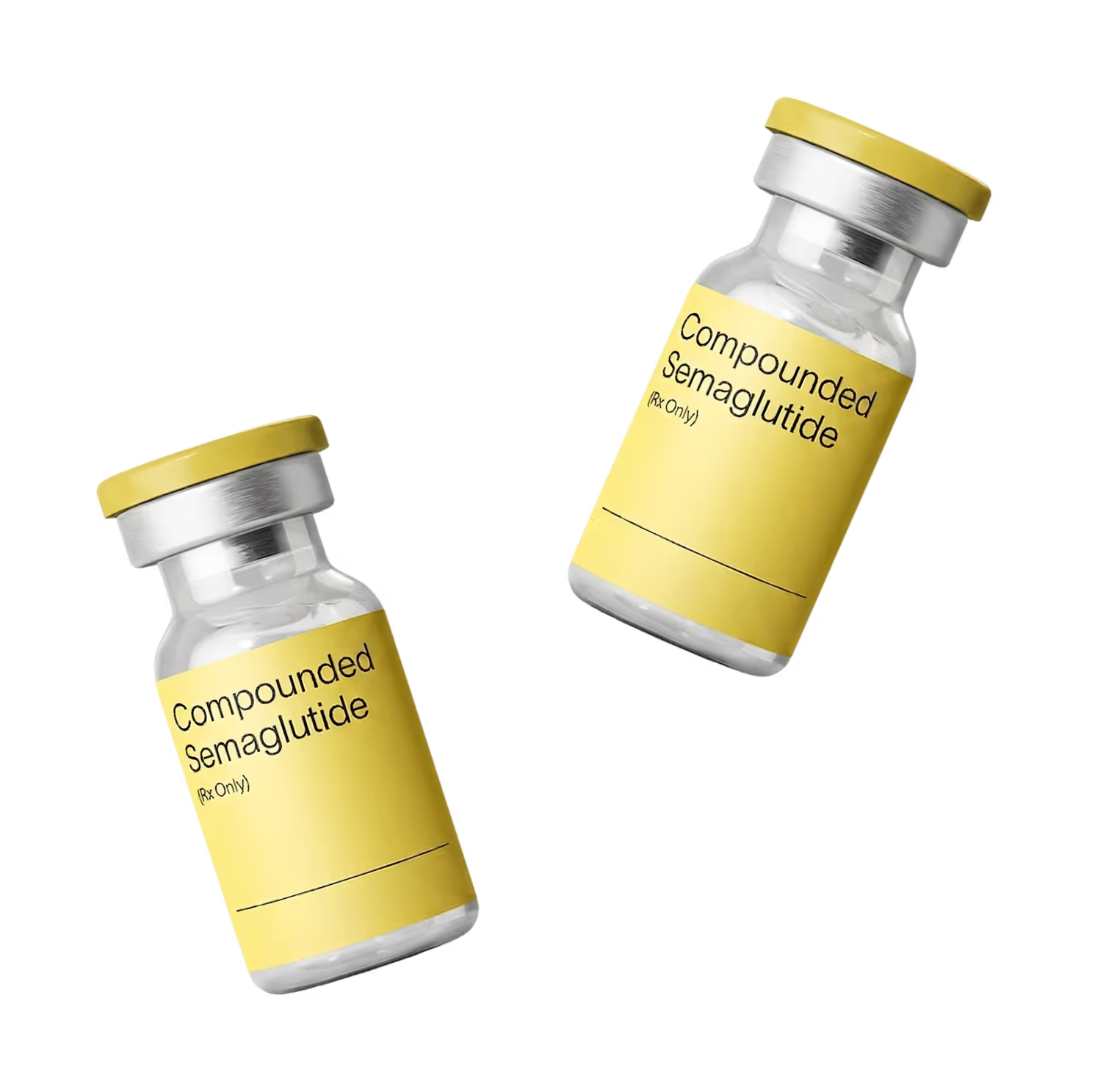
We prioritize a personalized approach to your health. If your medical provider prescribes medication, options may include GLP-1 treatments such as compounded semaglutide. Our providers prescribe only combination treatments not available at your local pharmacy that may include vitamin B12, etc. to help you achieve your goals faster.

Depending on your treatment goals, other medications such as metformin may also be considered. We recognize the importance of managing side effects, so your care plan might include medication to ease symptoms like nausea. Your well-being is always our top priority!

Please note that compounded medications are customized to meet individual patient needs and are not FDA-approved for safety or effectiveness. A prescription is necessary. Results may vary from person to person.

Curex and its pharmacy partners do not have any association with Novo Nordisk.

Will I be prescribed semaglutide?

Your health journey is unique, and we tailor our care to match. Any prescriptions, including semaglutide, will be based on the expert assessment of the medical provider matched with you through our platform. You can trust that your treatment plan will be personalized to fit your specific needs. And if semaglutide is not prescribed, we will provide a full refund.

What is compounded medication?

Compounding involves creating customized medications to meet the specific needs of individual patients. For instance, a patient may require a liquid version of a medication that is only available in tablet form. Pharmacies can also compound medications using FDA-approved drugs that are on the FDA’s shortage list.

These compounded medications are made by state-licensed pharmacies that follow both federal and state regulations, including quality standards. However, when compounded in accordance with these laws, these medications are not subject to FDA approval and are not evaluated for safety or effectiveness.

Is compounded medication the same as generic medication?

Compounded medications differ from generic drugs. Generics require FDA approval by demonstrating bio-equivalence to the brand-name drug. In contrast, compounded medications are not FDA-approved. They are made based on a personalized prescription that may not be commercially available elsewhere or when a drug appears on the FDA’s shortage list. Compounding pharmacies must have the proper licensed facilities and comply with state and federal regulations before dispensing these medications.

Is insurance required?

No, Curex doesn’t require insurance. We offer clear and simple pricing, along with affordable medication options, making it easy and accessible to take care of your health.

Can I pay with an FSA or HSA card?

Yes! You can pay with your HSA or FSA card.

No items found.
Can you prescribe Ozempic®* or Wegovy®*?

Our providers focus on personalized medications and dosages that aren’t commercially available at your local pharmacy. We don’t prescribe Ozempic®* or Wegovy®.* We may prescribe treatments containing compounded semaglutide or tirzepatide. These medications are specially compounded for you by a licensed pharmacy to meet your specific needs.

Are video visits with a provider required?

Our providers will review your information 100% online. Depending on where you live and the specifics of your medical history, our providers may require you to have a video visit or asynchronous visit via text message. If prescribed, you’ll get unlimited online access to message your provider as needed for follow-ups, adjustments, and answers to your questions.

What states do you serve?

Currently, we do not serve Arkansas, Connecticut, and New Mexico. However, we are always working to expand our reach, so stay in touch with us at hi@getcurex.com.

What are the benefits of the Nordic diet?

Day 1: Monday

What foods are included in the Nordic diet?

Breakfast: Oatmeal made with water or low-fat milk, topped with sliced apples, a sprinkle of cinnamon, and a handful of walnuts.
Snack: A small bowl of mixed berries (blueberries, lingonberries).
Lunch: Whole-grain rye bread sandwich with lean smoked salmon, fresh cucumber, lettuce, and a dollop of low-fat Greek yogurt.
Snack: Carrot sticks with a light hummus dip.
Dinner: Steamed cod with a side of boiled root vegetables (carrots, parsnips) and a small mixed greens salad dressed with a lemon vinaigrette.

How do I start a Nordic diet?

Day 2: Tuesday

Breakfast: Rye crispbread topped with avocado, tomato slices, and a poached egg.
Snack: A pear and a few almonds.
Lunch: Barley soup with assorted vegetables (leek, celery, carrots) and a touch of dill.
Snack: A small bowl of low-fat skyr with a drizzle of honey.
Dinner: Grilled chicken breast with a side of steamed broccoli and mashed rutabaga seasoned with a hint of mustard.