Symptoms of Low Bee Pollen: Causes, Treatment

Discover signs of low bee pollen, understand causes and effects, find treatment tips, and explore foods rich in bee pollen for a balanced diet.
#1 Online
Allergy Clinic
 curex user showing allergy treatment kita patient showing allergy treatment boxa male patient showing allergy drops vial
50,000+
users

gr.

Carbohydrates

gr.

Sugar

gr.

Fats

gr.

Proteins

Calories

How to Improve Your Bee Pollen Level


Understanding Bee Pollen Deficiency
 

Bee pollen is an exceptional natural source of vitamins, antioxidants, enzymes, and minerals that support numerous physiological functions. When your bee pollen intake is low, you risk not only missing out on these essential nutrients but also setting off a chain reaction that may compromise your overall well-being.


Potential Health Impacts
 
  • Reduced Antioxidant Defense: Insufficient bee pollen can lead to lower levels of antioxidants, making your body more vulnerable to oxidative stress and environmental toxins.
  • Impaired Immune Function: A decrease in key nutrients may weaken your immune system, diminishing your body’s ability to ward off infections and other illnesses.
  • Lowered Energy Levels: Bee pollen contains B vitamins that are crucial for energy production; a low intake might result in chronic fatigue and decreased stamina.
  • Digestive Irregularities: Enzymes in bee pollen support healthy digestion; lacking these can contribute to digestive discomfort and reduced nutrient absorption.


Nutritional Imbalance and Systemic Effects
 

When bee pollen is low in your diet, you might experience a nutritional imbalance that affects various bodily systems. This deficiency can disrupt metabolic processes, alter hormone regulation, and impede the detoxification pathways, thereby increasing your risk for long-term health issues.


Recommendations for Restoring Balance
 
  • Dietary Integration: Supplement your diet with a variety of nutrient-dense foods such as fruits, vegetables, and whole grains to provide complementary vitamins and minerals.
  • Supplementation Considerations: If natural dietary intake is not sufficient, consider exploring high-quality bee pollen supplements or alternative antioxidant-rich options after consulting a healthcare provider.
  • Professional Guidance: Collaborate with a nutritionist or medical professional to assess your nutritional status and determine a personalized plan to restore vital nutrients.
  • Monitor Your Health: Regular check-ups and a careful observation of your energy, mood, and digestive health can help track improvements and address any lingering deficiencies.


In Summary
 

Low bee pollen levels not only signify a gap in your intake of essential vitamins and antioxidants but also potentially pave the way for various systemic issues, including weakened immunity, reduced energy, and digestive problems. Addressing this deficiency through dietary adjustments, supplementation, and professional advice can help safeguard and enhance your overall health.

Stay on track—experience the next level of support with weight loss medication

Learn More

What Causes Bee Pollen to Drop

Environmental Stressors: Adverse weather conditions, pollution, and habitat degradation can reduce plant pollen production and quality, resulting in lower vitamin levels in bee pollen.

woman laying on a field of grass smiling

What Happens if Your Bee Pollen Is Low

Limited Floral Diversity: When bees have access to a narrow range of flowering plants, the pollen they collect tends to be less nutrient-dense and lower in vitamins.

Boost Your Progress with our Weight Loss Medication for Better Fat Loss

Learn More

What Food Has the Most Bee Pollen


Reduced Energy Levels

 
  • Description: Low bee pollen intake can result in diminished energy and stamina due to reduced availability of natural sugars, vitamins, and amino acids that support cellular metabolism.


Weakened Immune Response

 
  • Description: Bee pollen is rich in antioxidants and nutrients that bolster immune function; insufficient intake may make the body more vulnerable to infections and slower in recovering from illnesses.


Digestive Discomfort

 
  • Description: A deficiency in bee pollen can affect digestive health, potentially leading to irregular bowel movements, bloating, or discomfort, due to the reduced enzyme and nutrient support for gut function.


Skin and Mucosal Issues

 
  • Description: Inadequate bee pollen consumption may manifest as skin dryness, rashes, or other dermatological issues because of a lower intake of essential vitamins and antioxidants needed for skin repair and maintenance.
 

Your health matters. Lose weight safely and efffectively with Curex

gr.

Carbohydrates

gr.

Sugar

gr.

Fats

gr.

Proteins

Calories

How to Improve Your Bee Pollen Level


Understanding Bee Pollen Deficiency
 

Bee pollen is an exceptional natural source of vitamins, antioxidants, enzymes, and minerals that support numerous physiological functions. When your bee pollen intake is low, you risk not only missing out on these essential nutrients but also setting off a chain reaction that may compromise your overall well-being.


Potential Health Impacts
 
  • Reduced Antioxidant Defense: Insufficient bee pollen can lead to lower levels of antioxidants, making your body more vulnerable to oxidative stress and environmental toxins.
  • Impaired Immune Function: A decrease in key nutrients may weaken your immune system, diminishing your body’s ability to ward off infections and other illnesses.
  • Lowered Energy Levels: Bee pollen contains B vitamins that are crucial for energy production; a low intake might result in chronic fatigue and decreased stamina.
  • Digestive Irregularities: Enzymes in bee pollen support healthy digestion; lacking these can contribute to digestive discomfort and reduced nutrient absorption.


Nutritional Imbalance and Systemic Effects
 

When bee pollen is low in your diet, you might experience a nutritional imbalance that affects various bodily systems. This deficiency can disrupt metabolic processes, alter hormone regulation, and impede the detoxification pathways, thereby increasing your risk for long-term health issues.


Recommendations for Restoring Balance
 
  • Dietary Integration: Supplement your diet with a variety of nutrient-dense foods such as fruits, vegetables, and whole grains to provide complementary vitamins and minerals.
  • Supplementation Considerations: If natural dietary intake is not sufficient, consider exploring high-quality bee pollen supplements or alternative antioxidant-rich options after consulting a healthcare provider.
  • Professional Guidance: Collaborate with a nutritionist or medical professional to assess your nutritional status and determine a personalized plan to restore vital nutrients.
  • Monitor Your Health: Regular check-ups and a careful observation of your energy, mood, and digestive health can help track improvements and address any lingering deficiencies.


In Summary
 

Low bee pollen levels not only signify a gap in your intake of essential vitamins and antioxidants but also potentially pave the way for various systemic issues, including weakened immunity, reduced energy, and digestive problems. Addressing this deficiency through dietary adjustments, supplementation, and professional advice can help safeguard and enhance your overall health.

Combine supplements for faster results—try our meds

Learn More

What Causes Bee Pollen to Drop

woman laying on a field of grass smiling

Improper Harvesting Practices: Inefficient or mistimed collection methods can result in the loss of mature, nutrient-packed pollen, thereby reducing its overall vitamin content.

Jumpstart your journey with our medications

Learn More

Seasonal Variability: Changes in seasonal flowering patterns cause fluctuations in pollen availability, often leading to periods when the pollen is lower in vitamins due to fewer blooming plants.

Bee Health Challenges: Diseases, parasites, and colony stress diminish the foraging efficiency of bees, which can lead to reduced production and accumulation of nutrient-rich pollen.

Combine supplements for faster results—try our meds

Learn More

What Happens if Your Bee Pollen Is Low


Understanding Bee Pollen


Bee pollen is a nutrient-dense substance collected by bees from flowering plants. It offers a wide array of vitamins, minerals, enzymes, and amino acids that can support overall health. Improving your bee pollen level means optimizing both its quality and your body’s ability to utilize these nutrients effectively.


Sourcing and Quality

 
  • Choose Organic Sources: Opt for bee pollen harvested from organically managed farms to minimize exposure to pesticides and contaminants.
  • Local and Seasonal: Whenever possible, select locally sourced bee pollen that is in season to ensure maximum freshness and nutrient retention.
  • Reputable Suppliers: Purchase from trusted suppliers or beekeepers who provide detailed information about their processing and storage practices.


Proper Storage and Handling

 
  • Keep It Cool and Dry: Store bee pollen in an airtight container in a cool, dark place or in the refrigerator to preserve its enzymatic activity and prevent degradation of vitamins.
  • Avoid Moisture: Moisture can cause spoilage and reduce the nutritional profile of bee pollen, so always ensure your container is sealed tightly after use.
  • Minimal Processing: Use bee pollen in its raw form when possible to benefit from its full spectrum of nutrients. Avoid excessive heating as it can diminish the potency of the vitamins and enzymes.


Enhancing Absorption and Utilization

 
  • Combine with Liquids: Mix bee pollen into smoothies, yogurt, or juices to help break down the outer cell walls, enhancing digestibility and nutrient absorption.
  • Add Healthy Fats: Consuming bee pollen with a source of healthy fats (such as avocado or nuts) can improve the uptake of fat-soluble vitamins present in it.
  • Start Slowly: Begin with a small dose and gradually increase to allow your digestive system to adjust, which also helps in monitoring any potential allergic reactions.


Integrating with a Balanced Diet

 
  • Complementary Foods: Include a variety of colorful fruits and vegetables, lean proteins, and whole grains to create a diet that supports overall micronutrient synergy.
  • Hydration: Adequate water consumption assists in the digestion and transport of nutrients, including those from bee pollen.
  • Regular Routine: Incorporate bee pollen as a regular supplement rather than sporadically, ensuring that your body adapts to and utilizes its nutritional benefits over time.


Consultation and Allergy Awareness

 
  • Professional Guidance: Speak with a nutritionist or healthcare provider to determine the appropriate amount based on your individual health needs and dietary goals.
  • Allergy Testing: Since bee pollen can trigger allergic reactions in some individuals, perform a patch test or consult an allergist before including it regularly in your diet.
  • Monitor Reactions: Keep track of any changes in your wellbeing, and if you notice adverse reactions, discontinue use and seek medical advice.

Boost Your Progress with our Weight Loss Medication for Better Fat Loss

Learn More

Signs Your Bee Pollen Is Low

Limited Floral Diversity: When bees have access to a narrow range of flowering plants, the pollen they collect tends to be less nutrient-dense and lower in vitamins.

Environmental Stressors: Adverse weather conditions, pollution, and habitat degradation can reduce plant pollen production and quality, resulting in lower vitamin levels in bee pollen.

Pesticide Exposure: The use of agrochemicals can contaminate pollen sources and impair bee health, which in turn leads to decreased collection of high-quality, vitamin-rich pollen.

Supercharge weight loss: pair whey with our meds

What Food Has the Most Bee Pollen


Reduced Energy Levels

 
  • Description: Low bee pollen intake can result in diminished energy and stamina due to reduced availability of natural sugars, vitamins, and amino acids that support cellular metabolism.


Weakened Immune Response

 
  • Description: Bee pollen is rich in antioxidants and nutrients that bolster immune function; insufficient intake may make the body more vulnerable to infections and slower in recovering from illnesses.


Digestive Discomfort

 
  • Description: A deficiency in bee pollen can affect digestive health, potentially leading to irregular bowel movements, bloating, or discomfort, due to the reduced enzyme and nutrient support for gut function.


Skin and Mucosal Issues

 
  • Description: Inadequate bee pollen consumption may manifest as skin dryness, rashes, or other dermatological issues because of a lower intake of essential vitamins and antioxidants needed for skin repair and maintenance.
 

Your health matters. Lose weight safely and effectively with Curex

Stay safe—shed pounds with our proven medications

Learn More

What are the benefits of Bee Pollen?

 
Nutritional Composition & Energy
 

  • Nutrient Dense: Bee pollen is rich in vitamins, minerals, amino acids, and antioxidants that support overall health.
  • Energy Booster: Its balanced blend of carbohydrates and proteins provides a natural energy lift.
  Health and Wellness Benefits  
  • Immune Support: The antioxidants and phytonutrients help strengthen the immune system.
  • Anti-inflammatory Properties: Contains compounds that may help reduce inflammation in the body.
  • Digestive Aid: Enzymes in bee pollen can assist with digestion and improve gut health.
  • Skin Nourishment: The nutrients present contribute to healthier skin and overall cellular repair.
 

How should I take Bee Pollen?


Instructions for Taking Bee Pollen


  • Consult Your Healthcare Provider: Always discuss with a professional before beginning any new supplement, especially if you have allergies or medical conditions.
  • Start with a Small Dose: Begin with a very small amount (for example, 1/4 teaspoon) to monitor how your body reacts.
  • Gradual Increase: If no adverse effects occur, slowly increase the dosage over time as recommended by your healthcare provider.
  • Mix It In: Bee pollen can be mixed into water, juice, smoothies, or yogurt to help mask its natural taste.
  • Take with Meals: Consuming bee pollen with food may improve absorption and reduce the risk of stomach discomfort.
  • Storage: Keep bee pollen in a cool, dry place, sealed properly to preserve its freshness and nutritional content.


Does Bee Pollen have any side effects?


  • Allergic Reactions: Some individuals may experience itching, swelling, or difficulty breathing, particularly if they are allergic to pollen or bee products.
  • Gastrointestinal Discomfort: In certain cases, bee pollen can cause nausea, stomach upset, or diarrhea.
  • Medication Interactions: Bee pollen might interact with certain medications; consulting a healthcare provider is advisable if you are on prescription drugs.
  • Skin Irritation: Topical exposure may lead to irritation or redness in sensitive individuals.


Still have questions? Our weight-loss meds have answers


Reduced Energy Levels

 
  • Description: Low bee pollen intake can result in diminished energy and stamina due to reduced availability of natural sugars, vitamins, and amino acids that support cellular metabolism.


Weakened Immune Response

 
  • Description: Bee pollen is rich in antioxidants and nutrients that bolster immune function; insufficient intake may make the body more vulnerable to infections and slower in recovering from illnesses.


Digestive Discomfort

 
  • Description: A deficiency in bee pollen can affect digestive health, potentially leading to irregular bowel movements, bloating, or discomfort, due to the reduced enzyme and nutrient support for gut function.


Skin and Mucosal Issues

 
  • Description: Inadequate bee pollen consumption may manifest as skin dryness, rashes, or other dermatological issues because of a lower intake of essential vitamins and antioxidants needed for skin repair and maintenance.
 

Boost Any Diet with our Weight Loss Medication for Better Fat Loss

Learn More

What Happens if Your Bee Pollen Is Low

Limited Floral Diversity: When bees have access to a narrow range of flowering plants, the pollen they collect tends to be less nutrient-dense and lower in vitamins.

Environmental Stressors: Adverse weather conditions, pollution, and habitat degradation can reduce plant pollen production and quality, resulting in lower vitamin levels in bee pollen.

Pesticide Exposure: The use of agrochemicals can contaminate pollen sources and impair bee health, which in turn leads to decreased collection of high-quality, vitamin-rich pollen.

Improper Harvesting Practices: Inefficient or mistimed collection methods can result in the loss of mature, nutrient-packed pollen, thereby reducing its overall vitamin content.

Seasonal Variability: Changes in seasonal flowering patterns cause fluctuations in pollen availability, often leading to periods when the pollen is lower in vitamins due to fewer blooming plants.

Bee Health Challenges: Diseases, parasites, and colony stress diminish the foraging efficiency of bees, which can lead to reduced production and accumulation of nutrient-rich pollen.

Want Results That Last? Add our Weight-Loss Medication

woman laying on a field of grass smiling

What Food Has the Most Bee Pollen


Understanding Bee Pollen
 

Bee pollen is a naturally occurring superfood consisting of pollen grains that bees collect from a wide variety of flowering plants. It is renowned for its rich profile of vitamins, minerals, amino acids, enzymes, and antioxidants. While bee pollen is not typically a “food” in the conventional sense, it is harvested and used as a concentrated supplement to boost nutritional intake.


Foods and Sources Abundant in Bee Pollen
 
  • Direct Bee Pollen Granules: The most concentrated form comes directly from the beehive. When properly harvested and dried, bee pollen granules deliver the full spectrum of nutrients without dilution from other ingredients.
  • Clover Bee Pollen: Often found in regions rich in clover, this type is widely recognized for its balanced nutrient composition. Clover fields tend to attract large bee populations, resulting in an abundant collection of clover bee pollen.
  • Sunflower Bee Pollen: Harvested in areas with dense sunflower growth, this variety is high in antioxidants, vitamins, and essential fatty acids due to the inherent properties of sunflowers.
  • Alfalfa Bee Pollen: Sourced from alfalfa-rich fields, known for its enzyme and protein content, alfalfa bee pollen is a popular choice among those seeking an energy boost and overall nutritional support.


Using Bee Pollen as a Nutritional Boost
 
  • Supplementing Foods: Bee pollen granules can be sprinkled over yogurt, added to smoothies, or incorporated into breakfast cereals for an extra boost of nutrients.
  • Consistency Matters: The nutritional profile of bee pollen can vary based on the botanical source and geographic location, so opting for locally sourced bee pollen can often guarantee freshness and potency.
  • Complementary Superfoods: When combined with other nutrient-dense foods, such as honey, propolis, or royal jelly, bee pollen can amplify the health benefits of your diet.


Conclusion
 

In summary, the direct bee pollen granules harvested from beehives—especially those gathered from clover, sunflower, or alfalfa fields—are the richest sources available. These forms not only provide the highest concentration of bee pollen but also offer a diverse array of vitamins and nutrients that are essential for overall health.

Simple Changes, Stunning Results—Combine Your Diet with Our Weight Loss Medication

Learn More

What Causes Bee Pollen to Drop

 
Nutritional Composition & Energy
 

  • Nutrient Dense: Bee pollen is rich in vitamins, minerals, amino acids, and antioxidants that support overall health.
  • Energy Booster: Its balanced blend of carbohydrates and proteins provides a natural energy lift.
  Health and Wellness Benefits  
  • Immune Support: The antioxidants and phytonutrients help strengthen the immune system.
  • Anti-inflammatory Properties: Contains compounds that may help reduce inflammation in the body.
  • Digestive Aid: Enzymes in bee pollen can assist with digestion and improve gut health.
  • Skin Nourishment: The nutrients present contribute to healthier skin and overall cellular repair.


Instructions for Taking Bee Pollen


  • Consult Your Healthcare Provider: Always discuss with a professional before beginning any new supplement, especially if you have allergies or medical conditions.
  • Start with a Small Dose: Begin with a very small amount (for example, 1/4 teaspoon) to monitor how your body reacts.
  • Gradual Increase: If no adverse effects occur, slowly increase the dosage over time as recommended by your healthcare provider.
  • Mix It In: Bee pollen can be mixed into water, juice, smoothies, or yogurt to help mask its natural taste.
  • Take with Meals: Consuming bee pollen with food may improve absorption and reduce the risk of stomach discomfort.
  • Storage: Keep bee pollen in a cool, dry place, sealed properly to preserve its freshness and nutritional content.


  • Allergic Reactions: Some individuals may experience itching, swelling, or difficulty breathing, particularly if they are allergic to pollen or bee products.
  • Gastrointestinal Discomfort: In certain cases, bee pollen can cause nausea, stomach upset, or diarrhea.
  • Medication Interactions: Bee pollen might interact with certain medications; consulting a healthcare provider is advisable if you are on prescription drugs.
  • Skin Irritation: Topical exposure may lead to irritation or redness in sensitive individuals.


Achieve your maximum potential: combine this plan with our weight loss medication

How to Improve Your Bee Pollen Level

woman laying on a field of grass smiling

Symptoms of Low Bee Pollen: Causes, Treatment


Understanding Bee Pollen Deficiency
 

Bee pollen is an exceptional natural source of vitamins, antioxidants, enzymes, and minerals that support numerous physiological functions. When your bee pollen intake is low, you risk not only missing out on these essential nutrients but also setting off a chain reaction that may compromise your overall well-being.


Potential Health Impacts
 
  • Reduced Antioxidant Defense: Insufficient bee pollen can lead to lower levels of antioxidants, making your body more vulnerable to oxidative stress and environmental toxins.
  • Impaired Immune Function: A decrease in key nutrients may weaken your immune system, diminishing your body’s ability to ward off infections and other illnesses.
  • Lowered Energy Levels: Bee pollen contains B vitamins that are crucial for energy production; a low intake might result in chronic fatigue and decreased stamina.
  • Digestive Irregularities: Enzymes in bee pollen support healthy digestion; lacking these can contribute to digestive discomfort and reduced nutrient absorption.


Nutritional Imbalance and Systemic Effects
 

When bee pollen is low in your diet, you might experience a nutritional imbalance that affects various bodily systems. This deficiency can disrupt metabolic processes, alter hormone regulation, and impede the detoxification pathways, thereby increasing your risk for long-term health issues.


Recommendations for Restoring Balance
 
  • Dietary Integration: Supplement your diet with a variety of nutrient-dense foods such as fruits, vegetables, and whole grains to provide complementary vitamins and minerals.
  • Supplementation Considerations: If natural dietary intake is not sufficient, consider exploring high-quality bee pollen supplements or alternative antioxidant-rich options after consulting a healthcare provider.
  • Professional Guidance: Collaborate with a nutritionist or medical professional to assess your nutritional status and determine a personalized plan to restore vital nutrients.
  • Monitor Your Health: Regular check-ups and a careful observation of your energy, mood, and digestive health can help track improvements and address any lingering deficiencies.


In Summary
 

Low bee pollen levels not only signify a gap in your intake of essential vitamins and antioxidants but also potentially pave the way for various systemic issues, including weakened immunity, reduced energy, and digestive problems. Addressing this deficiency through dietary adjustments, supplementation, and professional advice can help safeguard and enhance your overall health.

Signs Your Bee Pollen Is Low


Reduced Energy Levels

 
  • Description: Low bee pollen intake can result in diminished energy and stamina due to reduced availability of natural sugars, vitamins, and amino acids that support cellular metabolism.


Weakened Immune Response

 
  • Description: Bee pollen is rich in antioxidants and nutrients that bolster immune function; insufficient intake may make the body more vulnerable to infections and slower in recovering from illnesses.


Digestive Discomfort

 
  • Description: A deficiency in bee pollen can affect digestive health, potentially leading to irregular bowel movements, bloating, or discomfort, due to the reduced enzyme and nutrient support for gut function.


Skin and Mucosal Issues

 
  • Description: Inadequate bee pollen consumption may manifest as skin dryness, rashes, or other dermatological issues because of a lower intake of essential vitamins and antioxidants needed for skin repair and maintenance.


Mood and Cognitive Fluctuations

 
  • Description: The nutrients from bee pollen contribute to neurotransmitter synthesis; a reduction can lead to mood imbalances, irritability, and issues with concentration.


Delayed Tissue Repair

 
  • Description: Bee pollen supports cell regeneration and repair processes. A low intake might slow wound healing and recovery from physical stress or injury due to reduced growth factor support.
 

Studies show low Vitamin C can make your body burn 30% less fat during exercise​
Don’t let a deficiency hold back your weight loss – see how our medication can help accelerate your results

What Happens if Your Bee Pollen Is Low


Understanding Bee Pollen Deficiency
 

Bee pollen is an exceptional natural source of vitamins, antioxidants, enzymes, and minerals that support numerous physiological functions. When your bee pollen intake is low, you risk not only missing out on these essential nutrients but also setting off a chain reaction that may compromise your overall well-being.


Potential Health Impacts
 
  • Reduced Antioxidant Defense: Insufficient bee pollen can lead to lower levels of antioxidants, making your body more vulnerable to oxidative stress and environmental toxins.
  • Impaired Immune Function: A decrease in key nutrients may weaken your immune system, diminishing your body’s ability to ward off infections and other illnesses.
  • Lowered Energy Levels: Bee pollen contains B vitamins that are crucial for energy production; a low intake might result in chronic fatigue and decreased stamina.
  • Digestive Irregularities: Enzymes in bee pollen support healthy digestion; lacking these can contribute to digestive discomfort and reduced nutrient absorption.


Nutritional Imbalance and Systemic Effects
 

When bee pollen is low in your diet, you might experience a nutritional imbalance that affects various bodily systems. This deficiency can disrupt metabolic processes, alter hormone regulation, and impede the detoxification pathways, thereby increasing your risk for long-term health issues.


Recommendations for Restoring Balance
 
  • Dietary Integration: Supplement your diet with a variety of nutrient-dense foods such as fruits, vegetables, and whole grains to provide complementary vitamins and minerals.
  • Supplementation Considerations: If natural dietary intake is not sufficient, consider exploring high-quality bee pollen supplements or alternative antioxidant-rich options after consulting a healthcare provider.
  • Professional Guidance: Collaborate with a nutritionist or medical professional to assess your nutritional status and determine a personalized plan to restore vital nutrients.
  • Monitor Your Health: Regular check-ups and a careful observation of your energy, mood, and digestive health can help track improvements and address any lingering deficiencies.


In Summary
 

Low bee pollen levels not only signify a gap in your intake of essential vitamins and antioxidants but also potentially pave the way for various systemic issues, including weakened immunity, reduced energy, and digestive problems. Addressing this deficiency through dietary adjustments, supplementation, and professional advice can help safeguard and enhance your overall health.

Our weight loss medication is designed to tackle slow fat burning so you can shed those extra inches – get started now.

Learn More

What Causes Bee Pollen to Drop

Limited Floral Diversity: When bees have access to a narrow range of flowering plants, the pollen they collect tends to be less nutrient-dense and lower in vitamins.

Environmental Stressors: Adverse weather conditions, pollution, and habitat degradation can reduce plant pollen production and quality, resulting in lower vitamin levels in bee pollen.

Pesticide Exposure: The use of agrochemicals can contaminate pollen sources and impair bee health, which in turn leads to decreased collection of high-quality, vitamin-rich pollen.

Improper Harvesting Practices: Inefficient or mistimed collection methods can result in the loss of mature, nutrient-packed pollen, thereby reducing its overall vitamin content.

Seasonal Variability: Changes in seasonal flowering patterns cause fluctuations in pollen availability, often leading to periods when the pollen is lower in vitamins due to fewer blooming plants.

Bee Health Challenges: Diseases, parasites, and colony stress diminish the foraging efficiency of bees, which can lead to reduced production and accumulation of nutrient-rich pollen.

Not getting enough fruits and veggies?
A nutrient-poor diet can leave you low in Vitamins and struggling with weight.
Our weight loss medication helps boost your metabolism even when nutritional gaps hold you back.

Curex oral dissolving tablets (ODT)

How to Improve Your Bee Pollen Level


Understanding Bee Pollen


Bee pollen is a nutrient-dense substance collected by bees from flowering plants. It offers a wide array of vitamins, minerals, enzymes, and amino acids that can support overall health. Improving your bee pollen level means optimizing both its quality and your body’s ability to utilize these nutrients effectively.


Sourcing and Quality

 
  • Choose Organic Sources: Opt for bee pollen harvested from organically managed farms to minimize exposure to pesticides and contaminants.
  • Local and Seasonal: Whenever possible, select locally sourced bee pollen that is in season to ensure maximum freshness and nutrient retention.
  • Reputable Suppliers: Purchase from trusted suppliers or beekeepers who provide detailed information about their processing and storage practices.


Proper Storage and Handling

 
  • Keep It Cool and Dry: Store bee pollen in an airtight container in a cool, dark place or in the refrigerator to preserve its enzymatic activity and prevent degradation of vitamins.
  • Avoid Moisture: Moisture can cause spoilage and reduce the nutritional profile of bee pollen, so always ensure your container is sealed tightly after use.
  • Minimal Processing: Use bee pollen in its raw form when possible to benefit from its full spectrum of nutrients. Avoid excessive heating as it can diminish the potency of the vitamins and enzymes.


Enhancing Absorption and Utilization

 
  • Combine with Liquids: Mix bee pollen into smoothies, yogurt, or juices to help break down the outer cell walls, enhancing digestibility and nutrient absorption.
  • Add Healthy Fats: Consuming bee pollen with a source of healthy fats (such as avocado or nuts) can improve the uptake of fat-soluble vitamins present in it.
  • Start Slowly: Begin with a small dose and gradually increase to allow your digestive system to adjust, which also helps in monitoring any potential allergic reactions.


Integrating with a Balanced Diet

 
  • Complementary Foods: Include a variety of colorful fruits and vegetables, lean proteins, and whole grains to create a diet that supports overall micronutrient synergy.
  • Hydration: Adequate water consumption assists in the digestion and transport of nutrients, including those from bee pollen.
  • Regular Routine: Incorporate bee pollen as a regular supplement rather than sporadically, ensuring that your body adapts to and utilizes its nutritional benefits over time.


Consultation and Allergy Awareness

 
  • Professional Guidance: Speak with a nutritionist or healthcare provider to determine the appropriate amount based on your individual health needs and dietary goals.
  • Allergy Testing: Since bee pollen can trigger allergic reactions in some individuals, perform a patch test or consult an allergist before including it regularly in your diet.
  • Monitor Reactions: Keep track of any changes in your wellbeing, and if you notice adverse reactions, discontinue use and seek medical advice.

Combine supplements for faster results—try our meds

Learn More

What Food Has the Most Bee Pollen


Understanding Bee Pollen
 

Bee pollen is a naturally occurring superfood consisting of pollen grains that bees collect from a wide variety of flowering plants. It is renowned for its rich profile of vitamins, minerals, amino acids, enzymes, and antioxidants. While bee pollen is not typically a “food” in the conventional sense, it is harvested and used as a concentrated supplement to boost nutritional intake.


Foods and Sources Abundant in Bee Pollen
 
  • Direct Bee Pollen Granules: The most concentrated form comes directly from the beehive. When properly harvested and dried, bee pollen granules deliver the full spectrum of nutrients without dilution from other ingredients.
  • Clover Bee Pollen: Often found in regions rich in clover, this type is widely recognized for its balanced nutrient composition. Clover fields tend to attract large bee populations, resulting in an abundant collection of clover bee pollen.
  • Sunflower Bee Pollen: Harvested in areas with dense sunflower growth, this variety is high in antioxidants, vitamins, and essential fatty acids due to the inherent properties of sunflowers.
  • Alfalfa Bee Pollen: Sourced from alfalfa-rich fields, known for its enzyme and protein content, alfalfa bee pollen is a popular choice among those seeking an energy boost and overall nutritional support.


Using Bee Pollen as a Nutritional Boost
 
  • Supplementing Foods: Bee pollen granules can be sprinkled over yogurt, added to smoothies, or incorporated into breakfast cereals for an extra boost of nutrients.
  • Consistency Matters: The nutritional profile of bee pollen can vary based on the botanical source and geographic location, so opting for locally sourced bee pollen can often guarantee freshness and potency.
  • Complementary Superfoods: When combined with other nutrient-dense foods, such as honey, propolis, or royal jelly, bee pollen can amplify the health benefits of your diet.


Conclusion
 

In summary, the direct bee pollen granules harvested from beehives—especially those gathered from clover, sunflower, or alfalfa fields—are the richest sources available. These forms not only provide the highest concentration of bee pollen but also offer a diverse array of vitamins and nutrients that are essential for overall health.

What are the benefits of Bee Pollen?

 
Nutritional Composition & Energy
 

  • Nutrient Dense: Bee pollen is rich in vitamins, minerals, amino acids, and antioxidants that support overall health.
  • Energy Booster: Its balanced blend of carbohydrates and proteins provides a natural energy lift.
  Health and Wellness Benefits  
  • Immune Support: The antioxidants and phytonutrients help strengthen the immune system.
  • Anti-inflammatory Properties: Contains compounds that may help reduce inflammation in the body.
  • Digestive Aid: Enzymes in bee pollen can assist with digestion and improve gut health.
  • Skin Nourishment: The nutrients present contribute to healthier skin and overall cellular repair.
 

How should I take Bee Pollen?


Instructions for Taking Bee Pollen


  • Consult Your Healthcare Provider: Always discuss with a professional before beginning any new supplement, especially if you have allergies or medical conditions.
  • Start with a Small Dose: Begin with a very small amount (for example, 1/4 teaspoon) to monitor how your body reacts.
  • Gradual Increase: If no adverse effects occur, slowly increase the dosage over time as recommended by your healthcare provider.
  • Mix It In: Bee pollen can be mixed into water, juice, smoothies, or yogurt to help mask its natural taste.
  • Take with Meals: Consuming bee pollen with food may improve absorption and reduce the risk of stomach discomfort.
  • Storage: Keep bee pollen in a cool, dry place, sealed properly to preserve its freshness and nutritional content.


Does Bee Pollen have any side effects?


  • Allergic Reactions: Some individuals may experience itching, swelling, or difficulty breathing, particularly if they are allergic to pollen or bee products.
  • Gastrointestinal Discomfort: In certain cases, bee pollen can cause nausea, stomach upset, or diarrhea.
  • Medication Interactions: Bee pollen might interact with certain medications; consulting a healthcare provider is advisable if you are on prescription drugs.
  • Skin Irritation: Topical exposure may lead to irritation or redness in sensitive individuals.


Still have questions?

We have answers. Book a consultation

Still have questions? Our weight-loss meds have answers


Understanding Bee Pollen Deficiency
 

Bee pollen is an exceptional natural source of vitamins, antioxidants, enzymes, and minerals that support numerous physiological functions. When your bee pollen intake is low, you risk not only missing out on these essential nutrients but also setting off a chain reaction that may compromise your overall well-being.


Potential Health Impacts
 
  • Reduced Antioxidant Defense: Insufficient bee pollen can lead to lower levels of antioxidants, making your body more vulnerable to oxidative stress and environmental toxins.
  • Impaired Immune Function: A decrease in key nutrients may weaken your immune system, diminishing your body’s ability to ward off infections and other illnesses.
  • Lowered Energy Levels: Bee pollen contains B vitamins that are crucial for energy production; a low intake might result in chronic fatigue and decreased stamina.
  • Digestive Irregularities: Enzymes in bee pollen support healthy digestion; lacking these can contribute to digestive discomfort and reduced nutrient absorption.


Nutritional Imbalance and Systemic Effects
 

When bee pollen is low in your diet, you might experience a nutritional imbalance that affects various bodily systems. This deficiency can disrupt metabolic processes, alter hormone regulation, and impede the detoxification pathways, thereby increasing your risk for long-term health issues.


Recommendations for Restoring Balance
 
  • Dietary Integration: Supplement your diet with a variety of nutrient-dense foods such as fruits, vegetables, and whole grains to provide complementary vitamins and minerals.
  • Supplementation Considerations: If natural dietary intake is not sufficient, consider exploring high-quality bee pollen supplements or alternative antioxidant-rich options after consulting a healthcare provider.
  • Professional Guidance: Collaborate with a nutritionist or medical professional to assess your nutritional status and determine a personalized plan to restore vital nutrients.
  • Monitor Your Health: Regular check-ups and a careful observation of your energy, mood, and digestive health can help track improvements and address any lingering deficiencies.


In Summary
 

Low bee pollen levels not only signify a gap in your intake of essential vitamins and antioxidants but also potentially pave the way for various systemic issues, including weakened immunity, reduced energy, and digestive problems. Addressing this deficiency through dietary adjustments, supplementation, and professional advice can help safeguard and enhance your overall health.

Our weight loss medication is designed to tackle slow fat burning so you can shed those extra inches – get started now.

Learn More

What Happens if Your Bee Pollen Is Low

Limited Floral Diversity: When bees have access to a narrow range of flowering plants, the pollen they collect tends to be less nutrient-dense and lower in vitamins.

Environmental Stressors: Adverse weather conditions, pollution, and habitat degradation can reduce plant pollen production and quality, resulting in lower vitamin levels in bee pollen.

Pesticide Exposure: The use of agrochemicals can contaminate pollen sources and impair bee health, which in turn leads to decreased collection of high-quality, vitamin-rich pollen.

What Causes Bee Pollen to Drop

Improper Harvesting Practices: Inefficient or mistimed collection methods can result in the loss of mature, nutrient-packed pollen, thereby reducing its overall vitamin content.

Seasonal Variability: Changes in seasonal flowering patterns cause fluctuations in pollen availability, often leading to periods when the pollen is lower in vitamins due to fewer blooming plants.

Bee Health Challenges: Diseases, parasites, and colony stress diminish the foraging efficiency of bees, which can lead to reduced production and accumulation of nutrient-rich pollen.


Understanding Bee Pollen


Bee pollen is a nutrient-dense substance collected by bees from flowering plants. It offers a wide array of vitamins, minerals, enzymes, and amino acids that can support overall health. Improving your bee pollen level means optimizing both its quality and your body’s ability to utilize these nutrients effectively.


Sourcing and Quality

 
  • Choose Organic Sources: Opt for bee pollen harvested from organically managed farms to minimize exposure to pesticides and contaminants.
  • Local and Seasonal: Whenever possible, select locally sourced bee pollen that is in season to ensure maximum freshness and nutrient retention.
  • Reputable Suppliers: Purchase from trusted suppliers or beekeepers who provide detailed information about their processing and storage practices.


Proper Storage and Handling

 
  • Keep It Cool and Dry: Store bee pollen in an airtight container in a cool, dark place or in the refrigerator to preserve its enzymatic activity and prevent degradation of vitamins.
  • Avoid Moisture: Moisture can cause spoilage and reduce the nutritional profile of bee pollen, so always ensure your container is sealed tightly after use.
  • Minimal Processing: Use bee pollen in its raw form when possible to benefit from its full spectrum of nutrients. Avoid excessive heating as it can diminish the potency of the vitamins and enzymes.


Enhancing Absorption and Utilization

 
  • Combine with Liquids: Mix bee pollen into smoothies, yogurt, or juices to help break down the outer cell walls, enhancing digestibility and nutrient absorption.
  • Add Healthy Fats: Consuming bee pollen with a source of healthy fats (such as avocado or nuts) can improve the uptake of fat-soluble vitamins present in it.
  • Start Slowly: Begin with a small dose and gradually increase to allow your digestive system to adjust, which also helps in monitoring any potential allergic reactions.


Integrating with a Balanced Diet

 
  • Complementary Foods: Include a variety of colorful fruits and vegetables, lean proteins, and whole grains to create a diet that supports overall micronutrient synergy.
  • Hydration: Adequate water consumption assists in the digestion and transport of nutrients, including those from bee pollen.
  • Regular Routine: Incorporate bee pollen as a regular supplement rather than sporadically, ensuring that your body adapts to and utilizes its nutritional benefits over time.


Consultation and Allergy Awareness

 
  • Professional Guidance: Speak with a nutritionist or healthcare provider to determine the appropriate amount based on your individual health needs and dietary goals.
  • Allergy Testing: Since bee pollen can trigger allergic reactions in some individuals, perform a patch test or consult an allergist before including it regularly in your diet.
  • Monitor Reactions: Keep track of any changes in your wellbeing, and if you notice adverse reactions, discontinue use and seek medical advice.

Following the rules but not seeing results? We’ve got your back.

Learn More


Reduced Energy Levels

 
  • Description: Low bee pollen intake can result in diminished energy and stamina due to reduced availability of natural sugars, vitamins, and amino acids that support cellular metabolism.


Weakened Immune Response

 
  • Description: Bee pollen is rich in antioxidants and nutrients that bolster immune function; insufficient intake may make the body more vulnerable to infections and slower in recovering from illnesses.


Digestive Discomfort

 
  • Description: A deficiency in bee pollen can affect digestive health, potentially leading to irregular bowel movements, bloating, or discomfort, due to the reduced enzyme and nutrient support for gut function.


Skin and Mucosal Issues

 
  • Description: Inadequate bee pollen consumption may manifest as skin dryness, rashes, or other dermatological issues because of a lower intake of essential vitamins and antioxidants needed for skin repair and maintenance.
 

Our weight loss meds can help you slim down faster.

What Food Has the Most Bee Pollen

Signs Your Bee Pollen Is Low

Pair smart eating with real fat-burning support—see the difference

 
Nutritional Composition & Energy
 

  • Nutrient Dense: Bee pollen is rich in vitamins, minerals, amino acids, and antioxidants that support overall health.
  • Energy Booster: Its balanced blend of carbohydrates and proteins provides a natural energy lift.
  Health and Wellness Benefits  
  • Immune Support: The antioxidants and phytonutrients help strengthen the immune system.
  • Anti-inflammatory Properties: Contains compounds that may help reduce inflammation in the body.
  • Digestive Aid: Enzymes in bee pollen can assist with digestion and improve gut health.
  • Skin Nourishment: The nutrients present contribute to healthier skin and overall cellular repair.


Instructions for Taking Bee Pollen


  • Consult Your Healthcare Provider: Always discuss with a professional before beginning any new supplement, especially if you have allergies or medical conditions.
  • Start with a Small Dose: Begin with a very small amount (for example, 1/4 teaspoon) to monitor how your body reacts.
  • Gradual Increase: If no adverse effects occur, slowly increase the dosage over time as recommended by your healthcare provider.
  • Mix It In: Bee pollen can be mixed into water, juice, smoothies, or yogurt to help mask its natural taste.
  • Take with Meals: Consuming bee pollen with food may improve absorption and reduce the risk of stomach discomfort.
  • Storage: Keep bee pollen in a cool, dry place, sealed properly to preserve its freshness and nutritional content.


  • Allergic Reactions: Some individuals may experience itching, swelling, or difficulty breathing, particularly if they are allergic to pollen or bee products.
  • Gastrointestinal Discomfort: In certain cases, bee pollen can cause nausea, stomach upset, or diarrhea.
  • Medication Interactions: Bee pollen might interact with certain medications; consulting a healthcare provider is advisable if you are on prescription drugs.
  • Skin Irritation: Topical exposure may lead to irritation or redness in sensitive individuals.


Achieve your maximum potential: combine diet plan with our weight loss medication


Understanding Bee Pollen
 

Bee pollen is a naturally occurring superfood consisting of pollen grains that bees collect from a wide variety of flowering plants. It is renowned for its rich profile of vitamins, minerals, amino acids, enzymes, and antioxidants. While bee pollen is not typically a “food” in the conventional sense, it is harvested and used as a concentrated supplement to boost nutritional intake.


Foods and Sources Abundant in Bee Pollen
 
  • Direct Bee Pollen Granules: The most concentrated form comes directly from the beehive. When properly harvested and dried, bee pollen granules deliver the full spectrum of nutrients without dilution from other ingredients.
  • Clover Bee Pollen: Often found in regions rich in clover, this type is widely recognized for its balanced nutrient composition. Clover fields tend to attract large bee populations, resulting in an abundant collection of clover bee pollen.
  • Sunflower Bee Pollen: Harvested in areas with dense sunflower growth, this variety is high in antioxidants, vitamins, and essential fatty acids due to the inherent properties of sunflowers.
  • Alfalfa Bee Pollen: Sourced from alfalfa-rich fields, known for its enzyme and protein content, alfalfa bee pollen is a popular choice among those seeking an energy boost and overall nutritional support.


Using Bee Pollen as a Nutritional Boost
 
  • Supplementing Foods: Bee pollen granules can be sprinkled over yogurt, added to smoothies, or incorporated into breakfast cereals for an extra boost of nutrients.
  • Consistency Matters: The nutritional profile of bee pollen can vary based on the botanical source and geographic location, so opting for locally sourced bee pollen can often guarantee freshness and potency.
  • Complementary Superfoods: When combined with other nutrient-dense foods, such as honey, propolis, or royal jelly, bee pollen can amplify the health benefits of your diet.


Conclusion
 

In summary, the direct bee pollen granules harvested from beehives—especially those gathered from clover, sunflower, or alfalfa fields—are the richest sources available. These forms not only provide the highest concentration of bee pollen but also offer a diverse array of vitamins and nutrients that are essential for overall health.

Avoid the slow route—our weight loss meds can help speed things up

Learn More

What are the benefits of Bee Pollen?


Mood and Cognitive Fluctuations

 
  • Description: The nutrients from bee pollen contribute to neurotransmitter synthesis; a reduction can lead to mood imbalances, irritability, and issues with concentration.
 

How should I take Bee Pollen?


Delayed Tissue Repair

 
  • Description: Bee pollen supports cell regeneration and repair processes. A low intake might slow wound healing and recovery from physical stress or injury due to reduced growth factor support.
 

Does Bee Pollen have any side effects?

Still have questions?

We have answers. Book a consultation

How to Improve Your Bee Pollen Level

Our weight loss medication is designed to tackle slow fat burning so you can shed those extra inches – get started now.

Learn More

What Food Has the Most Bee Pollen


Understanding Bee Pollen
 

Bee pollen is a naturally occurring superfood consisting of pollen grains that bees collect from a wide variety of flowering plants. It is renowned for its rich profile of vitamins, minerals, amino acids, enzymes, and antioxidants. While bee pollen is not typically a “food” in the conventional sense, it is harvested and used as a concentrated supplement to boost nutritional intake.


Foods and Sources Abundant in Bee Pollen
 
  • Direct Bee Pollen Granules: The most concentrated form comes directly from the beehive. When properly harvested and dried, bee pollen granules deliver the full spectrum of nutrients without dilution from other ingredients.
  • Clover Bee Pollen: Often found in regions rich in clover, this type is widely recognized for its balanced nutrient composition. Clover fields tend to attract large bee populations, resulting in an abundant collection of clover bee pollen.
  • Sunflower Bee Pollen: Harvested in areas with dense sunflower growth, this variety is high in antioxidants, vitamins, and essential fatty acids due to the inherent properties of sunflowers.
  • Alfalfa Bee Pollen: Sourced from alfalfa-rich fields, known for its enzyme and protein content, alfalfa bee pollen is a popular choice among those seeking an energy boost and overall nutritional support.


Using Bee Pollen as a Nutritional Boost
 
  • Supplementing Foods: Bee pollen granules can be sprinkled over yogurt, added to smoothies, or incorporated into breakfast cereals for an extra boost of nutrients.
  • Consistency Matters: The nutritional profile of bee pollen can vary based on the botanical source and geographic location, so opting for locally sourced bee pollen can often guarantee freshness and potency.
  • Complementary Superfoods: When combined with other nutrient-dense foods, such as honey, propolis, or royal jelly, bee pollen can amplify the health benefits of your diet.


Conclusion
 

In summary, the direct bee pollen granules harvested from beehives—especially those gathered from clover, sunflower, or alfalfa fields—are the richest sources available. These forms not only provide the highest concentration of bee pollen but also offer a diverse array of vitamins and nutrients that are essential for overall health.

What Causes Bee Pollen to Drop


Understanding Bee Pollen Deficiency
 

Bee pollen is an exceptional natural source of vitamins, antioxidants, enzymes, and minerals that support numerous physiological functions. When your bee pollen intake is low, you risk not only missing out on these essential nutrients but also setting off a chain reaction that may compromise your overall well-being.


Potential Health Impacts
 
  • Reduced Antioxidant Defense: Insufficient bee pollen can lead to lower levels of antioxidants, making your body more vulnerable to oxidative stress and environmental toxins.
  • Impaired Immune Function: A decrease in key nutrients may weaken your immune system, diminishing your body’s ability to ward off infections and other illnesses.
  • Lowered Energy Levels: Bee pollen contains B vitamins that are crucial for energy production; a low intake might result in chronic fatigue and decreased stamina.
  • Digestive Irregularities: Enzymes in bee pollen support healthy digestion; lacking these can contribute to digestive discomfort and reduced nutrient absorption.


Nutritional Imbalance and Systemic Effects
 

When bee pollen is low in your diet, you might experience a nutritional imbalance that affects various bodily systems. This deficiency can disrupt metabolic processes, alter hormone regulation, and impede the detoxification pathways, thereby increasing your risk for long-term health issues.


Recommendations for Restoring Balance
 
  • Dietary Integration: Supplement your diet with a variety of nutrient-dense foods such as fruits, vegetables, and whole grains to provide complementary vitamins and minerals.
  • Supplementation Considerations: If natural dietary intake is not sufficient, consider exploring high-quality bee pollen supplements or alternative antioxidant-rich options after consulting a healthcare provider.
  • Professional Guidance: Collaborate with a nutritionist or medical professional to assess your nutritional status and determine a personalized plan to restore vital nutrients.
  • Monitor Your Health: Regular check-ups and a careful observation of your energy, mood, and digestive health can help track improvements and address any lingering deficiencies.


In Summary
 

Low bee pollen levels not only signify a gap in your intake of essential vitamins and antioxidants but also potentially pave the way for various systemic issues, including weakened immunity, reduced energy, and digestive problems. Addressing this deficiency through dietary adjustments, supplementation, and professional advice can help safeguard and enhance your overall health.

Following the rules but not seeing results? We’ve got your back.

Learn More

What Happens if Your Bee Pollen Is Low

Signs Your Bee Pollen Is Low

Limited Floral Diversity: When bees have access to a narrow range of flowering plants, the pollen they collect tends to be less nutrient-dense and lower in vitamins.

Environmental Stressors: Adverse weather conditions, pollution, and habitat degradation can reduce plant pollen production and quality, resulting in lower vitamin levels in bee pollen.

Pesticide Exposure: The use of agrochemicals can contaminate pollen sources and impair bee health, which in turn leads to decreased collection of high-quality, vitamin-rich pollen.

Improper Harvesting Practices: Inefficient or mistimed collection methods can result in the loss of mature, nutrient-packed pollen, thereby reducing its overall vitamin content.

Seasonal Variability: Changes in seasonal flowering patterns cause fluctuations in pollen availability, often leading to periods when the pollen is lower in vitamins due to fewer blooming plants.

Bee Health Challenges: Diseases, parasites, and colony stress diminish the foraging efficiency of bees, which can lead to reduced production and accumulation of nutrient-rich pollen.

Pair smart eating with real fat-burning support—see the difference

Limited Floral Diversity: When bees have access to a narrow range of flowering plants, the pollen they collect tends to be less nutrient-dense and lower in vitamins.

Environmental Stressors: Adverse weather conditions, pollution, and habitat degradation can reduce plant pollen production and quality, resulting in lower vitamin levels in bee pollen.

Pesticide Exposure: The use of agrochemicals can contaminate pollen sources and impair bee health, which in turn leads to decreased collection of high-quality, vitamin-rich pollen.

Improper Harvesting Practices: Inefficient or mistimed collection methods can result in the loss of mature, nutrient-packed pollen, thereby reducing its overall vitamin content.

Seasonal Variability: Changes in seasonal flowering patterns cause fluctuations in pollen availability, often leading to periods when the pollen is lower in vitamins due to fewer blooming plants.

Bee Health Challenges: Diseases, parasites, and colony stress diminish the foraging efficiency of bees, which can lead to reduced production and accumulation of nutrient-rich pollen.

Limited Floral Diversity: When bees have access to a narrow range of flowering plants, the pollen they collect tends to be less nutrient-dense and lower in vitamins.

Environmental Stressors: Adverse weather conditions, pollution, and habitat degradation can reduce plant pollen production and quality, resulting in lower vitamin levels in bee pollen.

Pesticide Exposure: The use of agrochemicals can contaminate pollen sources and impair bee health, which in turn leads to decreased collection of high-quality, vitamin-rich pollen.

Improper Harvesting Practices: Inefficient or mistimed collection methods can result in the loss of mature, nutrient-packed pollen, thereby reducing its overall vitamin content.

Seasonal Variability: Changes in seasonal flowering patterns cause fluctuations in pollen availability, often leading to periods when the pollen is lower in vitamins due to fewer blooming plants.

Bee Health Challenges: Diseases, parasites, and colony stress diminish the foraging efficiency of bees, which can lead to reduced production and accumulation of nutrient-rich pollen.

woman laying on a field of grass smiling

What Happens if Your Bee Pollen Is Low


Understanding Bee Pollen
 

Bee pollen is a naturally occurring superfood consisting of pollen grains that bees collect from a wide variety of flowering plants. It is renowned for its rich profile of vitamins, minerals, amino acids, enzymes, and antioxidants. While bee pollen is not typically a “food” in the conventional sense, it is harvested and used as a concentrated supplement to boost nutritional intake.


Foods and Sources Abundant in Bee Pollen
 
  • Direct Bee Pollen Granules: The most concentrated form comes directly from the beehive. When properly harvested and dried, bee pollen granules deliver the full spectrum of nutrients without dilution from other ingredients.
  • Clover Bee Pollen: Often found in regions rich in clover, this type is widely recognized for its balanced nutrient composition. Clover fields tend to attract large bee populations, resulting in an abundant collection of clover bee pollen.
  • Sunflower Bee Pollen: Harvested in areas with dense sunflower growth, this variety is high in antioxidants, vitamins, and essential fatty acids due to the inherent properties of sunflowers.
  • Alfalfa Bee Pollen: Sourced from alfalfa-rich fields, known for its enzyme and protein content, alfalfa bee pollen is a popular choice among those seeking an energy boost and overall nutritional support.


Using Bee Pollen as a Nutritional Boost
 
  • Supplementing Foods: Bee pollen granules can be sprinkled over yogurt, added to smoothies, or incorporated into breakfast cereals for an extra boost of nutrients.
  • Consistency Matters: The nutritional profile of bee pollen can vary based on the botanical source and geographic location, so opting for locally sourced bee pollen can often guarantee freshness and potency.
  • Complementary Superfoods: When combined with other nutrient-dense foods, such as honey, propolis, or royal jelly, bee pollen can amplify the health benefits of your diet.


Conclusion
 

In summary, the direct bee pollen granules harvested from beehives—especially those gathered from clover, sunflower, or alfalfa fields—are the richest sources available. These forms not only provide the highest concentration of bee pollen but also offer a diverse array of vitamins and nutrients that are essential for overall health.

Simple Changes, Stunning Results—Combine Your Diet with Our Weight Loss Medication

Learn More
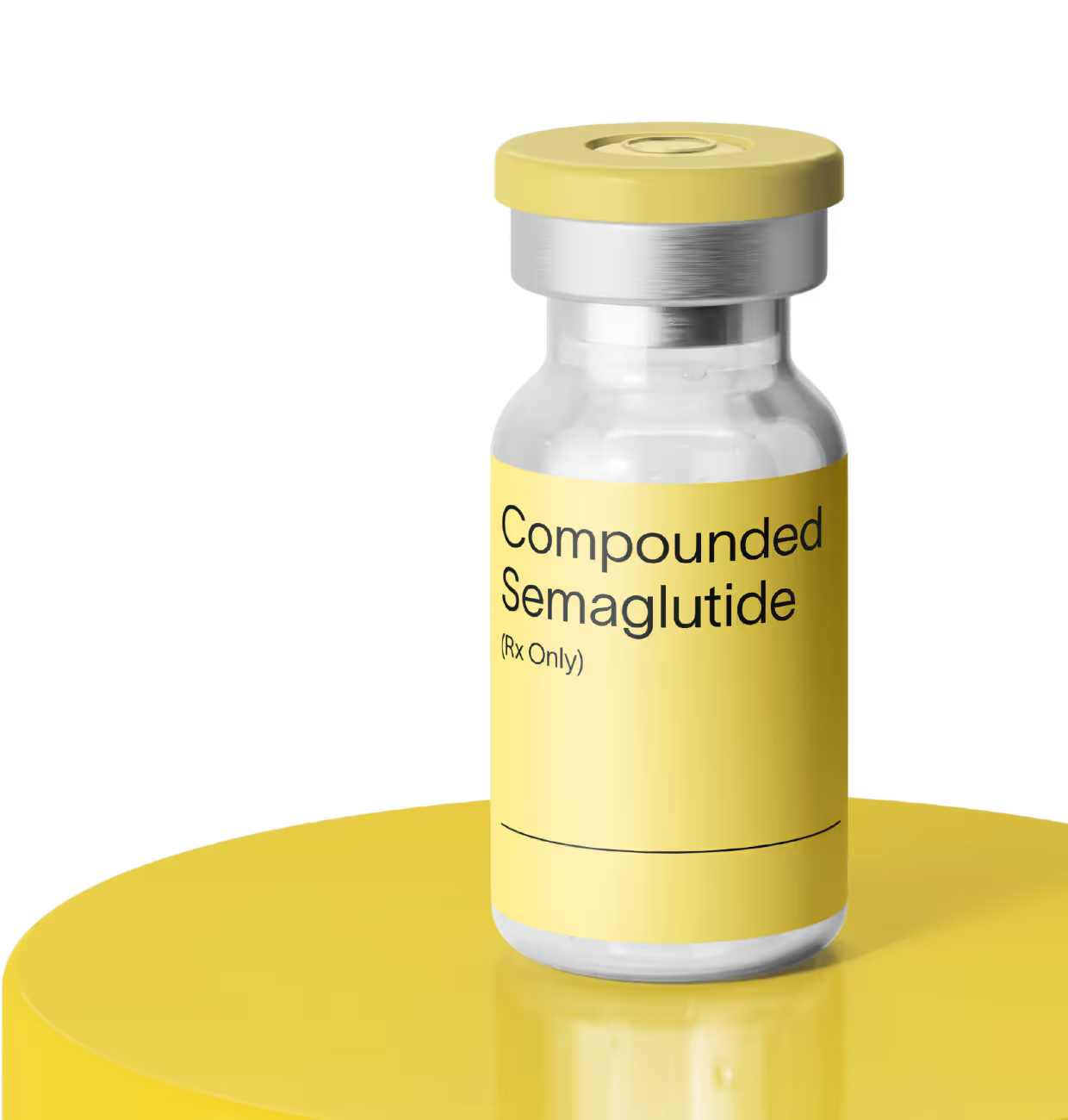
Premium Medication you can trust

Our weight loss medication is delivered straight to your doorstep from a state-licensed pharmacy within our reliable network, ensuring you receive your medication when you need it.

Each pharmacy in our network undergoes rigorous third-party testing through FDA and DEA certified labs. These tests focus on four key elements, ensuring both safety and efficacy for our treatments.

Curex is one of America’s largest telehealth providers

Together with our partners we have changed the lives of over 300,000 patients. Here’s what some of them have to say:

“Curex has performed beyond my expectations. I am feeling tremendously better and look forward to continuing the treatment.”
Becky D.
"If I could give 6 stars, I would. BEST... BEST… BEST… service.”
Ferdian K.
“The Curex staff has been professional, efficient, and really focused on my individual needs.”
Ana C.

Start your
journey now

Everything you need is included:

Online consultation

Your prescription

Premium medication

Overnight shipping

Ongoing support

A weight management program tailored to you

Initial Dosage

Your initial medication and dosage are carefully determined by doctors, taking into account your unique health profile. This ensures a personalized and safe treatment plan tailored to your specific needs.

Titration

We gradually adjust your dosage to reach the optimal therapeutic level, ensuring maximum effectiveness while minimizing potential side effects.

Additional Treatments

Our providers may also recommend medications such as metformin or supplements such as vitamin B12. We recognize the importance of managing side effects, so your care plan may include medication to alleviate them.

Got questions? We have answers.

What are the benefits of Bee Pollen?


Mood and Cognitive Fluctuations

 
  • Description: The nutrients from bee pollen contribute to neurotransmitter synthesis; a reduction can lead to mood imbalances, irritability, and issues with concentration.
 
How should I take Bee Pollen?


Delayed Tissue Repair

 
  • Description: Bee pollen supports cell regeneration and repair processes. A low intake might slow wound healing and recovery from physical stress or injury due to reduced growth factor support.
 
Does Bee Pollen have any side effects?
Do your plans include prescriptions and medications?

Curex plans cover everything from reviewing your medical intake to providing prescription medications, with free shipping included. There are no extra or hidden charges. Prescriptions are issued only after a medical provider reviews your information to confirm that the medication is suitable for you. Our service includes continuous support and regular follow-ups to ensure your treatment stays on track.

Our clinicians may order labs and additional medications for you, which would not be covered by the plan but for which you can use your insurance.

Please note: Compounded medications are tailored to individual needs or used in case of shortages, but they are not FDA-approved for safety or effectiveness. A prescription is required. Results may vary from person to person.

What medications do your providers prescribe?

We prioritize a personalized approach to your health. If your medical provider prescribes medication, options may include GLP-1 treatments such as compounded semaglutide. Our providers prescribe only combination treatments not available at your local pharmacy that may include vitamin B12, etc. to help you achieve your goals faster.

Depending on your treatment goals, other medications such as metformin may also be considered. We recognize the importance of managing side effects, so your care plan might include medication to ease symptoms like nausea. Your well-being is always our top priority!

Please note that compounded medications are customized to meet individual patient needs and are not FDA-approved for safety or effectiveness. A prescription is necessary. Results may vary from person to person.

Curex and its pharmacy partners do not have any association with Novo Nordisk.

Will I be prescribed semaglutide?

Your health journey is unique, and we tailor our care to match. Any prescriptions, including semaglutide, will be based on the expert assessment of the medical provider matched with you through our platform. You can trust that your treatment plan will be personalized to fit your specific needs. And if semaglutide is not prescribed, we will provide a full refund.

What is compounded medication?

Compounding involves creating customized medications to meet the specific needs of individual patients. For instance, a patient may require a liquid version of a medication that is only available in tablet form. Pharmacies can also compound medications using FDA-approved drugs that are on the FDA’s shortage list.

These compounded medications are made by state-licensed pharmacies that follow both federal and state regulations, including quality standards. However, when compounded in accordance with these laws, these medications are not subject to FDA approval and are not evaluated for safety or effectiveness.

Is compounded medication the same as generic medication?

Compounded medications differ from generic drugs. Generics require FDA approval by demonstrating bio-equivalence to the brand-name drug. In contrast, compounded medications are not FDA-approved. They are made based on a personalized prescription that may not be commercially available elsewhere or when a drug appears on the FDA’s shortage list. Compounding pharmacies must have the proper licensed facilities and comply with state and federal regulations before dispensing these medications.

Is insurance required?

No, Curex doesn’t require insurance. We offer clear and simple pricing, along with affordable medication options, making it easy and accessible to take care of your health.

Can I pay with an FSA or HSA card?

Yes! You can pay with your HSA or FSA card.

No items found.
Can you prescribe Ozempic®* or Wegovy®*?

Our providers focus on personalized medications and dosages that aren’t commercially available at your local pharmacy. We don’t prescribe Ozempic®* or Wegovy®.* We may prescribe treatments containing compounded semaglutide or tirzepatide. These medications are specially compounded for you by a licensed pharmacy to meet your specific needs.

Are video visits with a provider required?

Our providers will review your information 100% online. Depending on where you live and the specifics of your medical history, our providers may require you to have a video visit or asynchronous visit via text message. If prescribed, you’ll get unlimited online access to message your provider as needed for follow-ups, adjustments, and answers to your questions.

What states do you serve?

Currently, we do not serve Arkansas, Connecticut, and New Mexico. However, we are always working to expand our reach, so stay in touch with us at hi@getcurex.com.

What are the benefits of Bee Pollen?

 
Nutritional Composition & Energy
 

  • Nutrient Dense: Bee pollen is rich in vitamins, minerals, amino acids, and antioxidants that support overall health.
  • Energy Booster: Its balanced blend of carbohydrates and proteins provides a natural energy lift.
  Health and Wellness Benefits  
  • Immune Support: The antioxidants and phytonutrients help strengthen the immune system.
  • Anti-inflammatory Properties: Contains compounds that may help reduce inflammation in the body.
  • Digestive Aid: Enzymes in bee pollen can assist with digestion and improve gut health.
  • Skin Nourishment: The nutrients present contribute to healthier skin and overall cellular repair.
 
How should I take Bee Pollen?


Instructions for Taking Bee Pollen


  • Consult Your Healthcare Provider: Always discuss with a professional before beginning any new supplement, especially if you have allergies or medical conditions.
  • Start with a Small Dose: Begin with a very small amount (for example, 1/4 teaspoon) to monitor how your body reacts.
  • Gradual Increase: If no adverse effects occur, slowly increase the dosage over time as recommended by your healthcare provider.
  • Mix It In: Bee pollen can be mixed into water, juice, smoothies, or yogurt to help mask its natural taste.
  • Take with Meals: Consuming bee pollen with food may improve absorption and reduce the risk of stomach discomfort.
  • Storage: Keep bee pollen in a cool, dry place, sealed properly to preserve its freshness and nutritional content.


Does Bee Pollen have any side effects?


  • Allergic Reactions: Some individuals may experience itching, swelling, or difficulty breathing, particularly if they are allergic to pollen or bee products.
  • Gastrointestinal Discomfort: In certain cases, bee pollen can cause nausea, stomach upset, or diarrhea.
  • Medication Interactions: Bee pollen might interact with certain medications; consulting a healthcare provider is advisable if you are on prescription drugs.
  • Skin Irritation: Topical exposure may lead to irritation or redness in sensitive individuals.