Symptoms of Low CLA (Conjugated Linoleic Acid): Causes, Treatment

Learn the signs and causes of low CLA, discover its impact on health, and get tips for boosting conjugated linoleic acid through your diet.
#1 Online
Allergy Clinic
 curex user showing allergy treatment kita patient showing allergy treatment boxa male patient showing allergy drops vial
50,000+
users

gr.

Carbohydrates

gr.

Sugar

gr.

Fats

gr.

Proteins

Calories

How to Improve Your CLA (Conjugated Linoleic Acid) Level


Overview

 
  • Role of CLA: Conjugated Linoleic Acid (CLA) is a naturally occurring fatty acid known for supporting body composition, lipid metabolism, and modulating inflammatory responses.
  • Low Intake Concerns: When CLA levels are low, whether due to limited dietary intake or poor metabolic conversion, several aspects of health may be affected.
  • Dietary Sources: CLA is primarily found in the meat and dairy products of grass-fed animals, so a diet low in these foods could contribute to low CLA status.
 

Body Composition & Energy Metabolism

 
  • Fat Storage Regulation: Low CLA may reduce the body's ability to manage adipose tissue effectively, potentially leading to increased fat accumulation and challenges in maintaining a healthy body composition.
  • Energy Utilization: Adequate CLA levels are linked to improved lipid metabolism. Insufficient CLA might impair the efficient conversion of fats into energy, possibly influencing overall energy balance.
  • Lipid Profile Impact: Some studies suggest that CLA can improve the balance between good (HDL) and bad (LDL) cholesterol. Lower CLA levels might disrupt this balance, influencing cardiovascular health.
 

Inflammation & Immune Function

 
  • Anti-inflammatory Effects: CLA exhibits anti-inflammatory properties. A deficiency may mean a reduced capacity to counteract chronic, low-grade inflammation, which is linked to several chronic diseases.
  • Immune Modulation: Adequate CLA supports proper immune function. Low levels could impair immune responses, potentially leading to a heightened susceptibility to infections or inflammatory disorders.
 

Long-Term Health Considerations

 
  • Metabolic Health: Consistently low levels of CLA might be associated with an increased risk of developing metabolic disturbances, such as insulin resistance and type 2 diabetes.
  • Cardiovascular Risks: An imbalanced lipid profile related to low CLA could contribute to elevated blood pressure and the progression of atherosclerosis, thereby increasing the risk of cardiovascular diseases.
  • Oxidative Stress: CLA has antioxidant properties. Lower amounts may compromise the body's defenses against oxidative stress, potentially exacerbating cellular damage over time.
 

Stay on track—experience the next level of support with weight loss medication

Learn More

What Causes CLA (Conjugated Linoleic Acid) to Drop

Metabolic and Physiological Factors

  • Impaired Digestion or Absorption: Gastrointestinal issues or malabsorption disorders could hinder the uptake of dietary fats, including CLA.
  • Inefficient Enzymatic Conversion: Variability in metabolic enzyme activity may reduce the body's ability to convert precursors into CLA effectively.
woman laying on a field of grass smiling

What Happens if Your CLA (Conjugated Linoleic Acid) Is Low

Dietary Factors

  • Limited Natural Sources: Low consumption of foods naturally rich in CLA such as grass-fed meat and dairy products can lead to decreased CLA levels.
  • Low Fat Intake: A diet that is very low in fat may diminish the availability of essential fatty acid precursors required for CLA synthesis.

Boost Your Progress with our Weight Loss Medication for Better Fat Loss

Learn More

What Food Has the Most CLA (Conjugated Linoleic Acid)

Weight Management Challenges

  • Easier fat accumulation: Low CLA levels may impair lipid metabolism, contributing to increased body fat and difficulty managing weight.

Increased Inflammation

  • Heightened inflammatory responses: Insufficient CLA can lead to elevated markers of inflammation, potentially affecting overall health.

Reduced Immune Function

  • Weakened defense system: A deficiency in CLA may compromise the immune system, reducing its ability to ward off infections effectively.

Challenges in Maintaining Lean Muscle

  • Muscle synthesis issues: Low CLA levels might interfere with muscle repair and maintenance, impacting lean body mass.

Your health matters. Lose weight safely and efffectively with Curex

gr.

Carbohydrates

gr.

Sugar

gr.

Fats

gr.

Proteins

Calories

How to Improve Your CLA (Conjugated Linoleic Acid) Level


Overview

 
  • Role of CLA: Conjugated Linoleic Acid (CLA) is a naturally occurring fatty acid known for supporting body composition, lipid metabolism, and modulating inflammatory responses.
  • Low Intake Concerns: When CLA levels are low, whether due to limited dietary intake or poor metabolic conversion, several aspects of health may be affected.
  • Dietary Sources: CLA is primarily found in the meat and dairy products of grass-fed animals, so a diet low in these foods could contribute to low CLA status.
 

Body Composition & Energy Metabolism

 
  • Fat Storage Regulation: Low CLA may reduce the body's ability to manage adipose tissue effectively, potentially leading to increased fat accumulation and challenges in maintaining a healthy body composition.
  • Energy Utilization: Adequate CLA levels are linked to improved lipid metabolism. Insufficient CLA might impair the efficient conversion of fats into energy, possibly influencing overall energy balance.
  • Lipid Profile Impact: Some studies suggest that CLA can improve the balance between good (HDL) and bad (LDL) cholesterol. Lower CLA levels might disrupt this balance, influencing cardiovascular health.
 

Inflammation & Immune Function

 
  • Anti-inflammatory Effects: CLA exhibits anti-inflammatory properties. A deficiency may mean a reduced capacity to counteract chronic, low-grade inflammation, which is linked to several chronic diseases.
  • Immune Modulation: Adequate CLA supports proper immune function. Low levels could impair immune responses, potentially leading to a heightened susceptibility to infections or inflammatory disorders.
 

Long-Term Health Considerations

 
  • Metabolic Health: Consistently low levels of CLA might be associated with an increased risk of developing metabolic disturbances, such as insulin resistance and type 2 diabetes.
  • Cardiovascular Risks: An imbalanced lipid profile related to low CLA could contribute to elevated blood pressure and the progression of atherosclerosis, thereby increasing the risk of cardiovascular diseases.
  • Oxidative Stress: CLA has antioxidant properties. Lower amounts may compromise the body's defenses against oxidative stress, potentially exacerbating cellular damage over time.
 

Combine supplements for faster results—try our meds

Learn More

What Causes CLA (Conjugated Linoleic Acid) to Drop

woman laying on a field of grass smiling

Jumpstart your journey with our medications

Learn More

Combine supplements for faster results—try our meds

Learn More

What Happens if Your CLA (Conjugated Linoleic Acid) Is Low


Understand CLA and Its Benefits

 
  • What is CLA? Conjugated Linoleic Acid (CLA) is a group of fatty acids naturally found in some animal products. It has been linked to various health benefits, including improved immune function, potential anti-carcinogenic properties, and assistance in reducing body fat.
  • Mechanism of Action: CLA may help in modulating metabolism by influencing enzymes related to fat storage and combustion, potentially promoting a leaner body profile.


Dietary Sources for Improving CLA Levels

 
  • Grass-Fed Animal Products: Opt for meat and dairy sourced from grass-fed animals, as these products contain significantly higher levels of CLA compared to grain-fed alternatives.
  • Organic Dairy Products: Incorporate organic milk, cheese, and yogurt into your diet since organic farming practices tend to favor pasture grazing, enriching the CLA content.
  • Natural Fats: Use natural fats from grass-fed butter or ghee in your cooking to boost your CLA intake without relying solely on processed alternatives.


Supplementation Strategies

 
  • CLA Supplements: Consider high-quality CLA supplements if dietary sources are limited. Ensure the product is from a reputable source and clearly states the dosage of active isomers.
  • Combination with Other Nutrients: CLA uptake might be enhanced when combined with other healthy fats (like omega-3 fatty acids), so a balanced fatty acid intake is beneficial.
  • Dosing Guidance: While some studies suggest doses around 3-6 grams per day may have effects on body composition, always consult with a healthcare professional to determine the proper dose based on individual needs.


Incorporate Healthy Cooking Practices

 
  • Low-Heat Cooking: To preserve the natural quality of CLA in foods, use low-heat cooking methods such as steaming, slow cooking, or baking instead of high-temperature frying.
  • Avoid Over-Processing: Overcooking or using processed meats and dairy can reduce the integrity of CLA, so prioritize whole and minimally processed options.


Lifestyle and Dietary Considerations

 
  • Balanced Diet: Integrate CLA-rich foods into an overall balanced diet rich in fruits, vegetables, whole grains, and other essential nutrients to support overall metabolic health.
  • Regular Exercise: Physical activity may enhance the metabolic benefits of CLA, aiding in fat metabolism when combined with dietary strategies.
  • Monitor and Adjust: Track your dietary intake and observe changes in your body composition. Collaborate with a nutritionist to adjust your diet based on progress and personal health goals.


Safety and Personalized Recommendations

 
  • Consultation: Always consult with a healthcare provider or nutritionist for personalized advice, especially if you have existing health conditions or are taking medications.
  • Quality Assurance: Choose supplements and food sources that have been tested for safety and quality to avoid contaminants or subpar nutrient profiles.
  • Monitor Side Effects: While CLA is generally well-tolerated, some individuals may experience minor gastrointestinal issues. Adjust intake if adverse effects occur.

Boost Your Progress with our Weight Loss Medication for Better Fat Loss

Learn More

Signs Your CLA (Conjugated Linoleic Acid) Is Low

Dietary Factors

  • Limited Natural Sources: Low consumption of foods naturally rich in CLA such as grass-fed meat and dairy products can lead to decreased CLA levels.
  • Low Fat Intake: A diet that is very low in fat may diminish the availability of essential fatty acid precursors required for CLA synthesis.

Metabolic and Physiological Factors

  • Impaired Digestion or Absorption: Gastrointestinal issues or malabsorption disorders could hinder the uptake of dietary fats, including CLA.
  • Inefficient Enzymatic Conversion: Variability in metabolic enzyme activity may reduce the body's ability to convert precursors into CLA effectively.

Microbial and Medication Influences

  • Gut Flora Imbalance: A disrupted intestinal microbiota can impair the conversion process of fatty acids, leading to lower CLA synthesis.
  • Medication Interactions: Certain medications may interfere with lipid metabolism, indirectly contributing to reduced CLA levels.

Supercharge weight loss: pair whey with our meds

What Food Has the Most CLA (Conjugated Linoleic Acid)

Weight Management Challenges

  • Easier fat accumulation: Low CLA levels may impair lipid metabolism, contributing to increased body fat and difficulty managing weight.

Increased Inflammation

  • Heightened inflammatory responses: Insufficient CLA can lead to elevated markers of inflammation, potentially affecting overall health.

Reduced Immune Function

  • Weakened defense system: A deficiency in CLA may compromise the immune system, reducing its ability to ward off infections effectively.

Challenges in Maintaining Lean Muscle

  • Muscle synthesis issues: Low CLA levels might interfere with muscle repair and maintenance, impacting lean body mass.

Your health matters. Lose weight safely and effectively with Curex

Stay safe—shed pounds with our proven medications

Learn More

Does CLA (Conjugated Linoleic Acid) aid in weight loss?

 
Scientific Evidence
 

  • Modest Fat Loss: Some studies suggest that CLA may support modest reductions in body fat, but the overall impact on weight loss is limited.
  • Mixed Results: Research findings are inconsistent; while some trials report slight improvements in body composition, many show minimal effects.
  • Mechanism of Action: CLA is thought to influence enzymes related to fat metabolism, potentially altering how the body stores and burns fat.
  • Individual Variation: The response to CLA supplementation can vary significantly from person to person.
  Considerations  
  • Supplement Quality: The effectiveness of CLA largely depends on the product quality and the dosage used.
  • Lifestyle Integration: For noticeable weight loss, CLA should be combined with a balanced diet and regular exercise rather than relied upon as a sole solution.
  • Safety and Consultation: The long-term safety and efficacy of CLA require further study, so it is advisable to consult with a healthcare provider before starting supplementation.
 

How much CLA (Conjugated Linoleic Acid) should I take daily?


CLA Dosage Guidelines


  • General Use: Research studies often use between 3 to 6 grams of CLA per day.
  • Starting Dose: Consider starting with 1.5 to 3 grams daily to evaluate how your body responds.
  • Dosing Method: Splitting the total daily amount into two or three servings with meals may enhance absorption and reduce possible side effects.
  • Consultation: Always consult a healthcare professional before starting CLA, as individual needs and potential interactions must be evaluated.


Is CLA (Conjugated Linoleic Acid) safe for long-term use?


CLA's Long-term Safety


  • Research: Studies show that CLA is generally well-tolerated when used at recommended doses over the short to medium term, but there is limited long-term safety data beyond one to two years.
  • Dosage: Safe use of CLA is dose-dependent. Excessive intake may lead to gastrointestinal discomfort, changes in body composition, and potential impacts on liver and insulin sensitivity.
  • Monitoring: For those considering CLA for long-term use, regular monitoring and consultation with a healthcare professional are recommended, especially for individuals with pre-existing health conditions.
  • Individual Differences: Responses to CLA supplementation can vary; what is safe for one person might not be for another, so personalized advice is important.
  • Conclusion: CLA may be safe when used appropriately in the short term, but its long-term safety is not fully established. Caution and professional guidance are advised for prolonged use.


Still have questions? Our weight-loss meds have answers

Weight Management Challenges

  • Easier fat accumulation: Low CLA levels may impair lipid metabolism, contributing to increased body fat and difficulty managing weight.

Increased Inflammation

  • Heightened inflammatory responses: Insufficient CLA can lead to elevated markers of inflammation, potentially affecting overall health.

Reduced Immune Function

  • Weakened defense system: A deficiency in CLA may compromise the immune system, reducing its ability to ward off infections effectively.

Challenges in Maintaining Lean Muscle

  • Muscle synthesis issues: Low CLA levels might interfere with muscle repair and maintenance, impacting lean body mass.

Boost Any Diet with our Weight Loss Medication for Better Fat Loss

Learn More

What Happens if Your CLA (Conjugated Linoleic Acid) Is Low

Dietary Factors

  • Limited Natural Sources: Low consumption of foods naturally rich in CLA such as grass-fed meat and dairy products can lead to decreased CLA levels.
  • Low Fat Intake: A diet that is very low in fat may diminish the availability of essential fatty acid precursors required for CLA synthesis.

Metabolic and Physiological Factors

  • Impaired Digestion or Absorption: Gastrointestinal issues or malabsorption disorders could hinder the uptake of dietary fats, including CLA.
  • Inefficient Enzymatic Conversion: Variability in metabolic enzyme activity may reduce the body's ability to convert precursors into CLA effectively.

Microbial and Medication Influences

  • Gut Flora Imbalance: A disrupted intestinal microbiota can impair the conversion process of fatty acids, leading to lower CLA synthesis.
  • Medication Interactions: Certain medications may interfere with lipid metabolism, indirectly contributing to reduced CLA levels.

Want Results That Last? Add our Weight-Loss Medication

woman laying on a field of grass smiling

What Food Has the Most CLA (Conjugated Linoleic Acid)


Key Sources of CLA

 
  • Grass-Fed Beef: Beef from grass-fed cattle contains some of the highest levels of CLA as a result of their natural, forage-based diet.
  • Full-Fat Dairy Products: Products such as milk, cheese, and butter provide significant amounts of CLA; dairy fat from grass-fed cows is especially rich in this compound.
  • Lamb: Lamb, particularly from pasture-raised animals, is another excellent source of CLA due to similar digestive mechanisms as found in cattle.
  • Other Ruminant Meats: Meats from other ruminants like goat and buffalo also contribute to your CLA intake, albeit generally at lower levels than beef and lamb.
 

Additional Insights

 
  • Animal Diet is Crucial: The CLA content is strongly influenced by the animal's diet; grass-fed options tend to have higher CLA compared to grain-fed alternatives.
  • Health Implications: Research suggests that CLA may assist in reducing body fat, supporting immune function, and even exerting anti-carcinogenic effects, though more studies are needed for definitive conclusions.
  • Processing Effects: Keep in mind that processing and high-heat treatments can decrease CLA levels, so opting for fresh, minimally processed foods is ideal.
 

Practical Tips to Boost CLA Intake

 
  • Choose Grass-Fed: When possible, select grass-fed beef and dairy products to benefit from higher CLA levels and additional nutrients.
  • Balance Your Diet: Incorporate these high-CLA foods as part of a balanced diet that includes a variety of fruits, vegetables, whole grains, and lean proteins.
  • Portion Control: While CLA offers potential health benefits, it should be consumed in moderation as part of an overall healthy fat intake.
  • Consult a Professional: If you are considering CLA for specific health outcomes, consulting with a nutritionist can help tailor an optimal dietary plan.
 

Simple Changes, Stunning Results—Combine Your Diet with Our Weight Loss Medication

Learn More

What Causes CLA (Conjugated Linoleic Acid) to Drop

 
Scientific Evidence
 

  • Modest Fat Loss: Some studies suggest that CLA may support modest reductions in body fat, but the overall impact on weight loss is limited.
  • Mixed Results: Research findings are inconsistent; while some trials report slight improvements in body composition, many show minimal effects.
  • Mechanism of Action: CLA is thought to influence enzymes related to fat metabolism, potentially altering how the body stores and burns fat.
  • Individual Variation: The response to CLA supplementation can vary significantly from person to person.
  Considerations  
  • Supplement Quality: The effectiveness of CLA largely depends on the product quality and the dosage used.
  • Lifestyle Integration: For noticeable weight loss, CLA should be combined with a balanced diet and regular exercise rather than relied upon as a sole solution.
  • Safety and Consultation: The long-term safety and efficacy of CLA require further study, so it is advisable to consult with a healthcare provider before starting supplementation.


CLA Dosage Guidelines


  • General Use: Research studies often use between 3 to 6 grams of CLA per day.
  • Starting Dose: Consider starting with 1.5 to 3 grams daily to evaluate how your body responds.
  • Dosing Method: Splitting the total daily amount into two or three servings with meals may enhance absorption and reduce possible side effects.
  • Consultation: Always consult a healthcare professional before starting CLA, as individual needs and potential interactions must be evaluated.


CLA's Long-term Safety


  • Research: Studies show that CLA is generally well-tolerated when used at recommended doses over the short to medium term, but there is limited long-term safety data beyond one to two years.
  • Dosage: Safe use of CLA is dose-dependent. Excessive intake may lead to gastrointestinal discomfort, changes in body composition, and potential impacts on liver and insulin sensitivity.
  • Monitoring: For those considering CLA for long-term use, regular monitoring and consultation with a healthcare professional are recommended, especially for individuals with pre-existing health conditions.
  • Individual Differences: Responses to CLA supplementation can vary; what is safe for one person might not be for another, so personalized advice is important.
  • Conclusion: CLA may be safe when used appropriately in the short term, but its long-term safety is not fully established. Caution and professional guidance are advised for prolonged use.


Achieve your maximum potential: combine this plan with our weight loss medication

How to Improve Your CLA (Conjugated Linoleic Acid) Level

woman laying on a field of grass smiling

Symptoms of Low CLA (Conjugated Linoleic Acid): Causes, Treatment


Overview

 
  • Role of CLA: Conjugated Linoleic Acid (CLA) is a naturally occurring fatty acid known for supporting body composition, lipid metabolism, and modulating inflammatory responses.
  • Low Intake Concerns: When CLA levels are low, whether due to limited dietary intake or poor metabolic conversion, several aspects of health may be affected.
  • Dietary Sources: CLA is primarily found in the meat and dairy products of grass-fed animals, so a diet low in these foods could contribute to low CLA status.
 

Body Composition & Energy Metabolism

 
  • Fat Storage Regulation: Low CLA may reduce the body's ability to manage adipose tissue effectively, potentially leading to increased fat accumulation and challenges in maintaining a healthy body composition.
  • Energy Utilization: Adequate CLA levels are linked to improved lipid metabolism. Insufficient CLA might impair the efficient conversion of fats into energy, possibly influencing overall energy balance.
  • Lipid Profile Impact: Some studies suggest that CLA can improve the balance between good (HDL) and bad (LDL) cholesterol. Lower CLA levels might disrupt this balance, influencing cardiovascular health.
 

Inflammation & Immune Function

 
  • Anti-inflammatory Effects: CLA exhibits anti-inflammatory properties. A deficiency may mean a reduced capacity to counteract chronic, low-grade inflammation, which is linked to several chronic diseases.
  • Immune Modulation: Adequate CLA supports proper immune function. Low levels could impair immune responses, potentially leading to a heightened susceptibility to infections or inflammatory disorders.
 

Long-Term Health Considerations

 
  • Metabolic Health: Consistently low levels of CLA might be associated with an increased risk of developing metabolic disturbances, such as insulin resistance and type 2 diabetes.
  • Cardiovascular Risks: An imbalanced lipid profile related to low CLA could contribute to elevated blood pressure and the progression of atherosclerosis, thereby increasing the risk of cardiovascular diseases.
  • Oxidative Stress: CLA has antioxidant properties. Lower amounts may compromise the body's defenses against oxidative stress, potentially exacerbating cellular damage over time.
 

Signs Your CLA (Conjugated Linoleic Acid) Is Low

Weight Management Challenges

  • Easier fat accumulation: Low CLA levels may impair lipid metabolism, contributing to increased body fat and difficulty managing weight.

Increased Inflammation

  • Heightened inflammatory responses: Insufficient CLA can lead to elevated markers of inflammation, potentially affecting overall health.

Reduced Immune Function

  • Weakened defense system: A deficiency in CLA may compromise the immune system, reducing its ability to ward off infections effectively.

Challenges in Maintaining Lean Muscle

  • Muscle synthesis issues: Low CLA levels might interfere with muscle repair and maintenance, impacting lean body mass.

Insulin Resistance and Metabolic Imbalance

  • Impaired glucose metabolism: A deficiency in CLA may contribute to decreased insulin sensitivity and metabolic dysregulation.

Skin and Hair Health Disturbances

  • Dry or irritated skin: Low CLA levels can affect cell membrane integrity, potentially leading to skin issues, including dryness and altered hair health.

Studies show low Vitamin C can make your body burn 30% less fat during exercise​
Don’t let a deficiency hold back your weight loss – see how our medication can help accelerate your results

What Happens if Your CLA (Conjugated Linoleic Acid) Is Low


Overview

 
  • Role of CLA: Conjugated Linoleic Acid (CLA) is a naturally occurring fatty acid known for supporting body composition, lipid metabolism, and modulating inflammatory responses.
  • Low Intake Concerns: When CLA levels are low, whether due to limited dietary intake or poor metabolic conversion, several aspects of health may be affected.
  • Dietary Sources: CLA is primarily found in the meat and dairy products of grass-fed animals, so a diet low in these foods could contribute to low CLA status.
 

Body Composition & Energy Metabolism

 
  • Fat Storage Regulation: Low CLA may reduce the body's ability to manage adipose tissue effectively, potentially leading to increased fat accumulation and challenges in maintaining a healthy body composition.
  • Energy Utilization: Adequate CLA levels are linked to improved lipid metabolism. Insufficient CLA might impair the efficient conversion of fats into energy, possibly influencing overall energy balance.
  • Lipid Profile Impact: Some studies suggest that CLA can improve the balance between good (HDL) and bad (LDL) cholesterol. Lower CLA levels might disrupt this balance, influencing cardiovascular health.
 

Inflammation & Immune Function

 
  • Anti-inflammatory Effects: CLA exhibits anti-inflammatory properties. A deficiency may mean a reduced capacity to counteract chronic, low-grade inflammation, which is linked to several chronic diseases.
  • Immune Modulation: Adequate CLA supports proper immune function. Low levels could impair immune responses, potentially leading to a heightened susceptibility to infections or inflammatory disorders.
 

Long-Term Health Considerations

 
  • Metabolic Health: Consistently low levels of CLA might be associated with an increased risk of developing metabolic disturbances, such as insulin resistance and type 2 diabetes.
  • Cardiovascular Risks: An imbalanced lipid profile related to low CLA could contribute to elevated blood pressure and the progression of atherosclerosis, thereby increasing the risk of cardiovascular diseases.
  • Oxidative Stress: CLA has antioxidant properties. Lower amounts may compromise the body's defenses against oxidative stress, potentially exacerbating cellular damage over time.
 

Our weight loss medication is designed to tackle slow fat burning so you can shed those extra inches – get started now.

Learn More

What Causes CLA (Conjugated Linoleic Acid) to Drop

Dietary Factors

  • Limited Natural Sources: Low consumption of foods naturally rich in CLA such as grass-fed meat and dairy products can lead to decreased CLA levels.
  • Low Fat Intake: A diet that is very low in fat may diminish the availability of essential fatty acid precursors required for CLA synthesis.

Metabolic and Physiological Factors

  • Impaired Digestion or Absorption: Gastrointestinal issues or malabsorption disorders could hinder the uptake of dietary fats, including CLA.
  • Inefficient Enzymatic Conversion: Variability in metabolic enzyme activity may reduce the body's ability to convert precursors into CLA effectively.

Microbial and Medication Influences

  • Gut Flora Imbalance: A disrupted intestinal microbiota can impair the conversion process of fatty acids, leading to lower CLA synthesis.
  • Medication Interactions: Certain medications may interfere with lipid metabolism, indirectly contributing to reduced CLA levels.

Not getting enough fruits and veggies?
A nutrient-poor diet can leave you low in Vitamins and struggling with weight.
Our weight loss medication helps boost your metabolism even when nutritional gaps hold you back.

Curex oral dissolving tablets (ODT)

How to Improve Your CLA (Conjugated Linoleic Acid) Level


Understand CLA and Its Benefits

 
  • What is CLA? Conjugated Linoleic Acid (CLA) is a group of fatty acids naturally found in some animal products. It has been linked to various health benefits, including improved immune function, potential anti-carcinogenic properties, and assistance in reducing body fat.
  • Mechanism of Action: CLA may help in modulating metabolism by influencing enzymes related to fat storage and combustion, potentially promoting a leaner body profile.


Dietary Sources for Improving CLA Levels

 
  • Grass-Fed Animal Products: Opt for meat and dairy sourced from grass-fed animals, as these products contain significantly higher levels of CLA compared to grain-fed alternatives.
  • Organic Dairy Products: Incorporate organic milk, cheese, and yogurt into your diet since organic farming practices tend to favor pasture grazing, enriching the CLA content.
  • Natural Fats: Use natural fats from grass-fed butter or ghee in your cooking to boost your CLA intake without relying solely on processed alternatives.


Supplementation Strategies

 
  • CLA Supplements: Consider high-quality CLA supplements if dietary sources are limited. Ensure the product is from a reputable source and clearly states the dosage of active isomers.
  • Combination with Other Nutrients: CLA uptake might be enhanced when combined with other healthy fats (like omega-3 fatty acids), so a balanced fatty acid intake is beneficial.
  • Dosing Guidance: While some studies suggest doses around 3-6 grams per day may have effects on body composition, always consult with a healthcare professional to determine the proper dose based on individual needs.


Incorporate Healthy Cooking Practices

 
  • Low-Heat Cooking: To preserve the natural quality of CLA in foods, use low-heat cooking methods such as steaming, slow cooking, or baking instead of high-temperature frying.
  • Avoid Over-Processing: Overcooking or using processed meats and dairy can reduce the integrity of CLA, so prioritize whole and minimally processed options.


Lifestyle and Dietary Considerations

 
  • Balanced Diet: Integrate CLA-rich foods into an overall balanced diet rich in fruits, vegetables, whole grains, and other essential nutrients to support overall metabolic health.
  • Regular Exercise: Physical activity may enhance the metabolic benefits of CLA, aiding in fat metabolism when combined with dietary strategies.
  • Monitor and Adjust: Track your dietary intake and observe changes in your body composition. Collaborate with a nutritionist to adjust your diet based on progress and personal health goals.


Safety and Personalized Recommendations

 
  • Consultation: Always consult with a healthcare provider or nutritionist for personalized advice, especially if you have existing health conditions or are taking medications.
  • Quality Assurance: Choose supplements and food sources that have been tested for safety and quality to avoid contaminants or subpar nutrient profiles.
  • Monitor Side Effects: While CLA is generally well-tolerated, some individuals may experience minor gastrointestinal issues. Adjust intake if adverse effects occur.

Combine supplements for faster results—try our meds

Learn More

What Food Has the Most CLA (Conjugated Linoleic Acid)


Key Sources of CLA

 
  • Grass-Fed Beef: Beef from grass-fed cattle contains some of the highest levels of CLA as a result of their natural, forage-based diet.
  • Full-Fat Dairy Products: Products such as milk, cheese, and butter provide significant amounts of CLA; dairy fat from grass-fed cows is especially rich in this compound.
  • Lamb: Lamb, particularly from pasture-raised animals, is another excellent source of CLA due to similar digestive mechanisms as found in cattle.
  • Other Ruminant Meats: Meats from other ruminants like goat and buffalo also contribute to your CLA intake, albeit generally at lower levels than beef and lamb.
 

Additional Insights

 
  • Animal Diet is Crucial: The CLA content is strongly influenced by the animal's diet; grass-fed options tend to have higher CLA compared to grain-fed alternatives.
  • Health Implications: Research suggests that CLA may assist in reducing body fat, supporting immune function, and even exerting anti-carcinogenic effects, though more studies are needed for definitive conclusions.
  • Processing Effects: Keep in mind that processing and high-heat treatments can decrease CLA levels, so opting for fresh, minimally processed foods is ideal.
 

Practical Tips to Boost CLA Intake

 
  • Choose Grass-Fed: When possible, select grass-fed beef and dairy products to benefit from higher CLA levels and additional nutrients.
  • Balance Your Diet: Incorporate these high-CLA foods as part of a balanced diet that includes a variety of fruits, vegetables, whole grains, and lean proteins.
  • Portion Control: While CLA offers potential health benefits, it should be consumed in moderation as part of an overall healthy fat intake.
  • Consult a Professional: If you are considering CLA for specific health outcomes, consulting with a nutritionist can help tailor an optimal dietary plan.
 

Does CLA (Conjugated Linoleic Acid) aid in weight loss?

 
Scientific Evidence
 

  • Modest Fat Loss: Some studies suggest that CLA may support modest reductions in body fat, but the overall impact on weight loss is limited.
  • Mixed Results: Research findings are inconsistent; while some trials report slight improvements in body composition, many show minimal effects.
  • Mechanism of Action: CLA is thought to influence enzymes related to fat metabolism, potentially altering how the body stores and burns fat.
  • Individual Variation: The response to CLA supplementation can vary significantly from person to person.
  Considerations  
  • Supplement Quality: The effectiveness of CLA largely depends on the product quality and the dosage used.
  • Lifestyle Integration: For noticeable weight loss, CLA should be combined with a balanced diet and regular exercise rather than relied upon as a sole solution.
  • Safety and Consultation: The long-term safety and efficacy of CLA require further study, so it is advisable to consult with a healthcare provider before starting supplementation.
 

How much CLA (Conjugated Linoleic Acid) should I take daily?


CLA Dosage Guidelines


  • General Use: Research studies often use between 3 to 6 grams of CLA per day.
  • Starting Dose: Consider starting with 1.5 to 3 grams daily to evaluate how your body responds.
  • Dosing Method: Splitting the total daily amount into two or three servings with meals may enhance absorption and reduce possible side effects.
  • Consultation: Always consult a healthcare professional before starting CLA, as individual needs and potential interactions must be evaluated.


Is CLA (Conjugated Linoleic Acid) safe for long-term use?


CLA's Long-term Safety


  • Research: Studies show that CLA is generally well-tolerated when used at recommended doses over the short to medium term, but there is limited long-term safety data beyond one to two years.
  • Dosage: Safe use of CLA is dose-dependent. Excessive intake may lead to gastrointestinal discomfort, changes in body composition, and potential impacts on liver and insulin sensitivity.
  • Monitoring: For those considering CLA for long-term use, regular monitoring and consultation with a healthcare professional are recommended, especially for individuals with pre-existing health conditions.
  • Individual Differences: Responses to CLA supplementation can vary; what is safe for one person might not be for another, so personalized advice is important.
  • Conclusion: CLA may be safe when used appropriately in the short term, but its long-term safety is not fully established. Caution and professional guidance are advised for prolonged use.


Still have questions?

We have answers. Book a consultation

Still have questions? Our weight-loss meds have answers


Overview

 
  • Role of CLA: Conjugated Linoleic Acid (CLA) is a naturally occurring fatty acid known for supporting body composition, lipid metabolism, and modulating inflammatory responses.
  • Low Intake Concerns: When CLA levels are low, whether due to limited dietary intake or poor metabolic conversion, several aspects of health may be affected.
  • Dietary Sources: CLA is primarily found in the meat and dairy products of grass-fed animals, so a diet low in these foods could contribute to low CLA status.
 

Body Composition & Energy Metabolism

 
  • Fat Storage Regulation: Low CLA may reduce the body's ability to manage adipose tissue effectively, potentially leading to increased fat accumulation and challenges in maintaining a healthy body composition.
  • Energy Utilization: Adequate CLA levels are linked to improved lipid metabolism. Insufficient CLA might impair the efficient conversion of fats into energy, possibly influencing overall energy balance.
  • Lipid Profile Impact: Some studies suggest that CLA can improve the balance between good (HDL) and bad (LDL) cholesterol. Lower CLA levels might disrupt this balance, influencing cardiovascular health.
 

Inflammation & Immune Function

 
  • Anti-inflammatory Effects: CLA exhibits anti-inflammatory properties. A deficiency may mean a reduced capacity to counteract chronic, low-grade inflammation, which is linked to several chronic diseases.
  • Immune Modulation: Adequate CLA supports proper immune function. Low levels could impair immune responses, potentially leading to a heightened susceptibility to infections or inflammatory disorders.
 

Long-Term Health Considerations

 
  • Metabolic Health: Consistently low levels of CLA might be associated with an increased risk of developing metabolic disturbances, such as insulin resistance and type 2 diabetes.
  • Cardiovascular Risks: An imbalanced lipid profile related to low CLA could contribute to elevated blood pressure and the progression of atherosclerosis, thereby increasing the risk of cardiovascular diseases.
  • Oxidative Stress: CLA has antioxidant properties. Lower amounts may compromise the body's defenses against oxidative stress, potentially exacerbating cellular damage over time.
 

Our weight loss medication is designed to tackle slow fat burning so you can shed those extra inches – get started now.

Learn More

What Happens if Your CLA (Conjugated Linoleic Acid) Is Low

Dietary Factors

  • Limited Natural Sources: Low consumption of foods naturally rich in CLA such as grass-fed meat and dairy products can lead to decreased CLA levels.
  • Low Fat Intake: A diet that is very low in fat may diminish the availability of essential fatty acid precursors required for CLA synthesis.

Metabolic and Physiological Factors

  • Impaired Digestion or Absorption: Gastrointestinal issues or malabsorption disorders could hinder the uptake of dietary fats, including CLA.
  • Inefficient Enzymatic Conversion: Variability in metabolic enzyme activity may reduce the body's ability to convert precursors into CLA effectively.

Microbial and Medication Influences

  • Gut Flora Imbalance: A disrupted intestinal microbiota can impair the conversion process of fatty acids, leading to lower CLA synthesis.
  • Medication Interactions: Certain medications may interfere with lipid metabolism, indirectly contributing to reduced CLA levels.

What Causes CLA (Conjugated Linoleic Acid) to Drop


Understand CLA and Its Benefits

 
  • What is CLA? Conjugated Linoleic Acid (CLA) is a group of fatty acids naturally found in some animal products. It has been linked to various health benefits, including improved immune function, potential anti-carcinogenic properties, and assistance in reducing body fat.
  • Mechanism of Action: CLA may help in modulating metabolism by influencing enzymes related to fat storage and combustion, potentially promoting a leaner body profile.


Dietary Sources for Improving CLA Levels

 
  • Grass-Fed Animal Products: Opt for meat and dairy sourced from grass-fed animals, as these products contain significantly higher levels of CLA compared to grain-fed alternatives.
  • Organic Dairy Products: Incorporate organic milk, cheese, and yogurt into your diet since organic farming practices tend to favor pasture grazing, enriching the CLA content.
  • Natural Fats: Use natural fats from grass-fed butter or ghee in your cooking to boost your CLA intake without relying solely on processed alternatives.


Supplementation Strategies

 
  • CLA Supplements: Consider high-quality CLA supplements if dietary sources are limited. Ensure the product is from a reputable source and clearly states the dosage of active isomers.
  • Combination with Other Nutrients: CLA uptake might be enhanced when combined with other healthy fats (like omega-3 fatty acids), so a balanced fatty acid intake is beneficial.
  • Dosing Guidance: While some studies suggest doses around 3-6 grams per day may have effects on body composition, always consult with a healthcare professional to determine the proper dose based on individual needs.


Incorporate Healthy Cooking Practices

 
  • Low-Heat Cooking: To preserve the natural quality of CLA in foods, use low-heat cooking methods such as steaming, slow cooking, or baking instead of high-temperature frying.
  • Avoid Over-Processing: Overcooking or using processed meats and dairy can reduce the integrity of CLA, so prioritize whole and minimally processed options.


Lifestyle and Dietary Considerations

 
  • Balanced Diet: Integrate CLA-rich foods into an overall balanced diet rich in fruits, vegetables, whole grains, and other essential nutrients to support overall metabolic health.
  • Regular Exercise: Physical activity may enhance the metabolic benefits of CLA, aiding in fat metabolism when combined with dietary strategies.
  • Monitor and Adjust: Track your dietary intake and observe changes in your body composition. Collaborate with a nutritionist to adjust your diet based on progress and personal health goals.


Safety and Personalized Recommendations

 
  • Consultation: Always consult with a healthcare provider or nutritionist for personalized advice, especially if you have existing health conditions or are taking medications.
  • Quality Assurance: Choose supplements and food sources that have been tested for safety and quality to avoid contaminants or subpar nutrient profiles.
  • Monitor Side Effects: While CLA is generally well-tolerated, some individuals may experience minor gastrointestinal issues. Adjust intake if adverse effects occur.

Following the rules but not seeing results? We’ve got your back.

Learn More

Weight Management Challenges

  • Easier fat accumulation: Low CLA levels may impair lipid metabolism, contributing to increased body fat and difficulty managing weight.

Increased Inflammation

  • Heightened inflammatory responses: Insufficient CLA can lead to elevated markers of inflammation, potentially affecting overall health.

Reduced Immune Function

  • Weakened defense system: A deficiency in CLA may compromise the immune system, reducing its ability to ward off infections effectively.

Challenges in Maintaining Lean Muscle

  • Muscle synthesis issues: Low CLA levels might interfere with muscle repair and maintenance, impacting lean body mass.

Our weight loss meds can help you slim down faster.

What Food Has the Most CLA (Conjugated Linoleic Acid)

Signs Your CLA (Conjugated Linoleic Acid) Is Low

Pair smart eating with real fat-burning support—see the difference

 
Scientific Evidence
 

  • Modest Fat Loss: Some studies suggest that CLA may support modest reductions in body fat, but the overall impact on weight loss is limited.
  • Mixed Results: Research findings are inconsistent; while some trials report slight improvements in body composition, many show minimal effects.
  • Mechanism of Action: CLA is thought to influence enzymes related to fat metabolism, potentially altering how the body stores and burns fat.
  • Individual Variation: The response to CLA supplementation can vary significantly from person to person.
  Considerations  
  • Supplement Quality: The effectiveness of CLA largely depends on the product quality and the dosage used.
  • Lifestyle Integration: For noticeable weight loss, CLA should be combined with a balanced diet and regular exercise rather than relied upon as a sole solution.
  • Safety and Consultation: The long-term safety and efficacy of CLA require further study, so it is advisable to consult with a healthcare provider before starting supplementation.


CLA Dosage Guidelines


  • General Use: Research studies often use between 3 to 6 grams of CLA per day.
  • Starting Dose: Consider starting with 1.5 to 3 grams daily to evaluate how your body responds.
  • Dosing Method: Splitting the total daily amount into two or three servings with meals may enhance absorption and reduce possible side effects.
  • Consultation: Always consult a healthcare professional before starting CLA, as individual needs and potential interactions must be evaluated.


CLA's Long-term Safety


  • Research: Studies show that CLA is generally well-tolerated when used at recommended doses over the short to medium term, but there is limited long-term safety data beyond one to two years.
  • Dosage: Safe use of CLA is dose-dependent. Excessive intake may lead to gastrointestinal discomfort, changes in body composition, and potential impacts on liver and insulin sensitivity.
  • Monitoring: For those considering CLA for long-term use, regular monitoring and consultation with a healthcare professional are recommended, especially for individuals with pre-existing health conditions.
  • Individual Differences: Responses to CLA supplementation can vary; what is safe for one person might not be for another, so personalized advice is important.
  • Conclusion: CLA may be safe when used appropriately in the short term, but its long-term safety is not fully established. Caution and professional guidance are advised for prolonged use.


Achieve your maximum potential: combine diet plan with our weight loss medication


Key Sources of CLA

 
  • Grass-Fed Beef: Beef from grass-fed cattle contains some of the highest levels of CLA as a result of their natural, forage-based diet.
  • Full-Fat Dairy Products: Products such as milk, cheese, and butter provide significant amounts of CLA; dairy fat from grass-fed cows is especially rich in this compound.
  • Lamb: Lamb, particularly from pasture-raised animals, is another excellent source of CLA due to similar digestive mechanisms as found in cattle.
  • Other Ruminant Meats: Meats from other ruminants like goat and buffalo also contribute to your CLA intake, albeit generally at lower levels than beef and lamb.
 

Additional Insights

 
  • Animal Diet is Crucial: The CLA content is strongly influenced by the animal's diet; grass-fed options tend to have higher CLA compared to grain-fed alternatives.
  • Health Implications: Research suggests that CLA may assist in reducing body fat, supporting immune function, and even exerting anti-carcinogenic effects, though more studies are needed for definitive conclusions.
  • Processing Effects: Keep in mind that processing and high-heat treatments can decrease CLA levels, so opting for fresh, minimally processed foods is ideal.
 

Practical Tips to Boost CLA Intake

 
  • Choose Grass-Fed: When possible, select grass-fed beef and dairy products to benefit from higher CLA levels and additional nutrients.
  • Balance Your Diet: Incorporate these high-CLA foods as part of a balanced diet that includes a variety of fruits, vegetables, whole grains, and lean proteins.
  • Portion Control: While CLA offers potential health benefits, it should be consumed in moderation as part of an overall healthy fat intake.
  • Consult a Professional: If you are considering CLA for specific health outcomes, consulting with a nutritionist can help tailor an optimal dietary plan.
 

Avoid the slow route—our weight loss meds can help speed things up

Learn More

Does CLA (Conjugated Linoleic Acid) aid in weight loss?

Insulin Resistance and Metabolic Imbalance

  • Impaired glucose metabolism: A deficiency in CLA may contribute to decreased insulin sensitivity and metabolic dysregulation.

How much CLA (Conjugated Linoleic Acid) should I take daily?

Skin and Hair Health Disturbances

  • Dry or irritated skin: Low CLA levels can affect cell membrane integrity, potentially leading to skin issues, including dryness and altered hair health.

Is CLA (Conjugated Linoleic Acid) safe for long-term use?

Still have questions?

We have answers. Book a consultation

How to Improve Your CLA (Conjugated Linoleic Acid) Level

Our weight loss medication is designed to tackle slow fat burning so you can shed those extra inches – get started now.

Learn More

What Food Has the Most CLA (Conjugated Linoleic Acid)


Key Sources of CLA

 
  • Grass-Fed Beef: Beef from grass-fed cattle contains some of the highest levels of CLA as a result of their natural, forage-based diet.
  • Full-Fat Dairy Products: Products such as milk, cheese, and butter provide significant amounts of CLA; dairy fat from grass-fed cows is especially rich in this compound.
  • Lamb: Lamb, particularly from pasture-raised animals, is another excellent source of CLA due to similar digestive mechanisms as found in cattle.
  • Other Ruminant Meats: Meats from other ruminants like goat and buffalo also contribute to your CLA intake, albeit generally at lower levels than beef and lamb.
 

Additional Insights

 
  • Animal Diet is Crucial: The CLA content is strongly influenced by the animal's diet; grass-fed options tend to have higher CLA compared to grain-fed alternatives.
  • Health Implications: Research suggests that CLA may assist in reducing body fat, supporting immune function, and even exerting anti-carcinogenic effects, though more studies are needed for definitive conclusions.
  • Processing Effects: Keep in mind that processing and high-heat treatments can decrease CLA levels, so opting for fresh, minimally processed foods is ideal.
 

Practical Tips to Boost CLA Intake

 
  • Choose Grass-Fed: When possible, select grass-fed beef and dairy products to benefit from higher CLA levels and additional nutrients.
  • Balance Your Diet: Incorporate these high-CLA foods as part of a balanced diet that includes a variety of fruits, vegetables, whole grains, and lean proteins.
  • Portion Control: While CLA offers potential health benefits, it should be consumed in moderation as part of an overall healthy fat intake.
  • Consult a Professional: If you are considering CLA for specific health outcomes, consulting with a nutritionist can help tailor an optimal dietary plan.
 

What Causes CLA (Conjugated Linoleic Acid) to Drop


Overview

 
  • Role of CLA: Conjugated Linoleic Acid (CLA) is a naturally occurring fatty acid known for supporting body composition, lipid metabolism, and modulating inflammatory responses.
  • Low Intake Concerns: When CLA levels are low, whether due to limited dietary intake or poor metabolic conversion, several aspects of health may be affected.
  • Dietary Sources: CLA is primarily found in the meat and dairy products of grass-fed animals, so a diet low in these foods could contribute to low CLA status.
 

Body Composition & Energy Metabolism

 
  • Fat Storage Regulation: Low CLA may reduce the body's ability to manage adipose tissue effectively, potentially leading to increased fat accumulation and challenges in maintaining a healthy body composition.
  • Energy Utilization: Adequate CLA levels are linked to improved lipid metabolism. Insufficient CLA might impair the efficient conversion of fats into energy, possibly influencing overall energy balance.
  • Lipid Profile Impact: Some studies suggest that CLA can improve the balance between good (HDL) and bad (LDL) cholesterol. Lower CLA levels might disrupt this balance, influencing cardiovascular health.
 

Inflammation & Immune Function

 
  • Anti-inflammatory Effects: CLA exhibits anti-inflammatory properties. A deficiency may mean a reduced capacity to counteract chronic, low-grade inflammation, which is linked to several chronic diseases.
  • Immune Modulation: Adequate CLA supports proper immune function. Low levels could impair immune responses, potentially leading to a heightened susceptibility to infections or inflammatory disorders.
 

Long-Term Health Considerations

 
  • Metabolic Health: Consistently low levels of CLA might be associated with an increased risk of developing metabolic disturbances, such as insulin resistance and type 2 diabetes.
  • Cardiovascular Risks: An imbalanced lipid profile related to low CLA could contribute to elevated blood pressure and the progression of atherosclerosis, thereby increasing the risk of cardiovascular diseases.
  • Oxidative Stress: CLA has antioxidant properties. Lower amounts may compromise the body's defenses against oxidative stress, potentially exacerbating cellular damage over time.
 

Following the rules but not seeing results? We’ve got your back.

Learn More

What Happens if Your CLA (Conjugated Linoleic Acid) Is Low

Signs Your CLA (Conjugated Linoleic Acid) Is Low

Dietary Factors

  • Limited Natural Sources: Low consumption of foods naturally rich in CLA such as grass-fed meat and dairy products can lead to decreased CLA levels.
  • Low Fat Intake: A diet that is very low in fat may diminish the availability of essential fatty acid precursors required for CLA synthesis.

Metabolic and Physiological Factors

  • Impaired Digestion or Absorption: Gastrointestinal issues or malabsorption disorders could hinder the uptake of dietary fats, including CLA.
  • Inefficient Enzymatic Conversion: Variability in metabolic enzyme activity may reduce the body's ability to convert precursors into CLA effectively.

Microbial and Medication Influences

  • Gut Flora Imbalance: A disrupted intestinal microbiota can impair the conversion process of fatty acids, leading to lower CLA synthesis.
  • Medication Interactions: Certain medications may interfere with lipid metabolism, indirectly contributing to reduced CLA levels.

Pair smart eating with real fat-burning support—see the difference

Dietary Factors

  • Limited Natural Sources: Low consumption of foods naturally rich in CLA such as grass-fed meat and dairy products can lead to decreased CLA levels.
  • Low Fat Intake: A diet that is very low in fat may diminish the availability of essential fatty acid precursors required for CLA synthesis.

Metabolic and Physiological Factors

  • Impaired Digestion or Absorption: Gastrointestinal issues or malabsorption disorders could hinder the uptake of dietary fats, including CLA.
  • Inefficient Enzymatic Conversion: Variability in metabolic enzyme activity may reduce the body's ability to convert precursors into CLA effectively.

Microbial and Medication Influences

  • Gut Flora Imbalance: A disrupted intestinal microbiota can impair the conversion process of fatty acids, leading to lower CLA synthesis.
  • Medication Interactions: Certain medications may interfere with lipid metabolism, indirectly contributing to reduced CLA levels.

Dietary Factors

  • Limited Natural Sources: Low consumption of foods naturally rich in CLA such as grass-fed meat and dairy products can lead to decreased CLA levels.
  • Low Fat Intake: A diet that is very low in fat may diminish the availability of essential fatty acid precursors required for CLA synthesis.

Metabolic and Physiological Factors

  • Impaired Digestion or Absorption: Gastrointestinal issues or malabsorption disorders could hinder the uptake of dietary fats, including CLA.
  • Inefficient Enzymatic Conversion: Variability in metabolic enzyme activity may reduce the body's ability to convert precursors into CLA effectively.

Microbial and Medication Influences

  • Gut Flora Imbalance: A disrupted intestinal microbiota can impair the conversion process of fatty acids, leading to lower CLA synthesis.
  • Medication Interactions: Certain medications may interfere with lipid metabolism, indirectly contributing to reduced CLA levels.
woman laying on a field of grass smiling

What Happens if Your CLA (Conjugated Linoleic Acid) Is Low


Key Sources of CLA

 
  • Grass-Fed Beef: Beef from grass-fed cattle contains some of the highest levels of CLA as a result of their natural, forage-based diet.
  • Full-Fat Dairy Products: Products such as milk, cheese, and butter provide significant amounts of CLA; dairy fat from grass-fed cows is especially rich in this compound.
  • Lamb: Lamb, particularly from pasture-raised animals, is another excellent source of CLA due to similar digestive mechanisms as found in cattle.
  • Other Ruminant Meats: Meats from other ruminants like goat and buffalo also contribute to your CLA intake, albeit generally at lower levels than beef and lamb.
 

Additional Insights

 
  • Animal Diet is Crucial: The CLA content is strongly influenced by the animal's diet; grass-fed options tend to have higher CLA compared to grain-fed alternatives.
  • Health Implications: Research suggests that CLA may assist in reducing body fat, supporting immune function, and even exerting anti-carcinogenic effects, though more studies are needed for definitive conclusions.
  • Processing Effects: Keep in mind that processing and high-heat treatments can decrease CLA levels, so opting for fresh, minimally processed foods is ideal.
 

Practical Tips to Boost CLA Intake

 
  • Choose Grass-Fed: When possible, select grass-fed beef and dairy products to benefit from higher CLA levels and additional nutrients.
  • Balance Your Diet: Incorporate these high-CLA foods as part of a balanced diet that includes a variety of fruits, vegetables, whole grains, and lean proteins.
  • Portion Control: While CLA offers potential health benefits, it should be consumed in moderation as part of an overall healthy fat intake.
  • Consult a Professional: If you are considering CLA for specific health outcomes, consulting with a nutritionist can help tailor an optimal dietary plan.
 

Simple Changes, Stunning Results—Combine Your Diet with Our Weight Loss Medication

Learn More

Premium Medication you can trust

Our weight loss medication is delivered straight to your doorstep from a state-licensed pharmacy within our reliable network, ensuring you receive your medication when you need it.

Each pharmacy in our network undergoes rigorous third-party testing through FDA and DEA certified labs. These tests focus on four key elements, ensuring both safety and efficacy for our treatments.

Curex is one of America’s largest telehealth providers

Together with our partners we have changed the lives of over 300,000 patients. Here’s what some of them have to say:

“Curex has performed beyond my expectations. I am feeling tremendously better and look forward to continuing the treatment.”
Becky D.
"If I could give 6 stars, I would. BEST... BEST… BEST… service.”
Ferdian K.
“The Curex staff has been professional, efficient, and really focused on my individual needs.”
Ana C.

Start your
journey now

Everything you need is included:

Online consultation

Your prescription

Premium medication

Overnight shipping

Ongoing support

A weight management program tailored to you

Initial Dosage

Your initial medication and dosage are carefully determined by doctors, taking into account your unique health profile. This ensures a personalized and safe treatment plan tailored to your specific needs.

Titration

We gradually adjust your dosage to reach the optimal therapeutic level, ensuring maximum effectiveness while minimizing potential side effects.

Additional Treatments

Our providers may also recommend medications such as metformin or supplements such as vitamin B12. We recognize the importance of managing side effects, so your care plan may include medication to alleviate them.

Got questions? We have answers.

Does CLA (Conjugated Linoleic Acid) aid in weight loss?

Insulin Resistance and Metabolic Imbalance

  • Impaired glucose metabolism: A deficiency in CLA may contribute to decreased insulin sensitivity and metabolic dysregulation.
How much CLA (Conjugated Linoleic Acid) should I take daily?

Skin and Hair Health Disturbances

  • Dry or irritated skin: Low CLA levels can affect cell membrane integrity, potentially leading to skin issues, including dryness and altered hair health.
Is CLA (Conjugated Linoleic Acid) safe for long-term use?
Do your plans include prescriptions and medications?

Curex plans cover everything from reviewing your medical intake to providing prescription medications, with free shipping included. There are no extra or hidden charges. Prescriptions are issued only after a medical provider reviews your information to confirm that the medication is suitable for you. Our service includes continuous support and regular follow-ups to ensure your treatment stays on track.

Our clinicians may order labs and additional medications for you, which would not be covered by the plan but for which you can use your insurance.

Please note: Compounded medications are tailored to individual needs or used in case of shortages, but they are not FDA-approved for safety or effectiveness. A prescription is required. Results may vary from person to person.

What medications do your providers prescribe?

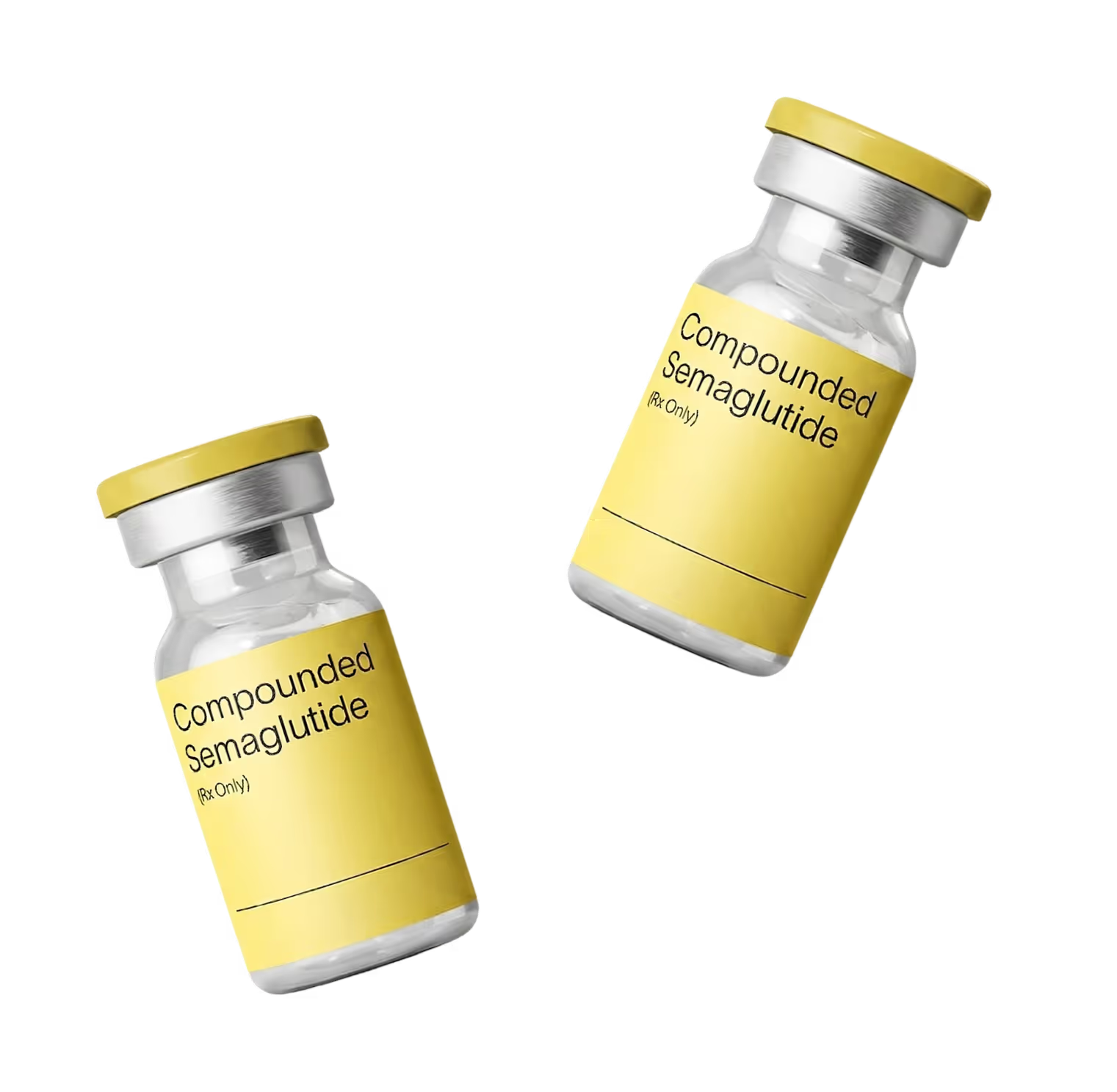
We prioritize a personalized approach to your health. If your medical provider prescribes medication, options may include GLP-1 treatments such as compounded semaglutide. Our providers prescribe only combination treatments not available at your local pharmacy that may include vitamin B12, etc. to help you achieve your goals faster.

Depending on your treatment goals, other medications such as metformin may also be considered. We recognize the importance of managing side effects, so your care plan might include medication to ease symptoms like nausea. Your well-being is always our top priority!

Please note that compounded medications are customized to meet individual patient needs and are not FDA-approved for safety or effectiveness. A prescription is necessary. Results may vary from person to person.

Curex and its pharmacy partners do not have any association with Novo Nordisk.

Will I be prescribed semaglutide?

Your health journey is unique, and we tailor our care to match. Any prescriptions, including semaglutide, will be based on the expert assessment of the medical provider matched with you through our platform. You can trust that your treatment plan will be personalized to fit your specific needs. And if semaglutide is not prescribed, we will provide a full refund.

What is compounded medication?

Compounding involves creating customized medications to meet the specific needs of individual patients. For instance, a patient may require a liquid version of a medication that is only available in tablet form. Pharmacies can also compound medications using FDA-approved drugs that are on the FDA’s shortage list.

These compounded medications are made by state-licensed pharmacies that follow both federal and state regulations, including quality standards. However, when compounded in accordance with these laws, these medications are not subject to FDA approval and are not evaluated for safety or effectiveness.

Is compounded medication the same as generic medication?

Compounded medications differ from generic drugs. Generics require FDA approval by demonstrating bio-equivalence to the brand-name drug. In contrast, compounded medications are not FDA-approved. They are made based on a personalized prescription that may not be commercially available elsewhere or when a drug appears on the FDA’s shortage list. Compounding pharmacies must have the proper licensed facilities and comply with state and federal regulations before dispensing these medications.

Is insurance required?

No, Curex doesn’t require insurance. We offer clear and simple pricing, along with affordable medication options, making it easy and accessible to take care of your health.

Can I pay with an FSA or HSA card?

Yes! You can pay with your HSA or FSA card.

No items found.
Can you prescribe Ozempic®* or Wegovy®*?

Our providers focus on personalized medications and dosages that aren’t commercially available at your local pharmacy. We don’t prescribe Ozempic®* or Wegovy®.* We may prescribe treatments containing compounded semaglutide or tirzepatide. These medications are specially compounded for you by a licensed pharmacy to meet your specific needs.

Are video visits with a provider required?

Our providers will review your information 100% online. Depending on where you live and the specifics of your medical history, our providers may require you to have a video visit or asynchronous visit via text message. If prescribed, you’ll get unlimited online access to message your provider as needed for follow-ups, adjustments, and answers to your questions.

What states do you serve?

Currently, we do not serve Arkansas, Connecticut, and New Mexico. However, we are always working to expand our reach, so stay in touch with us at hi@getcurex.com.

Does CLA (Conjugated Linoleic Acid) aid in weight loss?

 
Scientific Evidence
 

  • Modest Fat Loss: Some studies suggest that CLA may support modest reductions in body fat, but the overall impact on weight loss is limited.
  • Mixed Results: Research findings are inconsistent; while some trials report slight improvements in body composition, many show minimal effects.
  • Mechanism of Action: CLA is thought to influence enzymes related to fat metabolism, potentially altering how the body stores and burns fat.
  • Individual Variation: The response to CLA supplementation can vary significantly from person to person.
  Considerations  
  • Supplement Quality: The effectiveness of CLA largely depends on the product quality and the dosage used.
  • Lifestyle Integration: For noticeable weight loss, CLA should be combined with a balanced diet and regular exercise rather than relied upon as a sole solution.
  • Safety and Consultation: The long-term safety and efficacy of CLA require further study, so it is advisable to consult with a healthcare provider before starting supplementation.
 
How much CLA (Conjugated Linoleic Acid) should I take daily?


CLA Dosage Guidelines


  • General Use: Research studies often use between 3 to 6 grams of CLA per day.
  • Starting Dose: Consider starting with 1.5 to 3 grams daily to evaluate how your body responds.
  • Dosing Method: Splitting the total daily amount into two or three servings with meals may enhance absorption and reduce possible side effects.
  • Consultation: Always consult a healthcare professional before starting CLA, as individual needs and potential interactions must be evaluated.


Is CLA (Conjugated Linoleic Acid) safe for long-term use?


CLA's Long-term Safety


  • Research: Studies show that CLA is generally well-tolerated when used at recommended doses over the short to medium term, but there is limited long-term safety data beyond one to two years.
  • Dosage: Safe use of CLA is dose-dependent. Excessive intake may lead to gastrointestinal discomfort, changes in body composition, and potential impacts on liver and insulin sensitivity.
  • Monitoring: For those considering CLA for long-term use, regular monitoring and consultation with a healthcare professional are recommended, especially for individuals with pre-existing health conditions.
  • Individual Differences: Responses to CLA supplementation can vary; what is safe for one person might not be for another, so personalized advice is important.
  • Conclusion: CLA may be safe when used appropriately in the short term, but its long-term safety is not fully established. Caution and professional guidance are advised for prolonged use.