Symptoms of Low Colostrum: Causes, Treatment

Identify signs of low colostrum, learn its impact, boost levels naturally, discover colostrum-rich foods, and uncover causes for drops in this comprehensive guide.
#1 Online
Allergy Clinic
 curex user showing allergy treatment kita patient showing allergy treatment boxa male patient showing allergy drops vial
50,000+
users

gr.

Carbohydrates

gr.

Sugar

gr.

Fats

gr.

Proteins

Calories

How to Improve Your Colostrum Level


Understanding Colostrum and Its Role


Colostrum is the first milk produced by the mother immediately after childbirth. It is a highly concentrated source of nutrients, antibodies, and growth factors that are critical for the newborn’s immune system, gut development, and overall growth. When the amount of colostrum is low, the baby may not receive these essential components in optimal quantities.


Potential Impacts of Low Colostrum Intake

 
  • Immune Protection: Reduced colostrum can lead to fewer antibodies being transferred to the infant, potentially leaving the baby more susceptible to infections and illnesses during the early days of life.
  • Digestive Maturation: Colostrum contains growth factors that support the maturation of the gastrointestinal tract. A low intake might delay the development of a healthy gut, which is vital for proper digestion and nutrient absorption.
  • Nutritional Deficits: Vitamins such as vitamin A, and other micronutrients in colostrum help in the development of vision, skin health, and cellular function. Inadequate colostrum may contribute to deficiencies that can affect the baby’s early development.
  • Growth and Development: The comprehensive blend of nutrients in colostrum supports rapid growth in the newborn. A deficiency in colostrum intake could potentially result in slower physical and cognitive developmental progress.


Recommendations and Next Steps

 
  • Consult Healthcare Providers: It is essential for new mothers experiencing low colostrum levels to seek advice from healthcare professionals. Medical experts can help identify underlying issues such as hormonal imbalances or nutritional deficiencies.
  • Consider Supplementation: Under medical guidance, supplementation options such as infant formula or donor colostrum may be considered to ensure the baby receives critical nutrients.
  • Focus on Maternal Nutrition: Improving maternal diet by incorporating essential vitamins (including A, D, E, and K) and minerals can help support better milk production, including colostrum.
  • Monitor Infant Health: Regular pediatric check-ups are important to assess the baby’s growth, immunity, and overall development. Early detection of any issues can lead to timely interventions.


Closing Thoughts


The importance of colostrum in providing a solid nutritional and immune foundation for newborns cannot be overstated. If colostrum levels are low, addressing the issue promptly through healthcare consultation, nutritional support, and appropriate supplementation is crucial. This proactive approach helps safeguard the infant’s early development and sets the stage for long-term health and wellbeing.


Stay on track—experience the next level of support with weight loss medication

Learn More

What Causes Colostrum to Drop

Maternal Dehydration:

Insufficient fluid consumption reduces overall milk production, impacting the volume of colostrum.

woman laying on a field of grass smiling

What Happens if Your Colostrum Is Low

Inadequate Maternal Nutrition:

Poor intake of essential nutrients, vitamins, and overall calories can directly affect colostrum synthesis.

Boost Your Progress with our Weight Loss Medication for Better Fat Loss

Learn More

What Food Has the Most Colostrum

  • Increased Infection Susceptibility: Infants may exhibit a higher frequency of infections due to a lack of essential immunoglobulins.
  • Gastrointestinal Distress: Poor gut development can occur, leading to issues such as diarrhea or constipation.
  • Delayed Weight Gain: Insufficient nutrient-dense colostrum may result in slower growth and difficulty reaching early weight milestones.
  • Signs of Dehydration: Low volumes of colostrum can contribute to dehydration, observable through decreased skin turgor and dry mucous membranes.
  • Low Energy Levels: A deficiency in the concentrated energy provided by colostrum might manifest as lethargy or reduced responsiveness.
  • Impaired Immune Development: Without adequate colostrum, the development of a robust immune system can be compromised, delaying the establishment of effective defense mechanisms.

Your health matters. Lose weight safely and efffectively with Curex

gr.

Carbohydrates

gr.

Sugar

gr.

Fats

gr.

Proteins

Calories

How to Improve Your Colostrum Level


Understanding Colostrum and Its Role


Colostrum is the first milk produced by the mother immediately after childbirth. It is a highly concentrated source of nutrients, antibodies, and growth factors that are critical for the newborn’s immune system, gut development, and overall growth. When the amount of colostrum is low, the baby may not receive these essential components in optimal quantities.


Potential Impacts of Low Colostrum Intake

 
  • Immune Protection: Reduced colostrum can lead to fewer antibodies being transferred to the infant, potentially leaving the baby more susceptible to infections and illnesses during the early days of life.
  • Digestive Maturation: Colostrum contains growth factors that support the maturation of the gastrointestinal tract. A low intake might delay the development of a healthy gut, which is vital for proper digestion and nutrient absorption.
  • Nutritional Deficits: Vitamins such as vitamin A, and other micronutrients in colostrum help in the development of vision, skin health, and cellular function. Inadequate colostrum may contribute to deficiencies that can affect the baby’s early development.
  • Growth and Development: The comprehensive blend of nutrients in colostrum supports rapid growth in the newborn. A deficiency in colostrum intake could potentially result in slower physical and cognitive developmental progress.


Recommendations and Next Steps

 
  • Consult Healthcare Providers: It is essential for new mothers experiencing low colostrum levels to seek advice from healthcare professionals. Medical experts can help identify underlying issues such as hormonal imbalances or nutritional deficiencies.
  • Consider Supplementation: Under medical guidance, supplementation options such as infant formula or donor colostrum may be considered to ensure the baby receives critical nutrients.
  • Focus on Maternal Nutrition: Improving maternal diet by incorporating essential vitamins (including A, D, E, and K) and minerals can help support better milk production, including colostrum.
  • Monitor Infant Health: Regular pediatric check-ups are important to assess the baby’s growth, immunity, and overall development. Early detection of any issues can lead to timely interventions.


Closing Thoughts


The importance of colostrum in providing a solid nutritional and immune foundation for newborns cannot be overstated. If colostrum levels are low, addressing the issue promptly through healthcare consultation, nutritional support, and appropriate supplementation is crucial. This proactive approach helps safeguard the infant’s early development and sets the stage for long-term health and wellbeing.


Combine supplements for faster results—try our meds

Learn More

What Causes Colostrum to Drop

woman laying on a field of grass smiling

Delayed Breastfeeding Initiation:

Postponing the first breastfeeding session can lessen the stimulation needed for effective colostrum production.

Jumpstart your journey with our medications

Learn More

Increased Maternal Stress:

Emotional or physical stress triggers hormonal responses that can inhibit milk production, including colostrum.

Underlying Medical Conditions:

Conditions such as metabolic or endocrine disorders may negatively impact the body’s ability to produce ample colostrum.

Combine supplements for faster results—try our meds

Learn More

What Happens if Your Colostrum Is Low


Optimize Your Nutrient Intake


  • Vitamin A: Incorporate foods like carrots, sweet potatoes, and dark leafy greens to support the quality and volume of colostrum.
  • Vitamin D: Ensure adequate sun exposure and include fortified dairy products or fatty fish to promote overall maternal health and effective lactation.
  • Vitamin E: Add nuts, seeds, and vegetable oils to your diet to help protect cellular integrity for both mother and baby.
  • Vitamin C: Consume citrus fruits, berries, and bell peppers to support tissue repair and bolster immune function.


Include Traditional Galactagogues


  • Oats: Rich in iron and fiber, oats can be easily added to your meals to help stimulate milk production.
  • Fenugreek & Fennel: These herbs have a long history of boosting lactation. Use them with caution and always consult your healthcare provider for appropriate dosages.
  • Garlic: Known for its potential to enhance milk production, garlic can diversify your flavor profile while contributing to lactation support.


Maintain Adequate Hydration and Rest


  • Hydration: Drinking enough water throughout the day is essential to support milk production and overall wellness.
  • Sleep & Stress Management: Restful sleep and effective stress management are crucial for maintaining the hormonal balance that encourages colostrum and milk production.


Consult a Healthcare Provider


  • Personalized Guidance: Regular consultations help tailor your dietary needs and ensure that vitamin supplementation is appropriate for your body’s requirements.
  • Monitoring Health: A healthcare professional can adeptly monitor your nutritional status and provide recommendations to optimize colostrum production.


Boost Your Progress with our Weight Loss Medication for Better Fat Loss

Learn More

Signs Your Colostrum Is Low

Inadequate Maternal Nutrition:

Poor intake of essential nutrients, vitamins, and overall calories can directly affect colostrum synthesis.

Maternal Dehydration:

Insufficient fluid consumption reduces overall milk production, impacting the volume of colostrum.

Hormonal Imbalances:

Disruptions in hormones such as prolactin, estrogen, or thyroid hormones can impair the initiation and maintenance of colostrum output.

Supercharge weight loss: pair whey with our meds

What Food Has the Most Colostrum

  • Increased Infection Susceptibility: Infants may exhibit a higher frequency of infections due to a lack of essential immunoglobulins.
  • Gastrointestinal Distress: Poor gut development can occur, leading to issues such as diarrhea or constipation.
  • Delayed Weight Gain: Insufficient nutrient-dense colostrum may result in slower growth and difficulty reaching early weight milestones.
  • Signs of Dehydration: Low volumes of colostrum can contribute to dehydration, observable through decreased skin turgor and dry mucous membranes.
  • Low Energy Levels: A deficiency in the concentrated energy provided by colostrum might manifest as lethargy or reduced responsiveness.
  • Impaired Immune Development: Without adequate colostrum, the development of a robust immune system can be compromised, delaying the establishment of effective defense mechanisms.

Your health matters. Lose weight safely and effectively with Curex

Stay safe—shed pounds with our proven medications

Learn More

What are Colostrum benefits?

  • Immune Support: Colostrum is rich in antibodies (IgA, IgG, IgM) that help strengthen the body's natural defenses.
  • Gut Health: It promotes a healthy intestinal lining and supports beneficial gut bacteria for improved digestion.
  • Tissue Repair & Growth: Growth factors in colostrum assist in muscle recovery and overall cell regeneration.
  • Nutrient Dense: Provides essential proteins, vitamins, and minerals that contribute to overall health.
  • Anti-inflammatory Properties: Its bioactive components can help reduce inflammation and support healing processes.

How do I take Colostrum?

 
General Guidelines
 

  • Consultation: Always consult with a healthcare professional before beginning any new supplement, especially if you have existing health conditions or allergies.
  • Follow Product Instructions: Read and adhere to the dosage and direction instructions provided on the colostrum product label.
  • Timing: Colostrum is often recommended to be taken on an empty stomach, about 20–30 minutes before meals to enhance absorption.
  • Form and Mixing: If using a powdered form, mix it with water, juice, or your preferred beverage as directed. For capsule forms, take them with plenty of water.
  • Storage: Keep the product in a cool, dry place, following the storage recommendations on the packaging.
    Additional Considerations  
  • Source: Ensure that the colostrum comes from a reputable source, especially if you are sensitive to dairy products.
  • Consistency: For potential benefits, maintain a consistent daily routine as advised by your healthcare provider.
 

Is Colostrum safe for everyday use?


Colostrum Everyday Use Considerations


  • General Safety: Colostrum is generally considered safe for most healthy individuals when used as part of a balanced diet.
  • Quality and Dosage: The safety of daily use largely depends on the product's quality and adhering to recommended dosages. Overconsumption or lower-quality products may lead to unwanted effects.
  • Allergies and Sensitivities: Individuals with dairy allergies or lactose intolerance should take extra caution and consider alternatives after consulting a healthcare provider.
  • Medical Consultation: It is advisable to consult with a healthcare professional before starting any regular supplementation, particularly if you have preexisting conditions or are taking medications.


Still have questions? Our weight-loss meds have answers

  • Increased Infection Susceptibility: Infants may exhibit a higher frequency of infections due to a lack of essential immunoglobulins.
  • Gastrointestinal Distress: Poor gut development can occur, leading to issues such as diarrhea or constipation.
  • Delayed Weight Gain: Insufficient nutrient-dense colostrum may result in slower growth and difficulty reaching early weight milestones.
  • Signs of Dehydration: Low volumes of colostrum can contribute to dehydration, observable through decreased skin turgor and dry mucous membranes.
  • Low Energy Levels: A deficiency in the concentrated energy provided by colostrum might manifest as lethargy or reduced responsiveness.
  • Impaired Immune Development: Without adequate colostrum, the development of a robust immune system can be compromised, delaying the establishment of effective defense mechanisms.

Boost Any Diet with our Weight Loss Medication for Better Fat Loss

Learn More

What Happens if Your Colostrum Is Low

Inadequate Maternal Nutrition:

Poor intake of essential nutrients, vitamins, and overall calories can directly affect colostrum synthesis.

Maternal Dehydration:

Insufficient fluid consumption reduces overall milk production, impacting the volume of colostrum.

Hormonal Imbalances:

Disruptions in hormones such as prolactin, estrogen, or thyroid hormones can impair the initiation and maintenance of colostrum output.

Delayed Breastfeeding Initiation:

Postponing the first breastfeeding session can lessen the stimulation needed for effective colostrum production.

Increased Maternal Stress:

Emotional or physical stress triggers hormonal responses that can inhibit milk production, including colostrum.

Underlying Medical Conditions:

Conditions such as metabolic or endocrine disorders may negatively impact the body’s ability to produce ample colostrum.

Want Results That Last? Add our Weight-Loss Medication

woman laying on a field of grass smiling

What Food Has the Most Colostrum


Bovine Colostrum: The Ultimate Natural Source


Bovine colostrum is the most potent and naturally concentrated source of colostrum available in food. It is collected from dairy cows during the first 24–48 hours after calving. This early milk is rich in antibodies, growth factors, and vital nutrients that support immune function and overall health. Its bioactive components make it a popular ingredient in dietary supplements and specialized dairy products.

 
  • Dairy Supplements: Colostrum powders and capsules offer a concentrated and standardized form of bovine colostrum for those seeking immune support and improved gut health.
  • Fortified Dairy Products: Some specialty milk and yogurt products are enhanced with bovine colostrum to boost their nutritional profile, providing an added layer of bioactive benefits.
  • Raw Colostrum: In regions where safety protocols are rigorously maintained, raw colostrum is consumed directly for its full spectrum of naturally occurring nutrients and antibodies, though caution is advised to ensure quality and cleanliness.
 

Bovine colostrum remains the optimal choice for incorporating colostrum into one’s diet, given its high concentration of essential bioactive compounds and its established use in both clinical and functional nutrition practices.


Simple Changes, Stunning Results—Combine Your Diet with Our Weight Loss Medication

Learn More

What Causes Colostrum to Drop

  • Immune Support: Colostrum is rich in antibodies (IgA, IgG, IgM) that help strengthen the body's natural defenses.
  • Gut Health: It promotes a healthy intestinal lining and supports beneficial gut bacteria for improved digestion.
  • Tissue Repair & Growth: Growth factors in colostrum assist in muscle recovery and overall cell regeneration.
  • Nutrient Dense: Provides essential proteins, vitamins, and minerals that contribute to overall health.
  • Anti-inflammatory Properties: Its bioactive components can help reduce inflammation and support healing processes.

 
General Guidelines
 

  • Consultation: Always consult with a healthcare professional before beginning any new supplement, especially if you have existing health conditions or allergies.
  • Follow Product Instructions: Read and adhere to the dosage and direction instructions provided on the colostrum product label.
  • Timing: Colostrum is often recommended to be taken on an empty stomach, about 20–30 minutes before meals to enhance absorption.
  • Form and Mixing: If using a powdered form, mix it with water, juice, or your preferred beverage as directed. For capsule forms, take them with plenty of water.
  • Storage: Keep the product in a cool, dry place, following the storage recommendations on the packaging.
    Additional Considerations  
  • Source: Ensure that the colostrum comes from a reputable source, especially if you are sensitive to dairy products.
  • Consistency: For potential benefits, maintain a consistent daily routine as advised by your healthcare provider.


Colostrum Everyday Use Considerations


  • General Safety: Colostrum is generally considered safe for most healthy individuals when used as part of a balanced diet.
  • Quality and Dosage: The safety of daily use largely depends on the product's quality and adhering to recommended dosages. Overconsumption or lower-quality products may lead to unwanted effects.
  • Allergies and Sensitivities: Individuals with dairy allergies or lactose intolerance should take extra caution and consider alternatives after consulting a healthcare provider.
  • Medical Consultation: It is advisable to consult with a healthcare professional before starting any regular supplementation, particularly if you have preexisting conditions or are taking medications.


Achieve your maximum potential: combine this plan with our weight loss medication

How to Improve Your Colostrum Level

woman laying on a field of grass smiling

Symptoms of Low Colostrum: Causes, Treatment


Understanding Colostrum and Its Role


Colostrum is the first milk produced by the mother immediately after childbirth. It is a highly concentrated source of nutrients, antibodies, and growth factors that are critical for the newborn’s immune system, gut development, and overall growth. When the amount of colostrum is low, the baby may not receive these essential components in optimal quantities.


Potential Impacts of Low Colostrum Intake

 
  • Immune Protection: Reduced colostrum can lead to fewer antibodies being transferred to the infant, potentially leaving the baby more susceptible to infections and illnesses during the early days of life.
  • Digestive Maturation: Colostrum contains growth factors that support the maturation of the gastrointestinal tract. A low intake might delay the development of a healthy gut, which is vital for proper digestion and nutrient absorption.
  • Nutritional Deficits: Vitamins such as vitamin A, and other micronutrients in colostrum help in the development of vision, skin health, and cellular function. Inadequate colostrum may contribute to deficiencies that can affect the baby’s early development.
  • Growth and Development: The comprehensive blend of nutrients in colostrum supports rapid growth in the newborn. A deficiency in colostrum intake could potentially result in slower physical and cognitive developmental progress.


Recommendations and Next Steps

 
  • Consult Healthcare Providers: It is essential for new mothers experiencing low colostrum levels to seek advice from healthcare professionals. Medical experts can help identify underlying issues such as hormonal imbalances or nutritional deficiencies.
  • Consider Supplementation: Under medical guidance, supplementation options such as infant formula or donor colostrum may be considered to ensure the baby receives critical nutrients.
  • Focus on Maternal Nutrition: Improving maternal diet by incorporating essential vitamins (including A, D, E, and K) and minerals can help support better milk production, including colostrum.
  • Monitor Infant Health: Regular pediatric check-ups are important to assess the baby’s growth, immunity, and overall development. Early detection of any issues can lead to timely interventions.


Closing Thoughts


The importance of colostrum in providing a solid nutritional and immune foundation for newborns cannot be overstated. If colostrum levels are low, addressing the issue promptly through healthcare consultation, nutritional support, and appropriate supplementation is crucial. This proactive approach helps safeguard the infant’s early development and sets the stage for long-term health and wellbeing.


Signs Your Colostrum Is Low

  • Increased Infection Susceptibility: Infants may exhibit a higher frequency of infections due to a lack of essential immunoglobulins.
  • Gastrointestinal Distress: Poor gut development can occur, leading to issues such as diarrhea or constipation.
  • Delayed Weight Gain: Insufficient nutrient-dense colostrum may result in slower growth and difficulty reaching early weight milestones.
  • Signs of Dehydration: Low volumes of colostrum can contribute to dehydration, observable through decreased skin turgor and dry mucous membranes.
  • Low Energy Levels: A deficiency in the concentrated energy provided by colostrum might manifest as lethargy or reduced responsiveness.
  • Impaired Immune Development: Without adequate colostrum, the development of a robust immune system can be compromised, delaying the establishment of effective defense mechanisms.

Studies show low Vitamin C can make your body burn 30% less fat during exercise​
Don’t let a deficiency hold back your weight loss – see how our medication can help accelerate your results

What Happens if Your Colostrum Is Low


Understanding Colostrum and Its Role


Colostrum is the first milk produced by the mother immediately after childbirth. It is a highly concentrated source of nutrients, antibodies, and growth factors that are critical for the newborn’s immune system, gut development, and overall growth. When the amount of colostrum is low, the baby may not receive these essential components in optimal quantities.


Potential Impacts of Low Colostrum Intake

 
  • Immune Protection: Reduced colostrum can lead to fewer antibodies being transferred to the infant, potentially leaving the baby more susceptible to infections and illnesses during the early days of life.
  • Digestive Maturation: Colostrum contains growth factors that support the maturation of the gastrointestinal tract. A low intake might delay the development of a healthy gut, which is vital for proper digestion and nutrient absorption.
  • Nutritional Deficits: Vitamins such as vitamin A, and other micronutrients in colostrum help in the development of vision, skin health, and cellular function. Inadequate colostrum may contribute to deficiencies that can affect the baby’s early development.
  • Growth and Development: The comprehensive blend of nutrients in colostrum supports rapid growth in the newborn. A deficiency in colostrum intake could potentially result in slower physical and cognitive developmental progress.


Recommendations and Next Steps

 
  • Consult Healthcare Providers: It is essential for new mothers experiencing low colostrum levels to seek advice from healthcare professionals. Medical experts can help identify underlying issues such as hormonal imbalances or nutritional deficiencies.
  • Consider Supplementation: Under medical guidance, supplementation options such as infant formula or donor colostrum may be considered to ensure the baby receives critical nutrients.
  • Focus on Maternal Nutrition: Improving maternal diet by incorporating essential vitamins (including A, D, E, and K) and minerals can help support better milk production, including colostrum.
  • Monitor Infant Health: Regular pediatric check-ups are important to assess the baby’s growth, immunity, and overall development. Early detection of any issues can lead to timely interventions.


Closing Thoughts


The importance of colostrum in providing a solid nutritional and immune foundation for newborns cannot be overstated. If colostrum levels are low, addressing the issue promptly through healthcare consultation, nutritional support, and appropriate supplementation is crucial. This proactive approach helps safeguard the infant’s early development and sets the stage for long-term health and wellbeing.


Our weight loss medication is designed to tackle slow fat burning so you can shed those extra inches – get started now.

Learn More

What Causes Colostrum to Drop

Inadequate Maternal Nutrition:

Poor intake of essential nutrients, vitamins, and overall calories can directly affect colostrum synthesis.

Maternal Dehydration:

Insufficient fluid consumption reduces overall milk production, impacting the volume of colostrum.

Hormonal Imbalances:

Disruptions in hormones such as prolactin, estrogen, or thyroid hormones can impair the initiation and maintenance of colostrum output.

Delayed Breastfeeding Initiation:

Postponing the first breastfeeding session can lessen the stimulation needed for effective colostrum production.

Increased Maternal Stress:

Emotional or physical stress triggers hormonal responses that can inhibit milk production, including colostrum.

Underlying Medical Conditions:

Conditions such as metabolic or endocrine disorders may negatively impact the body’s ability to produce ample colostrum.

Not getting enough fruits and veggies?
A nutrient-poor diet can leave you low in Vitamins and struggling with weight.
Our weight loss medication helps boost your metabolism even when nutritional gaps hold you back.

Curex oral dissolving tablets (ODT)

How to Improve Your Colostrum Level


Optimize Your Nutrient Intake


  • Vitamin A: Incorporate foods like carrots, sweet potatoes, and dark leafy greens to support the quality and volume of colostrum.
  • Vitamin D: Ensure adequate sun exposure and include fortified dairy products or fatty fish to promote overall maternal health and effective lactation.
  • Vitamin E: Add nuts, seeds, and vegetable oils to your diet to help protect cellular integrity for both mother and baby.
  • Vitamin C: Consume citrus fruits, berries, and bell peppers to support tissue repair and bolster immune function.


Include Traditional Galactagogues


  • Oats: Rich in iron and fiber, oats can be easily added to your meals to help stimulate milk production.
  • Fenugreek & Fennel: These herbs have a long history of boosting lactation. Use them with caution and always consult your healthcare provider for appropriate dosages.
  • Garlic: Known for its potential to enhance milk production, garlic can diversify your flavor profile while contributing to lactation support.


Maintain Adequate Hydration and Rest


  • Hydration: Drinking enough water throughout the day is essential to support milk production and overall wellness.
  • Sleep & Stress Management: Restful sleep and effective stress management are crucial for maintaining the hormonal balance that encourages colostrum and milk production.


Consult a Healthcare Provider


  • Personalized Guidance: Regular consultations help tailor your dietary needs and ensure that vitamin supplementation is appropriate for your body’s requirements.
  • Monitoring Health: A healthcare professional can adeptly monitor your nutritional status and provide recommendations to optimize colostrum production.


Combine supplements for faster results—try our meds

Learn More

What Food Has the Most Colostrum


Bovine Colostrum: The Ultimate Natural Source


Bovine colostrum is the most potent and naturally concentrated source of colostrum available in food. It is collected from dairy cows during the first 24–48 hours after calving. This early milk is rich in antibodies, growth factors, and vital nutrients that support immune function and overall health. Its bioactive components make it a popular ingredient in dietary supplements and specialized dairy products.

 
  • Dairy Supplements: Colostrum powders and capsules offer a concentrated and standardized form of bovine colostrum for those seeking immune support and improved gut health.
  • Fortified Dairy Products: Some specialty milk and yogurt products are enhanced with bovine colostrum to boost their nutritional profile, providing an added layer of bioactive benefits.
  • Raw Colostrum: In regions where safety protocols are rigorously maintained, raw colostrum is consumed directly for its full spectrum of naturally occurring nutrients and antibodies, though caution is advised to ensure quality and cleanliness.
 

Bovine colostrum remains the optimal choice for incorporating colostrum into one’s diet, given its high concentration of essential bioactive compounds and its established use in both clinical and functional nutrition practices.


What are Colostrum benefits?

  • Immune Support: Colostrum is rich in antibodies (IgA, IgG, IgM) that help strengthen the body's natural defenses.
  • Gut Health: It promotes a healthy intestinal lining and supports beneficial gut bacteria for improved digestion.
  • Tissue Repair & Growth: Growth factors in colostrum assist in muscle recovery and overall cell regeneration.
  • Nutrient Dense: Provides essential proteins, vitamins, and minerals that contribute to overall health.
  • Anti-inflammatory Properties: Its bioactive components can help reduce inflammation and support healing processes.

How do I take Colostrum?

 
General Guidelines
 

  • Consultation: Always consult with a healthcare professional before beginning any new supplement, especially if you have existing health conditions or allergies.
  • Follow Product Instructions: Read and adhere to the dosage and direction instructions provided on the colostrum product label.
  • Timing: Colostrum is often recommended to be taken on an empty stomach, about 20–30 minutes before meals to enhance absorption.
  • Form and Mixing: If using a powdered form, mix it with water, juice, or your preferred beverage as directed. For capsule forms, take them with plenty of water.
  • Storage: Keep the product in a cool, dry place, following the storage recommendations on the packaging.
    Additional Considerations  
  • Source: Ensure that the colostrum comes from a reputable source, especially if you are sensitive to dairy products.
  • Consistency: For potential benefits, maintain a consistent daily routine as advised by your healthcare provider.
 

Is Colostrum safe for everyday use?


Colostrum Everyday Use Considerations


  • General Safety: Colostrum is generally considered safe for most healthy individuals when used as part of a balanced diet.
  • Quality and Dosage: The safety of daily use largely depends on the product's quality and adhering to recommended dosages. Overconsumption or lower-quality products may lead to unwanted effects.
  • Allergies and Sensitivities: Individuals with dairy allergies or lactose intolerance should take extra caution and consider alternatives after consulting a healthcare provider.
  • Medical Consultation: It is advisable to consult with a healthcare professional before starting any regular supplementation, particularly if you have preexisting conditions or are taking medications.


Still have questions?

We have answers. Book a consultation

Still have questions? Our weight-loss meds have answers


Understanding Colostrum and Its Role


Colostrum is the first milk produced by the mother immediately after childbirth. It is a highly concentrated source of nutrients, antibodies, and growth factors that are critical for the newborn’s immune system, gut development, and overall growth. When the amount of colostrum is low, the baby may not receive these essential components in optimal quantities.


Potential Impacts of Low Colostrum Intake

 
  • Immune Protection: Reduced colostrum can lead to fewer antibodies being transferred to the infant, potentially leaving the baby more susceptible to infections and illnesses during the early days of life.
  • Digestive Maturation: Colostrum contains growth factors that support the maturation of the gastrointestinal tract. A low intake might delay the development of a healthy gut, which is vital for proper digestion and nutrient absorption.
  • Nutritional Deficits: Vitamins such as vitamin A, and other micronutrients in colostrum help in the development of vision, skin health, and cellular function. Inadequate colostrum may contribute to deficiencies that can affect the baby’s early development.
  • Growth and Development: The comprehensive blend of nutrients in colostrum supports rapid growth in the newborn. A deficiency in colostrum intake could potentially result in slower physical and cognitive developmental progress.


Recommendations and Next Steps

 
  • Consult Healthcare Providers: It is essential for new mothers experiencing low colostrum levels to seek advice from healthcare professionals. Medical experts can help identify underlying issues such as hormonal imbalances or nutritional deficiencies.
  • Consider Supplementation: Under medical guidance, supplementation options such as infant formula or donor colostrum may be considered to ensure the baby receives critical nutrients.
  • Focus on Maternal Nutrition: Improving maternal diet by incorporating essential vitamins (including A, D, E, and K) and minerals can help support better milk production, including colostrum.
  • Monitor Infant Health: Regular pediatric check-ups are important to assess the baby’s growth, immunity, and overall development. Early detection of any issues can lead to timely interventions.


Closing Thoughts


The importance of colostrum in providing a solid nutritional and immune foundation for newborns cannot be overstated. If colostrum levels are low, addressing the issue promptly through healthcare consultation, nutritional support, and appropriate supplementation is crucial. This proactive approach helps safeguard the infant’s early development and sets the stage for long-term health and wellbeing.


Our weight loss medication is designed to tackle slow fat burning so you can shed those extra inches – get started now.

Learn More

What Happens if Your Colostrum Is Low

Inadequate Maternal Nutrition:

Poor intake of essential nutrients, vitamins, and overall calories can directly affect colostrum synthesis.

Maternal Dehydration:

Insufficient fluid consumption reduces overall milk production, impacting the volume of colostrum.

Hormonal Imbalances:

Disruptions in hormones such as prolactin, estrogen, or thyroid hormones can impair the initiation and maintenance of colostrum output.

What Causes Colostrum to Drop

Delayed Breastfeeding Initiation:

Postponing the first breastfeeding session can lessen the stimulation needed for effective colostrum production.

Increased Maternal Stress:

Emotional or physical stress triggers hormonal responses that can inhibit milk production, including colostrum.

Underlying Medical Conditions:

Conditions such as metabolic or endocrine disorders may negatively impact the body’s ability to produce ample colostrum.


Optimize Your Nutrient Intake


  • Vitamin A: Incorporate foods like carrots, sweet potatoes, and dark leafy greens to support the quality and volume of colostrum.
  • Vitamin D: Ensure adequate sun exposure and include fortified dairy products or fatty fish to promote overall maternal health and effective lactation.
  • Vitamin E: Add nuts, seeds, and vegetable oils to your diet to help protect cellular integrity for both mother and baby.
  • Vitamin C: Consume citrus fruits, berries, and bell peppers to support tissue repair and bolster immune function.


Include Traditional Galactagogues


  • Oats: Rich in iron and fiber, oats can be easily added to your meals to help stimulate milk production.
  • Fenugreek & Fennel: These herbs have a long history of boosting lactation. Use them with caution and always consult your healthcare provider for appropriate dosages.
  • Garlic: Known for its potential to enhance milk production, garlic can diversify your flavor profile while contributing to lactation support.


Maintain Adequate Hydration and Rest


  • Hydration: Drinking enough water throughout the day is essential to support milk production and overall wellness.
  • Sleep & Stress Management: Restful sleep and effective stress management are crucial for maintaining the hormonal balance that encourages colostrum and milk production.


Consult a Healthcare Provider


  • Personalized Guidance: Regular consultations help tailor your dietary needs and ensure that vitamin supplementation is appropriate for your body’s requirements.
  • Monitoring Health: A healthcare professional can adeptly monitor your nutritional status and provide recommendations to optimize colostrum production.


Following the rules but not seeing results? We’ve got your back.

Learn More

  • Increased Infection Susceptibility: Infants may exhibit a higher frequency of infections due to a lack of essential immunoglobulins.
  • Gastrointestinal Distress: Poor gut development can occur, leading to issues such as diarrhea or constipation.
  • Delayed Weight Gain: Insufficient nutrient-dense colostrum may result in slower growth and difficulty reaching early weight milestones.
  • Signs of Dehydration: Low volumes of colostrum can contribute to dehydration, observable through decreased skin turgor and dry mucous membranes.
  • Low Energy Levels: A deficiency in the concentrated energy provided by colostrum might manifest as lethargy or reduced responsiveness.
  • Impaired Immune Development: Without adequate colostrum, the development of a robust immune system can be compromised, delaying the establishment of effective defense mechanisms.

Our weight loss meds can help you slim down faster.

What Food Has the Most Colostrum

Signs Your Colostrum Is Low

Pair smart eating with real fat-burning support—see the difference

  • Immune Support: Colostrum is rich in antibodies (IgA, IgG, IgM) that help strengthen the body's natural defenses.
  • Gut Health: It promotes a healthy intestinal lining and supports beneficial gut bacteria for improved digestion.
  • Tissue Repair & Growth: Growth factors in colostrum assist in muscle recovery and overall cell regeneration.
  • Nutrient Dense: Provides essential proteins, vitamins, and minerals that contribute to overall health.
  • Anti-inflammatory Properties: Its bioactive components can help reduce inflammation and support healing processes.

 
General Guidelines
 

  • Consultation: Always consult with a healthcare professional before beginning any new supplement, especially if you have existing health conditions or allergies.
  • Follow Product Instructions: Read and adhere to the dosage and direction instructions provided on the colostrum product label.
  • Timing: Colostrum is often recommended to be taken on an empty stomach, about 20–30 minutes before meals to enhance absorption.
  • Form and Mixing: If using a powdered form, mix it with water, juice, or your preferred beverage as directed. For capsule forms, take them with plenty of water.
  • Storage: Keep the product in a cool, dry place, following the storage recommendations on the packaging.
    Additional Considerations  
  • Source: Ensure that the colostrum comes from a reputable source, especially if you are sensitive to dairy products.
  • Consistency: For potential benefits, maintain a consistent daily routine as advised by your healthcare provider.


Colostrum Everyday Use Considerations


  • General Safety: Colostrum is generally considered safe for most healthy individuals when used as part of a balanced diet.
  • Quality and Dosage: The safety of daily use largely depends on the product's quality and adhering to recommended dosages. Overconsumption or lower-quality products may lead to unwanted effects.
  • Allergies and Sensitivities: Individuals with dairy allergies or lactose intolerance should take extra caution and consider alternatives after consulting a healthcare provider.
  • Medical Consultation: It is advisable to consult with a healthcare professional before starting any regular supplementation, particularly if you have preexisting conditions or are taking medications.


Achieve your maximum potential: combine diet plan with our weight loss medication


Bovine Colostrum: The Ultimate Natural Source


Bovine colostrum is the most potent and naturally concentrated source of colostrum available in food. It is collected from dairy cows during the first 24–48 hours after calving. This early milk is rich in antibodies, growth factors, and vital nutrients that support immune function and overall health. Its bioactive components make it a popular ingredient in dietary supplements and specialized dairy products.

 
  • Dairy Supplements: Colostrum powders and capsules offer a concentrated and standardized form of bovine colostrum for those seeking immune support and improved gut health.
  • Fortified Dairy Products: Some specialty milk and yogurt products are enhanced with bovine colostrum to boost their nutritional profile, providing an added layer of bioactive benefits.
  • Raw Colostrum: In regions where safety protocols are rigorously maintained, raw colostrum is consumed directly for its full spectrum of naturally occurring nutrients and antibodies, though caution is advised to ensure quality and cleanliness.
 

Bovine colostrum remains the optimal choice for incorporating colostrum into one’s diet, given its high concentration of essential bioactive compounds and its established use in both clinical and functional nutrition practices.


Avoid the slow route—our weight loss meds can help speed things up

Learn More

What are Colostrum benefits?

How do I take Colostrum?

Is Colostrum safe for everyday use?

Still have questions?

We have answers. Book a consultation

How to Improve Your Colostrum Level

Our weight loss medication is designed to tackle slow fat burning so you can shed those extra inches – get started now.

Learn More

What Food Has the Most Colostrum


Bovine Colostrum: The Ultimate Natural Source


Bovine colostrum is the most potent and naturally concentrated source of colostrum available in food. It is collected from dairy cows during the first 24–48 hours after calving. This early milk is rich in antibodies, growth factors, and vital nutrients that support immune function and overall health. Its bioactive components make it a popular ingredient in dietary supplements and specialized dairy products.

 
  • Dairy Supplements: Colostrum powders and capsules offer a concentrated and standardized form of bovine colostrum for those seeking immune support and improved gut health.
  • Fortified Dairy Products: Some specialty milk and yogurt products are enhanced with bovine colostrum to boost their nutritional profile, providing an added layer of bioactive benefits.
  • Raw Colostrum: In regions where safety protocols are rigorously maintained, raw colostrum is consumed directly for its full spectrum of naturally occurring nutrients and antibodies, though caution is advised to ensure quality and cleanliness.
 

Bovine colostrum remains the optimal choice for incorporating colostrum into one’s diet, given its high concentration of essential bioactive compounds and its established use in both clinical and functional nutrition practices.


What Causes Colostrum to Drop


Understanding Colostrum and Its Role


Colostrum is the first milk produced by the mother immediately after childbirth. It is a highly concentrated source of nutrients, antibodies, and growth factors that are critical for the newborn’s immune system, gut development, and overall growth. When the amount of colostrum is low, the baby may not receive these essential components in optimal quantities.


Potential Impacts of Low Colostrum Intake

 
  • Immune Protection: Reduced colostrum can lead to fewer antibodies being transferred to the infant, potentially leaving the baby more susceptible to infections and illnesses during the early days of life.
  • Digestive Maturation: Colostrum contains growth factors that support the maturation of the gastrointestinal tract. A low intake might delay the development of a healthy gut, which is vital for proper digestion and nutrient absorption.
  • Nutritional Deficits: Vitamins such as vitamin A, and other micronutrients in colostrum help in the development of vision, skin health, and cellular function. Inadequate colostrum may contribute to deficiencies that can affect the baby’s early development.
  • Growth and Development: The comprehensive blend of nutrients in colostrum supports rapid growth in the newborn. A deficiency in colostrum intake could potentially result in slower physical and cognitive developmental progress.


Recommendations and Next Steps

 
  • Consult Healthcare Providers: It is essential for new mothers experiencing low colostrum levels to seek advice from healthcare professionals. Medical experts can help identify underlying issues such as hormonal imbalances or nutritional deficiencies.
  • Consider Supplementation: Under medical guidance, supplementation options such as infant formula or donor colostrum may be considered to ensure the baby receives critical nutrients.
  • Focus on Maternal Nutrition: Improving maternal diet by incorporating essential vitamins (including A, D, E, and K) and minerals can help support better milk production, including colostrum.
  • Monitor Infant Health: Regular pediatric check-ups are important to assess the baby’s growth, immunity, and overall development. Early detection of any issues can lead to timely interventions.


Closing Thoughts


The importance of colostrum in providing a solid nutritional and immune foundation for newborns cannot be overstated. If colostrum levels are low, addressing the issue promptly through healthcare consultation, nutritional support, and appropriate supplementation is crucial. This proactive approach helps safeguard the infant’s early development and sets the stage for long-term health and wellbeing.


Following the rules but not seeing results? We’ve got your back.

Learn More

What Happens if Your Colostrum Is Low

Signs Your Colostrum Is Low

Inadequate Maternal Nutrition:

Poor intake of essential nutrients, vitamins, and overall calories can directly affect colostrum synthesis.

Maternal Dehydration:

Insufficient fluid consumption reduces overall milk production, impacting the volume of colostrum.

Hormonal Imbalances:

Disruptions in hormones such as prolactin, estrogen, or thyroid hormones can impair the initiation and maintenance of colostrum output.

Delayed Breastfeeding Initiation:

Postponing the first breastfeeding session can lessen the stimulation needed for effective colostrum production.

Increased Maternal Stress:

Emotional or physical stress triggers hormonal responses that can inhibit milk production, including colostrum.

Underlying Medical Conditions:

Conditions such as metabolic or endocrine disorders may negatively impact the body’s ability to produce ample colostrum.

Pair smart eating with real fat-burning support—see the difference

Inadequate Maternal Nutrition:

Poor intake of essential nutrients, vitamins, and overall calories can directly affect colostrum synthesis.

Maternal Dehydration:

Insufficient fluid consumption reduces overall milk production, impacting the volume of colostrum.

Hormonal Imbalances:

Disruptions in hormones such as prolactin, estrogen, or thyroid hormones can impair the initiation and maintenance of colostrum output.

Delayed Breastfeeding Initiation:

Postponing the first breastfeeding session can lessen the stimulation needed for effective colostrum production.

Increased Maternal Stress:

Emotional or physical stress triggers hormonal responses that can inhibit milk production, including colostrum.

Underlying Medical Conditions:

Conditions such as metabolic or endocrine disorders may negatively impact the body’s ability to produce ample colostrum.

Inadequate Maternal Nutrition:

Poor intake of essential nutrients, vitamins, and overall calories can directly affect colostrum synthesis.

Maternal Dehydration:

Insufficient fluid consumption reduces overall milk production, impacting the volume of colostrum.

Hormonal Imbalances:

Disruptions in hormones such as prolactin, estrogen, or thyroid hormones can impair the initiation and maintenance of colostrum output.

Delayed Breastfeeding Initiation:

Postponing the first breastfeeding session can lessen the stimulation needed for effective colostrum production.

Increased Maternal Stress:

Emotional or physical stress triggers hormonal responses that can inhibit milk production, including colostrum.

Underlying Medical Conditions:

Conditions such as metabolic or endocrine disorders may negatively impact the body’s ability to produce ample colostrum.

woman laying on a field of grass smiling

What Happens if Your Colostrum Is Low


Bovine Colostrum: The Ultimate Natural Source


Bovine colostrum is the most potent and naturally concentrated source of colostrum available in food. It is collected from dairy cows during the first 24–48 hours after calving. This early milk is rich in antibodies, growth factors, and vital nutrients that support immune function and overall health. Its bioactive components make it a popular ingredient in dietary supplements and specialized dairy products.

 
  • Dairy Supplements: Colostrum powders and capsules offer a concentrated and standardized form of bovine colostrum for those seeking immune support and improved gut health.
  • Fortified Dairy Products: Some specialty milk and yogurt products are enhanced with bovine colostrum to boost their nutritional profile, providing an added layer of bioactive benefits.
  • Raw Colostrum: In regions where safety protocols are rigorously maintained, raw colostrum is consumed directly for its full spectrum of naturally occurring nutrients and antibodies, though caution is advised to ensure quality and cleanliness.
 

Bovine colostrum remains the optimal choice for incorporating colostrum into one’s diet, given its high concentration of essential bioactive compounds and its established use in both clinical and functional nutrition practices.


Simple Changes, Stunning Results—Combine Your Diet with Our Weight Loss Medication

Learn More
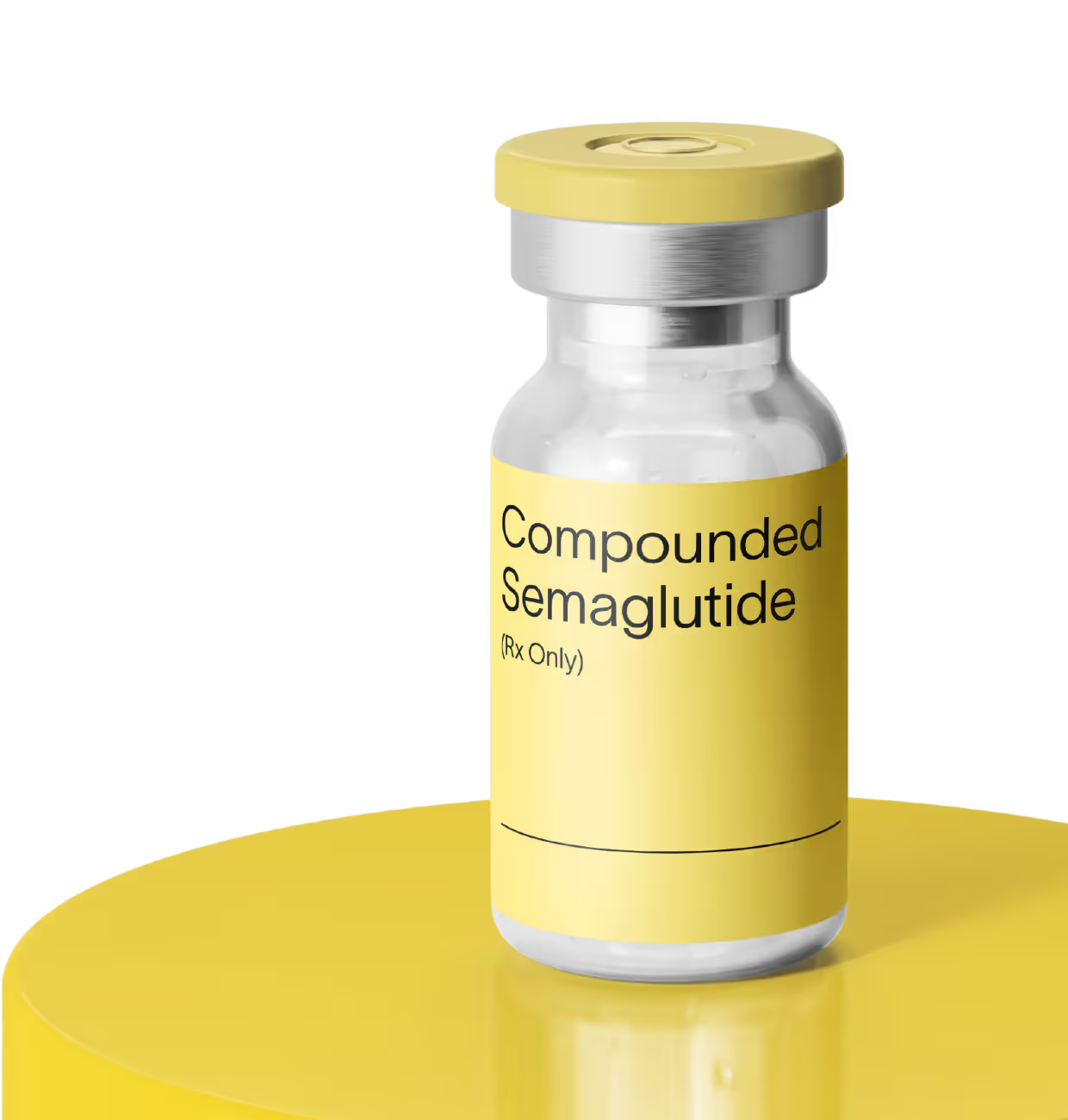
Premium Medication you can trust

Our weight loss medication is delivered straight to your doorstep from a state-licensed pharmacy within our reliable network, ensuring you receive your medication when you need it.

Each pharmacy in our network undergoes rigorous third-party testing through FDA and DEA certified labs. These tests focus on four key elements, ensuring both safety and efficacy for our treatments.

Curex is one of America’s largest telehealth providers

Together with our partners we have changed the lives of over 300,000 patients. Here’s what some of them have to say:

“Curex has performed beyond my expectations. I am feeling tremendously better and look forward to continuing the treatment.”
Becky D.
"If I could give 6 stars, I would. BEST... BEST… BEST… service.”
Ferdian K.
“The Curex staff has been professional, efficient, and really focused on my individual needs.”
Ana C.

Start your
journey now

Everything you need is included:

Online consultation

Your prescription

Premium medication

Overnight shipping

Ongoing support

A weight management program tailored to you

Initial Dosage

Your initial medication and dosage are carefully determined by doctors, taking into account your unique health profile. This ensures a personalized and safe treatment plan tailored to your specific needs.

Titration

We gradually adjust your dosage to reach the optimal therapeutic level, ensuring maximum effectiveness while minimizing potential side effects.

Additional Treatments

Our providers may also recommend medications such as metformin or supplements such as vitamin B12. We recognize the importance of managing side effects, so your care plan may include medication to alleviate them.

Got questions? We have answers.

What are Colostrum benefits?
How do I take Colostrum?
Is Colostrum safe for everyday use?
Do your plans include prescriptions and medications?

Curex plans cover everything from reviewing your medical intake to providing prescription medications, with free shipping included. There are no extra or hidden charges. Prescriptions are issued only after a medical provider reviews your information to confirm that the medication is suitable for you. Our service includes continuous support and regular follow-ups to ensure your treatment stays on track.

Our clinicians may order labs and additional medications for you, which would not be covered by the plan but for which you can use your insurance.

Please note: Compounded medications are tailored to individual needs or used in case of shortages, but they are not FDA-approved for safety or effectiveness. A prescription is required. Results may vary from person to person.

What medications do your providers prescribe?

We prioritize a personalized approach to your health. If your medical provider prescribes medication, options may include GLP-1 treatments such as compounded semaglutide. Our providers prescribe only combination treatments not available at your local pharmacy that may include vitamin B12, etc. to help you achieve your goals faster.

Depending on your treatment goals, other medications such as metformin may also be considered. We recognize the importance of managing side effects, so your care plan might include medication to ease symptoms like nausea. Your well-being is always our top priority!

Please note that compounded medications are customized to meet individual patient needs and are not FDA-approved for safety or effectiveness. A prescription is necessary. Results may vary from person to person.

Curex and its pharmacy partners do not have any association with Novo Nordisk.

Will I be prescribed semaglutide?

Your health journey is unique, and we tailor our care to match. Any prescriptions, including semaglutide, will be based on the expert assessment of the medical provider matched with you through our platform. You can trust that your treatment plan will be personalized to fit your specific needs. And if semaglutide is not prescribed, we will provide a full refund.

What is compounded medication?

Compounding involves creating customized medications to meet the specific needs of individual patients. For instance, a patient may require a liquid version of a medication that is only available in tablet form. Pharmacies can also compound medications using FDA-approved drugs that are on the FDA’s shortage list.

These compounded medications are made by state-licensed pharmacies that follow both federal and state regulations, including quality standards. However, when compounded in accordance with these laws, these medications are not subject to FDA approval and are not evaluated for safety or effectiveness.

Is compounded medication the same as generic medication?

Compounded medications differ from generic drugs. Generics require FDA approval by demonstrating bio-equivalence to the brand-name drug. In contrast, compounded medications are not FDA-approved. They are made based on a personalized prescription that may not be commercially available elsewhere or when a drug appears on the FDA’s shortage list. Compounding pharmacies must have the proper licensed facilities and comply with state and federal regulations before dispensing these medications.

Is insurance required?

No, Curex doesn’t require insurance. We offer clear and simple pricing, along with affordable medication options, making it easy and accessible to take care of your health.

Can I pay with an FSA or HSA card?

Yes! You can pay with your HSA or FSA card.

No items found.
Can you prescribe Ozempic®* or Wegovy®*?

Our providers focus on personalized medications and dosages that aren’t commercially available at your local pharmacy. We don’t prescribe Ozempic®* or Wegovy®.* We may prescribe treatments containing compounded semaglutide or tirzepatide. These medications are specially compounded for you by a licensed pharmacy to meet your specific needs.

Are video visits with a provider required?

Our providers will review your information 100% online. Depending on where you live and the specifics of your medical history, our providers may require you to have a video visit or asynchronous visit via text message. If prescribed, you’ll get unlimited online access to message your provider as needed for follow-ups, adjustments, and answers to your questions.

What states do you serve?

Currently, we do not serve Arkansas, Connecticut, and New Mexico. However, we are always working to expand our reach, so stay in touch with us at hi@getcurex.com.

What are Colostrum benefits?
  • Immune Support: Colostrum is rich in antibodies (IgA, IgG, IgM) that help strengthen the body's natural defenses.
  • Gut Health: It promotes a healthy intestinal lining and supports beneficial gut bacteria for improved digestion.
  • Tissue Repair & Growth: Growth factors in colostrum assist in muscle recovery and overall cell regeneration.
  • Nutrient Dense: Provides essential proteins, vitamins, and minerals that contribute to overall health.
  • Anti-inflammatory Properties: Its bioactive components can help reduce inflammation and support healing processes.
How do I take Colostrum?

 
General Guidelines
 

  • Consultation: Always consult with a healthcare professional before beginning any new supplement, especially if you have existing health conditions or allergies.
  • Follow Product Instructions: Read and adhere to the dosage and direction instructions provided on the colostrum product label.
  • Timing: Colostrum is often recommended to be taken on an empty stomach, about 20–30 minutes before meals to enhance absorption.
  • Form and Mixing: If using a powdered form, mix it with water, juice, or your preferred beverage as directed. For capsule forms, take them with plenty of water.
  • Storage: Keep the product in a cool, dry place, following the storage recommendations on the packaging.
    Additional Considerations  
  • Source: Ensure that the colostrum comes from a reputable source, especially if you are sensitive to dairy products.
  • Consistency: For potential benefits, maintain a consistent daily routine as advised by your healthcare provider.
 
Is Colostrum safe for everyday use?


Colostrum Everyday Use Considerations


  • General Safety: Colostrum is generally considered safe for most healthy individuals when used as part of a balanced diet.
  • Quality and Dosage: The safety of daily use largely depends on the product's quality and adhering to recommended dosages. Overconsumption or lower-quality products may lead to unwanted effects.
  • Allergies and Sensitivities: Individuals with dairy allergies or lactose intolerance should take extra caution and consider alternatives after consulting a healthcare provider.
  • Medical Consultation: It is advisable to consult with a healthcare professional before starting any regular supplementation, particularly if you have preexisting conditions or are taking medications.