Symptoms of Low Lutein: Causes, Treatment

Explore low lutein signs, causes, and treatment tips. Find out which foods boost your levels naturally to support your eye health.
#1 Online
Allergy Clinic
 curex user showing allergy treatment kita patient showing allergy treatment boxa male patient showing allergy drops vial
50,000+
users

gr.

Carbohydrates

gr.

Sugar

gr.

Fats

gr.

Proteins

Calories

How to Improve Your Lutein Level


Overview

 
  • Definition: Lutein is a carotenoid renowned for its antioxidant properties and is predominantly concentrated in the retina, where it plays a critical role in filtering damaging blue light.
  • Role: It contributes to protecting eye tissues from oxidative stress and supports overall cellular health throughout the body.


Effects on Vision

 
  • Reduced Macular Pigment: Lower lutein levels can decrease the density of the macular pigment, compromising the eye’s natural defense against high-energy visible light.
  • Increased Degeneration Risk: Insufficient lutein may elevate the risk of developing age-related macular degeneration and other retinal disorders.
  • Visual Strain: A deficit in lutein can lead to increased visual fatigue and discomfort, especially in environments with intense light exposure.


Impact on Brain Health

 
  • Cognitive Performance: Emerging research indicates that lutein may support cognitive function; low levels have been associated with slower processing speeds and impaired memory.
  • Neuroprotection: Lutein’s antioxidant capacity helps mitigate oxidative stress in neural tissues, meaning a deficiency could reduce the brain’s natural defense mechanisms.


Antioxidant and Inflammatory Balance

 
  • Enhanced Oxidative Stress: Without adequate lutein, the body may experience an imbalance between free radicals and antioxidants, leading to increased cellular damage.
  • Inflammatory Response: A lower antioxidant capacity can contribute to chronic inflammation, potentially affecting health beyond the eyes and brain.


Dietary Sources and Recommendations

 
  • Natural Sources: Consume foods rich in lutein such as dark leafy greens (spinach, kale, collard greens), peas, and certain fruits like kiwi for optimal benefits.
  • Supplementation: If dietary intake is insufficient, lutein supplements can be considered after consulting with a healthcare provider to ensure proper dosage and safety.
  • Balanced Diet: Integrate a variety of antioxidant-rich foods to support overall ocular and systemic health, harmonizing lutein levels with other vital nutrients.

Stay on track—experience the next level of support with weight loss medication

Learn More

What Causes Lutein to Drop

Impaired Absorption

  • Description: Gastrointestinal issues like celiac disease, inflammatory bowel disease, or pancreatic insufficiency can hinder the absorption of fat-soluble nutrients, including lutein.
woman laying on a field of grass smiling

What Happens if Your Lutein Is Low

Poor Dietary Intake

  • Description: A diet low in lutein-rich foods such as leafy greens, broccoli, and corn leads to insufficient lutein levels.

Boost Your Progress with our Weight Loss Medication for Better Fat Loss

Learn More

What Food Has the Most Lutein

  • Visual Impairment: Experiencing blurry or less sharp vision due to decreased retinal protection.
  • Reduced Contrast Sensitivity: Difficulty distinguishing objects against similar backgrounds and low light conditions.
  • Eye Strain & Discomfort: Frequent fatigue or discomfort in the eyes, especially after prolonged visual tasks.
  • Slower Visual Recovery: Longer recovery time after exposure to bright light or glare, impacting overall visual performance.
  • Your health matters. Lose weight safely and efffectively with Curex

    gr.

    Carbohydrates

    gr.

    Sugar

    gr.

    Fats

    gr.

    Proteins

    Calories

    How to Improve Your Lutein Level


    Overview

     
    • Definition: Lutein is a carotenoid renowned for its antioxidant properties and is predominantly concentrated in the retina, where it plays a critical role in filtering damaging blue light.
    • Role: It contributes to protecting eye tissues from oxidative stress and supports overall cellular health throughout the body.


    Effects on Vision

     
    • Reduced Macular Pigment: Lower lutein levels can decrease the density of the macular pigment, compromising the eye’s natural defense against high-energy visible light.
    • Increased Degeneration Risk: Insufficient lutein may elevate the risk of developing age-related macular degeneration and other retinal disorders.
    • Visual Strain: A deficit in lutein can lead to increased visual fatigue and discomfort, especially in environments with intense light exposure.


    Impact on Brain Health

     
    • Cognitive Performance: Emerging research indicates that lutein may support cognitive function; low levels have been associated with slower processing speeds and impaired memory.
    • Neuroprotection: Lutein’s antioxidant capacity helps mitigate oxidative stress in neural tissues, meaning a deficiency could reduce the brain’s natural defense mechanisms.


    Antioxidant and Inflammatory Balance

     
    • Enhanced Oxidative Stress: Without adequate lutein, the body may experience an imbalance between free radicals and antioxidants, leading to increased cellular damage.
    • Inflammatory Response: A lower antioxidant capacity can contribute to chronic inflammation, potentially affecting health beyond the eyes and brain.


    Dietary Sources and Recommendations

     
    • Natural Sources: Consume foods rich in lutein such as dark leafy greens (spinach, kale, collard greens), peas, and certain fruits like kiwi for optimal benefits.
    • Supplementation: If dietary intake is insufficient, lutein supplements can be considered after consulting with a healthcare provider to ensure proper dosage and safety.
    • Balanced Diet: Integrate a variety of antioxidant-rich foods to support overall ocular and systemic health, harmonizing lutein levels with other vital nutrients.

    Combine supplements for faster results—try our meds

    Learn More

    What Causes Lutein to Drop

    woman laying on a field of grass smiling

    Inadequate Fat Consumption

    • Description: Since lutein is fat-soluble, a diet very low in healthy fats may reduce its efficient absorption and bioavailability.

    Jumpstart your journey with our medications

    Learn More

    Genetic Factors

    • Description: Genetic variations may affect the metabolism and transport of carotenoids, leading to lower lutein levels despite adequate intake.

    Medication or Health Conditions

    • Description: Certain medications (e.g., those affecting fat digestion) or health conditions that alter lipid metabolism can negatively impact lutein levels.

    Combine supplements for faster results—try our meds

    Learn More

    What Happens if Your Lutein Is Low


    Understanding Lutein
     
    • What is Lutein? Lutein is a carotenoid antioxidant that plays a key role in eye health and overall cellular protection.
    • Eye Health: It helps filter harmful blue light and supports the macula, reducing the risk of age-related macular degeneration.
    • Overall Benefits: Beyond the eyes, lutein’s antioxidant properties assist in protecting cells from oxidative damage.


    Dietary Sources of Lutein
     
    • Leafy Greens: Spinach, kale, collard greens, and Swiss chard are excellent sources.
    • Other Vegetables: Broccoli, peas, and Brussels sprouts also provide meaningful amounts.
    • Fruits: Oranges and kiwi, while not as rich in lutein as greens, still contribute to your intake.


    Enhancing Lutein Absorption
     
    • Include Healthy Fats: Lutein is fat-soluble; pairing lutein-rich foods with sources of healthy fats such as olive oil, avocado, or nuts can improve absorption.
    • Cooking Techniques: Lightly steamed or sautéed greens can increase digestibility and nutrient availability.
    • Eat a Variety: Combining various lutein sources throughout the day ensures a steady supply and helps balance absorption.


    Supplemental Lutein Options
     
    • When to Consider Supplements: If your diet is limited in lutein-rich foods, a supplement may help; however, food sources remain preferable due to additional nutrients.
    • Quality and Consultation: Consult with a healthcare professional to select high-quality supplements and appropriate dosages tailored to your needs.
    • Synergistic Nutrients: Some supplements include zeaxanthin, another carotenoid that works alongside lutein for enhanced eye protection.


    Lifestyle Considerations for Optimal Lutein Levels
     
    • Balanced Diet: Ensure an overall nutrient-dense diet which not only increases lutein but also supports other antioxidants.
    • Regular Routine: Incorporate lutein-rich foods consistently; daily consumption rather than occasional intake promotes steady benefits.
    • Healthy Habits: Engage in regular physical activity and avoid smoking, as these lifestyle factors can influence antioxidant effectiveness in your body.

    Boost Your Progress with our Weight Loss Medication for Better Fat Loss

    Learn More

    Signs Your Lutein Is Low

    Poor Dietary Intake

    • Description: A diet low in lutein-rich foods such as leafy greens, broccoli, and corn leads to insufficient lutein levels.

    Impaired Absorption

    • Description: Gastrointestinal issues like celiac disease, inflammatory bowel disease, or pancreatic insufficiency can hinder the absorption of fat-soluble nutrients, including lutein.

    Food Processing and Preparation

    • Description: Excessive cooking, over-processing, or long storage times can degrade lutein content in foods.

    Supercharge weight loss: pair whey with our meds

    What Food Has the Most Lutein

  • Visual Impairment: Experiencing blurry or less sharp vision due to decreased retinal protection.
  • Reduced Contrast Sensitivity: Difficulty distinguishing objects against similar backgrounds and low light conditions.
  • Eye Strain & Discomfort: Frequent fatigue or discomfort in the eyes, especially after prolonged visual tasks.
  • Slower Visual Recovery: Longer recovery time after exposure to bright light or glare, impacting overall visual performance.
  • Your health matters. Lose weight safely and effectively with Curex

    Stay safe—shed pounds with our proven medications

    Learn More

    What benefits does lutein offer for eye health?


    Eye Health Benefits of Lutein


    • Antioxidant Protection: Lutein helps neutralize free radicals, reducing oxidative stress in the eyes.
    • Blue Light Filtration: It filters out harmful blue light, protecting the retina from potential light-induced damage.
    • Reduced Risk of Macular Degeneration: Lutein intake is associated with a lower risk of developing age-related macular degeneration (AMD).
    • Enhanced Visual Performance: By improving contrast sensitivity and reducing glare, lutein may boost overall visual clarity.


    How much lutein should I take each day?


    Recommended Lutein Daily Dosage


    • General Guideline: Most supplements provide around 10 mg of lutein per day.
    • Research Findings: Studies often use a dosage range of 6 mg to 20 mg daily for eye health benefits.
    • Safety Note: Always consult with a healthcare professional to determine the dosage best for your individual needs.
    • Dietary Consideration: A balanced diet that includes lutein-rich foods such as leafy greens can complement supplemental intake.


    Can lutein help protect my eyes from aging?

     
    Eye Protection and Lutein
     

    Lutein is a carotenoid found in many leafy greens and other colorful fruits and vegetables. Research suggests that it may help protect the eyes from aging by providing antioxidant support and filtering harmful blue light.

    • Antioxidant Support: Lutein helps neutralize free radicals that contribute to oxidative stress in the eye.
    • Blue Light Filtering: It aids in filtering high-energy blue light, potentially reducing retinal damage over time.
    • Macular Health: Studies have shown that higher levels of lutein are linked to a lower risk of age-related macular degeneration (AMD).
    • Dietary Contribution: Consuming lutein-rich foods or supplements may support overall eye health as you age.
    • Professional Consultation: It is important to consult a healthcare provider before starting any supplementation regimen.
     

    Still have questions? Our weight-loss meds have answers

  • Visual Impairment: Experiencing blurry or less sharp vision due to decreased retinal protection.
  • Reduced Contrast Sensitivity: Difficulty distinguishing objects against similar backgrounds and low light conditions.
  • Eye Strain & Discomfort: Frequent fatigue or discomfort in the eyes, especially after prolonged visual tasks.
  • Slower Visual Recovery: Longer recovery time after exposure to bright light or glare, impacting overall visual performance.
  • Boost Any Diet with our Weight Loss Medication for Better Fat Loss

    Learn More

    What Happens if Your Lutein Is Low

    Poor Dietary Intake

    • Description: A diet low in lutein-rich foods such as leafy greens, broccoli, and corn leads to insufficient lutein levels.

    Impaired Absorption

    • Description: Gastrointestinal issues like celiac disease, inflammatory bowel disease, or pancreatic insufficiency can hinder the absorption of fat-soluble nutrients, including lutein.

    Food Processing and Preparation

    • Description: Excessive cooking, over-processing, or long storage times can degrade lutein content in foods.

    Inadequate Fat Consumption

    • Description: Since lutein is fat-soluble, a diet very low in healthy fats may reduce its efficient absorption and bioavailability.

    Genetic Factors

    • Description: Genetic variations may affect the metabolism and transport of carotenoids, leading to lower lutein levels despite adequate intake.

    Medication or Health Conditions

    • Description: Certain medications (e.g., those affecting fat digestion) or health conditions that alter lipid metabolism can negatively impact lutein levels.

    Want Results That Last? Add our Weight-Loss Medication

    woman laying on a field of grass smiling

    What Food Has the Most Lutein


    Kale: The Ultimate Lutein Powerhouse


    Lutein, a potent antioxidant belonging to the carotenoid family, is essential for maintaining eye health and protecting against age-related macular degeneration. Among all food sources, kale stands out as one of the richest sources of lutein. Its abundance of this nutrient not only supports vision but also contributes to improved skin health and reduced inflammation.

    • Kale: With its deep green leaves, kale offers an impressive concentration of lutein, making it an excellent choice for boosting your daily intake.
    • Spinach: Close to kale in lutein density, spinach is another dark leafy green that helps supply a significant amount of this carotenoid.
    • Egg Yolks: Although not as high in lutein as leafy greens, egg yolks provide a highly bioavailable form, enhancing its absorption when consumed alongside vegetables.
    • Collard Greens: Another valuable dark leafy green, collard greens also contribute to your lutein intake and offer a variety of additional vitamins and minerals.

    Integrating these foods into your diet, especially kale, can offer profound benefits. Its robust nutrient profile not only maximizes lutein consumption but also supports overall health and longevity. For those seeking to optimize eye and skin health, turning to kale and its fellow leafy greens represents a nutritional strategy that is both effective and delicious.


    Simple Changes, Stunning Results—Combine Your Diet with Our Weight Loss Medication

    Learn More

    What Causes Lutein to Drop


    Eye Health Benefits of Lutein


    • Antioxidant Protection: Lutein helps neutralize free radicals, reducing oxidative stress in the eyes.
    • Blue Light Filtration: It filters out harmful blue light, protecting the retina from potential light-induced damage.
    • Reduced Risk of Macular Degeneration: Lutein intake is associated with a lower risk of developing age-related macular degeneration (AMD).
    • Enhanced Visual Performance: By improving contrast sensitivity and reducing glare, lutein may boost overall visual clarity.


    Recommended Lutein Daily Dosage


    • General Guideline: Most supplements provide around 10 mg of lutein per day.
    • Research Findings: Studies often use a dosage range of 6 mg to 20 mg daily for eye health benefits.
    • Safety Note: Always consult with a healthcare professional to determine the dosage best for your individual needs.
    • Dietary Consideration: A balanced diet that includes lutein-rich foods such as leafy greens can complement supplemental intake.


    Eye Protection and Lutein
     

    Lutein is a carotenoid found in many leafy greens and other colorful fruits and vegetables. Research suggests that it may help protect the eyes from aging by providing antioxidant support and filtering harmful blue light.

    • Antioxidant Support: Lutein helps neutralize free radicals that contribute to oxidative stress in the eye.
    • Blue Light Filtering: It aids in filtering high-energy blue light, potentially reducing retinal damage over time.
    • Macular Health: Studies have shown that higher levels of lutein are linked to a lower risk of age-related macular degeneration (AMD).
    • Dietary Contribution: Consuming lutein-rich foods or supplements may support overall eye health as you age.
    • Professional Consultation: It is important to consult a healthcare provider before starting any supplementation regimen.
     

    Achieve your maximum potential: combine this plan with our weight loss medication

    How to Improve Your Lutein Level

    woman laying on a field of grass smiling

    Symptoms of Low Lutein: Causes, Treatment


    Overview

     
    • Definition: Lutein is a carotenoid renowned for its antioxidant properties and is predominantly concentrated in the retina, where it plays a critical role in filtering damaging blue light.
    • Role: It contributes to protecting eye tissues from oxidative stress and supports overall cellular health throughout the body.


    Effects on Vision

     
    • Reduced Macular Pigment: Lower lutein levels can decrease the density of the macular pigment, compromising the eye’s natural defense against high-energy visible light.
    • Increased Degeneration Risk: Insufficient lutein may elevate the risk of developing age-related macular degeneration and other retinal disorders.
    • Visual Strain: A deficit in lutein can lead to increased visual fatigue and discomfort, especially in environments with intense light exposure.


    Impact on Brain Health

     
    • Cognitive Performance: Emerging research indicates that lutein may support cognitive function; low levels have been associated with slower processing speeds and impaired memory.
    • Neuroprotection: Lutein’s antioxidant capacity helps mitigate oxidative stress in neural tissues, meaning a deficiency could reduce the brain’s natural defense mechanisms.


    Antioxidant and Inflammatory Balance

     
    • Enhanced Oxidative Stress: Without adequate lutein, the body may experience an imbalance between free radicals and antioxidants, leading to increased cellular damage.
    • Inflammatory Response: A lower antioxidant capacity can contribute to chronic inflammation, potentially affecting health beyond the eyes and brain.


    Dietary Sources and Recommendations

     
    • Natural Sources: Consume foods rich in lutein such as dark leafy greens (spinach, kale, collard greens), peas, and certain fruits like kiwi for optimal benefits.
    • Supplementation: If dietary intake is insufficient, lutein supplements can be considered after consulting with a healthcare provider to ensure proper dosage and safety.
    • Balanced Diet: Integrate a variety of antioxidant-rich foods to support overall ocular and systemic health, harmonizing lutein levels with other vital nutrients.

    Signs Your Lutein Is Low

  • Visual Impairment: Experiencing blurry or less sharp vision due to decreased retinal protection.
  • Reduced Contrast Sensitivity: Difficulty distinguishing objects against similar backgrounds and low light conditions.
  • Eye Strain & Discomfort: Frequent fatigue or discomfort in the eyes, especially after prolonged visual tasks.
  • Slower Visual Recovery: Longer recovery time after exposure to bright light or glare, impacting overall visual performance.
  • Increased Risk of Retinal Disorders: Early indications of age-related macular degeneration or other retinal issues due to insufficient antioxidant protection.
  • Peripheral Vision Deficits: Noticeable decline in the ability to clearly see objects in the peripheral visual field.
  • Studies show low Vitamin C can make your body burn 30% less fat during exercise​
    Don’t let a deficiency hold back your weight loss – see how our medication can help accelerate your results

    What Happens if Your Lutein Is Low


    Overview

     
    • Definition: Lutein is a carotenoid renowned for its antioxidant properties and is predominantly concentrated in the retina, where it plays a critical role in filtering damaging blue light.
    • Role: It contributes to protecting eye tissues from oxidative stress and supports overall cellular health throughout the body.


    Effects on Vision

     
    • Reduced Macular Pigment: Lower lutein levels can decrease the density of the macular pigment, compromising the eye’s natural defense against high-energy visible light.
    • Increased Degeneration Risk: Insufficient lutein may elevate the risk of developing age-related macular degeneration and other retinal disorders.
    • Visual Strain: A deficit in lutein can lead to increased visual fatigue and discomfort, especially in environments with intense light exposure.


    Impact on Brain Health

     
    • Cognitive Performance: Emerging research indicates that lutein may support cognitive function; low levels have been associated with slower processing speeds and impaired memory.
    • Neuroprotection: Lutein’s antioxidant capacity helps mitigate oxidative stress in neural tissues, meaning a deficiency could reduce the brain’s natural defense mechanisms.


    Antioxidant and Inflammatory Balance

     
    • Enhanced Oxidative Stress: Without adequate lutein, the body may experience an imbalance between free radicals and antioxidants, leading to increased cellular damage.
    • Inflammatory Response: A lower antioxidant capacity can contribute to chronic inflammation, potentially affecting health beyond the eyes and brain.


    Dietary Sources and Recommendations

     
    • Natural Sources: Consume foods rich in lutein such as dark leafy greens (spinach, kale, collard greens), peas, and certain fruits like kiwi for optimal benefits.
    • Supplementation: If dietary intake is insufficient, lutein supplements can be considered after consulting with a healthcare provider to ensure proper dosage and safety.
    • Balanced Diet: Integrate a variety of antioxidant-rich foods to support overall ocular and systemic health, harmonizing lutein levels with other vital nutrients.

    Our weight loss medication is designed to tackle slow fat burning so you can shed those extra inches – get started now.

    Learn More

    What Causes Lutein to Drop

    Poor Dietary Intake

    • Description: A diet low in lutein-rich foods such as leafy greens, broccoli, and corn leads to insufficient lutein levels.

    Impaired Absorption

    • Description: Gastrointestinal issues like celiac disease, inflammatory bowel disease, or pancreatic insufficiency can hinder the absorption of fat-soluble nutrients, including lutein.

    Food Processing and Preparation

    • Description: Excessive cooking, over-processing, or long storage times can degrade lutein content in foods.

    Inadequate Fat Consumption

    • Description: Since lutein is fat-soluble, a diet very low in healthy fats may reduce its efficient absorption and bioavailability.

    Genetic Factors

    • Description: Genetic variations may affect the metabolism and transport of carotenoids, leading to lower lutein levels despite adequate intake.

    Medication or Health Conditions

    • Description: Certain medications (e.g., those affecting fat digestion) or health conditions that alter lipid metabolism can negatively impact lutein levels.

    Not getting enough fruits and veggies?
    A nutrient-poor diet can leave you low in Vitamins and struggling with weight.
    Our weight loss medication helps boost your metabolism even when nutritional gaps hold you back.

    Curex oral dissolving tablets (ODT)

    How to Improve Your Lutein Level


    Understanding Lutein
     
    • What is Lutein? Lutein is a carotenoid antioxidant that plays a key role in eye health and overall cellular protection.
    • Eye Health: It helps filter harmful blue light and supports the macula, reducing the risk of age-related macular degeneration.
    • Overall Benefits: Beyond the eyes, lutein’s antioxidant properties assist in protecting cells from oxidative damage.


    Dietary Sources of Lutein
     
    • Leafy Greens: Spinach, kale, collard greens, and Swiss chard are excellent sources.
    • Other Vegetables: Broccoli, peas, and Brussels sprouts also provide meaningful amounts.
    • Fruits: Oranges and kiwi, while not as rich in lutein as greens, still contribute to your intake.


    Enhancing Lutein Absorption
     
    • Include Healthy Fats: Lutein is fat-soluble; pairing lutein-rich foods with sources of healthy fats such as olive oil, avocado, or nuts can improve absorption.
    • Cooking Techniques: Lightly steamed or sautéed greens can increase digestibility and nutrient availability.
    • Eat a Variety: Combining various lutein sources throughout the day ensures a steady supply and helps balance absorption.


    Supplemental Lutein Options
     
    • When to Consider Supplements: If your diet is limited in lutein-rich foods, a supplement may help; however, food sources remain preferable due to additional nutrients.
    • Quality and Consultation: Consult with a healthcare professional to select high-quality supplements and appropriate dosages tailored to your needs.
    • Synergistic Nutrients: Some supplements include zeaxanthin, another carotenoid that works alongside lutein for enhanced eye protection.


    Lifestyle Considerations for Optimal Lutein Levels
     
    • Balanced Diet: Ensure an overall nutrient-dense diet which not only increases lutein but also supports other antioxidants.
    • Regular Routine: Incorporate lutein-rich foods consistently; daily consumption rather than occasional intake promotes steady benefits.
    • Healthy Habits: Engage in regular physical activity and avoid smoking, as these lifestyle factors can influence antioxidant effectiveness in your body.

    Combine supplements for faster results—try our meds

    Learn More

    What Food Has the Most Lutein


    Kale: The Ultimate Lutein Powerhouse


    Lutein, a potent antioxidant belonging to the carotenoid family, is essential for maintaining eye health and protecting against age-related macular degeneration. Among all food sources, kale stands out as one of the richest sources of lutein. Its abundance of this nutrient not only supports vision but also contributes to improved skin health and reduced inflammation.

    • Kale: With its deep green leaves, kale offers an impressive concentration of lutein, making it an excellent choice for boosting your daily intake.
    • Spinach: Close to kale in lutein density, spinach is another dark leafy green that helps supply a significant amount of this carotenoid.
    • Egg Yolks: Although not as high in lutein as leafy greens, egg yolks provide a highly bioavailable form, enhancing its absorption when consumed alongside vegetables.
    • Collard Greens: Another valuable dark leafy green, collard greens also contribute to your lutein intake and offer a variety of additional vitamins and minerals.

    Integrating these foods into your diet, especially kale, can offer profound benefits. Its robust nutrient profile not only maximizes lutein consumption but also supports overall health and longevity. For those seeking to optimize eye and skin health, turning to kale and its fellow leafy greens represents a nutritional strategy that is both effective and delicious.


    What benefits does lutein offer for eye health?


    Eye Health Benefits of Lutein


    • Antioxidant Protection: Lutein helps neutralize free radicals, reducing oxidative stress in the eyes.
    • Blue Light Filtration: It filters out harmful blue light, protecting the retina from potential light-induced damage.
    • Reduced Risk of Macular Degeneration: Lutein intake is associated with a lower risk of developing age-related macular degeneration (AMD).
    • Enhanced Visual Performance: By improving contrast sensitivity and reducing glare, lutein may boost overall visual clarity.


    How much lutein should I take each day?


    Recommended Lutein Daily Dosage


    • General Guideline: Most supplements provide around 10 mg of lutein per day.
    • Research Findings: Studies often use a dosage range of 6 mg to 20 mg daily for eye health benefits.
    • Safety Note: Always consult with a healthcare professional to determine the dosage best for your individual needs.
    • Dietary Consideration: A balanced diet that includes lutein-rich foods such as leafy greens can complement supplemental intake.


    Can lutein help protect my eyes from aging?

     
    Eye Protection and Lutein
     

    Lutein is a carotenoid found in many leafy greens and other colorful fruits and vegetables. Research suggests that it may help protect the eyes from aging by providing antioxidant support and filtering harmful blue light.

    • Antioxidant Support: Lutein helps neutralize free radicals that contribute to oxidative stress in the eye.
    • Blue Light Filtering: It aids in filtering high-energy blue light, potentially reducing retinal damage over time.
    • Macular Health: Studies have shown that higher levels of lutein are linked to a lower risk of age-related macular degeneration (AMD).
    • Dietary Contribution: Consuming lutein-rich foods or supplements may support overall eye health as you age.
    • Professional Consultation: It is important to consult a healthcare provider before starting any supplementation regimen.
     

    Still have questions?

    We have answers. Book a consultation

    Still have questions? Our weight-loss meds have answers


    Overview

     
    • Definition: Lutein is a carotenoid renowned for its antioxidant properties and is predominantly concentrated in the retina, where it plays a critical role in filtering damaging blue light.
    • Role: It contributes to protecting eye tissues from oxidative stress and supports overall cellular health throughout the body.


    Effects on Vision

     
    • Reduced Macular Pigment: Lower lutein levels can decrease the density of the macular pigment, compromising the eye’s natural defense against high-energy visible light.
    • Increased Degeneration Risk: Insufficient lutein may elevate the risk of developing age-related macular degeneration and other retinal disorders.
    • Visual Strain: A deficit in lutein can lead to increased visual fatigue and discomfort, especially in environments with intense light exposure.


    Impact on Brain Health

     
    • Cognitive Performance: Emerging research indicates that lutein may support cognitive function; low levels have been associated with slower processing speeds and impaired memory.
    • Neuroprotection: Lutein’s antioxidant capacity helps mitigate oxidative stress in neural tissues, meaning a deficiency could reduce the brain’s natural defense mechanisms.


    Antioxidant and Inflammatory Balance

     
    • Enhanced Oxidative Stress: Without adequate lutein, the body may experience an imbalance between free radicals and antioxidants, leading to increased cellular damage.
    • Inflammatory Response: A lower antioxidant capacity can contribute to chronic inflammation, potentially affecting health beyond the eyes and brain.


    Dietary Sources and Recommendations

     
    • Natural Sources: Consume foods rich in lutein such as dark leafy greens (spinach, kale, collard greens), peas, and certain fruits like kiwi for optimal benefits.
    • Supplementation: If dietary intake is insufficient, lutein supplements can be considered after consulting with a healthcare provider to ensure proper dosage and safety.
    • Balanced Diet: Integrate a variety of antioxidant-rich foods to support overall ocular and systemic health, harmonizing lutein levels with other vital nutrients.

    Our weight loss medication is designed to tackle slow fat burning so you can shed those extra inches – get started now.

    Learn More

    What Happens if Your Lutein Is Low

    Poor Dietary Intake

    • Description: A diet low in lutein-rich foods such as leafy greens, broccoli, and corn leads to insufficient lutein levels.

    Impaired Absorption

    • Description: Gastrointestinal issues like celiac disease, inflammatory bowel disease, or pancreatic insufficiency can hinder the absorption of fat-soluble nutrients, including lutein.

    Food Processing and Preparation

    • Description: Excessive cooking, over-processing, or long storage times can degrade lutein content in foods.

    What Causes Lutein to Drop

    Inadequate Fat Consumption

    • Description: Since lutein is fat-soluble, a diet very low in healthy fats may reduce its efficient absorption and bioavailability.

    Genetic Factors

    • Description: Genetic variations may affect the metabolism and transport of carotenoids, leading to lower lutein levels despite adequate intake.

    Medication or Health Conditions

    • Description: Certain medications (e.g., those affecting fat digestion) or health conditions that alter lipid metabolism can negatively impact lutein levels.


    Understanding Lutein
     
    • What is Lutein? Lutein is a carotenoid antioxidant that plays a key role in eye health and overall cellular protection.
    • Eye Health: It helps filter harmful blue light and supports the macula, reducing the risk of age-related macular degeneration.
    • Overall Benefits: Beyond the eyes, lutein’s antioxidant properties assist in protecting cells from oxidative damage.


    Dietary Sources of Lutein
     
    • Leafy Greens: Spinach, kale, collard greens, and Swiss chard are excellent sources.
    • Other Vegetables: Broccoli, peas, and Brussels sprouts also provide meaningful amounts.
    • Fruits: Oranges and kiwi, while not as rich in lutein as greens, still contribute to your intake.


    Enhancing Lutein Absorption
     
    • Include Healthy Fats: Lutein is fat-soluble; pairing lutein-rich foods with sources of healthy fats such as olive oil, avocado, or nuts can improve absorption.
    • Cooking Techniques: Lightly steamed or sautéed greens can increase digestibility and nutrient availability.
    • Eat a Variety: Combining various lutein sources throughout the day ensures a steady supply and helps balance absorption.


    Supplemental Lutein Options
     
    • When to Consider Supplements: If your diet is limited in lutein-rich foods, a supplement may help; however, food sources remain preferable due to additional nutrients.
    • Quality and Consultation: Consult with a healthcare professional to select high-quality supplements and appropriate dosages tailored to your needs.
    • Synergistic Nutrients: Some supplements include zeaxanthin, another carotenoid that works alongside lutein for enhanced eye protection.


    Lifestyle Considerations for Optimal Lutein Levels
     
    • Balanced Diet: Ensure an overall nutrient-dense diet which not only increases lutein but also supports other antioxidants.
    • Regular Routine: Incorporate lutein-rich foods consistently; daily consumption rather than occasional intake promotes steady benefits.
    • Healthy Habits: Engage in regular physical activity and avoid smoking, as these lifestyle factors can influence antioxidant effectiveness in your body.

    Following the rules but not seeing results? We’ve got your back.

    Learn More

  • Visual Impairment: Experiencing blurry or less sharp vision due to decreased retinal protection.
  • Reduced Contrast Sensitivity: Difficulty distinguishing objects against similar backgrounds and low light conditions.
  • Eye Strain & Discomfort: Frequent fatigue or discomfort in the eyes, especially after prolonged visual tasks.
  • Slower Visual Recovery: Longer recovery time after exposure to bright light or glare, impacting overall visual performance.
  • Our weight loss meds can help you slim down faster.

    What Food Has the Most Lutein

    Signs Your Lutein Is Low

    Pair smart eating with real fat-burning support—see the difference


    Eye Health Benefits of Lutein


    • Antioxidant Protection: Lutein helps neutralize free radicals, reducing oxidative stress in the eyes.
    • Blue Light Filtration: It filters out harmful blue light, protecting the retina from potential light-induced damage.
    • Reduced Risk of Macular Degeneration: Lutein intake is associated with a lower risk of developing age-related macular degeneration (AMD).
    • Enhanced Visual Performance: By improving contrast sensitivity and reducing glare, lutein may boost overall visual clarity.


    Recommended Lutein Daily Dosage


    • General Guideline: Most supplements provide around 10 mg of lutein per day.
    • Research Findings: Studies often use a dosage range of 6 mg to 20 mg daily for eye health benefits.
    • Safety Note: Always consult with a healthcare professional to determine the dosage best for your individual needs.
    • Dietary Consideration: A balanced diet that includes lutein-rich foods such as leafy greens can complement supplemental intake.


    Eye Protection and Lutein
     

    Lutein is a carotenoid found in many leafy greens and other colorful fruits and vegetables. Research suggests that it may help protect the eyes from aging by providing antioxidant support and filtering harmful blue light.

    • Antioxidant Support: Lutein helps neutralize free radicals that contribute to oxidative stress in the eye.
    • Blue Light Filtering: It aids in filtering high-energy blue light, potentially reducing retinal damage over time.
    • Macular Health: Studies have shown that higher levels of lutein are linked to a lower risk of age-related macular degeneration (AMD).
    • Dietary Contribution: Consuming lutein-rich foods or supplements may support overall eye health as you age.
    • Professional Consultation: It is important to consult a healthcare provider before starting any supplementation regimen.
     

    Achieve your maximum potential: combine diet plan with our weight loss medication


    Kale: The Ultimate Lutein Powerhouse


    Lutein, a potent antioxidant belonging to the carotenoid family, is essential for maintaining eye health and protecting against age-related macular degeneration. Among all food sources, kale stands out as one of the richest sources of lutein. Its abundance of this nutrient not only supports vision but also contributes to improved skin health and reduced inflammation.

    • Kale: With its deep green leaves, kale offers an impressive concentration of lutein, making it an excellent choice for boosting your daily intake.
    • Spinach: Close to kale in lutein density, spinach is another dark leafy green that helps supply a significant amount of this carotenoid.
    • Egg Yolks: Although not as high in lutein as leafy greens, egg yolks provide a highly bioavailable form, enhancing its absorption when consumed alongside vegetables.
    • Collard Greens: Another valuable dark leafy green, collard greens also contribute to your lutein intake and offer a variety of additional vitamins and minerals.

    Integrating these foods into your diet, especially kale, can offer profound benefits. Its robust nutrient profile not only maximizes lutein consumption but also supports overall health and longevity. For those seeking to optimize eye and skin health, turning to kale and its fellow leafy greens represents a nutritional strategy that is both effective and delicious.


    Avoid the slow route—our weight loss meds can help speed things up

    Learn More

    What benefits does lutein offer for eye health?

  • Increased Risk of Retinal Disorders: Early indications of age-related macular degeneration or other retinal issues due to insufficient antioxidant protection.
  • How much lutein should I take each day?

  • Peripheral Vision Deficits: Noticeable decline in the ability to clearly see objects in the peripheral visual field.
  • Can lutein help protect my eyes from aging?

    Still have questions?

    We have answers. Book a consultation

    How to Improve Your Lutein Level

    Our weight loss medication is designed to tackle slow fat burning so you can shed those extra inches – get started now.

    Learn More

    What Food Has the Most Lutein


    Kale: The Ultimate Lutein Powerhouse


    Lutein, a potent antioxidant belonging to the carotenoid family, is essential for maintaining eye health and protecting against age-related macular degeneration. Among all food sources, kale stands out as one of the richest sources of lutein. Its abundance of this nutrient not only supports vision but also contributes to improved skin health and reduced inflammation.

    • Kale: With its deep green leaves, kale offers an impressive concentration of lutein, making it an excellent choice for boosting your daily intake.
    • Spinach: Close to kale in lutein density, spinach is another dark leafy green that helps supply a significant amount of this carotenoid.
    • Egg Yolks: Although not as high in lutein as leafy greens, egg yolks provide a highly bioavailable form, enhancing its absorption when consumed alongside vegetables.
    • Collard Greens: Another valuable dark leafy green, collard greens also contribute to your lutein intake and offer a variety of additional vitamins and minerals.

    Integrating these foods into your diet, especially kale, can offer profound benefits. Its robust nutrient profile not only maximizes lutein consumption but also supports overall health and longevity. For those seeking to optimize eye and skin health, turning to kale and its fellow leafy greens represents a nutritional strategy that is both effective and delicious.


    What Causes Lutein to Drop


    Overview

     
    • Definition: Lutein is a carotenoid renowned for its antioxidant properties and is predominantly concentrated in the retina, where it plays a critical role in filtering damaging blue light.
    • Role: It contributes to protecting eye tissues from oxidative stress and supports overall cellular health throughout the body.


    Effects on Vision

     
    • Reduced Macular Pigment: Lower lutein levels can decrease the density of the macular pigment, compromising the eye’s natural defense against high-energy visible light.
    • Increased Degeneration Risk: Insufficient lutein may elevate the risk of developing age-related macular degeneration and other retinal disorders.
    • Visual Strain: A deficit in lutein can lead to increased visual fatigue and discomfort, especially in environments with intense light exposure.


    Impact on Brain Health

     
    • Cognitive Performance: Emerging research indicates that lutein may support cognitive function; low levels have been associated with slower processing speeds and impaired memory.
    • Neuroprotection: Lutein’s antioxidant capacity helps mitigate oxidative stress in neural tissues, meaning a deficiency could reduce the brain’s natural defense mechanisms.


    Antioxidant and Inflammatory Balance

     
    • Enhanced Oxidative Stress: Without adequate lutein, the body may experience an imbalance between free radicals and antioxidants, leading to increased cellular damage.
    • Inflammatory Response: A lower antioxidant capacity can contribute to chronic inflammation, potentially affecting health beyond the eyes and brain.


    Dietary Sources and Recommendations

     
    • Natural Sources: Consume foods rich in lutein such as dark leafy greens (spinach, kale, collard greens), peas, and certain fruits like kiwi for optimal benefits.
    • Supplementation: If dietary intake is insufficient, lutein supplements can be considered after consulting with a healthcare provider to ensure proper dosage and safety.
    • Balanced Diet: Integrate a variety of antioxidant-rich foods to support overall ocular and systemic health, harmonizing lutein levels with other vital nutrients.

    Following the rules but not seeing results? We’ve got your back.

    Learn More

    What Happens if Your Lutein Is Low

    Signs Your Lutein Is Low

    Poor Dietary Intake

    • Description: A diet low in lutein-rich foods such as leafy greens, broccoli, and corn leads to insufficient lutein levels.

    Impaired Absorption

    • Description: Gastrointestinal issues like celiac disease, inflammatory bowel disease, or pancreatic insufficiency can hinder the absorption of fat-soluble nutrients, including lutein.

    Food Processing and Preparation

    • Description: Excessive cooking, over-processing, or long storage times can degrade lutein content in foods.

    Inadequate Fat Consumption

    • Description: Since lutein is fat-soluble, a diet very low in healthy fats may reduce its efficient absorption and bioavailability.

    Genetic Factors

    • Description: Genetic variations may affect the metabolism and transport of carotenoids, leading to lower lutein levels despite adequate intake.

    Medication or Health Conditions

    • Description: Certain medications (e.g., those affecting fat digestion) or health conditions that alter lipid metabolism can negatively impact lutein levels.

    Pair smart eating with real fat-burning support—see the difference

    Poor Dietary Intake

    • Description: A diet low in lutein-rich foods such as leafy greens, broccoli, and corn leads to insufficient lutein levels.

    Impaired Absorption

    • Description: Gastrointestinal issues like celiac disease, inflammatory bowel disease, or pancreatic insufficiency can hinder the absorption of fat-soluble nutrients, including lutein.

    Food Processing and Preparation

    • Description: Excessive cooking, over-processing, or long storage times can degrade lutein content in foods.

    Inadequate Fat Consumption

    • Description: Since lutein is fat-soluble, a diet very low in healthy fats may reduce its efficient absorption and bioavailability.

    Genetic Factors

    • Description: Genetic variations may affect the metabolism and transport of carotenoids, leading to lower lutein levels despite adequate intake.

    Medication or Health Conditions

    • Description: Certain medications (e.g., those affecting fat digestion) or health conditions that alter lipid metabolism can negatively impact lutein levels.

    Poor Dietary Intake

    • Description: A diet low in lutein-rich foods such as leafy greens, broccoli, and corn leads to insufficient lutein levels.

    Impaired Absorption

    • Description: Gastrointestinal issues like celiac disease, inflammatory bowel disease, or pancreatic insufficiency can hinder the absorption of fat-soluble nutrients, including lutein.

    Food Processing and Preparation

    • Description: Excessive cooking, over-processing, or long storage times can degrade lutein content in foods.

    Inadequate Fat Consumption

    • Description: Since lutein is fat-soluble, a diet very low in healthy fats may reduce its efficient absorption and bioavailability.

    Genetic Factors

    • Description: Genetic variations may affect the metabolism and transport of carotenoids, leading to lower lutein levels despite adequate intake.

    Medication or Health Conditions

    • Description: Certain medications (e.g., those affecting fat digestion) or health conditions that alter lipid metabolism can negatively impact lutein levels.
    woman laying on a field of grass smiling

    What Happens if Your Lutein Is Low


    Kale: The Ultimate Lutein Powerhouse


    Lutein, a potent antioxidant belonging to the carotenoid family, is essential for maintaining eye health and protecting against age-related macular degeneration. Among all food sources, kale stands out as one of the richest sources of lutein. Its abundance of this nutrient not only supports vision but also contributes to improved skin health and reduced inflammation.

    • Kale: With its deep green leaves, kale offers an impressive concentration of lutein, making it an excellent choice for boosting your daily intake.
    • Spinach: Close to kale in lutein density, spinach is another dark leafy green that helps supply a significant amount of this carotenoid.
    • Egg Yolks: Although not as high in lutein as leafy greens, egg yolks provide a highly bioavailable form, enhancing its absorption when consumed alongside vegetables.
    • Collard Greens: Another valuable dark leafy green, collard greens also contribute to your lutein intake and offer a variety of additional vitamins and minerals.

    Integrating these foods into your diet, especially kale, can offer profound benefits. Its robust nutrient profile not only maximizes lutein consumption but also supports overall health and longevity. For those seeking to optimize eye and skin health, turning to kale and its fellow leafy greens represents a nutritional strategy that is both effective and delicious.


    Simple Changes, Stunning Results—Combine Your Diet with Our Weight Loss Medication

    Learn More
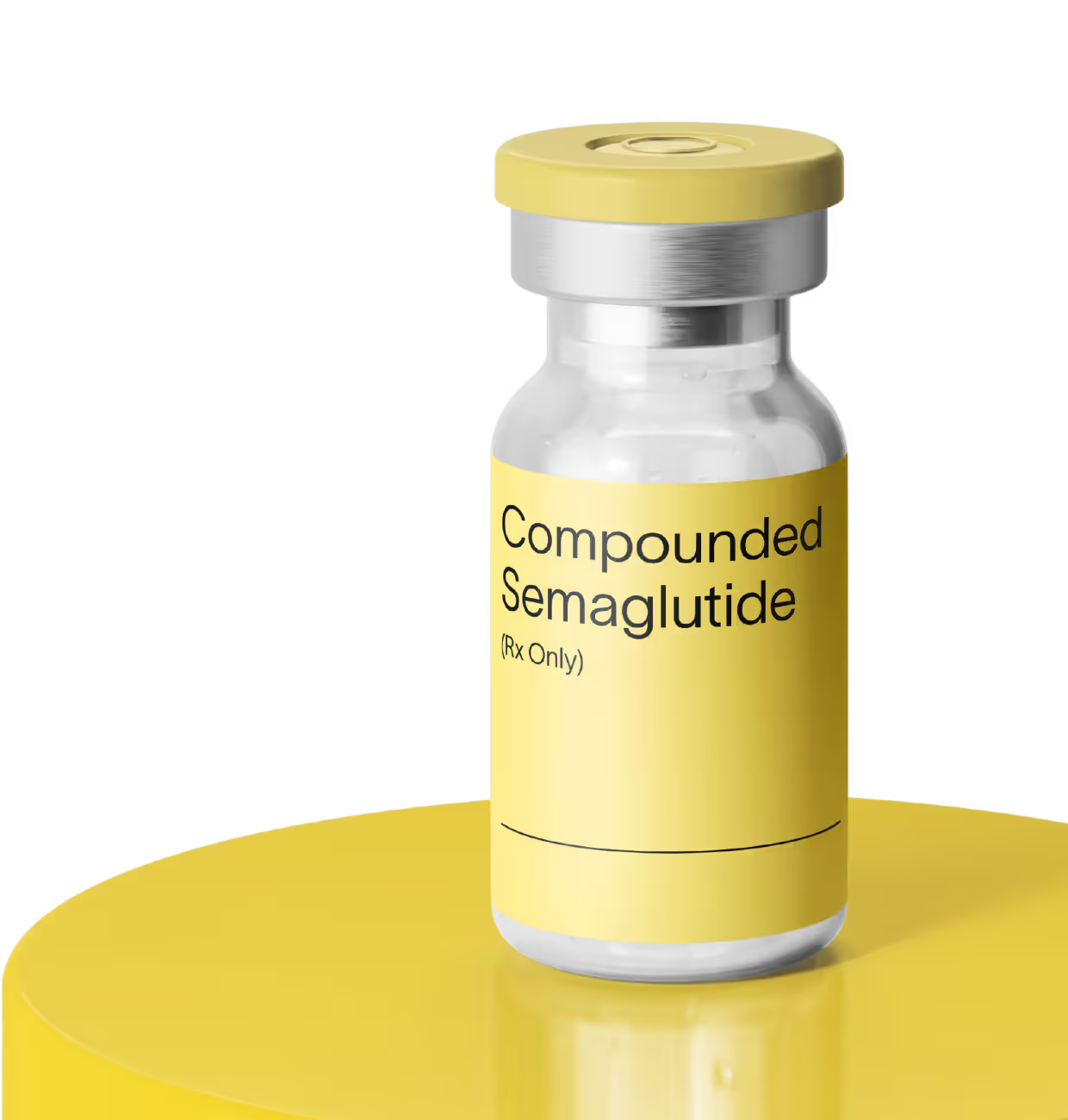
    Premium Medication you can trust

    Our weight loss medication is delivered straight to your doorstep from a state-licensed pharmacy within our reliable network, ensuring you receive your medication when you need it.

    Each pharmacy in our network undergoes rigorous third-party testing through FDA and DEA certified labs. These tests focus on four key elements, ensuring both safety and efficacy for our treatments.

    Curex is one of America’s largest telehealth providers

    Together with our partners we have changed the lives of over 300,000 patients. Here’s what some of them have to say:

    “Curex has performed beyond my expectations. I am feeling tremendously better and look forward to continuing the treatment.”
    Becky D.
    "If I could give 6 stars, I would. BEST... BEST… BEST… service.”
    Ferdian K.
    “The Curex staff has been professional, efficient, and really focused on my individual needs.”
    Ana C.

    Start your
    journey now

    Everything you need is included:

    Online consultation

    Your prescription

    Premium medication

    Overnight shipping

    Ongoing support

    A weight management program tailored to you

    Initial Dosage

    Your initial medication and dosage are carefully determined by doctors, taking into account your unique health profile. This ensures a personalized and safe treatment plan tailored to your specific needs.

    Titration

    We gradually adjust your dosage to reach the optimal therapeutic level, ensuring maximum effectiveness while minimizing potential side effects.

    Additional Treatments

    Our providers may also recommend medications such as metformin or supplements such as vitamin B12. We recognize the importance of managing side effects, so your care plan may include medication to alleviate them.

    Got questions? We have answers.

    What benefits does lutein offer for eye health?
  • Increased Risk of Retinal Disorders: Early indications of age-related macular degeneration or other retinal issues due to insufficient antioxidant protection.
  • How much lutein should I take each day?
  • Peripheral Vision Deficits: Noticeable decline in the ability to clearly see objects in the peripheral visual field.
  • Can lutein help protect my eyes from aging?
    Do your plans include prescriptions and medications?

    Curex plans cover everything from reviewing your medical intake to providing prescription medications, with free shipping included. There are no extra or hidden charges. Prescriptions are issued only after a medical provider reviews your information to confirm that the medication is suitable for you. Our service includes continuous support and regular follow-ups to ensure your treatment stays on track.

    Our clinicians may order labs and additional medications for you, which would not be covered by the plan but for which you can use your insurance.

    Please note: Compounded medications are tailored to individual needs or used in case of shortages, but they are not FDA-approved for safety or effectiveness. A prescription is required. Results may vary from person to person.

    What medications do your providers prescribe?

    We prioritize a personalized approach to your health. If your medical provider prescribes medication, options may include GLP-1 treatments such as compounded semaglutide. Our providers prescribe only combination treatments not available at your local pharmacy that may include vitamin B12, etc. to help you achieve your goals faster.

    Depending on your treatment goals, other medications such as metformin may also be considered. We recognize the importance of managing side effects, so your care plan might include medication to ease symptoms like nausea. Your well-being is always our top priority!

    Please note that compounded medications are customized to meet individual patient needs and are not FDA-approved for safety or effectiveness. A prescription is necessary. Results may vary from person to person.

    Curex and its pharmacy partners do not have any association with Novo Nordisk.

    Will I be prescribed semaglutide?

    Your health journey is unique, and we tailor our care to match. Any prescriptions, including semaglutide, will be based on the expert assessment of the medical provider matched with you through our platform. You can trust that your treatment plan will be personalized to fit your specific needs. And if semaglutide is not prescribed, we will provide a full refund.

    What is compounded medication?

    Compounding involves creating customized medications to meet the specific needs of individual patients. For instance, a patient may require a liquid version of a medication that is only available in tablet form. Pharmacies can also compound medications using FDA-approved drugs that are on the FDA’s shortage list.

    These compounded medications are made by state-licensed pharmacies that follow both federal and state regulations, including quality standards. However, when compounded in accordance with these laws, these medications are not subject to FDA approval and are not evaluated for safety or effectiveness.

    Is compounded medication the same as generic medication?

    Compounded medications differ from generic drugs. Generics require FDA approval by demonstrating bio-equivalence to the brand-name drug. In contrast, compounded medications are not FDA-approved. They are made based on a personalized prescription that may not be commercially available elsewhere or when a drug appears on the FDA’s shortage list. Compounding pharmacies must have the proper licensed facilities and comply with state and federal regulations before dispensing these medications.

    Is insurance required?

    No, Curex doesn’t require insurance. We offer clear and simple pricing, along with affordable medication options, making it easy and accessible to take care of your health.

    Can I pay with an FSA or HSA card?

    Yes! You can pay with your HSA or FSA card.

    No items found.
    Can you prescribe Ozempic®* or Wegovy®*?

    Our providers focus on personalized medications and dosages that aren’t commercially available at your local pharmacy. We don’t prescribe Ozempic®* or Wegovy®.* We may prescribe treatments containing compounded semaglutide or tirzepatide. These medications are specially compounded for you by a licensed pharmacy to meet your specific needs.

    Are video visits with a provider required?

    Our providers will review your information 100% online. Depending on where you live and the specifics of your medical history, our providers may require you to have a video visit or asynchronous visit via text message. If prescribed, you’ll get unlimited online access to message your provider as needed for follow-ups, adjustments, and answers to your questions.

    What states do you serve?

    Currently, we do not serve Arkansas, Connecticut, and New Mexico. However, we are always working to expand our reach, so stay in touch with us at hi@getcurex.com.

    What benefits does lutein offer for eye health?


    Eye Health Benefits of Lutein


    • Antioxidant Protection: Lutein helps neutralize free radicals, reducing oxidative stress in the eyes.
    • Blue Light Filtration: It filters out harmful blue light, protecting the retina from potential light-induced damage.
    • Reduced Risk of Macular Degeneration: Lutein intake is associated with a lower risk of developing age-related macular degeneration (AMD).
    • Enhanced Visual Performance: By improving contrast sensitivity and reducing glare, lutein may boost overall visual clarity.


    How much lutein should I take each day?


    Recommended Lutein Daily Dosage


    • General Guideline: Most supplements provide around 10 mg of lutein per day.
    • Research Findings: Studies often use a dosage range of 6 mg to 20 mg daily for eye health benefits.
    • Safety Note: Always consult with a healthcare professional to determine the dosage best for your individual needs.
    • Dietary Consideration: A balanced diet that includes lutein-rich foods such as leafy greens can complement supplemental intake.


    Can lutein help protect my eyes from aging?

     
    Eye Protection and Lutein
     

    Lutein is a carotenoid found in many leafy greens and other colorful fruits and vegetables. Research suggests that it may help protect the eyes from aging by providing antioxidant support and filtering harmful blue light.

    • Antioxidant Support: Lutein helps neutralize free radicals that contribute to oxidative stress in the eye.
    • Blue Light Filtering: It aids in filtering high-energy blue light, potentially reducing retinal damage over time.
    • Macular Health: Studies have shown that higher levels of lutein are linked to a lower risk of age-related macular degeneration (AMD).
    • Dietary Contribution: Consuming lutein-rich foods or supplements may support overall eye health as you age.
    • Professional Consultation: It is important to consult a healthcare provider before starting any supplementation regimen.