Symptoms of Low Lycopene: Causes, Treatment

Explore signs, effects, and treatments for low lycopene, plus tips on boosting levels with the best foods and preventing drops.
#1 Online
Allergy Clinic
 curex user showing allergy treatment kita patient showing allergy treatment boxa male patient showing allergy drops vial
50,000+
users

gr.

Carbohydrates

gr.

Sugar

gr.

Fats

gr.

Proteins

Calories

How to Improve Your Lycopene Level


Cardiovascular Implications

 
  • Reduced Antioxidant Defense: Low lycopene levels diminish the body’s capacity to neutralize free radicals, potentially leading to increased oxidative damage to blood vessels.
  • Increased Plaque Formation: Without the protective effects of lycopene, the risk of arterial plaque accumulation may rise, which can contribute to cardiovascular diseases.
  • Altered Lipid Profile: Insufficient lycopene may be linked to unfavorable changes in cholesterol and triglyceride levels, further exacerbating heart health issues.


Enhanced Oxidative Stress & Inflammatory Responses

 
  • Cellular Damage: Lycopene is a potent antioxidant; its low levels may lead to unchecked oxidative stress, damaging cellular components such as DNA, proteins, and lipids.
  • Chronic Inflammation: The resultant oxidative imbalance can trigger pro-inflammatory pathways, which over time may contribute to the development of chronic diseases.
  • Impaired Immune Function: A chronic state of oxidative stress may hamper the immune system’s efficiency in handling pathogens and repairing tissues.


Increased Risks of Chronic Diseases

 
  • Cancer Susceptibility: Some studies suggest that low lycopene levels are associated with an elevated risk for certain cancers, particularly prostate cancer, as lycopene’s antioxidant properties play a role in cellular regulation.
  • Skin Health and UV Protection: Lycopene contributes to skin defense against UV damage; low levels might reduce this natural protection, potentially accelerating skin aging and increasing the risk of skin lesions.
  • Metabolic Dysregulation: Emerging research indicates that insufficient lycopene may influence insulin sensitivity and overall metabolic processes, which could predispose individuals to metabolic syndrome.


Dietary Considerations & Strategies for Improvement

 
  • Incorporate Lycopene-Rich Foods: Boost your intake by consuming tomatoes, watermelon, pink grapefruit, and red peppers, preferably in cooked or processed forms to enhance lycopene bioavailability.
  • Enhance Absorption: Pair lycopene-rich foods with healthy fats like olive oil to improve absorption, as lycopene is fat-soluble.
  • Balanced Diet: Maintain a well-rounded diet with diverse antioxidants to support overall health and offset the risks associated with low lycopene.
 

Stay on track—experience the next level of support with weight loss medication

Learn More

What Causes Lycopene to Drop

Low Fat Consumption Affecting Absorption


  • Observation: Lycopene is fat-soluble, needing dietary fats for optimal absorption.
  • Impact: Diets very low in healthy fats (e.g., monounsaturated and polyunsaturated fats) reduce its bioavailability.


woman laying on a field of grass smiling

What Happens if Your Lycopene Is Low

Insufficient Dietary Intake


  • Observation: Limited consumption of lycopene-rich foods like tomatoes, watermelons, and pink grapefruits results in lower lycopene levels.
  • Impact: Regular diets lacking these sources fail to provide the necessary amounts.


Boost Your Progress with our Weight Loss Medication for Better Fat Loss

Learn More

What Food Has the Most Lycopene

Symptoms/Signs of Low Lycopene Levels

  • Heightened Oxidative Stress: Reduced antioxidant protection can lead to higher levels of free radicals, increasing cellular damage and accelerating aging processes.
  • Cardiovascular Concerns: Insufficient lycopene may contribute to the oxidation of LDL cholesterol, elevating the risk for atherosclerosis and heart disease.
  • Compromised Skin Health: Low lycopene levels may result in skin that appears dull, less resilient, and more susceptible to UV-induced damage.
  • Inflammatory Issues: A deficiency might be associated with an increased inflammatory response, which can exacerbate conditions such as arthritis.

Your health matters. Lose weight safely and efffectively with Curex

gr.

Carbohydrates

gr.

Sugar

gr.

Fats

gr.

Proteins

Calories

How to Improve Your Lycopene Level


Cardiovascular Implications

 
  • Reduced Antioxidant Defense: Low lycopene levels diminish the body’s capacity to neutralize free radicals, potentially leading to increased oxidative damage to blood vessels.
  • Increased Plaque Formation: Without the protective effects of lycopene, the risk of arterial plaque accumulation may rise, which can contribute to cardiovascular diseases.
  • Altered Lipid Profile: Insufficient lycopene may be linked to unfavorable changes in cholesterol and triglyceride levels, further exacerbating heart health issues.


Enhanced Oxidative Stress & Inflammatory Responses

 
  • Cellular Damage: Lycopene is a potent antioxidant; its low levels may lead to unchecked oxidative stress, damaging cellular components such as DNA, proteins, and lipids.
  • Chronic Inflammation: The resultant oxidative imbalance can trigger pro-inflammatory pathways, which over time may contribute to the development of chronic diseases.
  • Impaired Immune Function: A chronic state of oxidative stress may hamper the immune system’s efficiency in handling pathogens and repairing tissues.


Increased Risks of Chronic Diseases

 
  • Cancer Susceptibility: Some studies suggest that low lycopene levels are associated with an elevated risk for certain cancers, particularly prostate cancer, as lycopene’s antioxidant properties play a role in cellular regulation.
  • Skin Health and UV Protection: Lycopene contributes to skin defense against UV damage; low levels might reduce this natural protection, potentially accelerating skin aging and increasing the risk of skin lesions.
  • Metabolic Dysregulation: Emerging research indicates that insufficient lycopene may influence insulin sensitivity and overall metabolic processes, which could predispose individuals to metabolic syndrome.


Dietary Considerations & Strategies for Improvement

 
  • Incorporate Lycopene-Rich Foods: Boost your intake by consuming tomatoes, watermelon, pink grapefruit, and red peppers, preferably in cooked or processed forms to enhance lycopene bioavailability.
  • Enhance Absorption: Pair lycopene-rich foods with healthy fats like olive oil to improve absorption, as lycopene is fat-soluble.
  • Balanced Diet: Maintain a well-rounded diet with diverse antioxidants to support overall health and offset the risks associated with low lycopene.
 

Combine supplements for faster results—try our meds

Learn More

What Causes Lycopene to Drop

woman laying on a field of grass smiling

Digestive and Absorption Disorders


  • Observation: Conditions such as celiac disease, Crohn’s disease, or pancreatic insufficiency impair fat absorption.
  • Impact: These disorders hinder the proper uptake of fat-soluble nutrients including lycopene.


Jumpstart your journey with our medications

Learn More

Genetic and Metabolic Variations


  • Observation: Genetic differences can affect the metabolism, transport, and conversion of carotenoids like lycopene.
  • Impact: Certain individuals may have a lower capacity to utilize dietary lycopene effectively.


Increased Oxidative Stress and Inflammation


  • Observation: High oxidative stress and chronic inflammation can lead to increased utilization and depletion of lycopene.
  • Impact: The body may consume available lycopene faster in neutralizing free radicals, resulting in lower circulating levels.


Combine supplements for faster results—try our meds

Learn More

What Happens if Your Lycopene Is Low


Eat Lycopene-Rich Foods

 
  • Tomatoes: Incorporate raw tomatoes, tomato paste, and sauces as they are one of the richest sources of lycopene.
  • Other Fruits: Enjoy watermelon, pink grapefruit, papaya, and guava which also contribute significant lycopene levels.
  • Variety Matters: Using a variety of lycopene-containing foods ensures you receive other complementary nutrients.


Enhance Absorption with Healthy Fats

 
  • Add Oils: Drizzle olive oil or avocado oil over salads and tomato dishes to improve lycopene bioavailability.
  • Balance Meals: Combine lycopene-rich produce with nuts, seeds, or other fat sources to boost absorption.
  • Cooking Synergy: When cooking, use fats as they help break down the fruit cell walls, releasing more lycopene.


Optimize Cooking and Food Preparation

 
  • Heat Processing: Light cooking or minimal processing, such as simmering tomato sauce, not only enhances flavor but increases the bioavailable lycopene content.
  • Avoid Overcooking: Overcooking can degrade some antioxidants; aim for gentle heat application.
  • Blend and Puree: Blending tomato products can help release more lycopene from the cellular structure.


Consider Supplements and Fortified Foods

 
  • Supplements: If dietary intake is insufficient, consult a healthcare professional about lycopene supplements to safely reach desired levels.
  • Fortified Options: Look for foods such as fortified sauces or beverages that may supplement your lycopene intake, especially during lower seasonal availability.
  • Quality First: Always choose high-quality supplements with proper certifications to ensure potency and safety.


Maintain an Overall Antioxidant-Rich Diet

 
  • Balanced Diet: Combining lycopene with other antioxidants like vitamin C, vitamin E, and beta-carotene creates a synergistic defense against oxidative stress.
  • Lifestyle Factors: Adequate hydration, regular physical activity, and avoiding smoking further optimize the benefits of lycopene.
  • Monitor Intake: Keeping a food journal can help you ensure that you maintain consistent lycopene levels alongside a balanced diet.

Boost Your Progress with our Weight Loss Medication for Better Fat Loss

Learn More

Signs Your Lycopene Is Low

Insufficient Dietary Intake


  • Observation: Limited consumption of lycopene-rich foods like tomatoes, watermelons, and pink grapefruits results in lower lycopene levels.
  • Impact: Regular diets lacking these sources fail to provide the necessary amounts.


Low Fat Consumption Affecting Absorption


  • Observation: Lycopene is fat-soluble, needing dietary fats for optimal absorption.
  • Impact: Diets very low in healthy fats (e.g., monounsaturated and polyunsaturated fats) reduce its bioavailability.


Food Processing and Cooking Methods


  • Observation: Overcooking or extended heat exposure can break down lycopene content in foods.
  • Impact: Improper preparation techniques lead to degradation, lowering the effective intake.


Supercharge weight loss: pair whey with our meds

What Food Has the Most Lycopene

Symptoms/Signs of Low Lycopene Levels

  • Heightened Oxidative Stress: Reduced antioxidant protection can lead to higher levels of free radicals, increasing cellular damage and accelerating aging processes.
  • Cardiovascular Concerns: Insufficient lycopene may contribute to the oxidation of LDL cholesterol, elevating the risk for atherosclerosis and heart disease.
  • Compromised Skin Health: Low lycopene levels may result in skin that appears dull, less resilient, and more susceptible to UV-induced damage.
  • Inflammatory Issues: A deficiency might be associated with an increased inflammatory response, which can exacerbate conditions such as arthritis.

Your health matters. Lose weight safely and effectively with Curex

Stay safe—shed pounds with our proven medications

Learn More

Does Lycopene reduce cancer risk?

 
Lycopene and Cancer Risk
 

  • Evidence Overview: Some observational studies indicate that consuming foods rich in lycopene, such as tomatoes, may be associated with a lower risk of certain cancers, particularly prostate cancer.
  • Potential Mechanisms: Lycopene’s antioxidant properties might help in reducing oxidative stress and inflammation, which are factors implicated in cancer development.
  • Study Limitations: Many studies are observational and can be influenced by various lifestyle and dietary factors; thus, the direct impact of lycopene on cancer risk remains inconclusive.
  • Dietary Recommendation: Incorporating lycopene-rich foods as part of a balanced diet may offer health benefits, but it should not be solely relied upon for cancer prevention.


What are the health benefits of Lycopene?

 
Antioxidant Activity
 

  • Cell Protection: Lycopene helps neutralize free radicals, reducing oxidative stress and damage to cells.
  • Skin Health: It supports the skin by protecting against UV-induced damage.

 
Cardiovascular Health
 

  • Heart Function: Lycopene may contribute to improved blood vessel function and support overall heart health.
  • Cholesterol Management: It is associated with lowering LDL cholesterol levels, which helps maintain healthy blood pressure.

 
Cancer Prevention
 

  • Prostate Cancer: Studies indicate that higher lycopene levels may lower the risk of developing prostate cancer.
  • Other Cancers: Research is exploring lycopene’s potential role in reducing the risk of certain other cancers.

 
Bone Health
 

  • Bone Density: Lycopene may aid in maintaining or improving bone mineral density, contributing to overall bone strength.

 
Immune Support & General Well-being
 

  • Immune Function: Its antioxidant properties help support immune health and reduce inflammation.
  • Overall Health: Regular consumption of lycopene-rich foods contributes to better general well-being.
 

How much Lycopene should I take daily?

 
Daily Lycopene Dosage
 

  • General Guidance: Many supplements offer between 10-20 mg of lycopene daily.
  • Health Benefits: Some studies indicate that up to 30 mg per day may be used for additional antioxidant support.
  • Individual Needs: Dosage can vary based on age, health conditions, and dietary habits.
  • Professional Advice: It is essential to consult with a healthcare professional to determine the right amount for your specific circumstances.
 

Still have questions? Our weight-loss meds have answers

Symptoms/Signs of Low Lycopene Levels

  • Heightened Oxidative Stress: Reduced antioxidant protection can lead to higher levels of free radicals, increasing cellular damage and accelerating aging processes.
  • Cardiovascular Concerns: Insufficient lycopene may contribute to the oxidation of LDL cholesterol, elevating the risk for atherosclerosis and heart disease.
  • Compromised Skin Health: Low lycopene levels may result in skin that appears dull, less resilient, and more susceptible to UV-induced damage.
  • Inflammatory Issues: A deficiency might be associated with an increased inflammatory response, which can exacerbate conditions such as arthritis.

Boost Any Diet with our Weight Loss Medication for Better Fat Loss

Learn More

What Happens if Your Lycopene Is Low

Insufficient Dietary Intake


  • Observation: Limited consumption of lycopene-rich foods like tomatoes, watermelons, and pink grapefruits results in lower lycopene levels.
  • Impact: Regular diets lacking these sources fail to provide the necessary amounts.


Low Fat Consumption Affecting Absorption


  • Observation: Lycopene is fat-soluble, needing dietary fats for optimal absorption.
  • Impact: Diets very low in healthy fats (e.g., monounsaturated and polyunsaturated fats) reduce its bioavailability.


Food Processing and Cooking Methods


  • Observation: Overcooking or extended heat exposure can break down lycopene content in foods.
  • Impact: Improper preparation techniques lead to degradation, lowering the effective intake.


Digestive and Absorption Disorders


  • Observation: Conditions such as celiac disease, Crohn’s disease, or pancreatic insufficiency impair fat absorption.
  • Impact: These disorders hinder the proper uptake of fat-soluble nutrients including lycopene.


Genetic and Metabolic Variations


  • Observation: Genetic differences can affect the metabolism, transport, and conversion of carotenoids like lycopene.
  • Impact: Certain individuals may have a lower capacity to utilize dietary lycopene effectively.


Increased Oxidative Stress and Inflammation


  • Observation: High oxidative stress and chronic inflammation can lead to increased utilization and depletion of lycopene.
  • Impact: The body may consume available lycopene faster in neutralizing free radicals, resulting in lower circulating levels.


Want Results That Last? Add our Weight-Loss Medication

woman laying on a field of grass smiling

What Food Has the Most Lycopene


Tomato-Based Foods: The Pinnacle of Lycopene Content

 
  • Ripe Tomatoes: Ripe, red tomatoes are renowned for their high lycopene levels. The vibrant red pigment in tomatoes is directly linked to their rich lycopene content, which is a potent antioxidant known for its potential in reducing the risk of chronic diseases.
  • Processed Tomato Products: Cooking tomatoes into products such as tomato paste, sauce, or ketchup not only concentrates lycopene but also enhances its bioavailability. The heat processing breaks down cell walls, making lycopene easier for the body to absorb.
  • Nutritional Benefits: Beyond lycopene, tomatoes supply vitamins A and C, potassium, and fiber. These nutrients work synergistically to support heart health, improve skin condition, and bolster the immune system.
  • Comparison to Other Sources: Although foods like watermelon, pink grapefruit, and papaya contain lycopene, tomatoes and their processed forms remain the most potent and readily available sources of this nutrient.
 

Simple Changes, Stunning Results—Combine Your Diet with Our Weight Loss Medication

Learn More

What Causes Lycopene to Drop

 
Lycopene and Cancer Risk
 

  • Evidence Overview: Some observational studies indicate that consuming foods rich in lycopene, such as tomatoes, may be associated with a lower risk of certain cancers, particularly prostate cancer.
  • Potential Mechanisms: Lycopene’s antioxidant properties might help in reducing oxidative stress and inflammation, which are factors implicated in cancer development.
  • Study Limitations: Many studies are observational and can be influenced by various lifestyle and dietary factors; thus, the direct impact of lycopene on cancer risk remains inconclusive.
  • Dietary Recommendation: Incorporating lycopene-rich foods as part of a balanced diet may offer health benefits, but it should not be solely relied upon for cancer prevention.


Antioxidant Activity
 

  • Cell Protection: Lycopene helps neutralize free radicals, reducing oxidative stress and damage to cells.
  • Skin Health: It supports the skin by protecting against UV-induced damage.

 
Cardiovascular Health
 

  • Heart Function: Lycopene may contribute to improved blood vessel function and support overall heart health.
  • Cholesterol Management: It is associated with lowering LDL cholesterol levels, which helps maintain healthy blood pressure.

 
Cancer Prevention
 

  • Prostate Cancer: Studies indicate that higher lycopene levels may lower the risk of developing prostate cancer.
  • Other Cancers: Research is exploring lycopene’s potential role in reducing the risk of certain other cancers.

 
Bone Health
 

  • Bone Density: Lycopene may aid in maintaining or improving bone mineral density, contributing to overall bone strength.

 
Immune Support & General Well-being
 

  • Immune Function: Its antioxidant properties help support immune health and reduce inflammation.
  • Overall Health: Regular consumption of lycopene-rich foods contributes to better general well-being.


Daily Lycopene Dosage
 

  • General Guidance: Many supplements offer between 10-20 mg of lycopene daily.
  • Health Benefits: Some studies indicate that up to 30 mg per day may be used for additional antioxidant support.
  • Individual Needs: Dosage can vary based on age, health conditions, and dietary habits.
  • Professional Advice: It is essential to consult with a healthcare professional to determine the right amount for your specific circumstances.
 

Achieve your maximum potential: combine this plan with our weight loss medication

How to Improve Your Lycopene Level

woman laying on a field of grass smiling

Symptoms of Low Lycopene: Causes, Treatment


Cardiovascular Implications

 
  • Reduced Antioxidant Defense: Low lycopene levels diminish the body’s capacity to neutralize free radicals, potentially leading to increased oxidative damage to blood vessels.
  • Increased Plaque Formation: Without the protective effects of lycopene, the risk of arterial plaque accumulation may rise, which can contribute to cardiovascular diseases.
  • Altered Lipid Profile: Insufficient lycopene may be linked to unfavorable changes in cholesterol and triglyceride levels, further exacerbating heart health issues.


Enhanced Oxidative Stress & Inflammatory Responses

 
  • Cellular Damage: Lycopene is a potent antioxidant; its low levels may lead to unchecked oxidative stress, damaging cellular components such as DNA, proteins, and lipids.
  • Chronic Inflammation: The resultant oxidative imbalance can trigger pro-inflammatory pathways, which over time may contribute to the development of chronic diseases.
  • Impaired Immune Function: A chronic state of oxidative stress may hamper the immune system’s efficiency in handling pathogens and repairing tissues.


Increased Risks of Chronic Diseases

 
  • Cancer Susceptibility: Some studies suggest that low lycopene levels are associated with an elevated risk for certain cancers, particularly prostate cancer, as lycopene’s antioxidant properties play a role in cellular regulation.
  • Skin Health and UV Protection: Lycopene contributes to skin defense against UV damage; low levels might reduce this natural protection, potentially accelerating skin aging and increasing the risk of skin lesions.
  • Metabolic Dysregulation: Emerging research indicates that insufficient lycopene may influence insulin sensitivity and overall metabolic processes, which could predispose individuals to metabolic syndrome.


Dietary Considerations & Strategies for Improvement

 
  • Incorporate Lycopene-Rich Foods: Boost your intake by consuming tomatoes, watermelon, pink grapefruit, and red peppers, preferably in cooked or processed forms to enhance lycopene bioavailability.
  • Enhance Absorption: Pair lycopene-rich foods with healthy fats like olive oil to improve absorption, as lycopene is fat-soluble.
  • Balanced Diet: Maintain a well-rounded diet with diverse antioxidants to support overall health and offset the risks associated with low lycopene.
 

Signs Your Lycopene Is Low

Symptoms/Signs of Low Lycopene Levels

  • Heightened Oxidative Stress: Reduced antioxidant protection can lead to higher levels of free radicals, increasing cellular damage and accelerating aging processes.
  • Cardiovascular Concerns: Insufficient lycopene may contribute to the oxidation of LDL cholesterol, elevating the risk for atherosclerosis and heart disease.
  • Compromised Skin Health: Low lycopene levels may result in skin that appears dull, less resilient, and more susceptible to UV-induced damage.
  • Inflammatory Issues: A deficiency might be associated with an increased inflammatory response, which can exacerbate conditions such as arthritis.
  • Weak Immune Response: Inadequate lycopene can impair cellular defense mechanisms, potentially leading to a higher susceptibility to infections.
  • Eye Health Vulnerability: Reduced protection from oxidative stress may lead to issues in eye tissues, affecting overall ocular health over time.

Studies show low Vitamin C can make your body burn 30% less fat during exercise​
Don’t let a deficiency hold back your weight loss – see how our medication can help accelerate your results

What Happens if Your Lycopene Is Low


Cardiovascular Implications

 
  • Reduced Antioxidant Defense: Low lycopene levels diminish the body’s capacity to neutralize free radicals, potentially leading to increased oxidative damage to blood vessels.
  • Increased Plaque Formation: Without the protective effects of lycopene, the risk of arterial plaque accumulation may rise, which can contribute to cardiovascular diseases.
  • Altered Lipid Profile: Insufficient lycopene may be linked to unfavorable changes in cholesterol and triglyceride levels, further exacerbating heart health issues.


Enhanced Oxidative Stress & Inflammatory Responses

 
  • Cellular Damage: Lycopene is a potent antioxidant; its low levels may lead to unchecked oxidative stress, damaging cellular components such as DNA, proteins, and lipids.
  • Chronic Inflammation: The resultant oxidative imbalance can trigger pro-inflammatory pathways, which over time may contribute to the development of chronic diseases.
  • Impaired Immune Function: A chronic state of oxidative stress may hamper the immune system’s efficiency in handling pathogens and repairing tissues.


Increased Risks of Chronic Diseases

 
  • Cancer Susceptibility: Some studies suggest that low lycopene levels are associated with an elevated risk for certain cancers, particularly prostate cancer, as lycopene’s antioxidant properties play a role in cellular regulation.
  • Skin Health and UV Protection: Lycopene contributes to skin defense against UV damage; low levels might reduce this natural protection, potentially accelerating skin aging and increasing the risk of skin lesions.
  • Metabolic Dysregulation: Emerging research indicates that insufficient lycopene may influence insulin sensitivity and overall metabolic processes, which could predispose individuals to metabolic syndrome.


Dietary Considerations & Strategies for Improvement

 
  • Incorporate Lycopene-Rich Foods: Boost your intake by consuming tomatoes, watermelon, pink grapefruit, and red peppers, preferably in cooked or processed forms to enhance lycopene bioavailability.
  • Enhance Absorption: Pair lycopene-rich foods with healthy fats like olive oil to improve absorption, as lycopene is fat-soluble.
  • Balanced Diet: Maintain a well-rounded diet with diverse antioxidants to support overall health and offset the risks associated with low lycopene.
 

Our weight loss medication is designed to tackle slow fat burning so you can shed those extra inches – get started now.

Learn More

What Causes Lycopene to Drop

Insufficient Dietary Intake


  • Observation: Limited consumption of lycopene-rich foods like tomatoes, watermelons, and pink grapefruits results in lower lycopene levels.
  • Impact: Regular diets lacking these sources fail to provide the necessary amounts.


Low Fat Consumption Affecting Absorption


  • Observation: Lycopene is fat-soluble, needing dietary fats for optimal absorption.
  • Impact: Diets very low in healthy fats (e.g., monounsaturated and polyunsaturated fats) reduce its bioavailability.


Food Processing and Cooking Methods


  • Observation: Overcooking or extended heat exposure can break down lycopene content in foods.
  • Impact: Improper preparation techniques lead to degradation, lowering the effective intake.


Digestive and Absorption Disorders


  • Observation: Conditions such as celiac disease, Crohn’s disease, or pancreatic insufficiency impair fat absorption.
  • Impact: These disorders hinder the proper uptake of fat-soluble nutrients including lycopene.


Genetic and Metabolic Variations


  • Observation: Genetic differences can affect the metabolism, transport, and conversion of carotenoids like lycopene.
  • Impact: Certain individuals may have a lower capacity to utilize dietary lycopene effectively.


Increased Oxidative Stress and Inflammation


  • Observation: High oxidative stress and chronic inflammation can lead to increased utilization and depletion of lycopene.
  • Impact: The body may consume available lycopene faster in neutralizing free radicals, resulting in lower circulating levels.


Not getting enough fruits and veggies?
A nutrient-poor diet can leave you low in Vitamins and struggling with weight.
Our weight loss medication helps boost your metabolism even when nutritional gaps hold you back.

Curex oral dissolving tablets (ODT)

How to Improve Your Lycopene Level


Eat Lycopene-Rich Foods

 
  • Tomatoes: Incorporate raw tomatoes, tomato paste, and sauces as they are one of the richest sources of lycopene.
  • Other Fruits: Enjoy watermelon, pink grapefruit, papaya, and guava which also contribute significant lycopene levels.
  • Variety Matters: Using a variety of lycopene-containing foods ensures you receive other complementary nutrients.


Enhance Absorption with Healthy Fats

 
  • Add Oils: Drizzle olive oil or avocado oil over salads and tomato dishes to improve lycopene bioavailability.
  • Balance Meals: Combine lycopene-rich produce with nuts, seeds, or other fat sources to boost absorption.
  • Cooking Synergy: When cooking, use fats as they help break down the fruit cell walls, releasing more lycopene.


Optimize Cooking and Food Preparation

 
  • Heat Processing: Light cooking or minimal processing, such as simmering tomato sauce, not only enhances flavor but increases the bioavailable lycopene content.
  • Avoid Overcooking: Overcooking can degrade some antioxidants; aim for gentle heat application.
  • Blend and Puree: Blending tomato products can help release more lycopene from the cellular structure.


Consider Supplements and Fortified Foods

 
  • Supplements: If dietary intake is insufficient, consult a healthcare professional about lycopene supplements to safely reach desired levels.
  • Fortified Options: Look for foods such as fortified sauces or beverages that may supplement your lycopene intake, especially during lower seasonal availability.
  • Quality First: Always choose high-quality supplements with proper certifications to ensure potency and safety.


Maintain an Overall Antioxidant-Rich Diet

 
  • Balanced Diet: Combining lycopene with other antioxidants like vitamin C, vitamin E, and beta-carotene creates a synergistic defense against oxidative stress.
  • Lifestyle Factors: Adequate hydration, regular physical activity, and avoiding smoking further optimize the benefits of lycopene.
  • Monitor Intake: Keeping a food journal can help you ensure that you maintain consistent lycopene levels alongside a balanced diet.

Combine supplements for faster results—try our meds

Learn More

What Food Has the Most Lycopene


Tomato-Based Foods: The Pinnacle of Lycopene Content

 
  • Ripe Tomatoes: Ripe, red tomatoes are renowned for their high lycopene levels. The vibrant red pigment in tomatoes is directly linked to their rich lycopene content, which is a potent antioxidant known for its potential in reducing the risk of chronic diseases.
  • Processed Tomato Products: Cooking tomatoes into products such as tomato paste, sauce, or ketchup not only concentrates lycopene but also enhances its bioavailability. The heat processing breaks down cell walls, making lycopene easier for the body to absorb.
  • Nutritional Benefits: Beyond lycopene, tomatoes supply vitamins A and C, potassium, and fiber. These nutrients work synergistically to support heart health, improve skin condition, and bolster the immune system.
  • Comparison to Other Sources: Although foods like watermelon, pink grapefruit, and papaya contain lycopene, tomatoes and their processed forms remain the most potent and readily available sources of this nutrient.
 

Does Lycopene reduce cancer risk?

 
Lycopene and Cancer Risk
 

  • Evidence Overview: Some observational studies indicate that consuming foods rich in lycopene, such as tomatoes, may be associated with a lower risk of certain cancers, particularly prostate cancer.
  • Potential Mechanisms: Lycopene’s antioxidant properties might help in reducing oxidative stress and inflammation, which are factors implicated in cancer development.
  • Study Limitations: Many studies are observational and can be influenced by various lifestyle and dietary factors; thus, the direct impact of lycopene on cancer risk remains inconclusive.
  • Dietary Recommendation: Incorporating lycopene-rich foods as part of a balanced diet may offer health benefits, but it should not be solely relied upon for cancer prevention.


What are the health benefits of Lycopene?

 
Antioxidant Activity
 

  • Cell Protection: Lycopene helps neutralize free radicals, reducing oxidative stress and damage to cells.
  • Skin Health: It supports the skin by protecting against UV-induced damage.

 
Cardiovascular Health
 

  • Heart Function: Lycopene may contribute to improved blood vessel function and support overall heart health.
  • Cholesterol Management: It is associated with lowering LDL cholesterol levels, which helps maintain healthy blood pressure.

 
Cancer Prevention
 

  • Prostate Cancer: Studies indicate that higher lycopene levels may lower the risk of developing prostate cancer.
  • Other Cancers: Research is exploring lycopene’s potential role in reducing the risk of certain other cancers.

 
Bone Health
 

  • Bone Density: Lycopene may aid in maintaining or improving bone mineral density, contributing to overall bone strength.

 
Immune Support & General Well-being
 

  • Immune Function: Its antioxidant properties help support immune health and reduce inflammation.
  • Overall Health: Regular consumption of lycopene-rich foods contributes to better general well-being.
 

How much Lycopene should I take daily?

 
Daily Lycopene Dosage
 

  • General Guidance: Many supplements offer between 10-20 mg of lycopene daily.
  • Health Benefits: Some studies indicate that up to 30 mg per day may be used for additional antioxidant support.
  • Individual Needs: Dosage can vary based on age, health conditions, and dietary habits.
  • Professional Advice: It is essential to consult with a healthcare professional to determine the right amount for your specific circumstances.
 

Still have questions?

We have answers. Book a consultation

Still have questions? Our weight-loss meds have answers


Cardiovascular Implications

 
  • Reduced Antioxidant Defense: Low lycopene levels diminish the body’s capacity to neutralize free radicals, potentially leading to increased oxidative damage to blood vessels.
  • Increased Plaque Formation: Without the protective effects of lycopene, the risk of arterial plaque accumulation may rise, which can contribute to cardiovascular diseases.
  • Altered Lipid Profile: Insufficient lycopene may be linked to unfavorable changes in cholesterol and triglyceride levels, further exacerbating heart health issues.


Enhanced Oxidative Stress & Inflammatory Responses

 
  • Cellular Damage: Lycopene is a potent antioxidant; its low levels may lead to unchecked oxidative stress, damaging cellular components such as DNA, proteins, and lipids.
  • Chronic Inflammation: The resultant oxidative imbalance can trigger pro-inflammatory pathways, which over time may contribute to the development of chronic diseases.
  • Impaired Immune Function: A chronic state of oxidative stress may hamper the immune system’s efficiency in handling pathogens and repairing tissues.


Increased Risks of Chronic Diseases

 
  • Cancer Susceptibility: Some studies suggest that low lycopene levels are associated with an elevated risk for certain cancers, particularly prostate cancer, as lycopene’s antioxidant properties play a role in cellular regulation.
  • Skin Health and UV Protection: Lycopene contributes to skin defense against UV damage; low levels might reduce this natural protection, potentially accelerating skin aging and increasing the risk of skin lesions.
  • Metabolic Dysregulation: Emerging research indicates that insufficient lycopene may influence insulin sensitivity and overall metabolic processes, which could predispose individuals to metabolic syndrome.


Dietary Considerations & Strategies for Improvement

 
  • Incorporate Lycopene-Rich Foods: Boost your intake by consuming tomatoes, watermelon, pink grapefruit, and red peppers, preferably in cooked or processed forms to enhance lycopene bioavailability.
  • Enhance Absorption: Pair lycopene-rich foods with healthy fats like olive oil to improve absorption, as lycopene is fat-soluble.
  • Balanced Diet: Maintain a well-rounded diet with diverse antioxidants to support overall health and offset the risks associated with low lycopene.
 

Our weight loss medication is designed to tackle slow fat burning so you can shed those extra inches – get started now.

Learn More

What Happens if Your Lycopene Is Low

Insufficient Dietary Intake


  • Observation: Limited consumption of lycopene-rich foods like tomatoes, watermelons, and pink grapefruits results in lower lycopene levels.
  • Impact: Regular diets lacking these sources fail to provide the necessary amounts.


Low Fat Consumption Affecting Absorption


  • Observation: Lycopene is fat-soluble, needing dietary fats for optimal absorption.
  • Impact: Diets very low in healthy fats (e.g., monounsaturated and polyunsaturated fats) reduce its bioavailability.


Food Processing and Cooking Methods


  • Observation: Overcooking or extended heat exposure can break down lycopene content in foods.
  • Impact: Improper preparation techniques lead to degradation, lowering the effective intake.


What Causes Lycopene to Drop

Digestive and Absorption Disorders


  • Observation: Conditions such as celiac disease, Crohn’s disease, or pancreatic insufficiency impair fat absorption.
  • Impact: These disorders hinder the proper uptake of fat-soluble nutrients including lycopene.


Genetic and Metabolic Variations


  • Observation: Genetic differences can affect the metabolism, transport, and conversion of carotenoids like lycopene.
  • Impact: Certain individuals may have a lower capacity to utilize dietary lycopene effectively.


Increased Oxidative Stress and Inflammation


  • Observation: High oxidative stress and chronic inflammation can lead to increased utilization and depletion of lycopene.
  • Impact: The body may consume available lycopene faster in neutralizing free radicals, resulting in lower circulating levels.


Eat Lycopene-Rich Foods

 
  • Tomatoes: Incorporate raw tomatoes, tomato paste, and sauces as they are one of the richest sources of lycopene.
  • Other Fruits: Enjoy watermelon, pink grapefruit, papaya, and guava which also contribute significant lycopene levels.
  • Variety Matters: Using a variety of lycopene-containing foods ensures you receive other complementary nutrients.


Enhance Absorption with Healthy Fats

 
  • Add Oils: Drizzle olive oil or avocado oil over salads and tomato dishes to improve lycopene bioavailability.
  • Balance Meals: Combine lycopene-rich produce with nuts, seeds, or other fat sources to boost absorption.
  • Cooking Synergy: When cooking, use fats as they help break down the fruit cell walls, releasing more lycopene.


Optimize Cooking and Food Preparation

 
  • Heat Processing: Light cooking or minimal processing, such as simmering tomato sauce, not only enhances flavor but increases the bioavailable lycopene content.
  • Avoid Overcooking: Overcooking can degrade some antioxidants; aim for gentle heat application.
  • Blend and Puree: Blending tomato products can help release more lycopene from the cellular structure.


Consider Supplements and Fortified Foods

 
  • Supplements: If dietary intake is insufficient, consult a healthcare professional about lycopene supplements to safely reach desired levels.
  • Fortified Options: Look for foods such as fortified sauces or beverages that may supplement your lycopene intake, especially during lower seasonal availability.
  • Quality First: Always choose high-quality supplements with proper certifications to ensure potency and safety.


Maintain an Overall Antioxidant-Rich Diet

 
  • Balanced Diet: Combining lycopene with other antioxidants like vitamin C, vitamin E, and beta-carotene creates a synergistic defense against oxidative stress.
  • Lifestyle Factors: Adequate hydration, regular physical activity, and avoiding smoking further optimize the benefits of lycopene.
  • Monitor Intake: Keeping a food journal can help you ensure that you maintain consistent lycopene levels alongside a balanced diet.

Following the rules but not seeing results? We’ve got your back.

Learn More

Symptoms/Signs of Low Lycopene Levels

  • Heightened Oxidative Stress: Reduced antioxidant protection can lead to higher levels of free radicals, increasing cellular damage and accelerating aging processes.
  • Cardiovascular Concerns: Insufficient lycopene may contribute to the oxidation of LDL cholesterol, elevating the risk for atherosclerosis and heart disease.
  • Compromised Skin Health: Low lycopene levels may result in skin that appears dull, less resilient, and more susceptible to UV-induced damage.
  • Inflammatory Issues: A deficiency might be associated with an increased inflammatory response, which can exacerbate conditions such as arthritis.

Our weight loss meds can help you slim down faster.

What Food Has the Most Lycopene

Signs Your Lycopene Is Low

Pair smart eating with real fat-burning support—see the difference

 
Lycopene and Cancer Risk
 

  • Evidence Overview: Some observational studies indicate that consuming foods rich in lycopene, such as tomatoes, may be associated with a lower risk of certain cancers, particularly prostate cancer.
  • Potential Mechanisms: Lycopene’s antioxidant properties might help in reducing oxidative stress and inflammation, which are factors implicated in cancer development.
  • Study Limitations: Many studies are observational and can be influenced by various lifestyle and dietary factors; thus, the direct impact of lycopene on cancer risk remains inconclusive.
  • Dietary Recommendation: Incorporating lycopene-rich foods as part of a balanced diet may offer health benefits, but it should not be solely relied upon for cancer prevention.


Antioxidant Activity
 

  • Cell Protection: Lycopene helps neutralize free radicals, reducing oxidative stress and damage to cells.
  • Skin Health: It supports the skin by protecting against UV-induced damage.

 
Cardiovascular Health
 

  • Heart Function: Lycopene may contribute to improved blood vessel function and support overall heart health.
  • Cholesterol Management: It is associated with lowering LDL cholesterol levels, which helps maintain healthy blood pressure.

 
Cancer Prevention
 

  • Prostate Cancer: Studies indicate that higher lycopene levels may lower the risk of developing prostate cancer.
  • Other Cancers: Research is exploring lycopene’s potential role in reducing the risk of certain other cancers.

 
Bone Health
 

  • Bone Density: Lycopene may aid in maintaining or improving bone mineral density, contributing to overall bone strength.

 
Immune Support & General Well-being
 

  • Immune Function: Its antioxidant properties help support immune health and reduce inflammation.
  • Overall Health: Regular consumption of lycopene-rich foods contributes to better general well-being.


Daily Lycopene Dosage
 

  • General Guidance: Many supplements offer between 10-20 mg of lycopene daily.
  • Health Benefits: Some studies indicate that up to 30 mg per day may be used for additional antioxidant support.
  • Individual Needs: Dosage can vary based on age, health conditions, and dietary habits.
  • Professional Advice: It is essential to consult with a healthcare professional to determine the right amount for your specific circumstances.
 

Achieve your maximum potential: combine diet plan with our weight loss medication


Tomato-Based Foods: The Pinnacle of Lycopene Content

 
  • Ripe Tomatoes: Ripe, red tomatoes are renowned for their high lycopene levels. The vibrant red pigment in tomatoes is directly linked to their rich lycopene content, which is a potent antioxidant known for its potential in reducing the risk of chronic diseases.
  • Processed Tomato Products: Cooking tomatoes into products such as tomato paste, sauce, or ketchup not only concentrates lycopene but also enhances its bioavailability. The heat processing breaks down cell walls, making lycopene easier for the body to absorb.
  • Nutritional Benefits: Beyond lycopene, tomatoes supply vitamins A and C, potassium, and fiber. These nutrients work synergistically to support heart health, improve skin condition, and bolster the immune system.
  • Comparison to Other Sources: Although foods like watermelon, pink grapefruit, and papaya contain lycopene, tomatoes and their processed forms remain the most potent and readily available sources of this nutrient.
 

Avoid the slow route—our weight loss meds can help speed things up

Learn More

Does Lycopene reduce cancer risk?

  • Weak Immune Response: Inadequate lycopene can impair cellular defense mechanisms, potentially leading to a higher susceptibility to infections.

What are the health benefits of Lycopene?

  • Eye Health Vulnerability: Reduced protection from oxidative stress may lead to issues in eye tissues, affecting overall ocular health over time.

How much Lycopene should I take daily?

Still have questions?

We have answers. Book a consultation

How to Improve Your Lycopene Level

Our weight loss medication is designed to tackle slow fat burning so you can shed those extra inches – get started now.

Learn More

What Food Has the Most Lycopene


Tomato-Based Foods: The Pinnacle of Lycopene Content

 
  • Ripe Tomatoes: Ripe, red tomatoes are renowned for their high lycopene levels. The vibrant red pigment in tomatoes is directly linked to their rich lycopene content, which is a potent antioxidant known for its potential in reducing the risk of chronic diseases.
  • Processed Tomato Products: Cooking tomatoes into products such as tomato paste, sauce, or ketchup not only concentrates lycopene but also enhances its bioavailability. The heat processing breaks down cell walls, making lycopene easier for the body to absorb.
  • Nutritional Benefits: Beyond lycopene, tomatoes supply vitamins A and C, potassium, and fiber. These nutrients work synergistically to support heart health, improve skin condition, and bolster the immune system.
  • Comparison to Other Sources: Although foods like watermelon, pink grapefruit, and papaya contain lycopene, tomatoes and their processed forms remain the most potent and readily available sources of this nutrient.
 

What Causes Lycopene to Drop


Cardiovascular Implications

 
  • Reduced Antioxidant Defense: Low lycopene levels diminish the body’s capacity to neutralize free radicals, potentially leading to increased oxidative damage to blood vessels.
  • Increased Plaque Formation: Without the protective effects of lycopene, the risk of arterial plaque accumulation may rise, which can contribute to cardiovascular diseases.
  • Altered Lipid Profile: Insufficient lycopene may be linked to unfavorable changes in cholesterol and triglyceride levels, further exacerbating heart health issues.


Enhanced Oxidative Stress & Inflammatory Responses

 
  • Cellular Damage: Lycopene is a potent antioxidant; its low levels may lead to unchecked oxidative stress, damaging cellular components such as DNA, proteins, and lipids.
  • Chronic Inflammation: The resultant oxidative imbalance can trigger pro-inflammatory pathways, which over time may contribute to the development of chronic diseases.
  • Impaired Immune Function: A chronic state of oxidative stress may hamper the immune system’s efficiency in handling pathogens and repairing tissues.


Increased Risks of Chronic Diseases

 
  • Cancer Susceptibility: Some studies suggest that low lycopene levels are associated with an elevated risk for certain cancers, particularly prostate cancer, as lycopene’s antioxidant properties play a role in cellular regulation.
  • Skin Health and UV Protection: Lycopene contributes to skin defense against UV damage; low levels might reduce this natural protection, potentially accelerating skin aging and increasing the risk of skin lesions.
  • Metabolic Dysregulation: Emerging research indicates that insufficient lycopene may influence insulin sensitivity and overall metabolic processes, which could predispose individuals to metabolic syndrome.


Dietary Considerations & Strategies for Improvement

 
  • Incorporate Lycopene-Rich Foods: Boost your intake by consuming tomatoes, watermelon, pink grapefruit, and red peppers, preferably in cooked or processed forms to enhance lycopene bioavailability.
  • Enhance Absorption: Pair lycopene-rich foods with healthy fats like olive oil to improve absorption, as lycopene is fat-soluble.
  • Balanced Diet: Maintain a well-rounded diet with diverse antioxidants to support overall health and offset the risks associated with low lycopene.
 

Following the rules but not seeing results? We’ve got your back.

Learn More

What Happens if Your Lycopene Is Low

Signs Your Lycopene Is Low

Insufficient Dietary Intake


  • Observation: Limited consumption of lycopene-rich foods like tomatoes, watermelons, and pink grapefruits results in lower lycopene levels.
  • Impact: Regular diets lacking these sources fail to provide the necessary amounts.


Low Fat Consumption Affecting Absorption


  • Observation: Lycopene is fat-soluble, needing dietary fats for optimal absorption.
  • Impact: Diets very low in healthy fats (e.g., monounsaturated and polyunsaturated fats) reduce its bioavailability.


Food Processing and Cooking Methods


  • Observation: Overcooking or extended heat exposure can break down lycopene content in foods.
  • Impact: Improper preparation techniques lead to degradation, lowering the effective intake.


Digestive and Absorption Disorders


  • Observation: Conditions such as celiac disease, Crohn’s disease, or pancreatic insufficiency impair fat absorption.
  • Impact: These disorders hinder the proper uptake of fat-soluble nutrients including lycopene.


Genetic and Metabolic Variations


  • Observation: Genetic differences can affect the metabolism, transport, and conversion of carotenoids like lycopene.
  • Impact: Certain individuals may have a lower capacity to utilize dietary lycopene effectively.


Increased Oxidative Stress and Inflammation


  • Observation: High oxidative stress and chronic inflammation can lead to increased utilization and depletion of lycopene.
  • Impact: The body may consume available lycopene faster in neutralizing free radicals, resulting in lower circulating levels.


Pair smart eating with real fat-burning support—see the difference

Insufficient Dietary Intake


  • Observation: Limited consumption of lycopene-rich foods like tomatoes, watermelons, and pink grapefruits results in lower lycopene levels.
  • Impact: Regular diets lacking these sources fail to provide the necessary amounts.


Low Fat Consumption Affecting Absorption


  • Observation: Lycopene is fat-soluble, needing dietary fats for optimal absorption.
  • Impact: Diets very low in healthy fats (e.g., monounsaturated and polyunsaturated fats) reduce its bioavailability.


Food Processing and Cooking Methods


  • Observation: Overcooking or extended heat exposure can break down lycopene content in foods.
  • Impact: Improper preparation techniques lead to degradation, lowering the effective intake.


Digestive and Absorption Disorders


  • Observation: Conditions such as celiac disease, Crohn’s disease, or pancreatic insufficiency impair fat absorption.
  • Impact: These disorders hinder the proper uptake of fat-soluble nutrients including lycopene.


Genetic and Metabolic Variations


  • Observation: Genetic differences can affect the metabolism, transport, and conversion of carotenoids like lycopene.
  • Impact: Certain individuals may have a lower capacity to utilize dietary lycopene effectively.


Increased Oxidative Stress and Inflammation


  • Observation: High oxidative stress and chronic inflammation can lead to increased utilization and depletion of lycopene.
  • Impact: The body may consume available lycopene faster in neutralizing free radicals, resulting in lower circulating levels.


Insufficient Dietary Intake


  • Observation: Limited consumption of lycopene-rich foods like tomatoes, watermelons, and pink grapefruits results in lower lycopene levels.
  • Impact: Regular diets lacking these sources fail to provide the necessary amounts.


Low Fat Consumption Affecting Absorption


  • Observation: Lycopene is fat-soluble, needing dietary fats for optimal absorption.
  • Impact: Diets very low in healthy fats (e.g., monounsaturated and polyunsaturated fats) reduce its bioavailability.


Food Processing and Cooking Methods


  • Observation: Overcooking or extended heat exposure can break down lycopene content in foods.
  • Impact: Improper preparation techniques lead to degradation, lowering the effective intake.


Digestive and Absorption Disorders


  • Observation: Conditions such as celiac disease, Crohn’s disease, or pancreatic insufficiency impair fat absorption.
  • Impact: These disorders hinder the proper uptake of fat-soluble nutrients including lycopene.


Genetic and Metabolic Variations


  • Observation: Genetic differences can affect the metabolism, transport, and conversion of carotenoids like lycopene.
  • Impact: Certain individuals may have a lower capacity to utilize dietary lycopene effectively.


Increased Oxidative Stress and Inflammation


  • Observation: High oxidative stress and chronic inflammation can lead to increased utilization and depletion of lycopene.
  • Impact: The body may consume available lycopene faster in neutralizing free radicals, resulting in lower circulating levels.


woman laying on a field of grass smiling

What Happens if Your Lycopene Is Low


Tomato-Based Foods: The Pinnacle of Lycopene Content

 
  • Ripe Tomatoes: Ripe, red tomatoes are renowned for their high lycopene levels. The vibrant red pigment in tomatoes is directly linked to their rich lycopene content, which is a potent antioxidant known for its potential in reducing the risk of chronic diseases.
  • Processed Tomato Products: Cooking tomatoes into products such as tomato paste, sauce, or ketchup not only concentrates lycopene but also enhances its bioavailability. The heat processing breaks down cell walls, making lycopene easier for the body to absorb.
  • Nutritional Benefits: Beyond lycopene, tomatoes supply vitamins A and C, potassium, and fiber. These nutrients work synergistically to support heart health, improve skin condition, and bolster the immune system.
  • Comparison to Other Sources: Although foods like watermelon, pink grapefruit, and papaya contain lycopene, tomatoes and their processed forms remain the most potent and readily available sources of this nutrient.
 

Simple Changes, Stunning Results—Combine Your Diet with Our Weight Loss Medication

Learn More
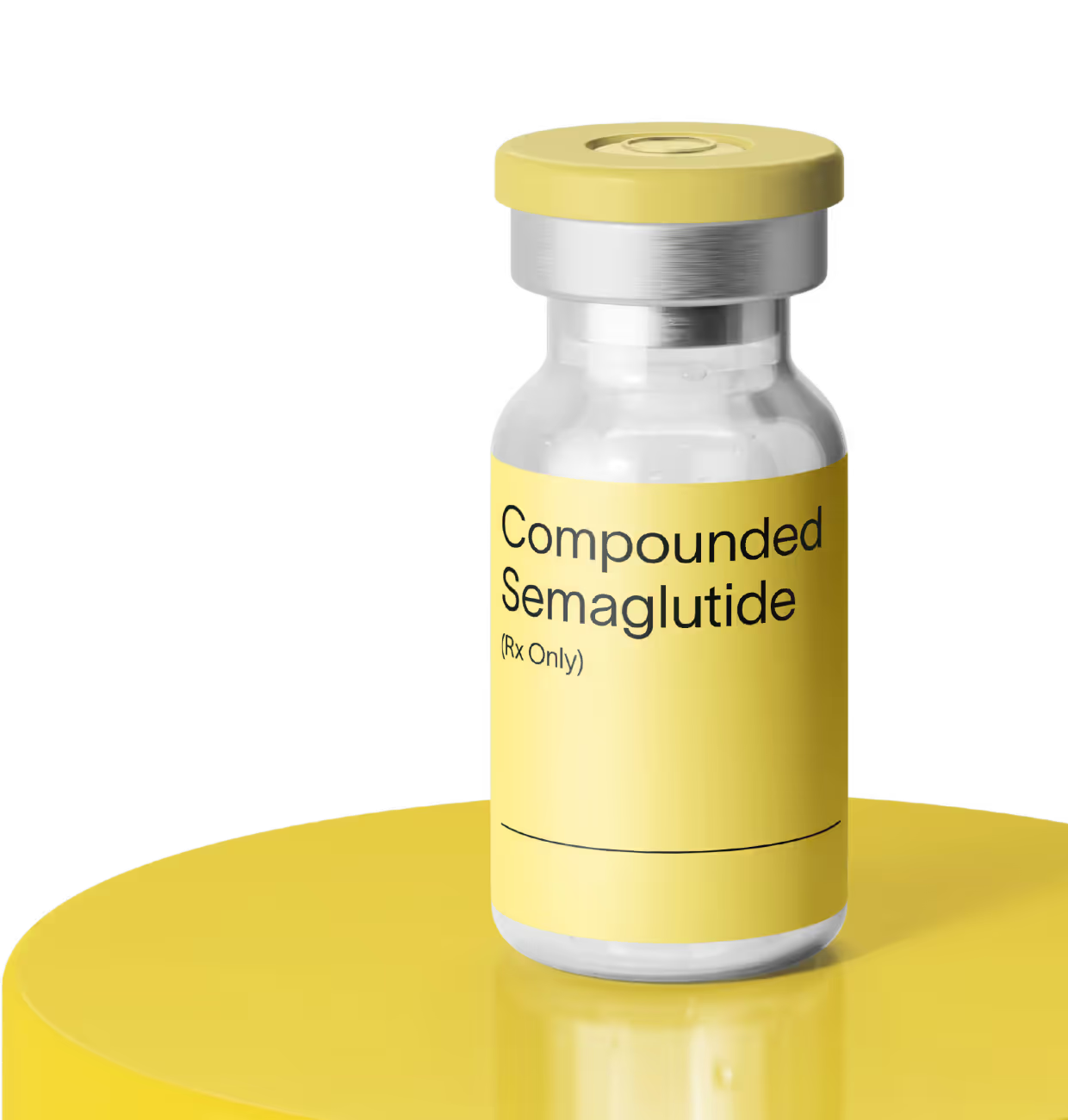
Premium Medication you can trust

Our weight loss medication is delivered straight to your doorstep from a state-licensed pharmacy within our reliable network, ensuring you receive your medication when you need it.

Each pharmacy in our network undergoes rigorous third-party testing through FDA and DEA certified labs. These tests focus on four key elements, ensuring both safety and efficacy for our treatments.

Curex is one of America’s largest telehealth providers

Together with our partners we have changed the lives of over 300,000 patients. Here’s what some of them have to say:

“Curex has performed beyond my expectations. I am feeling tremendously better and look forward to continuing the treatment.”
Becky D.
"If I could give 6 stars, I would. BEST... BEST… BEST… service.”
Ferdian K.
“The Curex staff has been professional, efficient, and really focused on my individual needs.”
Ana C.

Start your
journey now

Everything you need is included:

Online consultation

Your prescription

Premium medication

Overnight shipping

Ongoing support

A weight management program tailored to you

Initial Dosage

Your initial medication and dosage are carefully determined by doctors, taking into account your unique health profile. This ensures a personalized and safe treatment plan tailored to your specific needs.

Titration

We gradually adjust your dosage to reach the optimal therapeutic level, ensuring maximum effectiveness while minimizing potential side effects.

Additional Treatments

Our providers may also recommend medications such as metformin or supplements such as vitamin B12. We recognize the importance of managing side effects, so your care plan may include medication to alleviate them.

Got questions? We have answers.

Does Lycopene reduce cancer risk?
  • Weak Immune Response: Inadequate lycopene can impair cellular defense mechanisms, potentially leading to a higher susceptibility to infections.
What are the health benefits of Lycopene?
  • Eye Health Vulnerability: Reduced protection from oxidative stress may lead to issues in eye tissues, affecting overall ocular health over time.
How much Lycopene should I take daily?
Do your plans include prescriptions and medications?

Curex plans cover everything from reviewing your medical intake to providing prescription medications, with free shipping included. There are no extra or hidden charges. Prescriptions are issued only after a medical provider reviews your information to confirm that the medication is suitable for you. Our service includes continuous support and regular follow-ups to ensure your treatment stays on track.

Our clinicians may order labs and additional medications for you, which would not be covered by the plan but for which you can use your insurance.

Please note: Compounded medications are tailored to individual needs or used in case of shortages, but they are not FDA-approved for safety or effectiveness. A prescription is required. Results may vary from person to person.

What medications do your providers prescribe?

We prioritize a personalized approach to your health. If your medical provider prescribes medication, options may include GLP-1 treatments such as compounded semaglutide. Our providers prescribe only combination treatments not available at your local pharmacy that may include vitamin B12, etc. to help you achieve your goals faster.

Depending on your treatment goals, other medications such as metformin may also be considered. We recognize the importance of managing side effects, so your care plan might include medication to ease symptoms like nausea. Your well-being is always our top priority!

Please note that compounded medications are customized to meet individual patient needs and are not FDA-approved for safety or effectiveness. A prescription is necessary. Results may vary from person to person.

Curex and its pharmacy partners do not have any association with Novo Nordisk.

Will I be prescribed semaglutide?

Your health journey is unique, and we tailor our care to match. Any prescriptions, including semaglutide, will be based on the expert assessment of the medical provider matched with you through our platform. You can trust that your treatment plan will be personalized to fit your specific needs. And if semaglutide is not prescribed, we will provide a full refund.

What is compounded medication?

Compounding involves creating customized medications to meet the specific needs of individual patients. For instance, a patient may require a liquid version of a medication that is only available in tablet form. Pharmacies can also compound medications using FDA-approved drugs that are on the FDA’s shortage list.

These compounded medications are made by state-licensed pharmacies that follow both federal and state regulations, including quality standards. However, when compounded in accordance with these laws, these medications are not subject to FDA approval and are not evaluated for safety or effectiveness.

Is compounded medication the same as generic medication?

Compounded medications differ from generic drugs. Generics require FDA approval by demonstrating bio-equivalence to the brand-name drug. In contrast, compounded medications are not FDA-approved. They are made based on a personalized prescription that may not be commercially available elsewhere or when a drug appears on the FDA’s shortage list. Compounding pharmacies must have the proper licensed facilities and comply with state and federal regulations before dispensing these medications.

Is insurance required?

No, Curex doesn’t require insurance. We offer clear and simple pricing, along with affordable medication options, making it easy and accessible to take care of your health.

Can I pay with an FSA or HSA card?

Yes! You can pay with your HSA or FSA card.

No items found.
Can you prescribe Ozempic®* or Wegovy®*?

Our providers focus on personalized medications and dosages that aren’t commercially available at your local pharmacy. We don’t prescribe Ozempic®* or Wegovy®.* We may prescribe treatments containing compounded semaglutide or tirzepatide. These medications are specially compounded for you by a licensed pharmacy to meet your specific needs.

Are video visits with a provider required?

Our providers will review your information 100% online. Depending on where you live and the specifics of your medical history, our providers may require you to have a video visit or asynchronous visit via text message. If prescribed, you’ll get unlimited online access to message your provider as needed for follow-ups, adjustments, and answers to your questions.

What states do you serve?

Currently, we do not serve Arkansas, Connecticut, and New Mexico. However, we are always working to expand our reach, so stay in touch with us at hi@getcurex.com.

Does Lycopene reduce cancer risk?

 
Lycopene and Cancer Risk
 

  • Evidence Overview: Some observational studies indicate that consuming foods rich in lycopene, such as tomatoes, may be associated with a lower risk of certain cancers, particularly prostate cancer.
  • Potential Mechanisms: Lycopene’s antioxidant properties might help in reducing oxidative stress and inflammation, which are factors implicated in cancer development.
  • Study Limitations: Many studies are observational and can be influenced by various lifestyle and dietary factors; thus, the direct impact of lycopene on cancer risk remains inconclusive.
  • Dietary Recommendation: Incorporating lycopene-rich foods as part of a balanced diet may offer health benefits, but it should not be solely relied upon for cancer prevention.


What are the health benefits of Lycopene?

 
Antioxidant Activity
 

  • Cell Protection: Lycopene helps neutralize free radicals, reducing oxidative stress and damage to cells.
  • Skin Health: It supports the skin by protecting against UV-induced damage.

 
Cardiovascular Health
 

  • Heart Function: Lycopene may contribute to improved blood vessel function and support overall heart health.
  • Cholesterol Management: It is associated with lowering LDL cholesterol levels, which helps maintain healthy blood pressure.

 
Cancer Prevention
 

  • Prostate Cancer: Studies indicate that higher lycopene levels may lower the risk of developing prostate cancer.
  • Other Cancers: Research is exploring lycopene’s potential role in reducing the risk of certain other cancers.

 
Bone Health
 

  • Bone Density: Lycopene may aid in maintaining or improving bone mineral density, contributing to overall bone strength.

 
Immune Support & General Well-being
 

  • Immune Function: Its antioxidant properties help support immune health and reduce inflammation.
  • Overall Health: Regular consumption of lycopene-rich foods contributes to better general well-being.
 
How much Lycopene should I take daily?

 
Daily Lycopene Dosage
 

  • General Guidance: Many supplements offer between 10-20 mg of lycopene daily.
  • Health Benefits: Some studies indicate that up to 30 mg per day may be used for additional antioxidant support.
  • Individual Needs: Dosage can vary based on age, health conditions, and dietary habits.
  • Professional Advice: It is essential to consult with a healthcare professional to determine the right amount for your specific circumstances.