Symptoms of Low SAMe (S-Adenosyl Methionine): Causes, Treatment

Discover low SAMe symptoms, causes, and treatment options. Learn how to boost your SAMe with diet and lifestyle changes.
#1 Online
Allergy Clinic
 curex user showing allergy treatment kita patient showing allergy treatment boxa male patient showing allergy drops vial
50,000+
users

gr.

Carbohydrates

gr.

Sugar

gr.

Fats

gr.

Proteins

Calories

How to Improve Your SAMe (S-Adenosyl Methionine) Level

 
Impact on Brain Health
 

  • Neurotransmitter Imbalance: Low SAMe levels can lead to insufficient methylation of key neurotransmitters, such as serotonin, dopamine, and norepinephrine. This imbalance may contribute to mood disorders, including depression and anxiety.
  • Cognitive Function: Reduced methylation capacity can impair cognitive processes, potentially affecting memory, concentration, and overall mental clarity.

 
Liver Function and Detoxification
 

  • Liver Health: SAMe plays a critical role in liver detoxification and cell regeneration. When SAMe is low, the liver's ability to detoxify harmful substances and repair itself may be compromised, increasing the risk of liver-related issues.
  • Antioxidant Support: SAMe supports the synthesis of glutathione, an essential antioxidant. A deficiency can diminish this protective mechanism, leaving cells more vulnerable to oxidative stress.

 
Joint and Cartilage Health
 

  • Cartilage Support: SAMe is involved in maintaining cartilage integrity. Low levels can contribute to joint discomfort, stiffness, and pain, potentially exacerbating conditions like osteoarthritis.

 
Overall Metabolic and Inflammatory Effects
nbsp;

  • Methylation Reactions: SAMe participates in over 40 methyltransferase reactions, influencing DNA expression, protein function, and lipid metabolism. Its deficiency can disrupt these processes, impacting overall cellular health.
  • Inflammatory Response: Reduced SAMe levels may be linked to increased inflammation, which can contribute to a broad range of health issues.


Stay on track—experience the next level of support with weight loss medication

Learn More

What Causes SAMe (S-Adenosyl Methionine) to Drop

Dietary Deficiencies

  • Low Methionine Intake: Inadequate consumption of methionine-rich foods undermines the precursor supply needed for SAMe synthesis.
  • Folate and B12 Deficiency: Insufficient levels of cofactors like folate and vitamin B12 can impair methylation reactions, indirectly lowering SAMe.
woman laying on a field of grass smiling

What Happens if Your SAMe (S-Adenosyl Methionine) Is Low

Genetic Enzyme Deficiencies

  • Genetic Variants: Mutations in the enzymes (such as MAT1A/MAT2A) responsible for converting methionine to SAMe can reduce production.
  • Enzyme Activity: Altered enzyme kinetics may lead to insufficient SAMe synthesis despite adequate methionine availability.

Boost Your Progress with our Weight Loss Medication for Better Fat Loss

Learn More

What Food Has the Most SAMe (S-Adenosyl Methionine)

Mood disturbances: Reduced SAMe levels can contribute to depression, anxiety, and overall mood instability due to impaired neurotransmitter synthesis.

Chronic fatigue: A noticeable drop in energy levels and persistent tiredness may signal insufficient SAMe, affecting ATP production and cellular energy.

Joint discomfort: Low SAMe can lead to joint stiffness and pain, as it plays a role in maintaining cartilage health and reducing inflammation.

Liver stress: Inadequate SAMe may impair liver detoxification processes, potentially resulting in abnormal liver enzyme levels and discomfort.

Your health matters. Lose weight safely and efffectively with Curex

gr.

Carbohydrates

gr.

Sugar

gr.

Fats

gr.

Proteins

Calories

How to Improve Your SAMe (S-Adenosyl Methionine) Level

 
Impact on Brain Health
 

  • Neurotransmitter Imbalance: Low SAMe levels can lead to insufficient methylation of key neurotransmitters, such as serotonin, dopamine, and norepinephrine. This imbalance may contribute to mood disorders, including depression and anxiety.
  • Cognitive Function: Reduced methylation capacity can impair cognitive processes, potentially affecting memory, concentration, and overall mental clarity.

 
Liver Function and Detoxification
 

  • Liver Health: SAMe plays a critical role in liver detoxification and cell regeneration. When SAMe is low, the liver's ability to detoxify harmful substances and repair itself may be compromised, increasing the risk of liver-related issues.
  • Antioxidant Support: SAMe supports the synthesis of glutathione, an essential antioxidant. A deficiency can diminish this protective mechanism, leaving cells more vulnerable to oxidative stress.

 
Joint and Cartilage Health
 

  • Cartilage Support: SAMe is involved in maintaining cartilage integrity. Low levels can contribute to joint discomfort, stiffness, and pain, potentially exacerbating conditions like osteoarthritis.

 
Overall Metabolic and Inflammatory Effects
nbsp;

  • Methylation Reactions: SAMe participates in over 40 methyltransferase reactions, influencing DNA expression, protein function, and lipid metabolism. Its deficiency can disrupt these processes, impacting overall cellular health.
  • Inflammatory Response: Reduced SAMe levels may be linked to increased inflammation, which can contribute to a broad range of health issues.


Combine supplements for faster results—try our meds

Learn More

What Causes SAMe (S-Adenosyl Methionine) to Drop

woman laying on a field of grass smiling

Chronic Alcohol Consumption

  • Toxicity Effects: Excessive alcohol intake damages liver cells, impairing SAMe synthesis and utilization.
  • Metabolic Stress: Alcohol-related stress increases the demand for detoxification processes, depleting SAMe reserves.

Jumpstart your journey with our medications

Learn More

Chronic Inflammation & Oxidative Stress

  • Increased Demand: Inflammatory conditions accelerate methylation reactions to repair tissues, consuming more SAMe.
  • Oxidative Damage: High oxidative stress can damage enzymes in the SAMe production pathway, further lowering its levels.

Enhanced Methylation Demand

  • Epigenetic Regulation: Conditions requiring epigenetic modifications (e.g., in response to environmental stressors) can lead to higher consumption of SAMe.
  • Improper Recycling: Disruptions in the methylation cycle may lead to inefficient recycling of SAMe, making its levels drop.

Combine supplements for faster results—try our meds

Learn More

What Happens if Your SAMe (S-Adenosyl Methionine) Is Low


SAMe Overview


S-Adenosyl Methionine (SAMe) is a critical compound involved in over 40 biochemical reactions in the body, including methylation, detoxification, and neurotransmitter synthesis. It is naturally produced in the liver from the amino acid methionine and is essential for maintaining cellular health and optimal mood balance.


Nutritional Strategies to Enhance SAMe Production

 
  • Increase Methionine Intake: Consume protein-rich foods such as lean meats, eggs, fish, and dairy to ensure sufficient availability of the amino acid precursor for SAMe synthesis.
  • Boost B-Vitamin Levels: Include foods high in vitamins B6, B12, and folate. These vitamins are vital cofactors that support the methylation cycle, enhancing SAMe production. Foods like leafy greens, legumes, and fortified cereals can be beneficial.
  • Adequate Magnesium: Ensure an adequate intake of magnesium, which aids in numerous enzymatic reactions including those that facilitate SAMe synthesis. Nuts, seeds, and whole grains are excellent sources.
  • Choline-Rich Foods: Incorporate choline-rich foods such as soybeans, eggs, and cruciferous vegetables because choline is important for liver function, indirectly supporting SAMe metabolism.


Lifestyle and Supplementation Insights

 
  • Balanced Diet and Hydration: A well-rounded diet with a variety of whole foods plus adequate hydration creates optimal environmental conditions for natural SAMe production.
  • Avoidance of Toxins: Limit alcohol intake and avoid exposure to environmental toxins that can stress liver function, subsequently affecting SAMe levels.
  • Consider SAMe Supplementation: For individuals with specific conditions like mild to moderate depression or osteoarthritis, targeted SAMe supplements may be considered after consulting with a healthcare provider.
  • Manage Stress: Chronic stress can disrupt metabolic pathways. Techniques such as mindfulness, exercise, or adequate sleep may indirectly support the body’s ability to maintain optimal SAMe production.


Additional Considerations

 
  • Monitor Your Health: Regular check-ups and blood tests can help assess your nutritional status and liver function, ensuring that SAMe production is on track.
  • Personalized Nutrition: Every individual’s needs can be different; working with a nutritionist or healthcare provider will help tailor dietary and supplementation strategies to your unique metabolism and health status.
  • Holistic Approach: Remember that enhancing SAMe levels is one part of overall wellness. A combined focus on diet, exercise, sleep, and stress management addresses multiple factors for optimal health.

Boost Your Progress with our Weight Loss Medication for Better Fat Loss

Learn More

Signs Your SAMe (S-Adenosyl Methionine) Is Low

Genetic Enzyme Deficiencies

  • Genetic Variants: Mutations in the enzymes (such as MAT1A/MAT2A) responsible for converting methionine to SAMe can reduce production.
  • Enzyme Activity: Altered enzyme kinetics may lead to insufficient SAMe synthesis despite adequate methionine availability.

Dietary Deficiencies

  • Low Methionine Intake: Inadequate consumption of methionine-rich foods undermines the precursor supply needed for SAMe synthesis.
  • Folate and B12 Deficiency: Insufficient levels of cofactors like folate and vitamin B12 can impair methylation reactions, indirectly lowering SAMe.

Liver Dysfunction

  • Impaired Biosynthesis: The liver is the primary site for SAMe production; liver diseases (e.g., cirrhosis or hepatitis) can significantly reduce its synthesis.
  • Metabolic Imbalance: Liver dysfunction may disrupt the methylation cycle, further compromising SAMe levels.

Supercharge weight loss: pair whey with our meds

What Food Has the Most SAMe (S-Adenosyl Methionine)

Mood disturbances: Reduced SAMe levels can contribute to depression, anxiety, and overall mood instability due to impaired neurotransmitter synthesis.

Chronic fatigue: A noticeable drop in energy levels and persistent tiredness may signal insufficient SAMe, affecting ATP production and cellular energy.

Joint discomfort: Low SAMe can lead to joint stiffness and pain, as it plays a role in maintaining cartilage health and reducing inflammation.

Liver stress: Inadequate SAMe may impair liver detoxification processes, potentially resulting in abnormal liver enzyme levels and discomfort.

Your health matters. Lose weight safely and effectively with Curex

Stay safe—shed pounds with our proven medications

Learn More

How long does it take for SAMe (S-Adenosyl Methionine) to work?

  • Onset Timing: Many users may begin to notice improvements within 2 to 6 weeks of consistent use.
  • Individual Variation: The exact time frame can vary depending on one’s unique biochemistry and the condition being addressed.
  • Consistency Matters: Regular intake is key to experiencing the potential benefits of SAMe.
  • Consultation Recommended: It's advisable to speak with a healthcare professional to determine the appropriate dosage and duration for your specific needs.

What is the right dosage for SAMe (S-Adenosyl Methionine)?


Dosage Recommendations for SAMe (S-Adenosyl Methionine)


  • General Dosage: Typical daily dosages range from 400 mg to 1600 mg, depending on the individual's needs.
  • For Depression: Studies often use dosages between 800 mg and 1600 mg per day, divided into two or more doses.
  • For Joint Health: Some research suggests that lower dosages, around 400 mg to 800 mg per day, may be effective.
  • Important Note: Individual requirements vary, and it is essential to consult a healthcare provider before starting SAMe to determine the appropriate dosage for your specific situation.


Does SAMe (S-Adenosyl Methionine) help with depression?


  • Efficacy: Research indicates that SAMe may help alleviate symptoms of depression, with some studies showing positive effects in individuals with major depressive disorder and bipolar depression.
  • Mechanism: SAMe is thought to enhance the synthesis of neurotransmitters such as serotonin, dopamine, and norepinephrine, which are closely linked to mood regulation.
  • Usage Considerations: Although positive results have been observed in some cases, the overall efficacy of SAMe can vary among individuals, and it is not universally effective as a standalone treatment for depression.
  • Safety and Side Effects: Potential side effects include gastrointestinal issues, anxiety, and insomnia. Its use should be monitored by a healthcare professional, especially when combined with other medications.
  • Recommendation: It is important to consult with a doctor before starting SAMe supplementation, particularly if you are on other antidepressants or have pre-existing health conditions.


Still have questions? Our weight-loss meds have answers

Mood disturbances: Reduced SAMe levels can contribute to depression, anxiety, and overall mood instability due to impaired neurotransmitter synthesis.

Chronic fatigue: A noticeable drop in energy levels and persistent tiredness may signal insufficient SAMe, affecting ATP production and cellular energy.

Joint discomfort: Low SAMe can lead to joint stiffness and pain, as it plays a role in maintaining cartilage health and reducing inflammation.

Liver stress: Inadequate SAMe may impair liver detoxification processes, potentially resulting in abnormal liver enzyme levels and discomfort.

Boost Any Diet with our Weight Loss Medication for Better Fat Loss

Learn More

What Happens if Your SAMe (S-Adenosyl Methionine) Is Low

Genetic Enzyme Deficiencies

  • Genetic Variants: Mutations in the enzymes (such as MAT1A/MAT2A) responsible for converting methionine to SAMe can reduce production.
  • Enzyme Activity: Altered enzyme kinetics may lead to insufficient SAMe synthesis despite adequate methionine availability.

Dietary Deficiencies

  • Low Methionine Intake: Inadequate consumption of methionine-rich foods undermines the precursor supply needed for SAMe synthesis.
  • Folate and B12 Deficiency: Insufficient levels of cofactors like folate and vitamin B12 can impair methylation reactions, indirectly lowering SAMe.

Liver Dysfunction

  • Impaired Biosynthesis: The liver is the primary site for SAMe production; liver diseases (e.g., cirrhosis or hepatitis) can significantly reduce its synthesis.
  • Metabolic Imbalance: Liver dysfunction may disrupt the methylation cycle, further compromising SAMe levels.

Chronic Alcohol Consumption

  • Toxicity Effects: Excessive alcohol intake damages liver cells, impairing SAMe synthesis and utilization.
  • Metabolic Stress: Alcohol-related stress increases the demand for detoxification processes, depleting SAMe reserves.

Chronic Inflammation & Oxidative Stress

  • Increased Demand: Inflammatory conditions accelerate methylation reactions to repair tissues, consuming more SAMe.
  • Oxidative Damage: High oxidative stress can damage enzymes in the SAMe production pathway, further lowering its levels.

Enhanced Methylation Demand

  • Epigenetic Regulation: Conditions requiring epigenetic modifications (e.g., in response to environmental stressors) can lead to higher consumption of SAMe.
  • Improper Recycling: Disruptions in the methylation cycle may lead to inefficient recycling of SAMe, making its levels drop.

Want Results That Last? Add our Weight-Loss Medication

woman laying on a field of grass smiling

What Food Has the Most SAMe (S-Adenosyl Methionine)


Key Insights on Dietary SAMe


S-Adenosyl Methionine (SAMe) is a compound that is synthesized within the body from the amino acid methionine and adenosine triphosphate (ATP). Due to its inherent instability, SAMe is not typically found in significant amounts in most foods. In practical terms, the body’s ability to produce SAMe is more important than obtaining it directly through diet.

  • Organ Meats (Liver): The liver exhibits a high capacity to synthesize SAMe. While it may contain trace amounts of SAMe, its primary role is to produce this compound efficiently as part of normal metabolism.
  • High-Methionine Foods: Foods rich in methionine—such as lean meats, eggs, dairy, legumes, and nuts—provide the necessary building blocks for SAMe production. Including these in your diet helps ensure that your body can produce adequate levels of SAMe.
  • B Vitamins as Cofactors: Vitamins like B6, B12, and folate are essential for the methionine cycle. Consuming foods high in these vitamins (for example, leafy greens, whole grains, and fortified cereals) supports efficient SAMe synthesis.
  • Supplementation Considerations: Because direct dietary sources of SAMe are limited, some practitioners recommend SAMe supplements—especially in the context of mood support or joint health—when clinically appropriate.
 

In summary, while there is no food that stands out as a direct, rich source of SAMe due to its unstable nature, the liver (as an organ meat) contains the body’s highest endogenous levels and the requisite enzymes for production. For those looking to support SAMe levels, focusing on a balanced diet rich in methionine and supportive B vitamins is the best approach.


Simple Changes, Stunning Results—Combine Your Diet with Our Weight Loss Medication

Learn More

What Causes SAMe (S-Adenosyl Methionine) to Drop

  • Onset Timing: Many users may begin to notice improvements within 2 to 6 weeks of consistent use.
  • Individual Variation: The exact time frame can vary depending on one’s unique biochemistry and the condition being addressed.
  • Consistency Matters: Regular intake is key to experiencing the potential benefits of SAMe.
  • Consultation Recommended: It's advisable to speak with a healthcare professional to determine the appropriate dosage and duration for your specific needs.


Dosage Recommendations for SAMe (S-Adenosyl Methionine)


  • General Dosage: Typical daily dosages range from 400 mg to 1600 mg, depending on the individual's needs.
  • For Depression: Studies often use dosages between 800 mg and 1600 mg per day, divided into two or more doses.
  • For Joint Health: Some research suggests that lower dosages, around 400 mg to 800 mg per day, may be effective.
  • Important Note: Individual requirements vary, and it is essential to consult a healthcare provider before starting SAMe to determine the appropriate dosage for your specific situation.


  • Efficacy: Research indicates that SAMe may help alleviate symptoms of depression, with some studies showing positive effects in individuals with major depressive disorder and bipolar depression.
  • Mechanism: SAMe is thought to enhance the synthesis of neurotransmitters such as serotonin, dopamine, and norepinephrine, which are closely linked to mood regulation.
  • Usage Considerations: Although positive results have been observed in some cases, the overall efficacy of SAMe can vary among individuals, and it is not universally effective as a standalone treatment for depression.
  • Safety and Side Effects: Potential side effects include gastrointestinal issues, anxiety, and insomnia. Its use should be monitored by a healthcare professional, especially when combined with other medications.
  • Recommendation: It is important to consult with a doctor before starting SAMe supplementation, particularly if you are on other antidepressants or have pre-existing health conditions.


Achieve your maximum potential: combine this plan with our weight loss medication

How to Improve Your SAMe (S-Adenosyl Methionine) Level

woman laying on a field of grass smiling

Symptoms of Low SAMe (S-Adenosyl Methionine): Causes, Treatment

 
Impact on Brain Health
 

  • Neurotransmitter Imbalance: Low SAMe levels can lead to insufficient methylation of key neurotransmitters, such as serotonin, dopamine, and norepinephrine. This imbalance may contribute to mood disorders, including depression and anxiety.
  • Cognitive Function: Reduced methylation capacity can impair cognitive processes, potentially affecting memory, concentration, and overall mental clarity.

 
Liver Function and Detoxification
 

  • Liver Health: SAMe plays a critical role in liver detoxification and cell regeneration. When SAMe is low, the liver's ability to detoxify harmful substances and repair itself may be compromised, increasing the risk of liver-related issues.
  • Antioxidant Support: SAMe supports the synthesis of glutathione, an essential antioxidant. A deficiency can diminish this protective mechanism, leaving cells more vulnerable to oxidative stress.

 
Joint and Cartilage Health
 

  • Cartilage Support: SAMe is involved in maintaining cartilage integrity. Low levels can contribute to joint discomfort, stiffness, and pain, potentially exacerbating conditions like osteoarthritis.

 
Overall Metabolic and Inflammatory Effects
nbsp;

  • Methylation Reactions: SAMe participates in over 40 methyltransferase reactions, influencing DNA expression, protein function, and lipid metabolism. Its deficiency can disrupt these processes, impacting overall cellular health.
  • Inflammatory Response: Reduced SAMe levels may be linked to increased inflammation, which can contribute to a broad range of health issues.


Signs Your SAMe (S-Adenosyl Methionine) Is Low

Mood disturbances: Reduced SAMe levels can contribute to depression, anxiety, and overall mood instability due to impaired neurotransmitter synthesis.

Chronic fatigue: A noticeable drop in energy levels and persistent tiredness may signal insufficient SAMe, affecting ATP production and cellular energy.

Joint discomfort: Low SAMe can lead to joint stiffness and pain, as it plays a role in maintaining cartilage health and reducing inflammation.

Liver stress: Inadequate SAMe may impair liver detoxification processes, potentially resulting in abnormal liver enzyme levels and discomfort.

Cognitive impairments: Difficulties with memory, concentration, and cognitive performance can occur due to disrupted methylation processes affecting brain function.

Digestive irregularities: Gastrointestinal issues such as bloating or irregular bowel movements might be linked to low SAMe, as proper methylation is essential for gut health.

Studies show low Vitamin C can make your body burn 30% less fat during exercise​
Don’t let a deficiency hold back your weight loss – see how our medication can help accelerate your results

What Happens if Your SAMe (S-Adenosyl Methionine) Is Low

 
Impact on Brain Health
 

  • Neurotransmitter Imbalance: Low SAMe levels can lead to insufficient methylation of key neurotransmitters, such as serotonin, dopamine, and norepinephrine. This imbalance may contribute to mood disorders, including depression and anxiety.
  • Cognitive Function: Reduced methylation capacity can impair cognitive processes, potentially affecting memory, concentration, and overall mental clarity.

 
Liver Function and Detoxification
 

  • Liver Health: SAMe plays a critical role in liver detoxification and cell regeneration. When SAMe is low, the liver's ability to detoxify harmful substances and repair itself may be compromised, increasing the risk of liver-related issues.
  • Antioxidant Support: SAMe supports the synthesis of glutathione, an essential antioxidant. A deficiency can diminish this protective mechanism, leaving cells more vulnerable to oxidative stress.

 
Joint and Cartilage Health
 

  • Cartilage Support: SAMe is involved in maintaining cartilage integrity. Low levels can contribute to joint discomfort, stiffness, and pain, potentially exacerbating conditions like osteoarthritis.

 
Overall Metabolic and Inflammatory Effects
nbsp;

  • Methylation Reactions: SAMe participates in over 40 methyltransferase reactions, influencing DNA expression, protein function, and lipid metabolism. Its deficiency can disrupt these processes, impacting overall cellular health.
  • Inflammatory Response: Reduced SAMe levels may be linked to increased inflammation, which can contribute to a broad range of health issues.


Our weight loss medication is designed to tackle slow fat burning so you can shed those extra inches – get started now.

Learn More

What Causes SAMe (S-Adenosyl Methionine) to Drop

Genetic Enzyme Deficiencies

  • Genetic Variants: Mutations in the enzymes (such as MAT1A/MAT2A) responsible for converting methionine to SAMe can reduce production.
  • Enzyme Activity: Altered enzyme kinetics may lead to insufficient SAMe synthesis despite adequate methionine availability.

Dietary Deficiencies

  • Low Methionine Intake: Inadequate consumption of methionine-rich foods undermines the precursor supply needed for SAMe synthesis.
  • Folate and B12 Deficiency: Insufficient levels of cofactors like folate and vitamin B12 can impair methylation reactions, indirectly lowering SAMe.

Liver Dysfunction

  • Impaired Biosynthesis: The liver is the primary site for SAMe production; liver diseases (e.g., cirrhosis or hepatitis) can significantly reduce its synthesis.
  • Metabolic Imbalance: Liver dysfunction may disrupt the methylation cycle, further compromising SAMe levels.

Chronic Alcohol Consumption

  • Toxicity Effects: Excessive alcohol intake damages liver cells, impairing SAMe synthesis and utilization.
  • Metabolic Stress: Alcohol-related stress increases the demand for detoxification processes, depleting SAMe reserves.

Chronic Inflammation & Oxidative Stress

  • Increased Demand: Inflammatory conditions accelerate methylation reactions to repair tissues, consuming more SAMe.
  • Oxidative Damage: High oxidative stress can damage enzymes in the SAMe production pathway, further lowering its levels.

Enhanced Methylation Demand

  • Epigenetic Regulation: Conditions requiring epigenetic modifications (e.g., in response to environmental stressors) can lead to higher consumption of SAMe.
  • Improper Recycling: Disruptions in the methylation cycle may lead to inefficient recycling of SAMe, making its levels drop.

Not getting enough fruits and veggies?
A nutrient-poor diet can leave you low in Vitamins and struggling with weight.
Our weight loss medication helps boost your metabolism even when nutritional gaps hold you back.

Curex oral dissolving tablets (ODT)

How to Improve Your SAMe (S-Adenosyl Methionine) Level


SAMe Overview


S-Adenosyl Methionine (SAMe) is a critical compound involved in over 40 biochemical reactions in the body, including methylation, detoxification, and neurotransmitter synthesis. It is naturally produced in the liver from the amino acid methionine and is essential for maintaining cellular health and optimal mood balance.


Nutritional Strategies to Enhance SAMe Production

 
  • Increase Methionine Intake: Consume protein-rich foods such as lean meats, eggs, fish, and dairy to ensure sufficient availability of the amino acid precursor for SAMe synthesis.
  • Boost B-Vitamin Levels: Include foods high in vitamins B6, B12, and folate. These vitamins are vital cofactors that support the methylation cycle, enhancing SAMe production. Foods like leafy greens, legumes, and fortified cereals can be beneficial.
  • Adequate Magnesium: Ensure an adequate intake of magnesium, which aids in numerous enzymatic reactions including those that facilitate SAMe synthesis. Nuts, seeds, and whole grains are excellent sources.
  • Choline-Rich Foods: Incorporate choline-rich foods such as soybeans, eggs, and cruciferous vegetables because choline is important for liver function, indirectly supporting SAMe metabolism.


Lifestyle and Supplementation Insights

 
  • Balanced Diet and Hydration: A well-rounded diet with a variety of whole foods plus adequate hydration creates optimal environmental conditions for natural SAMe production.
  • Avoidance of Toxins: Limit alcohol intake and avoid exposure to environmental toxins that can stress liver function, subsequently affecting SAMe levels.
  • Consider SAMe Supplementation: For individuals with specific conditions like mild to moderate depression or osteoarthritis, targeted SAMe supplements may be considered after consulting with a healthcare provider.
  • Manage Stress: Chronic stress can disrupt metabolic pathways. Techniques such as mindfulness, exercise, or adequate sleep may indirectly support the body’s ability to maintain optimal SAMe production.


Additional Considerations

 
  • Monitor Your Health: Regular check-ups and blood tests can help assess your nutritional status and liver function, ensuring that SAMe production is on track.
  • Personalized Nutrition: Every individual’s needs can be different; working with a nutritionist or healthcare provider will help tailor dietary and supplementation strategies to your unique metabolism and health status.
  • Holistic Approach: Remember that enhancing SAMe levels is one part of overall wellness. A combined focus on diet, exercise, sleep, and stress management addresses multiple factors for optimal health.

Combine supplements for faster results—try our meds

Learn More

What Food Has the Most SAMe (S-Adenosyl Methionine)


Key Insights on Dietary SAMe


S-Adenosyl Methionine (SAMe) is a compound that is synthesized within the body from the amino acid methionine and adenosine triphosphate (ATP). Due to its inherent instability, SAMe is not typically found in significant amounts in most foods. In practical terms, the body’s ability to produce SAMe is more important than obtaining it directly through diet.

  • Organ Meats (Liver): The liver exhibits a high capacity to synthesize SAMe. While it may contain trace amounts of SAMe, its primary role is to produce this compound efficiently as part of normal metabolism.
  • High-Methionine Foods: Foods rich in methionine—such as lean meats, eggs, dairy, legumes, and nuts—provide the necessary building blocks for SAMe production. Including these in your diet helps ensure that your body can produce adequate levels of SAMe.
  • B Vitamins as Cofactors: Vitamins like B6, B12, and folate are essential for the methionine cycle. Consuming foods high in these vitamins (for example, leafy greens, whole grains, and fortified cereals) supports efficient SAMe synthesis.
  • Supplementation Considerations: Because direct dietary sources of SAMe are limited, some practitioners recommend SAMe supplements—especially in the context of mood support or joint health—when clinically appropriate.
 

In summary, while there is no food that stands out as a direct, rich source of SAMe due to its unstable nature, the liver (as an organ meat) contains the body’s highest endogenous levels and the requisite enzymes for production. For those looking to support SAMe levels, focusing on a balanced diet rich in methionine and supportive B vitamins is the best approach.


How long does it take for SAMe (S-Adenosyl Methionine) to work?

  • Onset Timing: Many users may begin to notice improvements within 2 to 6 weeks of consistent use.
  • Individual Variation: The exact time frame can vary depending on one’s unique biochemistry and the condition being addressed.
  • Consistency Matters: Regular intake is key to experiencing the potential benefits of SAMe.
  • Consultation Recommended: It's advisable to speak with a healthcare professional to determine the appropriate dosage and duration for your specific needs.

What is the right dosage for SAMe (S-Adenosyl Methionine)?


Dosage Recommendations for SAMe (S-Adenosyl Methionine)


  • General Dosage: Typical daily dosages range from 400 mg to 1600 mg, depending on the individual's needs.
  • For Depression: Studies often use dosages between 800 mg and 1600 mg per day, divided into two or more doses.
  • For Joint Health: Some research suggests that lower dosages, around 400 mg to 800 mg per day, may be effective.
  • Important Note: Individual requirements vary, and it is essential to consult a healthcare provider before starting SAMe to determine the appropriate dosage for your specific situation.


Does SAMe (S-Adenosyl Methionine) help with depression?


  • Efficacy: Research indicates that SAMe may help alleviate symptoms of depression, with some studies showing positive effects in individuals with major depressive disorder and bipolar depression.
  • Mechanism: SAMe is thought to enhance the synthesis of neurotransmitters such as serotonin, dopamine, and norepinephrine, which are closely linked to mood regulation.
  • Usage Considerations: Although positive results have been observed in some cases, the overall efficacy of SAMe can vary among individuals, and it is not universally effective as a standalone treatment for depression.
  • Safety and Side Effects: Potential side effects include gastrointestinal issues, anxiety, and insomnia. Its use should be monitored by a healthcare professional, especially when combined with other medications.
  • Recommendation: It is important to consult with a doctor before starting SAMe supplementation, particularly if you are on other antidepressants or have pre-existing health conditions.


Still have questions?

We have answers. Book a consultation

Still have questions? Our weight-loss meds have answers

 
Impact on Brain Health
 

  • Neurotransmitter Imbalance: Low SAMe levels can lead to insufficient methylation of key neurotransmitters, such as serotonin, dopamine, and norepinephrine. This imbalance may contribute to mood disorders, including depression and anxiety.
  • Cognitive Function: Reduced methylation capacity can impair cognitive processes, potentially affecting memory, concentration, and overall mental clarity.

 
Liver Function and Detoxification
 

  • Liver Health: SAMe plays a critical role in liver detoxification and cell regeneration. When SAMe is low, the liver's ability to detoxify harmful substances and repair itself may be compromised, increasing the risk of liver-related issues.
  • Antioxidant Support: SAMe supports the synthesis of glutathione, an essential antioxidant. A deficiency can diminish this protective mechanism, leaving cells more vulnerable to oxidative stress.

 
Joint and Cartilage Health
 

  • Cartilage Support: SAMe is involved in maintaining cartilage integrity. Low levels can contribute to joint discomfort, stiffness, and pain, potentially exacerbating conditions like osteoarthritis.

 
Overall Metabolic and Inflammatory Effects
nbsp;

  • Methylation Reactions: SAMe participates in over 40 methyltransferase reactions, influencing DNA expression, protein function, and lipid metabolism. Its deficiency can disrupt these processes, impacting overall cellular health.
  • Inflammatory Response: Reduced SAMe levels may be linked to increased inflammation, which can contribute to a broad range of health issues.


Our weight loss medication is designed to tackle slow fat burning so you can shed those extra inches – get started now.

Learn More

What Happens if Your SAMe (S-Adenosyl Methionine) Is Low

Genetic Enzyme Deficiencies

  • Genetic Variants: Mutations in the enzymes (such as MAT1A/MAT2A) responsible for converting methionine to SAMe can reduce production.
  • Enzyme Activity: Altered enzyme kinetics may lead to insufficient SAMe synthesis despite adequate methionine availability.

Dietary Deficiencies

  • Low Methionine Intake: Inadequate consumption of methionine-rich foods undermines the precursor supply needed for SAMe synthesis.
  • Folate and B12 Deficiency: Insufficient levels of cofactors like folate and vitamin B12 can impair methylation reactions, indirectly lowering SAMe.

Liver Dysfunction

  • Impaired Biosynthesis: The liver is the primary site for SAMe production; liver diseases (e.g., cirrhosis or hepatitis) can significantly reduce its synthesis.
  • Metabolic Imbalance: Liver dysfunction may disrupt the methylation cycle, further compromising SAMe levels.

What Causes SAMe (S-Adenosyl Methionine) to Drop

Chronic Alcohol Consumption

  • Toxicity Effects: Excessive alcohol intake damages liver cells, impairing SAMe synthesis and utilization.
  • Metabolic Stress: Alcohol-related stress increases the demand for detoxification processes, depleting SAMe reserves.

Chronic Inflammation & Oxidative Stress

  • Increased Demand: Inflammatory conditions accelerate methylation reactions to repair tissues, consuming more SAMe.
  • Oxidative Damage: High oxidative stress can damage enzymes in the SAMe production pathway, further lowering its levels.

Enhanced Methylation Demand

  • Epigenetic Regulation: Conditions requiring epigenetic modifications (e.g., in response to environmental stressors) can lead to higher consumption of SAMe.
  • Improper Recycling: Disruptions in the methylation cycle may lead to inefficient recycling of SAMe, making its levels drop.


SAMe Overview


S-Adenosyl Methionine (SAMe) is a critical compound involved in over 40 biochemical reactions in the body, including methylation, detoxification, and neurotransmitter synthesis. It is naturally produced in the liver from the amino acid methionine and is essential for maintaining cellular health and optimal mood balance.


Nutritional Strategies to Enhance SAMe Production

 
  • Increase Methionine Intake: Consume protein-rich foods such as lean meats, eggs, fish, and dairy to ensure sufficient availability of the amino acid precursor for SAMe synthesis.
  • Boost B-Vitamin Levels: Include foods high in vitamins B6, B12, and folate. These vitamins are vital cofactors that support the methylation cycle, enhancing SAMe production. Foods like leafy greens, legumes, and fortified cereals can be beneficial.
  • Adequate Magnesium: Ensure an adequate intake of magnesium, which aids in numerous enzymatic reactions including those that facilitate SAMe synthesis. Nuts, seeds, and whole grains are excellent sources.
  • Choline-Rich Foods: Incorporate choline-rich foods such as soybeans, eggs, and cruciferous vegetables because choline is important for liver function, indirectly supporting SAMe metabolism.


Lifestyle and Supplementation Insights

 
  • Balanced Diet and Hydration: A well-rounded diet with a variety of whole foods plus adequate hydration creates optimal environmental conditions for natural SAMe production.
  • Avoidance of Toxins: Limit alcohol intake and avoid exposure to environmental toxins that can stress liver function, subsequently affecting SAMe levels.
  • Consider SAMe Supplementation: For individuals with specific conditions like mild to moderate depression or osteoarthritis, targeted SAMe supplements may be considered after consulting with a healthcare provider.
  • Manage Stress: Chronic stress can disrupt metabolic pathways. Techniques such as mindfulness, exercise, or adequate sleep may indirectly support the body’s ability to maintain optimal SAMe production.


Additional Considerations

 
  • Monitor Your Health: Regular check-ups and blood tests can help assess your nutritional status and liver function, ensuring that SAMe production is on track.
  • Personalized Nutrition: Every individual’s needs can be different; working with a nutritionist or healthcare provider will help tailor dietary and supplementation strategies to your unique metabolism and health status.
  • Holistic Approach: Remember that enhancing SAMe levels is one part of overall wellness. A combined focus on diet, exercise, sleep, and stress management addresses multiple factors for optimal health.

Following the rules but not seeing results? We’ve got your back.

Learn More

Mood disturbances: Reduced SAMe levels can contribute to depression, anxiety, and overall mood instability due to impaired neurotransmitter synthesis.

Chronic fatigue: A noticeable drop in energy levels and persistent tiredness may signal insufficient SAMe, affecting ATP production and cellular energy.

Joint discomfort: Low SAMe can lead to joint stiffness and pain, as it plays a role in maintaining cartilage health and reducing inflammation.

Liver stress: Inadequate SAMe may impair liver detoxification processes, potentially resulting in abnormal liver enzyme levels and discomfort.

Our weight loss meds can help you slim down faster.

What Food Has the Most SAMe (S-Adenosyl Methionine)

Signs Your SAMe (S-Adenosyl Methionine) Is Low

Pair smart eating with real fat-burning support—see the difference

  • Onset Timing: Many users may begin to notice improvements within 2 to 6 weeks of consistent use.
  • Individual Variation: The exact time frame can vary depending on one’s unique biochemistry and the condition being addressed.
  • Consistency Matters: Regular intake is key to experiencing the potential benefits of SAMe.
  • Consultation Recommended: It's advisable to speak with a healthcare professional to determine the appropriate dosage and duration for your specific needs.


Dosage Recommendations for SAMe (S-Adenosyl Methionine)


  • General Dosage: Typical daily dosages range from 400 mg to 1600 mg, depending on the individual's needs.
  • For Depression: Studies often use dosages between 800 mg and 1600 mg per day, divided into two or more doses.
  • For Joint Health: Some research suggests that lower dosages, around 400 mg to 800 mg per day, may be effective.
  • Important Note: Individual requirements vary, and it is essential to consult a healthcare provider before starting SAMe to determine the appropriate dosage for your specific situation.


  • Efficacy: Research indicates that SAMe may help alleviate symptoms of depression, with some studies showing positive effects in individuals with major depressive disorder and bipolar depression.
  • Mechanism: SAMe is thought to enhance the synthesis of neurotransmitters such as serotonin, dopamine, and norepinephrine, which are closely linked to mood regulation.
  • Usage Considerations: Although positive results have been observed in some cases, the overall efficacy of SAMe can vary among individuals, and it is not universally effective as a standalone treatment for depression.
  • Safety and Side Effects: Potential side effects include gastrointestinal issues, anxiety, and insomnia. Its use should be monitored by a healthcare professional, especially when combined with other medications.
  • Recommendation: It is important to consult with a doctor before starting SAMe supplementation, particularly if you are on other antidepressants or have pre-existing health conditions.


Achieve your maximum potential: combine diet plan with our weight loss medication


Key Insights on Dietary SAMe


S-Adenosyl Methionine (SAMe) is a compound that is synthesized within the body from the amino acid methionine and adenosine triphosphate (ATP). Due to its inherent instability, SAMe is not typically found in significant amounts in most foods. In practical terms, the body’s ability to produce SAMe is more important than obtaining it directly through diet.

  • Organ Meats (Liver): The liver exhibits a high capacity to synthesize SAMe. While it may contain trace amounts of SAMe, its primary role is to produce this compound efficiently as part of normal metabolism.
  • High-Methionine Foods: Foods rich in methionine—such as lean meats, eggs, dairy, legumes, and nuts—provide the necessary building blocks for SAMe production. Including these in your diet helps ensure that your body can produce adequate levels of SAMe.
  • B Vitamins as Cofactors: Vitamins like B6, B12, and folate are essential for the methionine cycle. Consuming foods high in these vitamins (for example, leafy greens, whole grains, and fortified cereals) supports efficient SAMe synthesis.
  • Supplementation Considerations: Because direct dietary sources of SAMe are limited, some practitioners recommend SAMe supplements—especially in the context of mood support or joint health—when clinically appropriate.
 

In summary, while there is no food that stands out as a direct, rich source of SAMe due to its unstable nature, the liver (as an organ meat) contains the body’s highest endogenous levels and the requisite enzymes for production. For those looking to support SAMe levels, focusing on a balanced diet rich in methionine and supportive B vitamins is the best approach.


Avoid the slow route—our weight loss meds can help speed things up

Learn More

How long does it take for SAMe (S-Adenosyl Methionine) to work?

Cognitive impairments: Difficulties with memory, concentration, and cognitive performance can occur due to disrupted methylation processes affecting brain function.

What is the right dosage for SAMe (S-Adenosyl Methionine)?

Digestive irregularities: Gastrointestinal issues such as bloating or irregular bowel movements might be linked to low SAMe, as proper methylation is essential for gut health.

Does SAMe (S-Adenosyl Methionine) help with depression?

Still have questions?

We have answers. Book a consultation

How to Improve Your SAMe (S-Adenosyl Methionine) Level

Our weight loss medication is designed to tackle slow fat burning so you can shed those extra inches – get started now.

Learn More

What Food Has the Most SAMe (S-Adenosyl Methionine)


Key Insights on Dietary SAMe


S-Adenosyl Methionine (SAMe) is a compound that is synthesized within the body from the amino acid methionine and adenosine triphosphate (ATP). Due to its inherent instability, SAMe is not typically found in significant amounts in most foods. In practical terms, the body’s ability to produce SAMe is more important than obtaining it directly through diet.

  • Organ Meats (Liver): The liver exhibits a high capacity to synthesize SAMe. While it may contain trace amounts of SAMe, its primary role is to produce this compound efficiently as part of normal metabolism.
  • High-Methionine Foods: Foods rich in methionine—such as lean meats, eggs, dairy, legumes, and nuts—provide the necessary building blocks for SAMe production. Including these in your diet helps ensure that your body can produce adequate levels of SAMe.
  • B Vitamins as Cofactors: Vitamins like B6, B12, and folate are essential for the methionine cycle. Consuming foods high in these vitamins (for example, leafy greens, whole grains, and fortified cereals) supports efficient SAMe synthesis.
  • Supplementation Considerations: Because direct dietary sources of SAMe are limited, some practitioners recommend SAMe supplements—especially in the context of mood support or joint health—when clinically appropriate.
 

In summary, while there is no food that stands out as a direct, rich source of SAMe due to its unstable nature, the liver (as an organ meat) contains the body’s highest endogenous levels and the requisite enzymes for production. For those looking to support SAMe levels, focusing on a balanced diet rich in methionine and supportive B vitamins is the best approach.


What Causes SAMe (S-Adenosyl Methionine) to Drop

 
Impact on Brain Health
 

  • Neurotransmitter Imbalance: Low SAMe levels can lead to insufficient methylation of key neurotransmitters, such as serotonin, dopamine, and norepinephrine. This imbalance may contribute to mood disorders, including depression and anxiety.
  • Cognitive Function: Reduced methylation capacity can impair cognitive processes, potentially affecting memory, concentration, and overall mental clarity.

 
Liver Function and Detoxification
 

  • Liver Health: SAMe plays a critical role in liver detoxification and cell regeneration. When SAMe is low, the liver's ability to detoxify harmful substances and repair itself may be compromised, increasing the risk of liver-related issues.
  • Antioxidant Support: SAMe supports the synthesis of glutathione, an essential antioxidant. A deficiency can diminish this protective mechanism, leaving cells more vulnerable to oxidative stress.

 
Joint and Cartilage Health
 

  • Cartilage Support: SAMe is involved in maintaining cartilage integrity. Low levels can contribute to joint discomfort, stiffness, and pain, potentially exacerbating conditions like osteoarthritis.

 
Overall Metabolic and Inflammatory Effects
nbsp;

  • Methylation Reactions: SAMe participates in over 40 methyltransferase reactions, influencing DNA expression, protein function, and lipid metabolism. Its deficiency can disrupt these processes, impacting overall cellular health.
  • Inflammatory Response: Reduced SAMe levels may be linked to increased inflammation, which can contribute to a broad range of health issues.


Following the rules but not seeing results? We’ve got your back.

Learn More

What Happens if Your SAMe (S-Adenosyl Methionine) Is Low

Signs Your SAMe (S-Adenosyl Methionine) Is Low

Genetic Enzyme Deficiencies

  • Genetic Variants: Mutations in the enzymes (such as MAT1A/MAT2A) responsible for converting methionine to SAMe can reduce production.
  • Enzyme Activity: Altered enzyme kinetics may lead to insufficient SAMe synthesis despite adequate methionine availability.

Dietary Deficiencies

  • Low Methionine Intake: Inadequate consumption of methionine-rich foods undermines the precursor supply needed for SAMe synthesis.
  • Folate and B12 Deficiency: Insufficient levels of cofactors like folate and vitamin B12 can impair methylation reactions, indirectly lowering SAMe.

Liver Dysfunction

  • Impaired Biosynthesis: The liver is the primary site for SAMe production; liver diseases (e.g., cirrhosis or hepatitis) can significantly reduce its synthesis.
  • Metabolic Imbalance: Liver dysfunction may disrupt the methylation cycle, further compromising SAMe levels.

Chronic Alcohol Consumption

  • Toxicity Effects: Excessive alcohol intake damages liver cells, impairing SAMe synthesis and utilization.
  • Metabolic Stress: Alcohol-related stress increases the demand for detoxification processes, depleting SAMe reserves.

Chronic Inflammation & Oxidative Stress

  • Increased Demand: Inflammatory conditions accelerate methylation reactions to repair tissues, consuming more SAMe.
  • Oxidative Damage: High oxidative stress can damage enzymes in the SAMe production pathway, further lowering its levels.

Enhanced Methylation Demand

  • Epigenetic Regulation: Conditions requiring epigenetic modifications (e.g., in response to environmental stressors) can lead to higher consumption of SAMe.
  • Improper Recycling: Disruptions in the methylation cycle may lead to inefficient recycling of SAMe, making its levels drop.

Pair smart eating with real fat-burning support—see the difference

Genetic Enzyme Deficiencies

  • Genetic Variants: Mutations in the enzymes (such as MAT1A/MAT2A) responsible for converting methionine to SAMe can reduce production.
  • Enzyme Activity: Altered enzyme kinetics may lead to insufficient SAMe synthesis despite adequate methionine availability.

Dietary Deficiencies

  • Low Methionine Intake: Inadequate consumption of methionine-rich foods undermines the precursor supply needed for SAMe synthesis.
  • Folate and B12 Deficiency: Insufficient levels of cofactors like folate and vitamin B12 can impair methylation reactions, indirectly lowering SAMe.

Liver Dysfunction

  • Impaired Biosynthesis: The liver is the primary site for SAMe production; liver diseases (e.g., cirrhosis or hepatitis) can significantly reduce its synthesis.
  • Metabolic Imbalance: Liver dysfunction may disrupt the methylation cycle, further compromising SAMe levels.

Chronic Alcohol Consumption

  • Toxicity Effects: Excessive alcohol intake damages liver cells, impairing SAMe synthesis and utilization.
  • Metabolic Stress: Alcohol-related stress increases the demand for detoxification processes, depleting SAMe reserves.

Chronic Inflammation & Oxidative Stress

  • Increased Demand: Inflammatory conditions accelerate methylation reactions to repair tissues, consuming more SAMe.
  • Oxidative Damage: High oxidative stress can damage enzymes in the SAMe production pathway, further lowering its levels.

Enhanced Methylation Demand

  • Epigenetic Regulation: Conditions requiring epigenetic modifications (e.g., in response to environmental stressors) can lead to higher consumption of SAMe.
  • Improper Recycling: Disruptions in the methylation cycle may lead to inefficient recycling of SAMe, making its levels drop.

Genetic Enzyme Deficiencies

  • Genetic Variants: Mutations in the enzymes (such as MAT1A/MAT2A) responsible for converting methionine to SAMe can reduce production.
  • Enzyme Activity: Altered enzyme kinetics may lead to insufficient SAMe synthesis despite adequate methionine availability.

Dietary Deficiencies

  • Low Methionine Intake: Inadequate consumption of methionine-rich foods undermines the precursor supply needed for SAMe synthesis.
  • Folate and B12 Deficiency: Insufficient levels of cofactors like folate and vitamin B12 can impair methylation reactions, indirectly lowering SAMe.

Liver Dysfunction

  • Impaired Biosynthesis: The liver is the primary site for SAMe production; liver diseases (e.g., cirrhosis or hepatitis) can significantly reduce its synthesis.
  • Metabolic Imbalance: Liver dysfunction may disrupt the methylation cycle, further compromising SAMe levels.

Chronic Alcohol Consumption

  • Toxicity Effects: Excessive alcohol intake damages liver cells, impairing SAMe synthesis and utilization.
  • Metabolic Stress: Alcohol-related stress increases the demand for detoxification processes, depleting SAMe reserves.

Chronic Inflammation & Oxidative Stress

  • Increased Demand: Inflammatory conditions accelerate methylation reactions to repair tissues, consuming more SAMe.
  • Oxidative Damage: High oxidative stress can damage enzymes in the SAMe production pathway, further lowering its levels.

Enhanced Methylation Demand

  • Epigenetic Regulation: Conditions requiring epigenetic modifications (e.g., in response to environmental stressors) can lead to higher consumption of SAMe.
  • Improper Recycling: Disruptions in the methylation cycle may lead to inefficient recycling of SAMe, making its levels drop.
woman laying on a field of grass smiling

What Happens if Your SAMe (S-Adenosyl Methionine) Is Low


Key Insights on Dietary SAMe


S-Adenosyl Methionine (SAMe) is a compound that is synthesized within the body from the amino acid methionine and adenosine triphosphate (ATP). Due to its inherent instability, SAMe is not typically found in significant amounts in most foods. In practical terms, the body’s ability to produce SAMe is more important than obtaining it directly through diet.

  • Organ Meats (Liver): The liver exhibits a high capacity to synthesize SAMe. While it may contain trace amounts of SAMe, its primary role is to produce this compound efficiently as part of normal metabolism.
  • High-Methionine Foods: Foods rich in methionine—such as lean meats, eggs, dairy, legumes, and nuts—provide the necessary building blocks for SAMe production. Including these in your diet helps ensure that your body can produce adequate levels of SAMe.
  • B Vitamins as Cofactors: Vitamins like B6, B12, and folate are essential for the methionine cycle. Consuming foods high in these vitamins (for example, leafy greens, whole grains, and fortified cereals) supports efficient SAMe synthesis.
  • Supplementation Considerations: Because direct dietary sources of SAMe are limited, some practitioners recommend SAMe supplements—especially in the context of mood support or joint health—when clinically appropriate.
 

In summary, while there is no food that stands out as a direct, rich source of SAMe due to its unstable nature, the liver (as an organ meat) contains the body’s highest endogenous levels and the requisite enzymes for production. For those looking to support SAMe levels, focusing on a balanced diet rich in methionine and supportive B vitamins is the best approach.


Simple Changes, Stunning Results—Combine Your Diet with Our Weight Loss Medication

Learn More
Premium Medication you can trust

Our weight loss medication is delivered straight to your doorstep from a state-licensed pharmacy within our reliable network, ensuring you receive your medication when you need it.

Each pharmacy in our network undergoes rigorous third-party testing through FDA and DEA certified labs. These tests focus on four key elements, ensuring both safety and efficacy for our treatments.

Curex is one of America’s largest telehealth providers

Together with our partners we have changed the lives of over 300,000 patients. Here’s what some of them have to say:

“Curex has performed beyond my expectations. I am feeling tremendously better and look forward to continuing the treatment.”
Becky D.
"If I could give 6 stars, I would. BEST... BEST… BEST… service.”
Ferdian K.
“The Curex staff has been professional, efficient, and really focused on my individual needs.”
Ana C.

Start your
journey now

Everything you need is included:

Online consultation

Your prescription

Premium medication

Overnight shipping

Ongoing support

A weight management program tailored to you

Initial Dosage

Your initial medication and dosage are carefully determined by doctors, taking into account your unique health profile. This ensures a personalized and safe treatment plan tailored to your specific needs.

Titration

We gradually adjust your dosage to reach the optimal therapeutic level, ensuring maximum effectiveness while minimizing potential side effects.

Additional Treatments

Our providers may also recommend medications such as metformin or supplements such as vitamin B12. We recognize the importance of managing side effects, so your care plan may include medication to alleviate them.

Got questions? We have answers.

How long does it take for SAMe (S-Adenosyl Methionine) to work?

Cognitive impairments: Difficulties with memory, concentration, and cognitive performance can occur due to disrupted methylation processes affecting brain function.

What is the right dosage for SAMe (S-Adenosyl Methionine)?

Digestive irregularities: Gastrointestinal issues such as bloating or irregular bowel movements might be linked to low SAMe, as proper methylation is essential for gut health.

Does SAMe (S-Adenosyl Methionine) help with depression?
Do your plans include prescriptions and medications?

Curex plans cover everything from reviewing your medical intake to providing prescription medications, with free shipping included. There are no extra or hidden charges. Prescriptions are issued only after a medical provider reviews your information to confirm that the medication is suitable for you. Our service includes continuous support and regular follow-ups to ensure your treatment stays on track.

Our clinicians may order labs and additional medications for you, which would not be covered by the plan but for which you can use your insurance.

Please note: Compounded medications are tailored to individual needs or used in case of shortages, but they are not FDA-approved for safety or effectiveness. A prescription is required. Results may vary from person to person.

What medications do your providers prescribe?

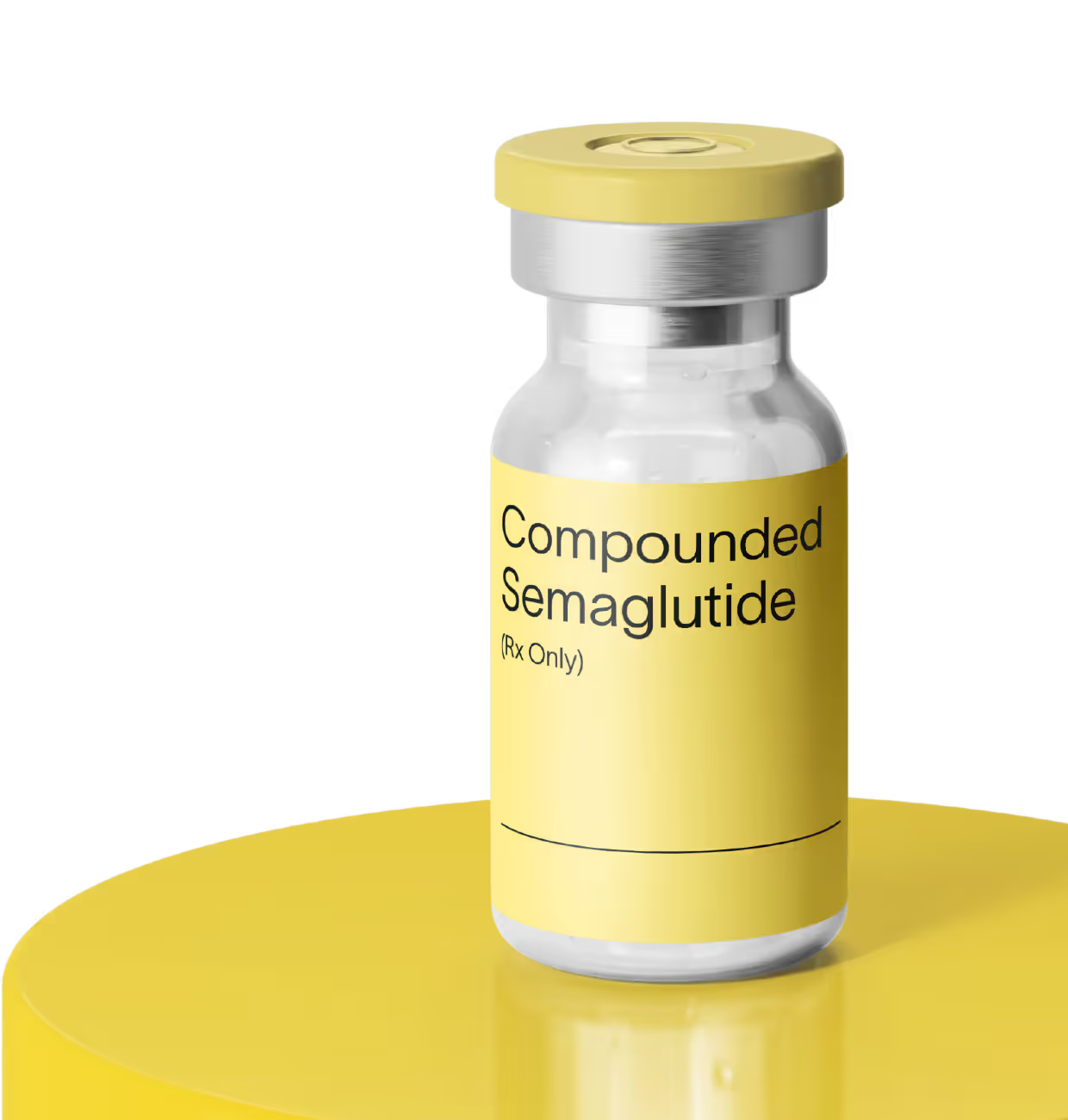
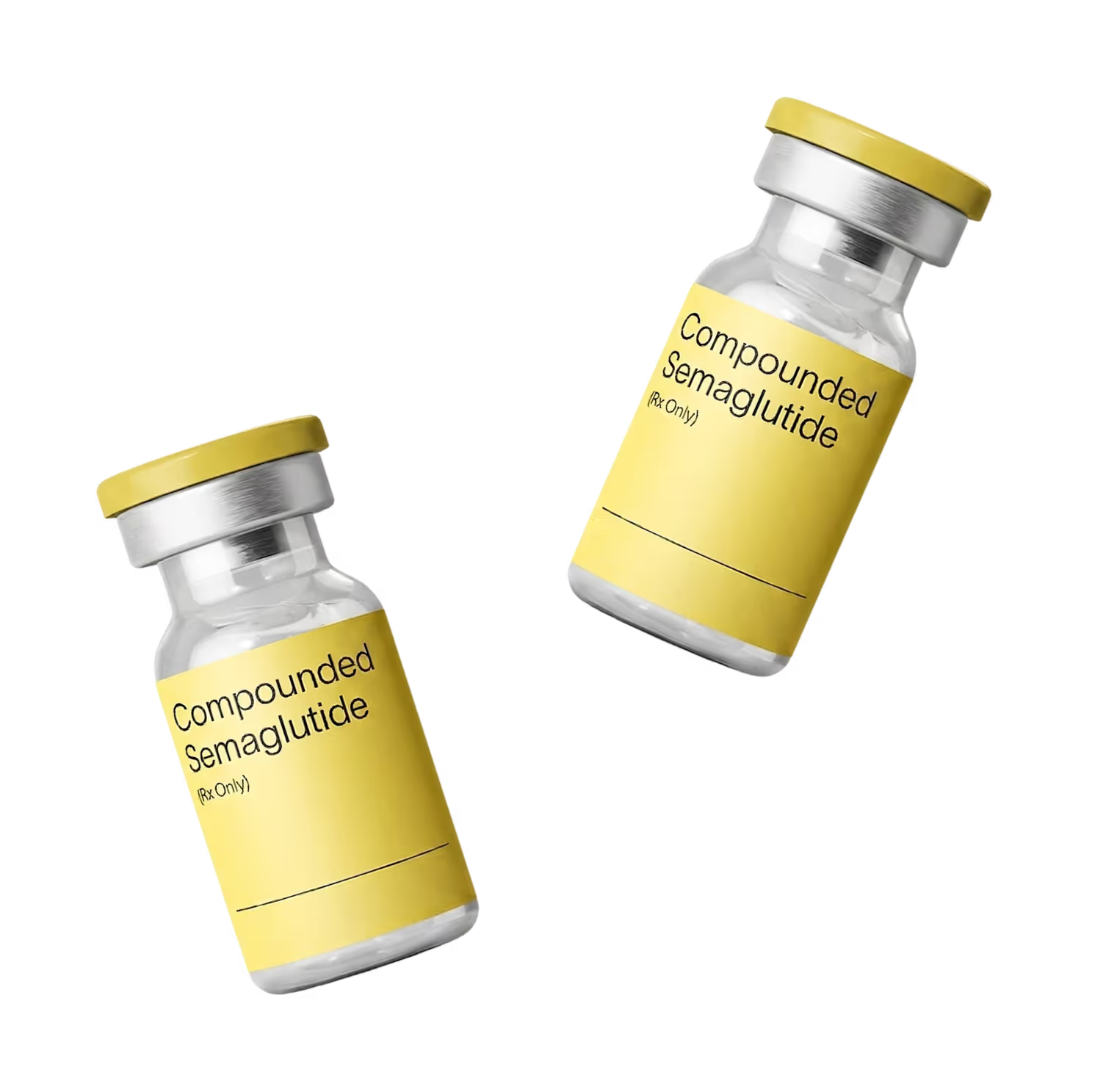
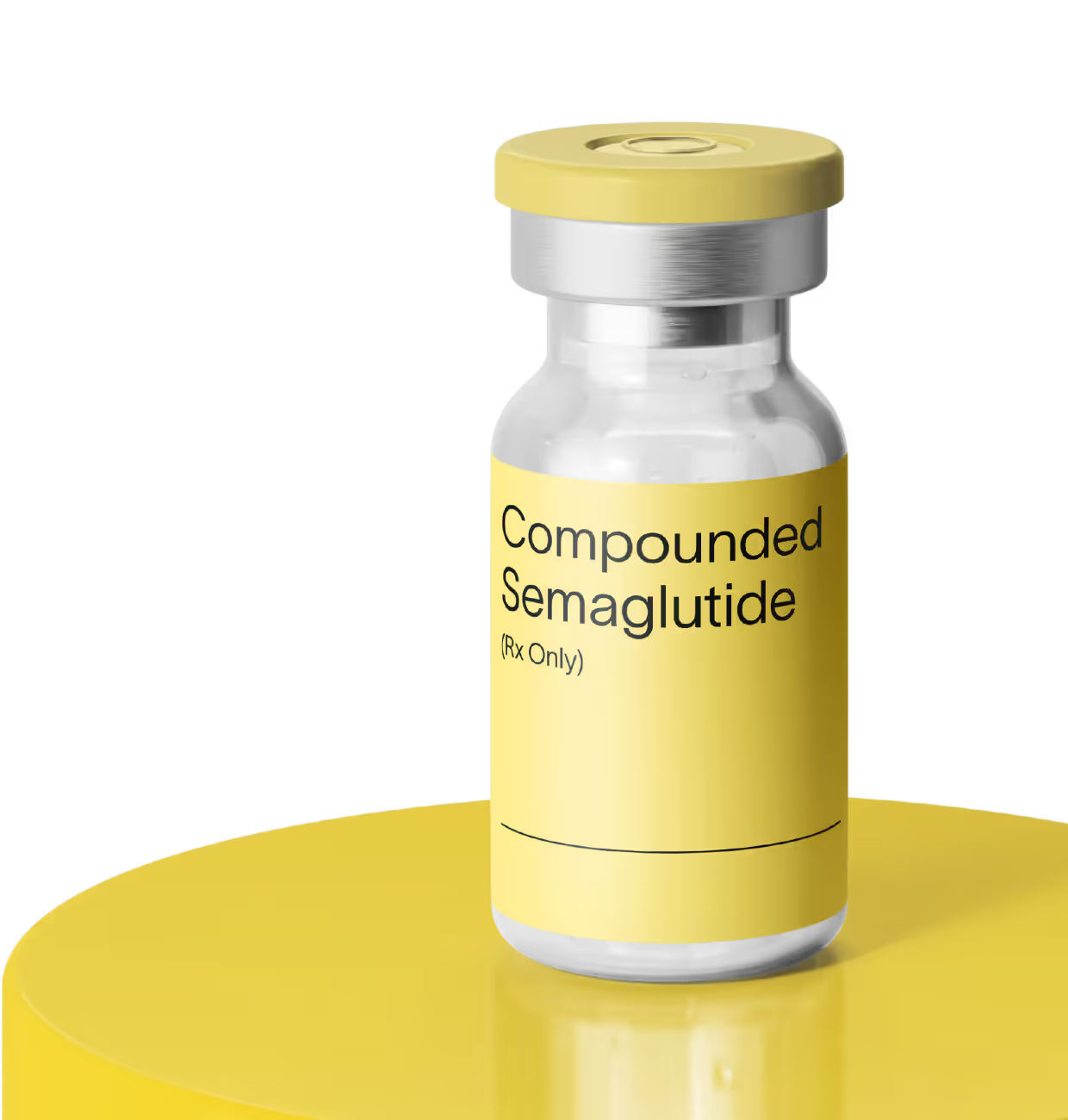
We prioritize a personalized approach to your health. If your medical provider prescribes medication, options may include GLP-1 treatments such as compounded semaglutide. Our providers prescribe only combination treatments not available at your local pharmacy that may include vitamin B12, etc. to help you achieve your goals faster.

Depending on your treatment goals, other medications such as metformin may also be considered. We recognize the importance of managing side effects, so your care plan might include medication to ease symptoms like nausea. Your well-being is always our top priority!

Please note that compounded medications are customized to meet individual patient needs and are not FDA-approved for safety or effectiveness. A prescription is necessary. Results may vary from person to person.

Curex and its pharmacy partners do not have any association with Novo Nordisk.

Will I be prescribed semaglutide?

Your health journey is unique, and we tailor our care to match. Any prescriptions, including semaglutide, will be based on the expert assessment of the medical provider matched with you through our platform. You can trust that your treatment plan will be personalized to fit your specific needs. And if semaglutide is not prescribed, we will provide a full refund.

What is compounded medication?

Compounding involves creating customized medications to meet the specific needs of individual patients. For instance, a patient may require a liquid version of a medication that is only available in tablet form. Pharmacies can also compound medications using FDA-approved drugs that are on the FDA’s shortage list.

These compounded medications are made by state-licensed pharmacies that follow both federal and state regulations, including quality standards. However, when compounded in accordance with these laws, these medications are not subject to FDA approval and are not evaluated for safety or effectiveness.

Is compounded medication the same as generic medication?

Compounded medications differ from generic drugs. Generics require FDA approval by demonstrating bio-equivalence to the brand-name drug. In contrast, compounded medications are not FDA-approved. They are made based on a personalized prescription that may not be commercially available elsewhere or when a drug appears on the FDA’s shortage list. Compounding pharmacies must have the proper licensed facilities and comply with state and federal regulations before dispensing these medications.

Is insurance required?

No, Curex doesn’t require insurance. We offer clear and simple pricing, along with affordable medication options, making it easy and accessible to take care of your health.

Can I pay with an FSA or HSA card?

Yes! You can pay with your HSA or FSA card.

No items found.
Can you prescribe Ozempic®* or Wegovy®*?

Our providers focus on personalized medications and dosages that aren’t commercially available at your local pharmacy. We don’t prescribe Ozempic®* or Wegovy®.* We may prescribe treatments containing compounded semaglutide or tirzepatide. These medications are specially compounded for you by a licensed pharmacy to meet your specific needs.

Are video visits with a provider required?

Our providers will review your information 100% online. Depending on where you live and the specifics of your medical history, our providers may require you to have a video visit or asynchronous visit via text message. If prescribed, you’ll get unlimited online access to message your provider as needed for follow-ups, adjustments, and answers to your questions.

What states do you serve?

Currently, we do not serve Arkansas, Connecticut, and New Mexico. However, we are always working to expand our reach, so stay in touch with us at hi@getcurex.com.

How long does it take for SAMe (S-Adenosyl Methionine) to work?
  • Onset Timing: Many users may begin to notice improvements within 2 to 6 weeks of consistent use.
  • Individual Variation: The exact time frame can vary depending on one’s unique biochemistry and the condition being addressed.
  • Consistency Matters: Regular intake is key to experiencing the potential benefits of SAMe.
  • Consultation Recommended: It's advisable to speak with a healthcare professional to determine the appropriate dosage and duration for your specific needs.
What is the right dosage for SAMe (S-Adenosyl Methionine)?


Dosage Recommendations for SAMe (S-Adenosyl Methionine)


  • General Dosage: Typical daily dosages range from 400 mg to 1600 mg, depending on the individual's needs.
  • For Depression: Studies often use dosages between 800 mg and 1600 mg per day, divided into two or more doses.
  • For Joint Health: Some research suggests that lower dosages, around 400 mg to 800 mg per day, may be effective.
  • Important Note: Individual requirements vary, and it is essential to consult a healthcare provider before starting SAMe to determine the appropriate dosage for your specific situation.


Does SAMe (S-Adenosyl Methionine) help with depression?


  • Efficacy: Research indicates that SAMe may help alleviate symptoms of depression, with some studies showing positive effects in individuals with major depressive disorder and bipolar depression.
  • Mechanism: SAMe is thought to enhance the synthesis of neurotransmitters such as serotonin, dopamine, and norepinephrine, which are closely linked to mood regulation.
  • Usage Considerations: Although positive results have been observed in some cases, the overall efficacy of SAMe can vary among individuals, and it is not universally effective as a standalone treatment for depression.
  • Safety and Side Effects: Potential side effects include gastrointestinal issues, anxiety, and insomnia. Its use should be monitored by a healthcare professional, especially when combined with other medications.
  • Recommendation: It is important to consult with a doctor before starting SAMe supplementation, particularly if you are on other antidepressants or have pre-existing health conditions.