August 18, 2026
Cat Allergy Treatment: Finding Relief That Lasts
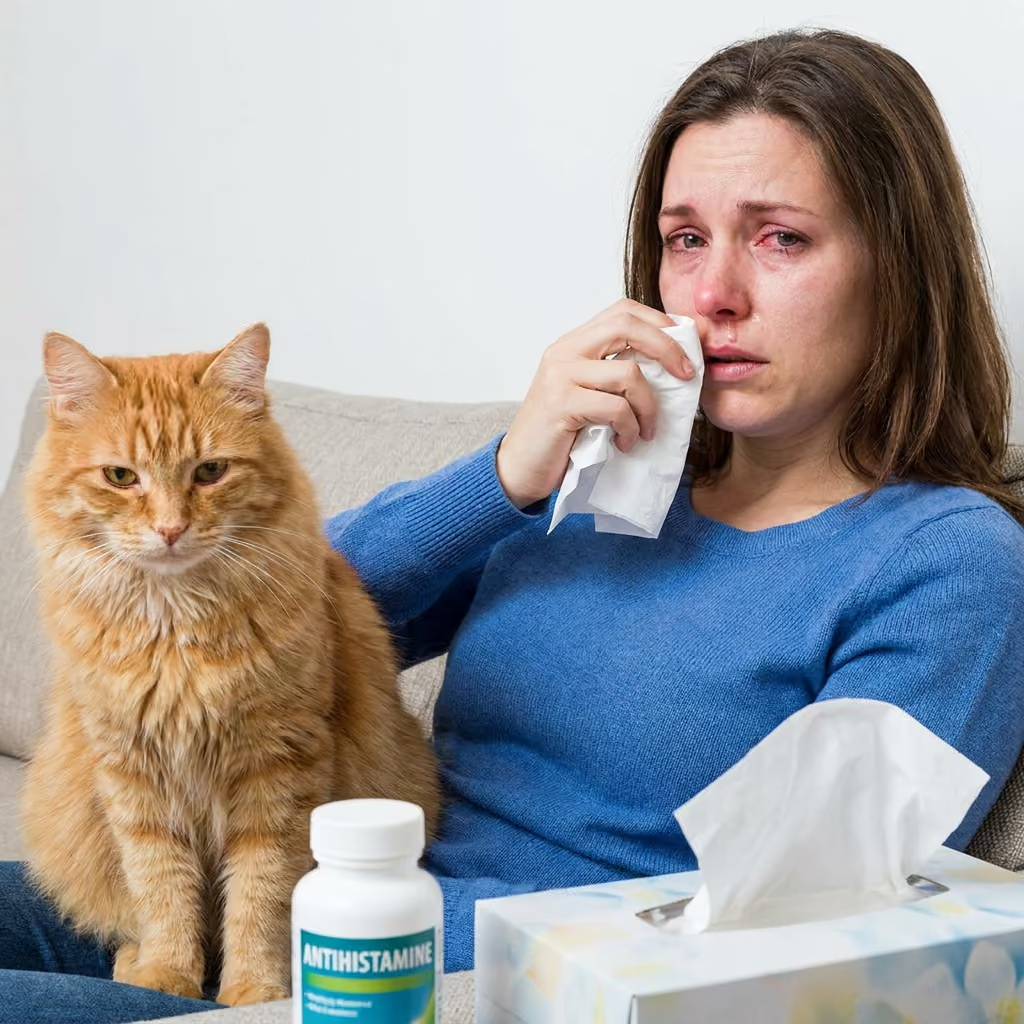
Living with a cat allergy often means balancing love for a pet with daily symptoms — sneezing, congestion, itchy eyes, or asthma flare-ups. Antihistamines and nasal sprays help many people feel better in the moment, but they only manage symptoms. They do not change the underlying allergic response. For people seeking longer-term improvement, allergy immunotherapy is the only treatment that retrains the immune system to better tolerate cat allergen.
Why Cat Allergies Are Persistent
Cat allergies are driven primarily by Fel d 1, a protein found in saliva and dander. It spreads easily through the air and clings to furniture, bedding, and clothing. Because the allergen is present year-round in homes with cats (and can linger even after a cat is gone), symptoms rarely take a seasonal break. This is why many people eventually look beyond daily symptom medications for a more lasting approach.
Symptom Medications and Home Steps Still Matter
Antihistamines, nasal corticosteroids, and other symptom-relief medications are legitimate tools. They help people function day to day and are often used alongside immunotherapy, especially early in treatment. Simple environmental steps also help: keeping cats out of the bedroom, using HEPA filters, washing bedding regularly, and vacuuming with a HEPA vacuum all reduce the overall allergen load. These measures support comfort while a longer-term plan takes effect.
Immunotherapy: The Only Disease-Modifying Option
Allergy immunotherapy (AIT) is the only treatment that changes the underlying allergic disease rather than just managing symptoms. It works by gradually exposing the immune system to controlled amounts of allergen so the body builds tolerance over time. A full course typically takes 3–5 years. Many patients notice improvement within the first months or the first allergy season, and benefits can persist for years after treatment ends. Adherence strongly affects outcomes.
Because AIT is personalized and clinically supervised, every plan is built around a patient’s specific test results, symptom history, environment, and health background. It is not a one-size-fits-all or do-it-yourself treatment. The commitment of time and money is real — environmental allergy immunotherapy generally costs $3,000–$5,000 per year — but it is also the only path that aims at lasting change rather than ongoing symptom control.
Why Many People Choose At-Home Allergy Drops
Sublingual immunotherapy (allergy drops) is generally considered safer than injections, with fewer systemic side effects. Drops are mostly taken at home under the tongue; in some cases the first dose is given under physician supervision. Local side effects such as mild mouth or throat itching are common but usually temporary.
This combination of safety profile and convenience makes drops a strong fit for patients who want clinical oversight without weekly office visits. Personalized allergy drops are compounded by a specialized pharmacy for the individual patient and prescribed off-label — a long-standing practice that uses FDA-approved allergenic extracts. They are generally an out-of-pocket cost because insurance does not typically reimburse compounded treatments.
Curex, the largest telemedicine platform for allergy immunotherapy at home, has provided services for over 50,000 patients with environmental and food allergies and related conditions. Treatment plans are clinician-supervised and can include financing as low as $79 per month on some plans, making the multi-year commitment more manageable for many households.
What to Expect from a Full Course
Progress is usually gradual. Many people experience reduced symptoms and less reliance on daily medications as treatment continues. A full course of 3–5 years gives the immune system time to build lasting tolerance. Consistent daily use matters more than any single dose. Regular clinical check-ins help adjust the plan and monitor progress. Results vary, and no treatment guarantees a specific outcome — the realistic goal is meaningful, long-term symptom reduction and improved quality of life.
Is This Path Right for You?
Not everyone with a cat allergy needs immunotherapy, and not every patient is a candidate. People whose symptoms are well controlled with medications and home measures may not require more. Those with ongoing disruption to sleep, work, or breathing — especially if asthma is involved — may be candidates for a disease-modifying approach. Candidacy is always a clinical decision based on testing, history, and overall health. A conversation with a clinician is the right starting point.
The Bottom Line
Effective cat allergy treatment usually layers several approaches: symptom medications for daily comfort, practical steps to lower exposure at home, and, when appropriate, immunotherapy that retrains the immune response. At-home allergy drops offer a supervised, convenient way to pursue the only disease-modifying option available. The commitment is real — several years and a meaningful financial investment — but for many people it is the path that finally moves beyond temporary relief. If symptoms are affecting your quality of life, a clinical evaluation can help determine whether this approach fits your situation.
References
Allergy Immunotherapy. AAAAI
Pet Allergies Treatment. Curex
Domestic Cat Allergy. Curex
Allergy Treatment Pricing. Curex