Dogs marketed as hypoallergenic
16 breedsThe breeds advertised as low-allergen — Poodles, Doodles, Schnauzers. We score them honestly against the science.
No dog or cat is 100% hypoallergenic — every cat makes Fel d 1, every dog makes Can f 1. The Curex Hypoallergenic Score ranks how much allergen each breed actually disperses into your home — across 5 weighted factors, locked from AKC and CFA data.
Methodology: AKC + CFA breed data · Vredegoor 2012 (JACI) · Bastien 2019 · Yu 2024 (Sci Rep)
The score is a transparent editorial rubric — not a lab measurement of any individual animal. It ranks relative allergen-dispersal burden using AKC shedding / drooling / grooming ratings, CFA coat descriptions, and established allergen biology.
Production is weighted heaviest (40%) because the biology is near-constant across breeds — and that's the honest ceiling on every breed's score. Coat-level factors (shedding, saliva, groomability) explain the spread between breeds.
No breed in our 99-guide library scores above 5.0/10. That's not a bug — it's the published evidence. Vredegoor 2012 found "hypoallergenic" breeds carried higherCan f 1 than conventional breeds. We won't invent a category that biology doesn't support.
The single biggest factor — and the great equalizer. Every cat makes Fel d 1; every dog makes Can f 1. Coat type cannot change it.
How much hair-bound allergen reaches your couch, carpet, and clothes. 1/5 (low) earns 7; 5/5 (heavy) earns 1.
Total dander mass dispersed per day. Adjusted up for toy/small breeds, down for giant breeds.
Saliva-borne allergen reaches air via grooming-licking, not just slobber. Even "dry" dogs cap at 6/10.
How effectively regular bathing and brushing actually cut surface load. Single / hairless / curly coats earn +1.
No breed reaches a true "hypoallergenic" band, but the spread is real. The top 10 disperse meaningfully less allergen than the bottom 10. Same model, no exceptions.
Lowest realistic allergen load across all 99 guides.
The breeds most likely to flare a sensitive household.
We grouped breeds the way a sensitive household actually thinks about them — what's marketed as hypoallergenic vs. what the data shows.
The breeds advertised as low-allergen — Poodles, Doodles, Schnauzers. We score them honestly against the science.
High-shed coats (4-5/5 on AKC). Goldens, Labs, Huskies. Dander dispersal runs hot year-round.
Mastiffs, Newfoundlands, St. Bernards. Big bodies = big dander mass, plus saliva-borne Can f 1.
The breeds most families actually live with — Beagles, Boxers, Corgis, Pointers. Scored 1-by-1.
Russian Blue, Balinese, Siberian, Devon Rex. "Disputed" per Yu 2024 — we map the evidence.
Maine Coon, Persian, Ragdoll, British Shorthair. Honest Fel d 1 dispersal scores.
We'll narrow our 99 guides to the breeds that line up with your allergy severity and how you actually live. No magic — just the score, filtered.
Pick an animal, severity, and lifestyle on the left. We'll surface the three highest-scoring breeds that fit.
Same model, same factors, same data — so the comparison is honest. Try Goldendoodle vs Labrador Retriever, or Russian Blue vs Maine Coon.
Pick a breed to compare
The literature is clear: no breed selection alone solves pet allergy. Every claim on this site is anchored to a citation you can verify.
"Hypoallergenic" breeds carried as much or MORE Can f 1 in coat and home samples than conventional breeds. The premise of breed-based allergen avoidance failed peer-review evidence.
Sensitivity testing across 11 cat breeds found Fel d 1 in every single one. Russian Blue and Balinese showed modest reductions — never elimination, never reliable.
Largest variation in cat allergen output came from sex and neutering status, not breed. Neutering, weekly bathing, and ImmunoCAT vaccines (research-stage) — not breed selection — change the curve.
"When patients ask which breed is hypoallergenic, the honest answer is: none, at the biology level. What changes the curve is allergen testing, environmental controls, and — for severe cases — immunotherapy. Breed choice is the smallest lever."
Every guide includes the score, the 5-factor breakdown, allergen biology, and a management playbook. Filter, sort, and find your breed.

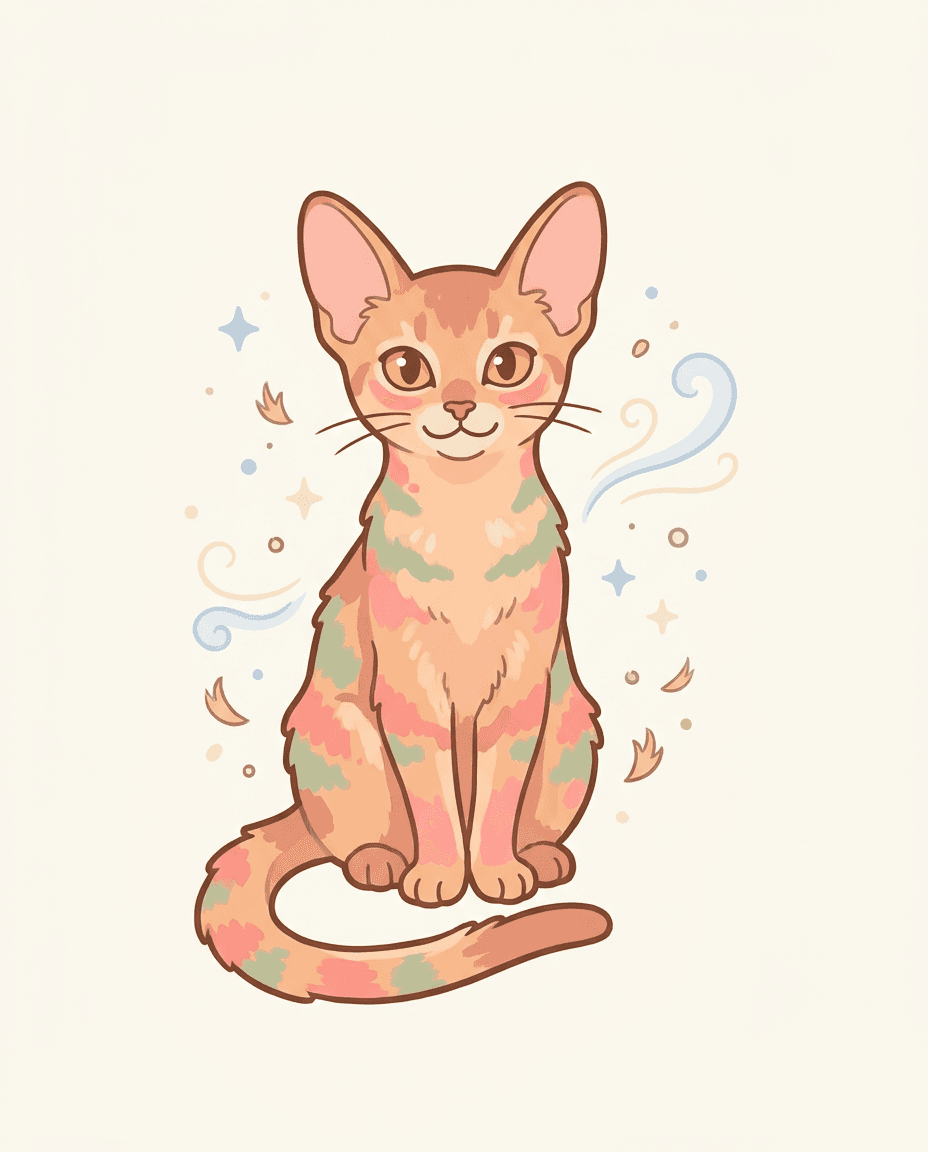
The Abyssinian earns a slightly better dispersal score than most cats in this bundle — its short single coat sheds very little — but this reflects less dander in the air, not less Fel d 1 being made. The production factor is the same for every cat.
Read the guide
A small, wiry terrier whose rough double coat sheds moderately and traps dander in its harsh outer layer. The small body (7–10 pounds) limits total dander mass compared to a large breed, but the coat's texture means grooming releases trapped allergen into the air. The dry mouth (AKC 1/5) minimizes saliva spread, but every dog produces Can f 1 regardless of coat type.
Read the guide
A long-coated sighthound with a regal appearance and a silky single coat that sheds moderately year-round. The long coat creates a misleading impression of allergen-trapping security — in reality, daily grooming aerosolizes dander, and the coat itself carries normal amounts of Can f 1 from skin and saliva.
Read the guide
A large, confident terrier with a wiry double coat that sheds minimally (AKC 2/5) — the lowest shed rating in this bundle. The low shed reduces dander dispersal compared to heavy-shedding breeds, but the 50-to-70-pound frame still produces a meaningful total dander load, and the wiry coat traps dander against the skin, requiring professional grooming to release it. The moderate drool (AKC 2/5) adds a secondary saliva-borne Can f 1 vector.
Read the guide
A large, dry-mouthed double-coated breed that sheds moderately year-round and explosively during seasonal blows. A 70-to-130-pound Akita carries more total dander than the rating suggests, making body size as important as the shed rating.
Read the guide
A dry-mouthed Arctic working breed with the largest body in this bundle. At 75 to 100 pounds with a thick double coat, the Malamute carries one of the highest total dander loads of any dog in D_everyday5, with dramatic seasonal blows that pulse allergen into the home.
Read the guide
A medium-sized, moderate-shedding cat with a short double coat. The bobtail's distinctive appearance and friendly temperament are appealing, but the coat type does not reduce Fel d 1 production — every cat makes it. The 4.5 score reflects a moderate allergen profile, not a low-allergen cat.
Read the guide
A large, muscular working dog with a short single coat that looks minimal and easy. The short coat reduces grooming bills, not allergen — Can f 1 is in dander and skin oil, and a 60-to-120-pound dog produces meaningful amounts regardless of coat length. Moderate drool adds a secondary saliva-borne route.
Read the guide
A moderate-shedding, moderate-dander cat whose unique curled ears are a cosmetic breed marker, not an allergen-reducing feature. The American Curl scores 4.5 out of 10 — a middle-of-the-pack profile for a cat with no special Fel d 1 reduction claims.
Read the guide
A medium-sized primitive breed with a short single coat that sheds moderately year-round. The dry mouth (1/5 drool) is a small advantage, but the moderate shed and normal Can f 1 production keep this breed firmly in the Not hypoallergenic band.
Read the guide
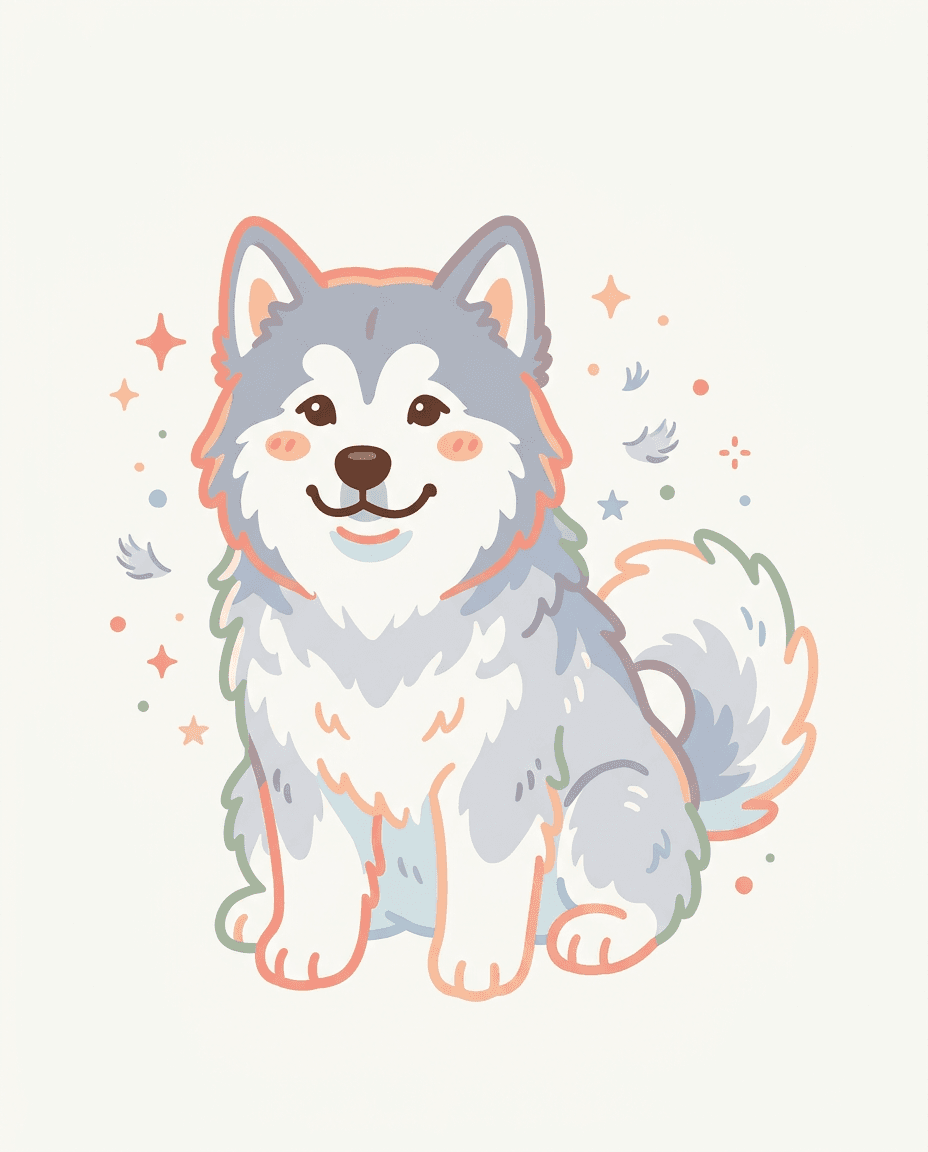
A brilliant-white spitz that edges above 3.0 solely because of its smaller body size. AKC-recognized with high-confidence trait data. The white double coat sheds seasonally and disperses Can f 1 throughout the home; the dog's appearance is the most deceptive hypoallergenic signal in this bundle.
Read the guide
A short-coated American hound bred for endurance and pack hunting. The sleek, easy-care coat looks allergy-friendly but is not — Can f 1 is in dander and skin oil, and a 60-to-70-pound dog produces meaningful amounts regardless of coat length.
Read the guide
A small, hairless, lively terrier with a coat that eliminates the fur-based dander vector. The hairless coat reduces one major dispersal route, but Can f 1 is still produced in the skin and saliva — and the breed's exposed skin oils can transfer allergen directly to surfaces. The 5.0 score reflects a meaningful reduction in allergen dispersal compared to a coated dog, but not an allergen-free dog.
Read the guide
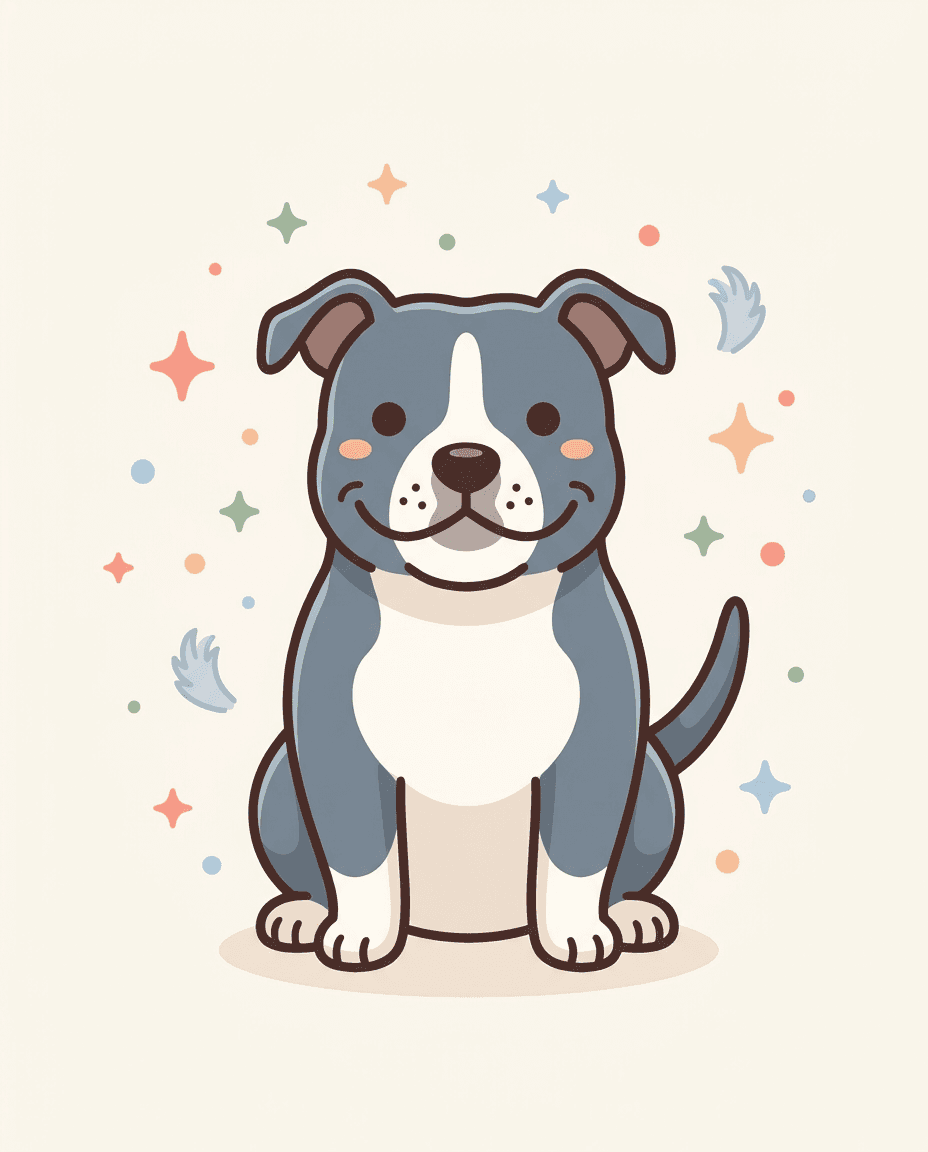
A medium-sized smooth-coated dog that sheds fine hairs continuously and produces standard Can f 1 levels. The score of 3.0 reflects the same fundamental allergen biology every dog shares, with a modest bonus from a low drool rating. Important caveat: the American Pit Bull Terrier is not AKC-recognized, so the shedding and grooming estimates here are analyst projections based on its short single coat — not official ratings.
Read the guide
A friendly, adaptable domestic cat with an interesting polydactyl trait — but extra toes do not change Fel d 1 biology. The American Polydactyl is a moderate shedder with a short to medium single coat, producing normal amounts of the major cat allergen. Its score of 4.0 reflects the moderate-shedding baseline that applies to most domestic short-to-medium-haired cats.
Read the guide
A moderate-shedding domestic cat with a distinctive curled tail. The tail is a cosmetic trait — it does not change Fel d 1 production, which is normal for any cat. The American Ringtail is not marketed as hypoallergenic, and its allergen profile is typical of the general cat population.
Read the guide
A classic American working cat with a dense double coat that sheds heavily year-round. The short-haired appearance is misleading — the undercoat releases substantial dander, and every cat produces Fel d 1 regardless of coat. The score reflects the heavy shed and normal Fel d 1 production, not a hypoallergenic profile.
Read the guide
An easy-care short single coat on a medium frame (40–70 lb). Low maintenance to groom but moderate dander output; the convenience that saves owners grooming time provides no allergen benefit. Numeric trait ratings are analyst estimates, not official AKC data.
Read the guide
A medium-sized spaniel with a dense double coat that sheds moderately year-round. The curly outer coat traps some dander but also demands regular professional grooming to prevent matting and allergen buildup. The dry mouth (AKC 1/5) eliminates the saliva-spread vector that burdens other spaniel breeds.
Read the guide
A unique American cat with a wiry, crimped coat that sheds less than typical shorthairs, reducing dander dispersal modestly. But Fel d 1 is made in every cat's skin and saliva — coat texture does not change the allergen itself. The wirehair is a small step forward, not a hypoallergenic solution.
Read the guide
A short-coated, moderate-shedding cat whose Fel d 1 output is driven by individual biology, not breed. The Anatoli Cat is a landrace breed from Turkey with a short single coat and moderate shedding — a profile that places it in the middle of the cat hypoallergenic spectrum, but still producing the same Fel d 1 as any other cat.
Read the guide
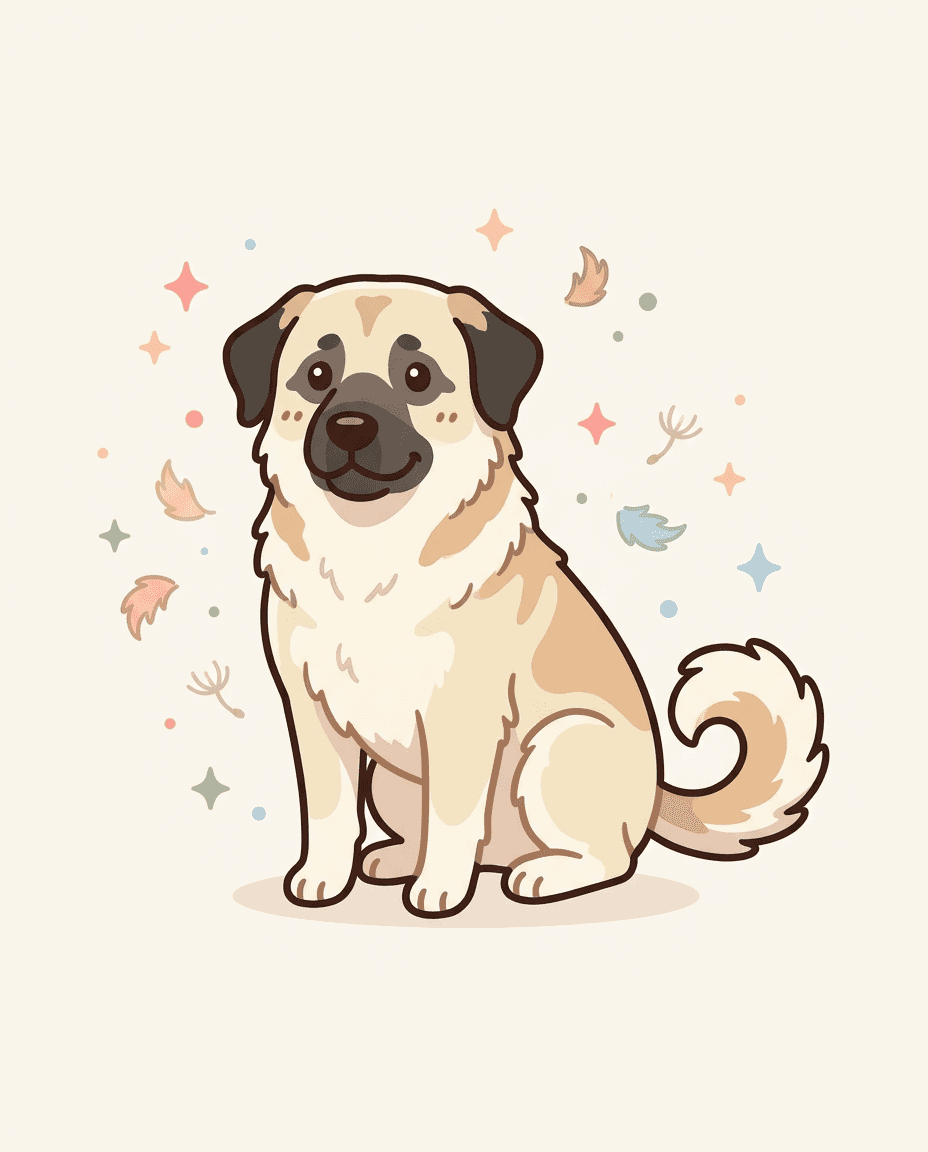
A giant working dog whose allergen burden is dominated by sheer body mass — more skin, more dander, more saliva-borne Can f 1 than a smaller dog with the same AKC shedding rating. The short-to-medium double coat is the least of the allergen concern here.
Read the guide
A low-shedding short single coat earns the Arabian Mau a 4.0 dispersal score — but breed-level data is very thin, confidence is low, and Fel d 1 production is the universal cat baseline. The individual animal matters more than any breed estimate for this breed.
Read the guide
A medium herding dog whose weatherproof double coat conceals a year-round shedding undercoat. Built for tough outdoor work but typically living indoors, the Heeler keeps household Can f 1 persistently elevated. Very low drool is the single meaningful allergen-control advantage.
Read the guideA transparent 1–10 editorial rubric, applied identically to all 99 breed guides on this site. It combines five weighted factors — allergen production (40%), shedding (20%), dander (15%), saliva spread (15%), and groomability (10%) — using AKC/CFA breed-trait data plus published allergen biology (Vredegoor 2012, Bastien 2019, Yu 2024). Higher score = lower realistic allergen dispersal in your home. It is NOT a lab measurement of any individual cat or dog.
This content is for informational purposes only and does not constitute medical advice, diagnosis, or treatment. Always consult a qualified healthcare provider with questions about a medical condition. Content reviewed by board-certified allergists at Curex.
The Curex at-home allergy test confirms Fel d 1 / Can f 1 IgE. From there, an allergist matches you to immunotherapy — the only treatment that builds tolerance so you can keep the pet you love.
Vet-reviewed · Citation-backed · Honest about what the science actually says
Ready to treat your allergies at the source?
Take the free allergy quiz to find out if immunotherapy is right for you and get started with personalized treatment today.
Take Free Allergy Quiz